
The herb market is expanding
There's a quiet revolution happening in gardens and kitchens across the country. People are rediscovering the joy of growing their own food, and that includes herbs. This isn't just about saving a few bucks at the grocery store; it's fueled by a desire for fresher, healthier ingredients, a growing interest in natural remedies, and a preference for supporting local producers. It’s a trend I’ve been watching for years, and I believe it’s creating some real opportunities for small business owners.
But let’s be clear: growing herbs for profit isn’t a get-rich-quick scheme. It is work. It requires planning, dedication, and a willingness to learn. However, with the right approach, it can be a viable and rewarding path to self-employment. The demand is there, and it’s only expected to grow. According to recent data from Johnny’s Selected Seeds, demand for culinary herb seeds has increased by 15% in the last five years.
By 2026, I expect the demand for specialty herbs to climb as grocery store prices for fresh produce stay high. People are getting more adventurous with their cooking and home remedies. Here are the most profitable varieties to consider for a small-scale operation.
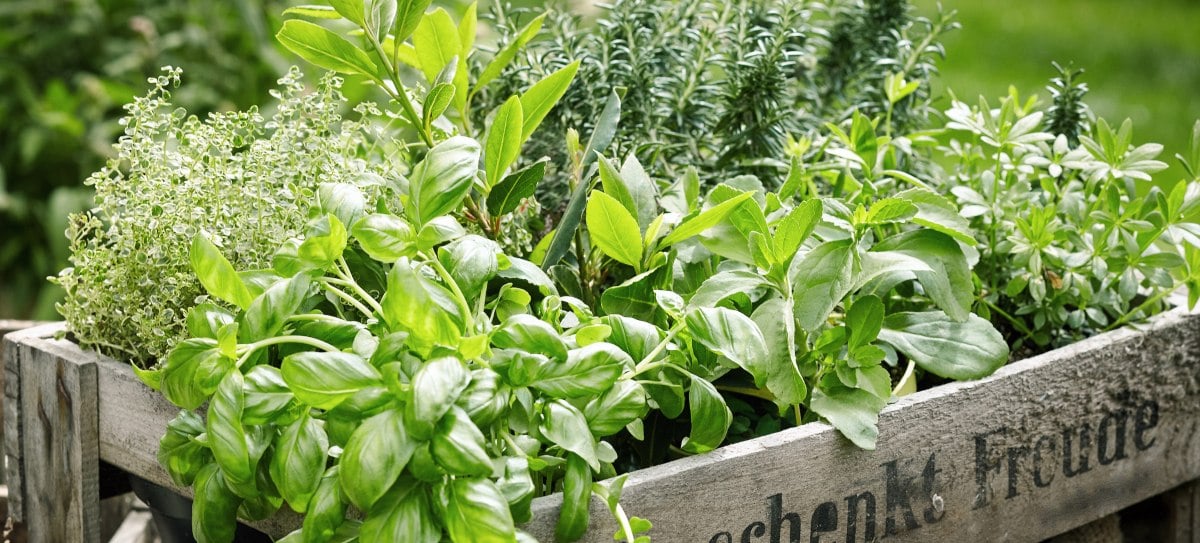
Most profitable herbs for 2026
Profitability depends on your local climate and where you sell, but these 14 herbs currently offer the best margins based on 2025 wholesale data.
Saffron (Crocus sativus): Often called 'red gold,' saffron is the most expensive spice in the world, fetching upwards of $5,000 per pound. It's labor-intensive to harvest, but the high price point makes it incredibly profitable. Growing difficulty: Hard. Primary uses: Culinary, medicinal.
Ginseng (Panax quinquefolius): American Ginseng is highly valued in traditional medicine, particularly in Asian markets. Wholesale prices can range from $300-$800 per pound for dried roots. Growing difficulty: Hard (requires several years to mature). Primary uses: Medicinal.
Lavender (Lavandula angustifolia): A versatile herb with a wide range of applications, from aromatherapy and cosmetics to culinary uses. Expect to sell dried lavender for $30-$60 per pound. Growing difficulty: Medium. Primary uses: Cosmetic, culinary, aromatherapy.
Basil (Ocimum basilicum): A culinary staple, basil is consistently in demand. Sweet basil typically sells for $8-$15 per pound wholesale. Growing difficulty: Easy. Primary uses: Culinary.
Cilantro/Coriander (Coriandrum sativum): Both the leaves (cilantro) and seeds (coriander) are valuable. Wholesale prices range from $6-$12 per pound for cilantro and $3-$5 per pound for coriander seeds. Growing difficulty: Easy. Primary uses: Culinary.
Chives (Allium schoenoprasum): A relatively easy-to-grow herb with consistent demand. Expect around $5-$10 per pound wholesale. Growing difficulty: Easy. Primary uses: Culinary.
Oregano (Origanum vulgare): Widely used in Italian and Mediterranean cuisine. Wholesale prices are around $10-$20 per pound. Growing difficulty: Medium. Primary uses: Culinary, medicinal.
Thyme (Thymus vulgaris): Another popular culinary herb with a slightly lower price point than oregano, around $8-$15 per pound. Growing difficulty: Medium. Primary uses: Culinary, medicinal.
Rosemary (Rosmarinus officinalis): A fragrant herb used in a variety of dishes. Wholesale prices are around $7-$14 per pound. Growing difficulty: Medium. Primary uses: Culinary, cosmetic.
Mint (Mentha species): Extremely easy to grow, but can be invasive. Peppermint and spearmint are the most popular varieties, selling for $4-$8 per pound. Growing difficulty: Easy. Primary uses: Culinary, cosmetic, aromatherapy.
Chamomile (Matricaria chamomilla): Popular for its calming properties, chamomile is used in teas and cosmetics. Expect $10-$25 per pound wholesale. Growing difficulty: Medium. Primary uses: Medicinal, cosmetic.
Echinacea (Echinacea purpurea): A popular immune-boosting herb. Roots and aerial parts fetch $15-$30 per pound. Growing difficulty: Medium. Primary uses: Medicinal.
Lemon Balm (Melissa officinalis): Known for its calming and antiviral properties. Wholesale prices are around $8-$15 per pound. Growing difficulty: Easy. Primary uses: Medicinal, culinary.
Calendula (Calendula officinalis): Used in skincare products for its soothing properties. Dried petals sell for $12-$20 per pound. Growing difficulty: Easy. Primary uses: Cosmetic, medicinal.
Soil and harvest requirements
Successful herb farming goes far beyond simply scattering seeds. Soil quality is paramount. Most herbs prefer well-drained soil with a pH between 6.0 and 7.0. You’ll likely need to amend your soil with compost or other organic matter to improve drainage and fertility. Watering needs vary depending on the herb, but generally, consistent moisture is important, especially during establishment.
Pest and disease control should prioritize organic methods. Companion planting, beneficial insects, and organic pesticides are all viable options. Harvesting at the right time is crucial for maximizing flavor and potency. For leafy herbs, harvest before flowering. For seeds, allow them to mature fully on the plant. Drying and preserving herbs properly is essential for maintaining quality. Air drying, oven drying, and freeze-drying are common methods.
You’ll also need to consider your growing method. Field growing is the most traditional, but it’s susceptible to weather and pests. Greenhouse growing provides more control, but it’s more expensive. Hydroponics offers even greater control and faster growth, but it requires a significant investment in equipment and expertise. Good record-keeping—tracking planting dates, harvest yields, and expenses—is essential for understanding your profitability and making informed decisions.
Equipment costs
The amount you need to spend on equipment depends on the scale of your operation. Here's a tiered breakdown to give you an idea. 'Bare Bones' (under $500): This is for the micro-grower. You’ll need seeds, basic hand tools (trowel, hand rake), pots or trays, a watering can, and some basic drying racks. You can often find used equipment to save money.
'Getting Serious' ($500-$2000): This level allows for more efficient and larger-scale production. Add a quality soil mix, a more robust watering system (hose with spray nozzle), a pruning shears, and potentially a small cold frame to extend the growing season. You might also invest in a small dehydrator for faster drying.
'Scaling for Profit' ($2000+): This is for growers aiming for significant production. Consider a small greenhouse, an automated irrigation system, a commercial-grade dehydrator, and potentially a walk-in cooler for storing harvested herbs. You’ll also need packaging materials and potentially a small delivery vehicle.
Essential Tools for Your Profitable Herb Garden

Sharp, rust-resistant steel blade for clean cuts · Bypass design for precise pruning of live plants · Comfortable, ergonomic handle for extended use
These shears make precise cuts, essential for healthy herb growth and maximizing yield.

Long probe for accurate moisture readings deep in the soil · No batteries required, easy to use · Helps prevent over or under-watering for healthier plants
This meter ensures your herbs get the perfect amount of water, preventing root rot and promoting vigorous growth.

36 individual cells for starting multiple seedlings · Reusable and durable for season after season · Clear dome promotes humidity for optimal germination
Start your herb business off right by germinating seeds efficiently in these reliable starter trays.

Creates a mini-greenhouse environment · Protects plants from frost and pests · Pop-up design for quick setup and storage
This protector shields young herbs from harsh weather and pests, ensuring a strong start for your valuable crops.
As an Amazon Associate I earn from qualifying purchases. Prices may vary.
Marketing & Sales: Reaching Your Customers
Growing high-quality herbs is only half the battle; you need to get them into the hands of customers. Farmers markets are a great starting point, allowing you to connect directly with consumers and build relationships. Direct-to-consumer sales through an online store (Shopify, Etsy) or a CSA (Community Supported Agriculture) can also be lucrative.
Wholesaling to local restaurants, health food stores, and florists can provide a steady stream of income. Collaborating with local businesses—creating herb-infused products for a bakery, for example—can open up new markets. A strong brand identity is crucial. Develop a logo, packaging, and messaging that reflects your values and the quality of your herbs.
Online marketing—social media (Instagram, Facebook) and a simple website—is essential for reaching a wider audience. Be mindful of regulations. Selling medicinal herbs often requires specific labeling and may be subject to state or federal regulations. It’s always best to check with your local authorities.
Legal & Regulatory Hurdles
Before you start selling herbs, it’s crucial to understand the legal requirements. You’ll likely need a business license and potentially a permit to sell agricultural products. Regulations surrounding the sale of medicinal herbs are particularly strict and vary by state. Organic certification can add value, but it requires meeting specific standards and undergoing an inspection process.
Be aware of potential liability issues. If someone gets sick from consuming your herbs, you could be held liable. It’s essential to have adequate insurance and to follow proper food safety practices. I strongly recommend consulting with a lawyer and your local agricultural extension office to ensure you’re in compliance with all applicable laws and regulations.
No comments yet. Be the first to share your thoughts!