
Herb Business Potential: 2026 Outlook
The herb market is growing. Consumers want natural, sustainable products for health and wellness. Demand for medicinal, culinary, and craft herbs is up, with a clear move away from synthetic options. This trend should continue into 2026, offering opportunities for new businesses.
Locally sourced herbs are in high demand. Customers will pay more for products they see as fresher, more potent, and ethically made. Small herb farms can capitalize on this by clearly sharing their values and building direct customer relationships. Established growers and larger farms are also noticing this trend, so competition exists.
DIY herbalism is growing in popularity, thanks to online resources and workshops. People are taking more control of their health and looking for herbs for self-care. This means demand for both raw herbs and finished products, especially herbal teas, tinctures, and salves, is strong.
While 2026 looks promising for herb businesses, success requires work. You need solid market research, a clear business plan, and a focus on quality. Understanding startup costs and potential challenges is also key. It's a growing market that demands dedication and strategy.
Five Herb Business Ideas to Consider
You don't need a lot of land or money to start an herb business. Several business models can launch with modest investments. Chestnut Herbs notes that starting with one plant is possible, but scaling needs careful planning. Here are five ideas, with a realistic look at what they require and their potential.
Fresh Herb Sales: This is a relatively low-barrier-to-entry option, particularly if you have access to local farmers’ markets or restaurants. Startup costs could range from $500 to $2,000, primarily for seeds, soil, containers, and market fees. Profit margins are typically 30-50%, but competition can be fierce. Success relies on consistent quality and reliable supply. You'll need to manage harvest timing to meet demand.
Dried Herb Blends: Creating custom herb blends for teas, cooking, or medicinal purposes adds value to your harvest. Startup costs are higher, around $1,000 to $5,000, due to the need for drying equipment, packaging materials, and potentially a commercial kitchen space. Profit margins can reach 50-70%, but require formulation expertise and a strong understanding of herbal properties. Packaging and labeling are key.
Herbal Teas: This builds on dried herb blends, but focuses specifically on tea formulations. The startup investment is similar to dried herb blends, but requires careful attention to flavor profiles and tea blending techniques. Competition is significant, so differentiation through unique blends or sourcing is important. Expect profit margins of 40-60%.
Herbal Skincare Products: This is a higher-risk, higher-reward option. It demands significant knowledge of herbal formulation, cosmetic regulations, and quality control. Startup costs can easily exceed $5,000, factoring in ingredients, packaging, labeling, and potential testing fees. Profit margins can be substantial (60-80%), but navigating legal compliance is crucial. You’ll need to understand Good Manufacturing Practices (GMP).
Medicinal Herb Cultivation for Wholesale: This involves growing herbs specifically for sale to herbalists, supplement companies, or pharmaceutical manufacturers. Startup costs are substantial, potentially $10,000+, due to land requirements, organic certification costs, and specialized equipment. Profit margins are typically lower (20-40%) but volume can be high. Building relationships with buyers is essential.
- Fresh Herb Sales: $500 - $2,000 startup, 30-50% profit margin
- Dried Herb Blends: $1,000 - $5,000 startup, 50-70% profit margin
- Herbal Teas: $1,000 - $5,000 startup, 40-60% profit margin
- Herbal Skincare: $5,000+ startup, 60-80% profit margin
- Medicinal Herb Wholesale: $10,000+ startup, 20-40% profit margin
Herb Business Ideas: A Comparative Overview (2026)
| Business Idea | Startup Investment | Skill Level | Potential Profitability | Market Competition | Time Required |
|---|---|---|---|---|---|
| Fresh Herb Bouquets/Market Sales | Low | Beginner | Medium | Medium-High | Part-time to Full-time |
| Dried Herb & Tea Blends | Medium | Intermediate | Medium-High | Medium | Part-time to Full-time |
| Herb Starts/Seedlings | Medium | Intermediate | Medium | Medium | Part-time to Full-time, Seasonal Peak |
| Culinary Herb Production (Wholesale) | High | Intermediate-Advanced | Medium-High | Medium-High | Full-time |
| Medicinal Herb Cultivation (Wholesale) | High | Advanced | High | Medium | Full-time, Requires Certification |
| Value-Added Herb Products (Salves, Soaps) | Medium | Intermediate | Medium-High | Medium | Part-time to Full-time |
| Herb Workshops & Education | Low-Medium | Intermediate | Medium | Low-Medium | Part-time, Flexible |
Qualitative comparison based on the article research brief. Confirm current product details in the official docs before making implementation choices.
Cultivation Choices: What Herbs to Grow
Choosing the right herbs to grow is key to profit. Popular culinary herbs like basil, rosemary, thyme, and mint are always wanted, but competition is high. Niche herbs can offer better profit margins, but you need to research demand carefully. I've seen farms do well focusing on specialty mints or unusual basil types.
For culinary herbs, look beyond the basics. Lemon basil, Thai basil, and chocolate mint sell for more than common types. Rosemary and thyme are easy to grow and last long, good for drying and selling all year. Mint grows fast but needs containment to stop it from spreading.
Medicinal herbs offer different chances. Echinacea and lavender are popular but need a lot of land for good yields. Chamomile and calendula are easier to grow small-scale and work well for teas and skincare. Valerian root has a strong market but smells bad and needs special handling.
Organic certification matters more to consumers now. It adds cost and paperwork but lets you charge more and reach more buyers. Sustainable practices like companion planting and crop rotation are also vital for soil health and reducing environmental impact. Think about using permaculture principles in your farm design.
Don't forget value-added processing. Drying your own herbs, making herbal salts or vinegars, or crafting infusions can greatly increase profits. High-quality, hand-harvested herbs will make your products stand out from mass-produced ones.
- High-Demand Culinary Herbs: Basil, Rosemary, Thyme, Mint
- Niche Culinary Herbs: Lemon Basil, Thai Basil, Chocolate Mint
- Popular Medicinal Herbs: Echinacea, Lavender, Chamomile, Calendula
- Specialty Medicinal Herbs: Valerian Root
Herb Options for Commercial Growth
- Basil (Culinary, Easy) - A highly popular herb used in numerous cuisines. Requires warm temperatures and well-drained soil. Multiple varieties offer diverse market appeal.
- Mint (Culinary/Tea, Easy) - Known for its refreshing flavor, mint is used in beverages, desserts, and savory dishes. It spreads aggressively, so container growing is often preferred for commercial operations.
- Chives (Culinary, Easy) - A mild onion-flavored herb, chives are easy to grow and harvest. They are a reliable seller at farmers markets and to restaurants.
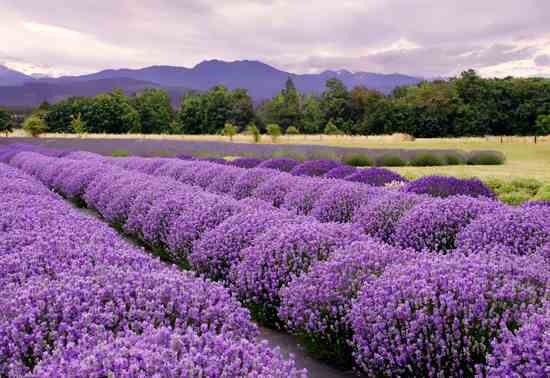
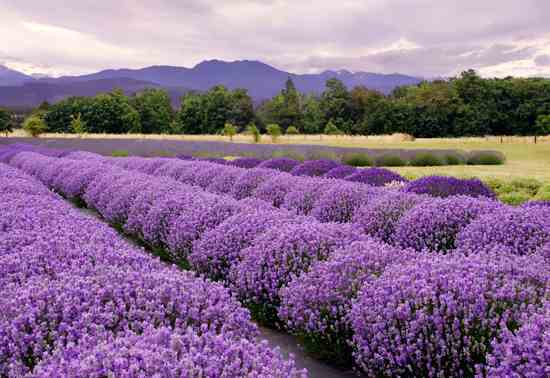
- Lavender (Medicinal/Tea, Moderate) - Valued for its fragrance and calming properties, lavender is used in aromatherapy, cosmetics, and culinary applications. Requires full sun and well-drained, slightly alkaline soil.
- Rosemary (Culinary/Medicinal, Moderate) - A woody perennial herb with a distinctive aroma. Used extensively in Mediterranean cuisine and traditional medicine. Prefers well-drained soil and full sun.
- Chamomile (Tea/Medicinal, Moderate) - Popular for its calming tea, chamomile requires consistent moisture and well-drained soil. German chamomile is commonly cultivated.
- Echinacea (Medicinal, Moderate) - A popular immune-boosting herb. Requires full sun and well-drained soil. Often grown for root and flower sales.
- Lemon Balm (Culinary/Tea, Easy) - A member of the mint family, lemon balm has a refreshing citrus scent and flavor. It's used in teas, salads, and as a natural insect repellent. Can be invasive, so manage carefully.
Land, Licenses, and Legalities
Starting a commercial herb business means carefully considering land, zoning, and legal rules. How much land you need depends on your scale and what you grow. Even a small operation likely needs a quarter acre, while larger farms might need several.
undefined Zoning regulations may restrict agricultural activities in certain areas, so it’s crucial to check with your local planning department.
Necessary licenses and permits include a general business license, a nursery license (if you’re selling plants), and potentially an organic certification (if you’re marketing your herbs as organic). The requirements vary by state and locality, so thorough research is essential. Selling herbal products with medicinal claims is subject to strict regulations. You need to be very careful about how you market your products and avoid making unsubstantiated health claims.
I strongly recommend consulting with a legal professional specializing in agricultural law to ensure you are fully compliant with all applicable regulations. Mislabeling products or making false claims can result in significant fines and legal repercussions. Protecting your business with appropriate insurance is also vital.
- Business License
- Nursery License (if applicable)
- Organic Certification (optional)
- Liability Insurance
Marketing Your Herb Business
Effective marketing is essential for reaching your target customers and building a successful herb business. A professional website is a must-have, serving as a central hub for information about your farm, products, and values. Social media platforms like Instagram and Facebook are powerful tools for showcasing your herbs and engaging with potential customers. High-quality photos and videos of your farm and products are crucial.
Farmers’ markets provide a direct-to-consumer sales channel and allow you to build relationships with your customers. Offer samples, share your knowledge about herbs, and create a visually appealing booth. Wholesale partnerships with local restaurants, health food stores, and herbalists can provide a steady stream of revenue. Focus on building strong relationships with your wholesale clients.
Email marketing is an effective way to stay in touch with your customers and promote new products or special offers. Build an email list through your website and social media channels. Storytelling is a powerful marketing technique. Share the story of your farm, your passion for herbs, and your commitment to sustainability.
Branding is also important. Develop a consistent brand identity that reflects your values and resonates with your target audience. Consider using sustainable packaging materials and highlighting the unique qualities of your herbs – such as organic certification, locally grown, or sustainably harvested. Word-of-mouth marketing is invaluable, so focus on providing excellent customer service and building a loyal customer base.
Scaling Up: From Garden to Growth
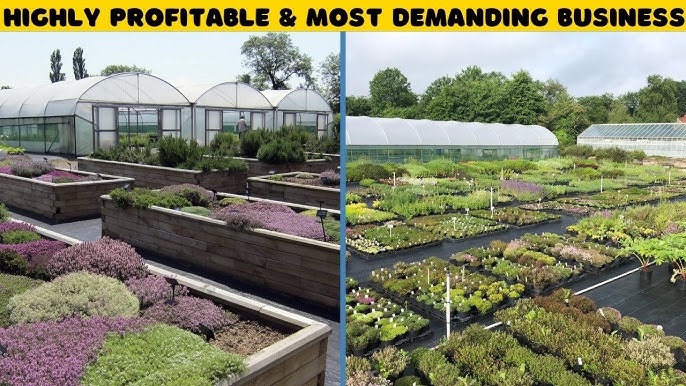
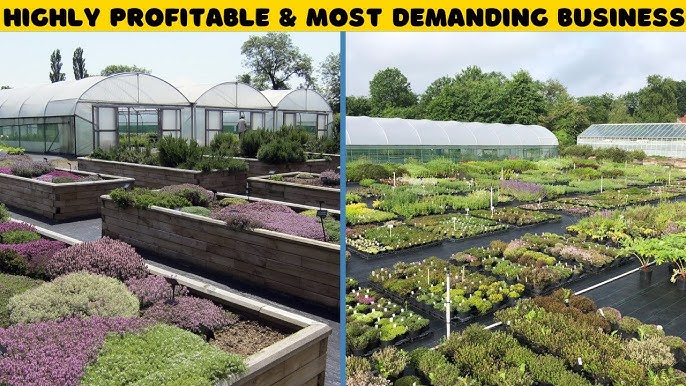
Scaling an herb business presents both challenges and opportunities. Expanding production requires careful planning and investment. Greenhouses and hoop houses can extend the growing season and protect crops from harsh weather. Field cultivation is more cost-effective for large-scale production, but requires more land and labor. The choice depends on your resources and goals.
Automating processes, such as planting, harvesting, and drying, can increase efficiency and reduce labor costs. However, automation requires significant upfront investment. Hiring employees is another option for scaling, but it also adds to your expenses and management responsibilities. Careful financial planning is essential to ensure you can afford to expand.
Inventory management is crucial for maintaining a consistent supply of herbs. Implement a system for tracking your inventory levels and forecasting demand. Supply chain logistics can be complex, especially if you’re shipping herbs to distant customers. Choose reliable shipping carriers and packaging materials. Reinvesting profits back into the business is essential for continued growth.
Don't underestimate the importance of financial planning. Track your income and expenses carefully. Develop a budget and stick to it. Consider seeking advice from a financial advisor. Building a successful herb business takes time, effort, and perseverance, but the rewards can be substantial.
Resources and Further Learning
Aspiring herb entrepreneurs have access to a wealth of resources. The American Herbalists Guild () is a professional organization that provides education, networking opportunities, and advocacy for herbalists. Mother Earth News () offers practical advice on gardening, homesteading, and sustainable living.
Chestnut School of Herbal Medicine () provides comprehensive herbal education, including online courses and workshops. Several online platforms, such as Udemy and Coursera, offer courses on herb cultivation, herbalism, and business management. Books on herb gardening, herbal medicine, and small business management can also be valuable resources.
Local agricultural extension offices can provide guidance on crop selection, pest management, and soil health. Connecting with other herb farmers can provide valuable insights and support. Networking with industry professionals can open doors to new opportunities. Don’t be afraid to ask for help and learn from others.
- American Herbalists Guild:
- Mother Earth News:
- Chestnut School of Herbal Medicine:
- Local Agricultural Extension Offices
No comments yet. Be the first to share your thoughts!