
Herb market snapshot: 2024-2026
Culinary and medicinal herb sales are climbing. People want food grown nearby and natural health options, while chefs are moving away from dried spices toward fresh harvests. It is a shift toward quality that shows no signs of slowing down through 2026.
According to data from New Crops & Organics at NC State Extension, the demand for specialty herbs is outpacing traditional commodity crops in many regional markets. This is particularly true for organically grown herbs. Consumers are willing to pay a premium for quality and sustainability. This shift presents a real opportunity for smaller-scale herb growers.
Currently, basil remains a top seller, closely followed by mint varieties, rosemary, and chives. However, there’s growing interest in more unusual herbs like lemon verbena, shiso, and Vietnamese coriander. This suggests a willingness among consumers to experiment with new flavors and ingredients. The next two years will likely see continued expansion in this specialty herb segment.
Selling at farmers markets
Farmers markets offer an accessible entry point for new herb businesses. The initial investment is relatively low, and you gain direct access to your customer base. This direct interaction allows for valuable feedback and the opportunity to build relationships. It’s a fantastic way to test new products and gauge market demand.
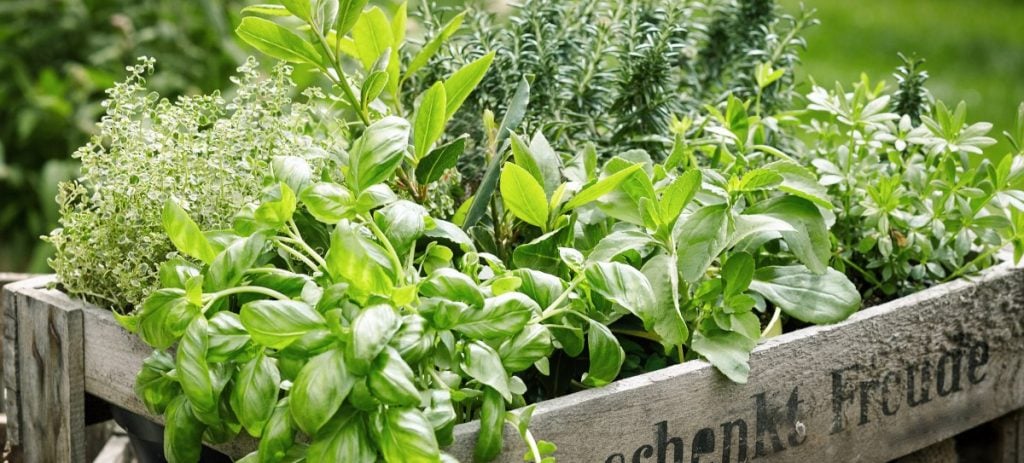
The work is heavy. You have to account for the hours spent hauling crates and standing behind a table. Market fees and neighboring competition can cut into your margins quickly. I use tiered wooden shelving to get the plants off the flat table and into the customer's line of sight.
Pricing at farmers markets is often based on what the market will bear. Be aware of competitor pricing, but don’t undervalue your product. Offering samples is a great way to encourage purchases. Demonstrations – like making a pesto with your fresh basil – can also attract customers. Be sure to research and comply with all local market regulations and permitting requirements, as these vary widely.
Demand for certain herbs will fluctuate seasonally. For example, basil will be in high demand during the summer months, while rosemary might be more popular in the fall and winter. Adjust your planting schedule accordingly to maximize sales throughout the growing season.
Wholesale to restaurants and grocers
Selling wholesale to restaurants and grocery stores can provide a consistent revenue stream, but it requires a different approach than farmers markets. Building relationships is key. Start by identifying restaurants and grocers in your area that prioritize local and high-quality ingredients.
Restaurants will typically require a consistent supply of herbs, so you need to be able to reliably meet their demands. Quality control is paramount – consistent appearance, freshness, and flavor are critical. Grocery stores will have similar expectations. Organic certification or Good Agricultural Practices (GAP) certification can be a significant advantage when approaching larger buyers.
Wholesale pricing will be lower per unit than at farmers markets, but you’ll be selling in larger volumes. Negotiate contracts that clearly outline pricing, delivery schedules, and payment terms. Payment terms can be 30, 60, or even 90 days, so be prepared to manage your cash flow. I’ve found that offering a small discount for consistent orders can incentivize long-term partnerships. A personal connection with a chef can be incredibly valuable.
Online Sales: Reaching a Wider Audience
Expanding online opens up opportunities beyond your local area. Platforms like Etsy, Shopify, and Local Harvest offer varying levels of control and reach. Etsy is a good starting point for beginners, while Shopify allows for more customization and branding. Local Harvest is specifically geared towards connecting consumers with local farms.
Shipping is the hardest part of the digital side. Fresh cuttings wilt in days, so you need insulated mailers and cold packs, which adds about $4 to $6 to every order. Dried blends are much more forgiving. While I haven't cracked the code on TikTok yet, Instagram's focus on photography makes it the best place to find buyers.
Search Engine Optimization (SEO) is crucial for driving traffic to your online store. Use relevant keywords in your product descriptions and website content. Social media marketing can also help you reach a wider audience. Be mindful of labeling requirements and food safety regulations. Shipping restrictions may also apply, particularly for certain herbs or across state lines.
Legal considerations are important. Ensure your website clearly states your shipping policies, return policies, and any disclaimers regarding the use of your herbs. Familiarize yourself with any food safety regulations that apply to your state or region. Consider obtaining liability insurance to protect your business.
- Choose the right platform (Etsy, Shopify, Local Harvest).
- Invest in high-quality packaging.
- Optimize your website for SEO.
- Utilize social media marketing.
- Comply with all legal and food safety regulations.
Value-added products
Increasing profit margins often means moving beyond simply selling bunches of fresh herbs. Value-added products like herb-infused oils, vinegars, salts, teas, and dried herb blends offer higher price points and appeal to a wider range of customers. Herbal skincare products – like lotions and balms – are another option, but require more specialized knowledge and equipment.
Creating value-added products comes with added regulations. You’ll need to comply with labeling requirements and food safety standards. Packaging is also crucial – it needs to be attractive, functional, and protect the product from spoilage. Shelf life is a key consideration. Properly dried herbs can last for months, while infused oils may have a shorter shelf life.
Pricing value-added products requires careful consideration of your costs – ingredients, packaging, labor, and marketing. Research competitor pricing to ensure you’re competitive. I’ve seen growers making a substantial income from herbal bath bombs and infused honeys. These products allow you to differentiate yourself and build a loyal customer base.
Top 5 Herbs for Profit in 2026
Based on current market trends and data from Johnny's Selected Seeds and NC State Extension, here are five herbs with strong profit potential in 2026. These selections prioritize both demand and relative ease of cultivation.
Basil: Remains a top performer, particularly Genovese basil. Demand is consistently high from both restaurants and home cooks. It's best suited for fresh sales, but dried basil also has a market. Expect a good return, especially if you can supply consistently.
Mint: Versatile and easy to grow, mint varieties (peppermint, spearmint, chocolate mint) are popular for teas, cocktails, and culinary uses. It’s well-suited for both fresh and dried sales, as well as value-added products like mint syrups. Be mindful of its invasive growth habit.
Chives: A perennial herb that’s easy to grow and maintain. Demand is steady from home gardeners and chefs. Chives are best sold fresh or dried. The lower initial investment makes it a good choice for beginners.
Rosemary: Popular for its aromatic flavor and medicinal properties. Demand is increasing, particularly for organic rosemary. It can be sold fresh, dried, or used in value-added products like infused oils. It requires well-drained soil and full sun.
Lavender: Highly sought after for its fragrance and calming properties. Demand is strong for both culinary and cosmetic uses. Lavender is suitable for fresh and dried sales, as well as value-added products like sachets and essential oils. It requires well-drained soil and full sun.
Herb Profitability & Sales Considerations - 2026 Projections
| Herb Species | Growing Difficulty | Market Demand | Potential Profit Margin | Best Sales Format | Key Growing Considerations |
|---|---|---|---|---|---|
| Basil | Easy | High | Medium-High | Fresh, Value-Added (Pesto, Infused Oils) | Susceptible to fungal diseases; requires well-drained soil and consistent moisture. |
| Mint | Easy | Medium | Medium | Fresh, Dried, Value-Added (Teas, Extracts) | Highly invasive; container growing is strongly recommended. Numerous varieties offer market diversification. |
| Rosemary | Medium | Medium | Medium-High | Fresh, Dried | Requires excellent drainage; sensitive to frost. Pruning encourages bushier growth. |
| Lavender | Medium | High | High | Dried, Value-Added (Soaps, Sachets) | Prefers full sun and well-drained, slightly alkaline soil. Requires careful harvesting for optimal oil content. |
| Chives | Easy | Medium | Low-Medium | Fresh | Cold hardy; prefers moist, fertile soil. Regular harvesting encourages growth. |
| Thyme | Medium | Medium | Medium | Fresh, Dried | Drought tolerant; prefers well-drained soil and full sun. Multiple varieties available. |
| Oregano | Easy | Medium | Medium-High | Fresh, Dried | Relatively pest and disease resistant; prefers full sun and well-drained soil. |
Illustrative comparison based on the article research brief. Verify current pricing, limits, and product details in the official docs before relying on it.

No comments yet. Be the first to share your thoughts!