
The herb business in 2026
The herb market is moving toward local sourcing. People want herbs for cooking and self-care more than they did five years ago. This demand is great for small growers, though you'll be competing with industrial farms and massive online retailers that can undercut your prices on bulk dried goods.
The $50,000 revenue goal is absolutely achievable, but it requires a dedicated effort and a realistic understanding of the timeline. It’s unlikely to happen overnight. For a solo operator starting small, a more reasonable timeframe is 3-5 years. Someone with existing gardening experience and a strong business acumen will have a faster trajectory. Expect to reinvest early profits into scaling your operation.
Regulations on labeling are tighter now than in 2023. If you make a medicinal claim on a bottle, expect the FDA or local health inspectors to check your wording. While supply chains are steadier, I've found that buyers in 2026 care more about your soil health and plastic-free packaging than they do about a 'certified organic' sticker.
This isn’t a "get rich quick’ scheme. It"s a business that requires hard work, horticultural knowledge, and a solid understanding of marketing and sales. It will demand long hours, especially during peak growing and harvesting seasons. There will be setbacks – crop failures, unexpected expenses, and marketing challenges. But for those willing to put in the effort, the rewards can be substantial, both financially and personally.
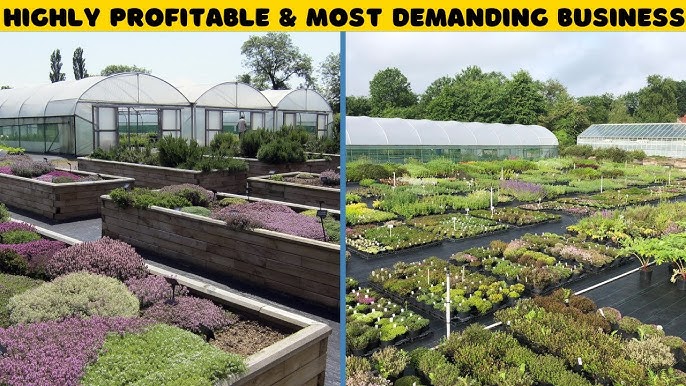
Five ways to start small
Starting with a single plant, as Chestnut School of Herbal Medicine suggests, is a great way to test the waters. But let's move beyond that initial step and look at five specific business models you can launch with a relatively small investment. Each has its own challenges and rewards, so consider your skills and interests carefully.
Dried Herb Tea Blends (online sales): This requires minimal upfront investment – primarily drying equipment and packaging materials. Startup costs can be around $500-$1,500. Profit margins are good, potentially 50-70%, but marketing is key. Time commitment: 10-20 hours per week. You'll need to build a website or use a platform like Etsy.
Herb-Infused Honey (farmers markets): A popular and relatively easy product to make. Startup costs include honey sourcing, jars, and labeling – around $300-$800. Profit margins are typically 40-60%. Time commitment: 5-15 hours per week, plus farmers market time. Success depends on finding a consistent honey supply and attractive packaging.
Starter Herb Kits (Etsy): This appeals to the growing number of people interested in home gardening. Startup costs are moderate – seeds, pots, soil, and packaging – around $400-$1,000. Profit margins can be 30-50%. Time commitment: 8-15 hours per week. Excellent photography is essential for Etsy success.
Medicinal Herb Salves (local craft fairs): This requires more knowledge of herbal medicine and safe extraction techniques. Startup costs include ingredients, containers, and labeling – around $600-$1,200. Profit margins are generally 60-80%. Time commitment: 10-20 hours per week. Compliance with cosmetic regulations is crucial.
Herb Garden Consultation (local services): If you have a green thumb and a knack for design, you can offer garden planning and consultation services. Startup costs are minimal – primarily marketing materials and travel expenses – around $200-$500. Profit margins can be very high, 70-90%, but it relies on building a local reputation. Time commitment: Variable, depending on client demand.
Herb Business Ideas Comparison - Projected for 2026
| Business Idea | Startup Cost | Time Commitment (hours/week) | Profit Margin | Skill Level | Market Reach |
|---|---|---|---|---|---|
| Fresh Herb Sales (Farmers Markets/Local Restaurants) | Low | 10-20 | 20-30% | Beginner | Local |
| Dried Herb & Tea Blends | Medium | 15-25 | 25-40% | Intermediate | Regional |
| Herb Starts/Seedlings | Medium | 20-30 | 30-45% | Intermediate | Local/Regional |
| Value-Added Products (Salves, Tinctures) | Medium to High | 20-40 | 30-50% | Intermediate to Advanced | Regional/National (online) |
| Herb Workshops & Classes | Low to Medium | 5-15 (plus class time) | 40-60% | Intermediate | Local/Regional |
| Custom Herb Garden Design & Installation | High | 25-40 | 35-55% | Advanced | Local/Regional |
Illustrative comparison based on the article research brief. Verify current pricing, limits, and product details in the official docs before relying on it.
What herbs actually sell?
Choosing the right herbs to grow is critical to profitability. Don’t just grow what you like; grow what people buy. While popular culinary herbs like basil, mint, and rosemary have consistent demand, the market is often saturated. Competition drives down prices.
Medicinal herbs often command higher prices, but require more specialized knowledge and careful quality control. Lemon balm is consistently popular for its calming properties and is relatively easy to grow. Calendula is in demand for skincare products and has a long growing season. Skullcap is a niche herb with a strong following among herbalists, but requires specific growing conditions.
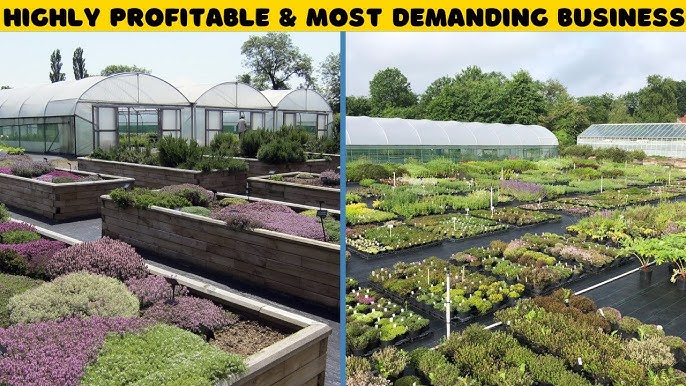
Growing methods impact both yield and cost. Raised beds offer better drainage and soil control, but require more initial investment. Containers are ideal for small spaces and allow for easy relocation, but require frequent watering. Hydroponics can significantly increase yields, but has a high upfront cost and requires technical expertise. Organic certification can increase market value, but involves annual fees and rigorous inspections – it's not always worth the cost for a small operation.
Consider the growing season in your region. Herbs like lavender and chamomile thrive in sunny, dry climates, while others prefer cooler, more humid conditions. Diversifying your crop selection can help mitigate risks associated with weather fluctuations and pest infestations. I’ve seen successful businesses focusing on a limited number of high-value herbs, rather than trying to grow everything.
- Basil: High demand, but competitive market.
- Mint: Easy to grow, but can be invasive.
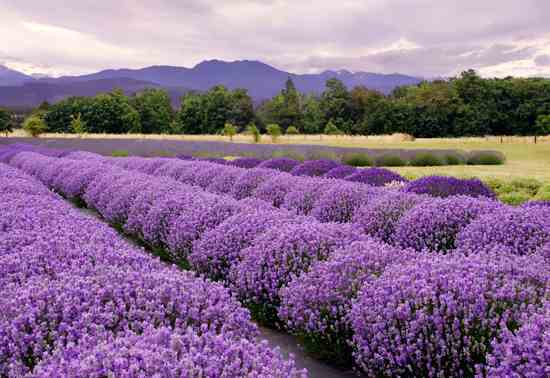
- Lavender: Popular for aromatherapy, requires well-drained soil.
- Lemon Balm: Consistent demand, relatively easy to grow.
- Calendula: In demand for skincare, long growing season.
- Skullcap: Niche market, requires specific growing conditions.
High-Potential Herbs
- Basil - A culinary staple, basil is consistently in demand. It's relatively easy to grow, preferring warm weather and well-drained soil. Multiple varieties (Genovese, Thai, Lemon) offer market diversity.
- Lavender - Popular for aromatherapy, cosmetics, and culinary uses. Lavender thrives in full sun and well-drained, slightly alkaline soil. Dried lavender buds and essential oils are high-value products.
- Mint - Known for its refreshing flavor and medicinal properties. Mint is vigorous and can be grown in containers to control spread. Peppermint and spearmint are popular varieties.
- Rosemary - A fragrant herb used in cooking and for its purported health benefits. Rosemary prefers full sun and well-drained soil; it's relatively drought-tolerant. It can be sold fresh or dried.
- Chives - A mild onion-flavored herb, easy to grow from seed or division. Chives prefer full sun to partial shade and moist soil. They are a popular garnish and ingredient.
- Chamomile - Increasingly popular for its calming tea. German chamomile is the most common variety grown for tea. It prefers full sun and well-drained soil.
- Thyme - A versatile herb used in many cuisines. Thyme thrives in full sun and well-drained soil. Numerous varieties exist, offering different flavors and growth habits.
Licenses and finding space
The legal requirements for growing and selling herbs vary significantly by state and even by county. You’ll likely need a business license and potentially a nursery license, depending on the scale of your operation. Check with your state’s Department of Agriculture for specific regulations. Always verify this information with official sources as laws change.
Zoning laws can restrict agricultural activities in residential areas. A home-based business may be feasible if you have sufficient land and comply with local ordinances. You'll also need to consider insurance – general liability insurance is essential to protect yourself from potential lawsuits. Costs for licenses and insurance can range from $100 to $1,000 per year.
The cost of land, water, and equipment can be substantial. Starting small and leasing land is a viable option. Water rights can be a significant expense in some areas. Essential equipment includes gardening tools, drying racks, packaging materials, and potentially a small greenhouse. A realistic budget for startup costs should be between $2,000 and $10,000, depending on your chosen business model and scale.
Don’t underestimate the importance of record-keeping. Track your expenses, income, and inventory meticulously. This will be essential for tax purposes and for making informed business decisions. Consider using accounting software to simplify the process.
- Business License
- Nursery License (potentially)
- General Liability Insurance
- Compliance with labeling regulations
Scaling to $50K: Pricing and Efficiency
To hit $50,000, you have to stop pricing like a hobbyist. I've seen growers fail because they match grocery store prices while having ten times the labor costs. Charge a premium for the fact that your herbs were harvested 24 hours ago, not six months ago.
To calculate your breakeven point, determine your fixed costs (rent, insurance, etc.) and your variable costs (seeds, packaging, etc.). Then, calculate your profit margin per unit. To reach $50,000 in revenue, you’ll need to sell a sufficient volume of herbs at a profitable price. A detailed cost accounting system is essential.
Automation can significantly increase efficiency. Consider investing in irrigation systems, automated drying racks, and efficient packaging equipment. Streamlining your order fulfillment process can also save time and money. Inventory management is crucial – avoid overstocking or running out of popular items.
Let’s say you’re selling dried herb blends at $15 per ounce. To reach $50,000 in revenue, you’d need to sell approximately 3,333 ounces. That’s a significant volume, so you’ll need to scale your production accordingly. This might involve expanding your growing space, hiring help, or outsourcing certain tasks. Regularly analyze your sales data to identify your best-selling products and focus your efforts on those.
What's your biggest marketing challenge as a small herb business?
Vote below!
Resources and Next Steps
Starting an herb business is a rewarding but challenging endeavor. Fortunately, there are many resources available to help you succeed. The Chestnut School of Herbal Medicine () offers excellent online courses and resources for aspiring herbal entrepreneurs.
Mother Earth News () provides practical advice on organic gardening and homesteading. Local agricultural extension offices can offer valuable information on growing conditions and regulations in your area.
Consider joining herbal organizations and networking with other herb growers. This can provide valuable support, mentorship, and opportunities for collaboration. Continuing education is essential – stay up-to-date on the latest research and best practices in herbal cultivation and marketing.
- Chestnut School of Herbal Medicine: They provide specific curriculum on the legalities of selling tinctures.
- Mother Earth News:
- Local Agricultural Extension Offices
- Herbal Organizations (American Herbalists Guild)
No comments yet. Be the first to share your thoughts!