
The business of herb gardening
Local herb demand is rising as people move away from grocery store plastic clamshells. Small-scale farming works here because buyers want freshness they can't get from industrial suppliers. If you're willing to manage the labor, there is a clear gap in the market for culinary and medicinal varieties grown nearby.
Don't get me wrong, it’s not a get-rich-quick scheme. Growing herbs for profit takes dedication, planning, and a good understanding of the market. But the potential for a good income is definitely there, especially if you focus on high-demand varieties and smart marketing. This guide is designed to give you a practical, evidence-backed overview of what it takes to get started and grow a successful herb business.
Success depends on picking the right varieties for your climate and finding the right buyers before the first harvest. Here is the breakdown of what is actually selling and the costs to get there.
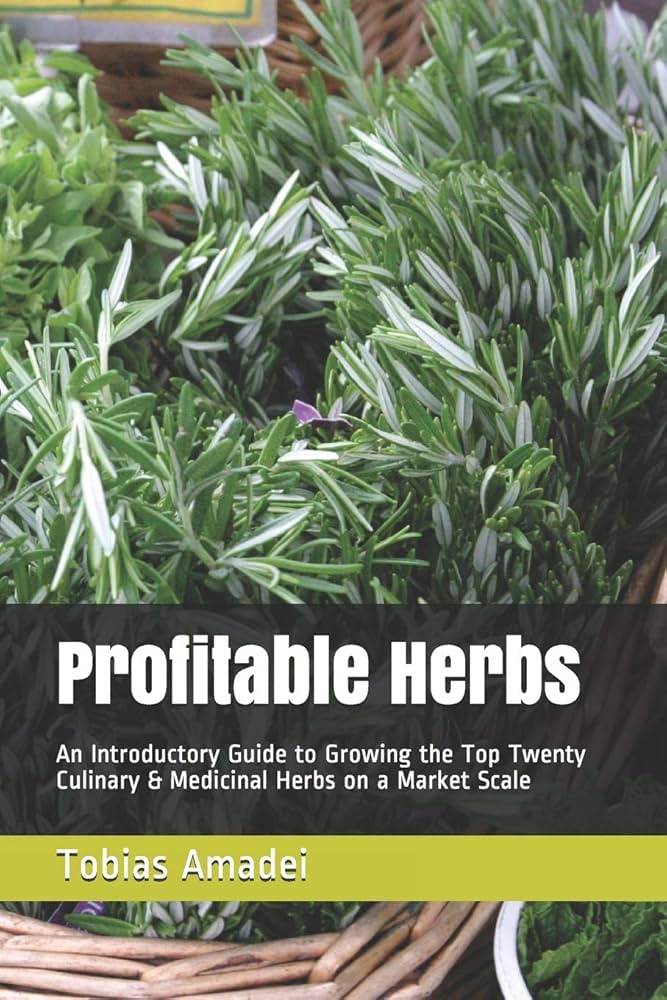
Top 15 herbs for profit in 2026
Okay, let’s get down to brass tacks: what herbs are actually going to bring in the money? According to data from NC State Extension and Johnny’s Selected Seeds, a few consistently outperform the others. It’s not always about the most popular herb, but about the balance between demand, yield, and market price. I’m looking at projections for 2026, factoring in current trends and anticipated growth in specific markets.
It’s tricky to give exact ROI figures, as prices fluctuate and yields depend heavily on your growing conditions. But I’ll give you estimates based on per-acre yields and current wholesale prices where available. Growing difficulty is rated on a scale of easy, medium, or hard, based on typical challenges for beginners. We’ll also look at primary uses and potential market channels for each herb.
Here’s the breakdown, starting with the highest potential ROI (keep in mind these are estimates and can vary significantly):
- Saffron (Crocus sativus): ROI: $30,000 - $80,000/acre. This is the most expensive spice by weight because you have to harvest the stigmas by hand. It is back-breaking work, but the market in high-end restaurants is massive.
- Ginseng (Panax quinquefolius): ROI: $20,000 - $50,000+/acre. Difficulty: Hard. Uses: Medicinal. Markets: Herbal supplement companies, Asian markets, direct sales. Why it’s profitable: High demand for medicinal properties, slow growth means limited supply.
- Lavender (Lavandula angustifolia): ROI: $8,000 - $20,000/acre. Difficulty: Medium. Uses: Crafts, aromatherapy, culinary. Markets: Farmers' markets, online sales, wholesale to soap/candle makers. Why it’s profitable: Versatile, strong consumer appeal, relatively easy to process.
- Basil (Ocimum basilicum) - Specialty varieties (Lemon, Thai, Purple): ROI: $5,000 - $15,000/acre. Difficulty: Easy. Uses: Culinary. Markets: Restaurants, farmers' markets, grocery stores. Why it’s profitable: High demand, quick turnover, multiple varieties offer premium pricing.
- Cilantro/Coriander (Coriandrum sativum): ROI: $4,000 - $12,000/acre. Difficulty: Easy. Uses: Culinary. Markets: Restaurants, farmers' markets, grocery stores. Why it’s profitable: Fast-growing, consistent demand, both leaves and seeds are marketable.
- Chives (Allium schoenoprasum): ROI: $3,000 - $10,000/acre. Difficulty: Easy. Uses: Culinary. Markets: Farmers' markets, restaurants. Why it’s profitable: Perennial, minimal maintenance, consistent demand.
- Oregano (Origanum vulgare): ROI: $3,000 - $9,000/acre. Difficulty: Easy. Uses: Culinary, medicinal. Markets: Restaurants, health food stores, direct sales. Why it’s profitable: Versatile, easy to grow, strong flavor profile.
- Thyme (Thymus vulgaris): ROI: $2,500 - $8,000/acre. Difficulty: Easy. Uses: Culinary, medicinal. Markets: Restaurants, health food stores, direct sales. Why it’s profitable: Perennial, drought-tolerant, consistent demand.
- Rosemary (Rosmarinus officinalis): ROI: $2,500 - $7,000/acre. Difficulty: Medium. Uses: Culinary, aromatherapy. Markets: Restaurants, farmers' markets, craft fairs. Why it’s profitable: Perennial, fragrant, versatile.
- Mint (Mentha species) - Peppermint and Spearmint: ROI: $2,000 - $6,000/acre. Difficulty: Easy (but invasive!). Uses: Culinary, aromatherapy, teas. Markets: Tea companies, farmers' markets, direct sales. Why it’s profitable: Fast-growing, high yield, multiple uses.
- Chamomile (Matricaria chamomilla): ROI: $2,000 - $5,000/acre. Difficulty: Medium. Uses: Medicinal (tea). Markets: Tea companies, health food stores, direct sales. Why it’s profitable: Growing demand for calming teas.
- Dill (Anethum graveolens): ROI: $1,500 - $4,000/acre. Difficulty: Easy. Uses: Culinary. Markets: Farmers' markets, pickling companies. Why it’s profitable: Fast-growing, popular for pickling.
- Parsley (Petroselinum crispum): ROI: $1,500 - $3,500/acre. Difficulty: Easy. Uses: Culinary. Markets: Grocery stores, restaurants. Why it’s profitable: Staple herb, consistent demand.
- Sage (Salvia officinalis): ROI: $1,000 - $3,000/acre. Difficulty: Easy. Uses: Culinary, medicinal. Markets: Farmers' markets, health food stores. Why it’s profitable: Perennial, drought-tolerant, unique flavor.
- Lemon Balm (Melissa officinalis): ROI: $1,000 - $2,500/acre. Difficulty: Easy (can be invasive). Uses: Medicinal (tea). Markets: Tea companies, health food stores. Why it’s profitable: Easy to grow, calming properties.
Top 15 Most Profitable Herbs to Grow for Market in 2026: ROI Analysis & Growing Tips
| Herb Name | Estimated ROI (per acre, 2026) | Growing Difficulty | Primary Uses | Market Channels |
|---|---|---|---|---|
| Saffron (Crocus sativus) | Very High 💰 | Hard | Culinary (spice), Medicinal | Direct to consumer, Specialty food stores, Pharmaceutical companies |
| Ginseng (Panax quinquefolius) | High 📈 | Hard | Medicinal, Dietary Supplement | Wholesale to supplement manufacturers, Herbalists, Export markets |
| Lavender (Lavandula angustifolia) | High 🌸 | Medium | Aromatherapy, Cosmetics, Culinary | Farmers Markets, Online retail, Bulk to essential oil distillers |
| Basil (Ocimum basilicum) - Specialty varieties | Medium-High 🌱 | Easy | Culinary (gourmet varieties like Thai, Lemon) | Restaurants, Farmers Markets, Specialty grocery stores |
| Cilantro/Coriander (Coriandrum sativum) | Medium 🌿 | Easy | Culinary (leaves & seeds) | Farmers Markets, Grocery stores, Food processors |
| Chives (Allium schoenoprasum) | Medium 🧅 | Easy | Culinary (garnish, flavoring) | Farmers Markets, Local restaurants, Specialty food producers |
| Oregano (Origanum vulgare) | Medium 🍕 | Easy | Culinary (Italian, Mediterranean cuisine) | Grocery stores, Foodservice, Dried herb market |
| Thyme (Thymus vulgaris) | Medium 🍵 | Easy | Culinary, Medicinal (antiseptic) | Grocery stores, Herbal product manufacturers, Culinary applications |
| Rosemary (Rosmarinus officinalis) | Medium 🍋 | Medium | Culinary, Aromatherapy, Medicinal | Farmers Markets, Grocery stores, Cosmetic companies |
| Mint (Mentha species) - Peppermint and spearmint | Medium 🍃 | Easy | Culinary, Tea, Aromatherapy | Tea companies, Food & Beverage industry, Essential oil distillers |
Illustrative comparison based on the article research brief. Verify current pricing, limits, and product details in the official docs before relying on it.
Soil and setup essentials
Before you even think about seeds, you need to understand your soil. Most herbs prefer well-drained soil with a pH between 6.0 and 7.0. Amending your soil with compost is almost always a good idea, improving drainage and adding essential nutrients. A soil test is an excellent investment to understand your starting point and what amendments are needed.
You’ve got a few options for growing: raised beds, containers, or in-ground. Raised beds offer excellent drainage and soil control, making them ideal for many herbs. Containers are great for smaller spaces and allow you to move plants around to optimize sunlight. In-ground growing is the most economical, but requires more soil preparation. Hydroponics and aquaponics are options for some herbs – basil and mint do well in these systems – but they require a significant upfront investment and technical expertise.
Sunlight is critical. Most herbs need at least six hours of direct sunlight per day. Water deeply but infrequently, allowing the soil to dry out slightly between waterings. Organic growing practices are gaining popularity, and can command a premium price, but require careful management of pests and diseases. Conventional methods are often cheaper, but may limit your marketing options. Choosing between the two is a business decision.
Essential Equipment: Starting Costs
Let’s talk money. Startup costs can vary wildly depending on the scale of your operation. A small-scale home garden operation could be started for as little as $500 - $1,000, covering seeds, soil, containers, and basic hand tools. A more ambitious commercial venture, with a greenhouse and irrigation system, could easily cost $5,000 - $20,000 or more.
Here’s a breakdown of potential costs:
Seeds/Starts: $100 - $500 (depending on variety and quantity). Soil: $200 - $1,000 (depending on volume and quality). Containers/Beds: $300 - $2,000. Irrigation System: $100 - $1,000. Hand Tools: $50 - $200. Greenhouse/Hoop House (optional): $1,000 - $10,000+.
- Seeds/Starts: Johnny’s Selected Seeds () is a reliable source.
- Soil: Local garden centers or bulk landscape suppliers.
- Containers: Many options available online and at garden stores.
- Irrigation: Drip irrigation is efficient and cost-effective.
Essential Tools for Your Profitable Herb Garden

Sharp, rust-resistant steel blade · Bypass cutting action for clean cuts · Ergonomic handle for comfortable grip
These shears make harvesting your profitable herbs a breeze, ensuring clean cuts for better market presentation.
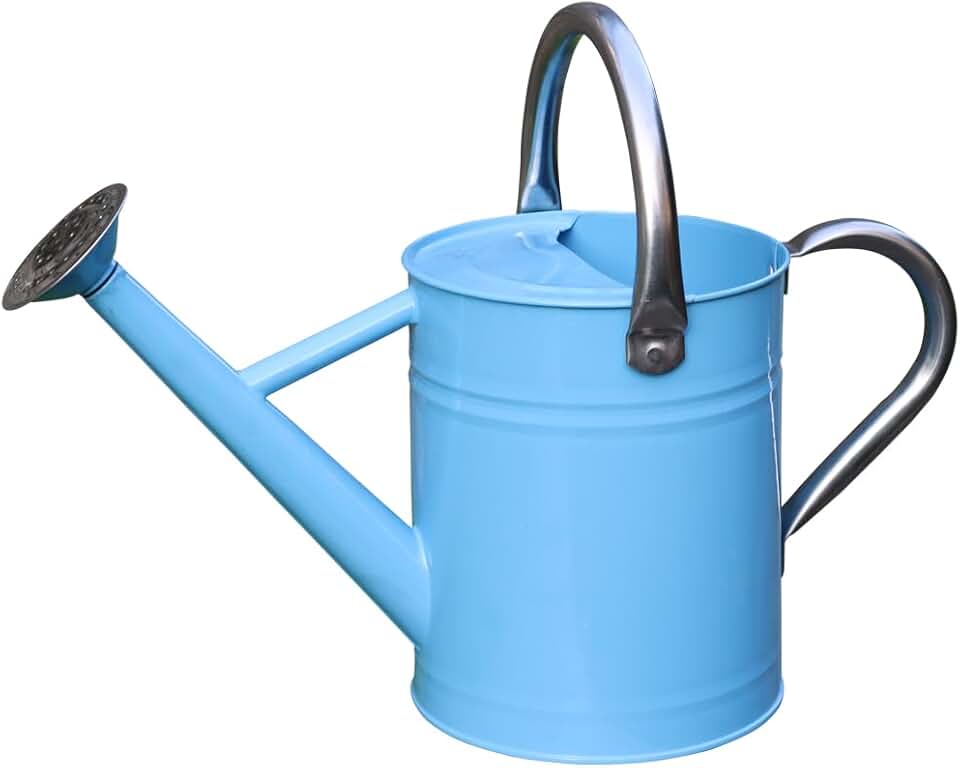
Durable stainless steel construction · One-gallon capacity · Comfortable stainless steel handle
Keep your valuable herb plants perfectly hydrated with this sturdy and stylish watering can.

Long probe for deep soil readings · Measures moisture levels accurately · No batteries required
Avoid over or under-watering your high-value herbs by getting precise soil moisture readings with this handy meter.

192 individual cells for starting seeds · Adjustable humidity vents · Clear dome for optimal light penetration
Get your profitable herb seeds off to a strong start with this comprehensive seed starter tray kit.

Sturdy eucalyptus wood frame · Durable PE cover for weather protection · Portable and compact design
Protect your young, high-profit herb starts from frost and harsh weather with this convenient mini greenhouse.
As an Amazon Associate I earn from qualifying purchases. Prices may vary.
Marketing Your Herb Harvest
Growing the herbs is only half the battle; you need to actually sell them. Direct-to-consumer options like farmers' markets and roadside stands are great for building relationships with customers and getting immediate feedback. CSAs (Community Supported Agriculture) can provide a steady income stream, but require consistent production and delivery.
Wholesale opportunities exist with restaurants, health food stores, and apothecaries. Building relationships with chefs and store managers is key. Online sales are also an option, through platforms like Etsy or Shopify, or by creating your own website. However, online sales require more marketing effort and shipping logistics.
Branding and packaging are crucial. Make your herbs stand out with attractive packaging and a clear brand message. Consider organic certification if you’re growing organically. Don’t forget to check your local regulations regarding permits and licenses for selling agricultural products.
Value-Added Products: Beyond Fresh Herbs
Don’t limit yourself to just selling fresh herbs. Dried herbs, herb blends, herbal teas, infused oils, and herbal vinegars can significantly increase your profit margins. Soaps, lotions, and salves made with herbs are also popular, but require more specialized knowledge and equipment.
Selling products with medicinal claims is heavily regulated. Be careful about making any health claims that haven’t been approved by the FDA. Proper labeling is essential, including a complete list of ingredients and any potential allergens. Research local regulations regarding cosmetic and food product sales.
Creating value-added products allows you to reach a wider market and extend the shelf life of your harvest. It also positions you as a producer of high-quality, handcrafted goods.
No comments yet. Be the first to share your thoughts!