
Herb Business Potential: 2026 Outlook
The demand for herbs is steadily increasing, driven by a confluence of factors. Consumers are increasingly interested in locally sourced, organic produce, and natural wellness solutions. This trend extends beyond the kitchen, with a growing appreciation for herbal remedies and aromatherapy. We’re also seeing a surge in home gardening, as people seek greater control over their food sources and a connection to nature.
This isn't just anecdotal; market analysis supports this growth. According to information from New Crops & Organics at NC State Extension, the demand for specialty crops like herbs consistently outpaces conventional produce. People are willing to pay a premium for high-quality, unique herbs. This creates a significant opportunity for small and medium-sized herb farms. The rise in DIY beauty and health products also contributes, as many consumers are opting to create their own herbal infusions, tinctures, and skincare items.
This article will explore the 15 most profitable herbs to grow for business in 2026, based on current market trends and potential for growth. We'll consider factors like demand, profit margins, and growing difficulty. The data informing these selections is sourced from resources like NC State Extension, Texas State University’s research on herbal cultivation, and industry reports from Johnny’s Selected Seeds. It's a good time to be considering a venture into herb farming.
The Top 15 Herbs for Profit
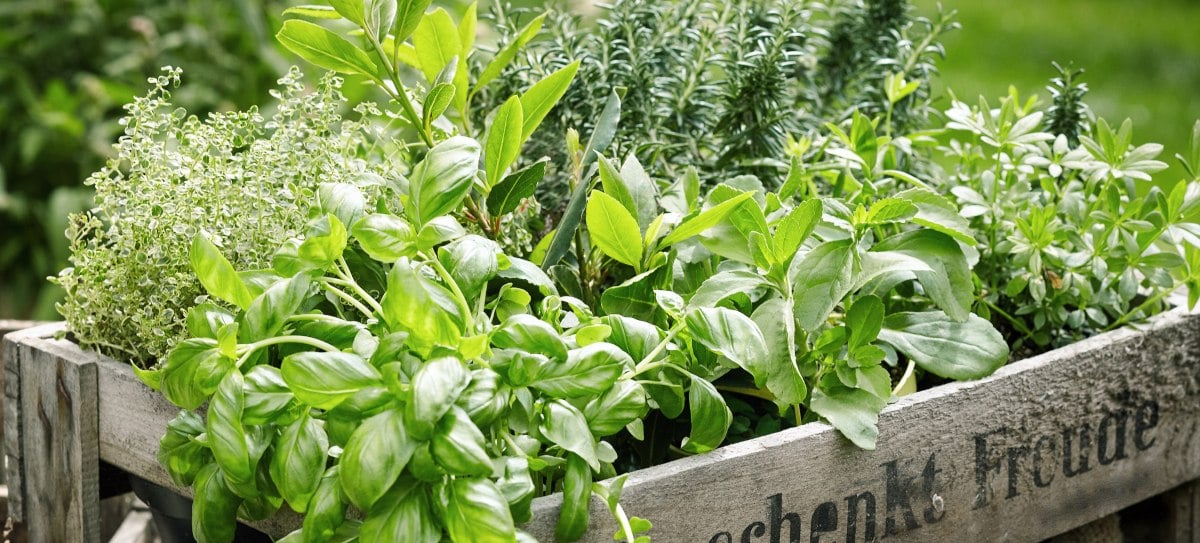
Determining which herbs are most profitable requires considering several factors, including market demand, ease of cultivation, and potential uses. Here’s a breakdown of 15 herbs with strong potential for business success in 2026, ranked with a focus on overall profitability.
1. Saffron (Crocus sativus): The most expensive spice in the world, saffron boasts incredibly high profit margins. Demand consistently exceeds supply, making it a lucrative, though labor-intensive, crop. Growing difficulty is challenging due to specific climate requirements and hand-harvesting. Startup costs are moderate, primarily for bulbs. Potential uses are culinary and medicinal.
2. Ginseng (Panax ginseng): Highly valued in traditional medicine, ginseng commands a strong price. Demand is driven by health and wellness trends. Growing difficulty is challenging, requiring several years to mature. Startup costs are relatively high due to the time investment. Potential uses are medicinal and dietary supplements.
3. Lavender (Lavandula angustifolia): Lavender’s popularity in aromatherapy, cosmetics, and culinary applications guarantees consistent demand. It’s relatively easy to grow and can be processed into various products. Startup costs are low, primarily for plants and essential oil extraction equipment (if applicable).
4. Basil (Ocimum basilicum): A culinary staple, basil enjoys widespread demand. Multiple varieties (Genovese, Thai, lemon) offer market diversification. It’s easy to grow and has a quick turnaround time. Startup costs are minimal, mostly for seeds and containers.
5. Cilantro/Coriander (Coriandrum sativum): Both the leaves (cilantro) and seeds (coriander) are valuable. Demand is consistently high, though it can be seasonal. Growing difficulty is moderate, prone to bolting in hot weather. Startup costs are low.
6. Chives (Allium schoenoprasum): A versatile culinary herb, chives are easy to grow and maintain. Demand is steady, driven by their use in various dishes. Startup costs are minimal, typically from seeds or division.
7. Oregano (Origanum vulgare): Another culinary staple, oregano is used in countless cuisines. It’s relatively easy to grow and dries well for long-term storage. Startup costs are low.
8. Thyme (Thymus vulgaris): Similar to oregano, thyme is a popular culinary herb with a consistent demand. It’s drought-tolerant and easy to grow. Startup costs are minimal.
9. Rosemary (Rosmarinus officinalis): A fragrant herb used in cooking and aromatherapy, rosemary is relatively easy to grow in warmer climates. Demand is steady. Startup costs are low.
10. Mint (Mentha species): Mint is incredibly versatile, used in teas, cocktails, desserts, and more. It’s easy to grow but can be invasive, requiring careful containment. Startup costs are minimal.
11. Chamomile (Matricaria chamomilla): Popular for its calming properties, chamomile is used in teas and cosmetics. It’s relatively easy to grow. Startup costs are low.
12. Lemon Balm (Melissa officinalis): A member of the mint family, lemon balm is used for its calming and antiviral properties. It’s easy to grow but can be invasive. Startup costs are minimal.
13. Sage (Salvia officinalis): A savory herb used in cooking and traditional medicine, sage is relatively easy to grow. Demand is steady. Startup costs are low.
14. Stevia (Stevia rebaudiana): A natural sweetener, stevia is gaining popularity as a healthy alternative to sugar. Growing difficulty is moderate, requiring specific conditions. Startup costs are moderate.
15. Lemon Verbena (Aloysia citrodora): With a strong lemon scent, this herb is popular in teas and perfumes. It’s moderately easy to grow but may require protection from frost. Startup costs are low.
Growing Methods: Maximizing Yield
Choosing the right growing method is crucial for maximizing yield and profitability. Traditional field growing is the most common approach, but it requires significant land and labor. Raised beds offer improved drainage and soil control, making them ideal for smaller operations. Hydroponics and vertical farming represent more intensive options, offering higher yields per square foot but also requiring a larger initial investment.
Hydroponics, while expensive to set up, can significantly reduce water usage and eliminate soil-borne diseases. Vertical farming takes this a step further, maximizing space utilization in urban environments. Even with traditional field growing, implementing techniques like companion planting and crop rotation can improve soil health and pest control. The NC State Extension provides excellent resources on best practices for herb cultivation, regardless of the chosen method.
Optimizing soil health is paramount. Regular soil testing and amendment with compost or organic fertilizers are essential. Integrated pest management (IPM) strategies, focusing on prevention and biological control, can minimize the need for chemical pesticides. Small-scale operations can benefit greatly from these techniques, increasing yield and reducing costs.
Essential Equipment: Startup Costs
Startup costs vary significantly depending on the scale of operation and the chosen growing method. Initial investments include seeds or starts, soil, containers (if using), and potentially a greenhouse or hoop house. Ongoing expenses include fertilizers, pest control products, packaging materials, and irrigation systems.
A small backyard garden operation might require an initial investment of $500-$1,000, primarily for seeds, soil amendments, and basic tools. A larger commercial plot could easily exceed $10,000, factoring in land preparation, irrigation, and potentially a greenhouse. Hydroponic systems can add significantly to the upfront cost, ranging from $2,000 to $10,000 or more, depending on the size and complexity.
Sourcing equipment can be done through local suppliers, offering personalized service and support, or through online retailers, often providing lower prices. Consider purchasing used equipment to reduce costs, especially for items like tillers and irrigation pumps. Carefully budgeting and prioritizing essential equipment is key to staying within budget.
Essential Tools for Growing Profitable Herbs

Swiss-made precision bypass blade for clean cuts · Durable aluminum body built to last · Replaceable parts for long-term use
These professional-grade pruning shears ensure precise cuts, promoting healthy herb growth and maximizing your harvest.

Accurately measures soil pH, acidity, and nutrients · Quick and easy to use for gardens, vegetables, and flowers · USA designed and assembled for reliable results
Understanding your soil's needs is crucial for profitable herb cultivation, and this kit provides the essential insights.

Full spectrum LED light with white and red LEDs · 5-level dimmable with auto on/off timer (4, 8, 12 hours) · Clip-on design for easy placement
This versatile grow light provides optimal conditions for indoor herb growth, ensuring healthy plants year-round.

UL & MET-certified for safety · Digital thermostat for precise temperature control · Promotes rapid germination and seedling growth
This heat mat and thermostat combo creates the ideal environment for germinating herb seeds, giving your business a strong start.
As an Amazon Associate I earn from qualifying purchases. Prices may vary.
Marketing & Sales Channels
Successfully selling your herbs requires a strategic marketing and sales approach. Farmers markets are a great way to connect directly with consumers and build brand recognition. Direct-to-consumer sales, through an online store or Community Supported Agriculture (CSA) program, offer higher profit margins but require more marketing effort.
Wholesale to restaurants and health food stores provides a consistent outlet for larger volumes of herbs. Building relationships with local chefs and store managers is crucial. Selling to herbal product manufacturers, such as tea companies or aromatherapy businesses, can provide a stable, long-term revenue stream. Packaging and labeling play a vital role in attracting customers; professional-looking packaging conveys quality and freshness.
An online presence is essential for reaching a wider audience. A well-designed website and active social media accounts can showcase your products and build a loyal following. Emphasize the unique qualities of your herbs – organic certification, local sourcing, or rare varieties – to differentiate yourself from the competition. Building strong relationships with local businesses can open doors to new opportunities.
Regulations & Licensing
Running an herb farming business requires compliance with local regulations. Check with your local zoning authorities to ensure that herb farming is permitted in your area. You may need to obtain a business license or permit, depending on your location and the scale of your operation.
Food safety regulations are particularly important if you plan to sell your herbs for human consumption. Organic certification, while not always required, can add value to your products and attract health-conscious consumers. Resources like the USDA National Organic Program provide detailed information on certification requirements. I am not a legal professional and this is not legal advice; it’s essential to consult with local authorities and legal counsel to ensure full compliance.
Standout Herbs: Deeper Dive
While all 15 herbs offer potential, some stand out due to unique market opportunities. Ashwagandha (Withania somnifera) is an adaptogenic herb gaining significant traction in the wellness industry. Demand is driven by its purported stress-reducing and immune-boosting properties. Growing Ashwagandha requires a long growing season and well-drained soil, but the high market price makes it a worthwhile investment.
Shiso (Perilla frutescens), also known as Japanese basil, is a culinary herb increasingly popular in Asian cuisine. It offers a unique flavor profile and is relatively easy to grow. Marketing Shiso to restaurants specializing in Asian cuisine can be a highly effective strategy. Lemon Verbena is another herb with growing appeal, particularly for its fragrant leaves used in teas and perfumes. Its distinctive lemon scent makes it a valuable ingredient in aromatherapy products.
Focusing on niche markets and value-added products can further enhance profitability. For example, creating herbal tea blends or infused oils can command a higher price point than selling raw herbs. Staying informed about emerging trends and adapting your offerings accordingly is crucial for long-term success.
No comments yet. Be the first to share your thoughts!