
The herb market through 2026
The herb market is on track to hit $87.5 billion by 2026, according to Mordor Intelligence. People are moving past just using dried basil for pasta; they want fresh ingredients for aromatherapy and supplements. This shift is driving prices up across the board.
A significant factor fueling this expansion is the shift towards locally sourced and organic products. Consumers are increasingly willing to pay a premium for herbs grown using sustainable practices, and they want to know where their ingredients come from. This trend creates opportunities for smaller-scale herb farms to compete with larger commercial operations. However, it also requires a commitment to transparency and quality.
Recent supply chain disruptions have highlighted the fragility of global food systems, leading to price volatility for many agricultural products, including herbs. This has emphasized the importance of regional production and diversifying supply sources. For herb growers, this translates into a potential advantage – a reliable, local supply can command a higher price, especially during periods of scarcity. Focusing on high-value herbs is more important than ever to mitigate risk and maximize profitability.
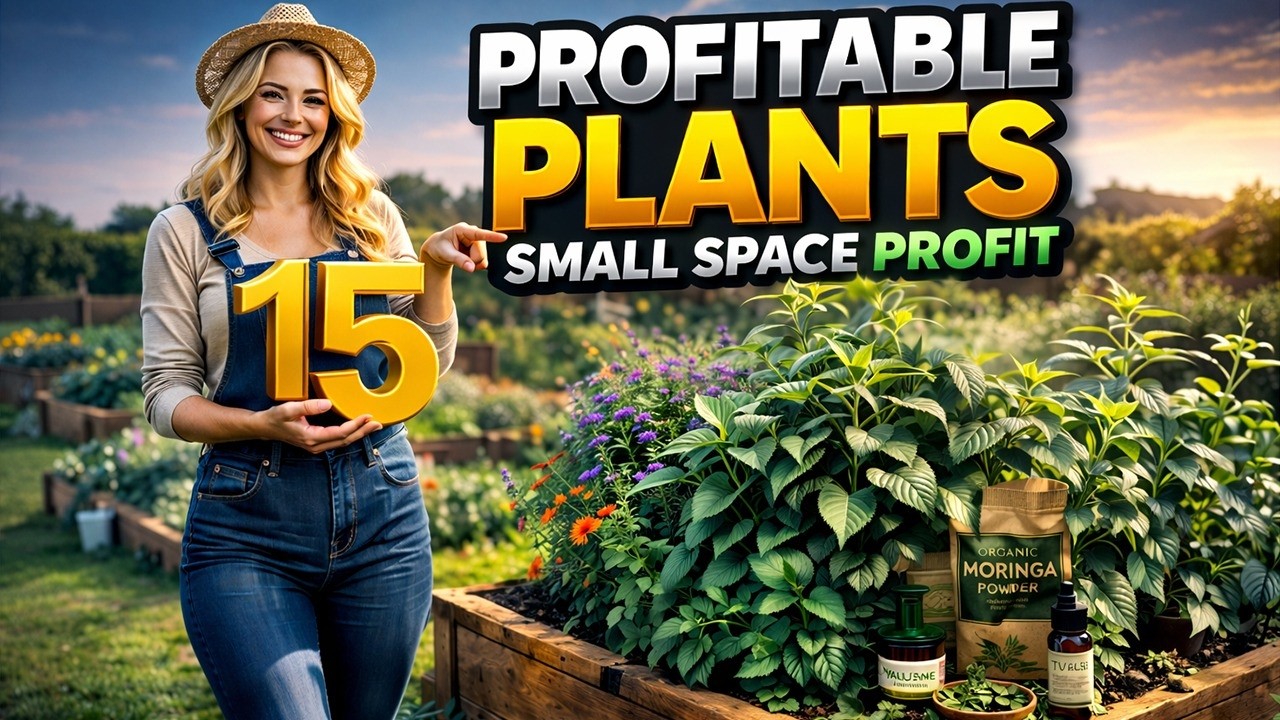
15 herbs with the best profit potential
Determining the 'most profitable' herbs requires balancing several factors: market demand, yield potential, growing costs, and the level of expertise required. The following ranking is based on a combination of data from newcropsorganics.ces.ncsu.edu, Johnny’s Selected Seeds, and industry reports. Profitability scores are estimates, calculated as (market price – growing costs) / square foot. These are subject to variation based on location, efficiency, and market conditions.
1. Saffron (Crocus sativus): Profitability Score: $35/sq ft. Saffron, the world’s most expensive spice, yields approximately 0.2-0.5 grams of dried stigmas per flower. Market price is around $5,000 - $10,000 per pound. Growing costs are high due to the labor-intensive harvesting process. Used primarily as a culinary spice and in traditional medicine.
2. Ginseng (Panax quinquefolius): Profitability Score: $28/sq ft. American Ginseng requires 3-5 years to mature, but mature roots can fetch $800 - $1,500 per pound. Growing costs are moderate, but require careful attention to soil conditions and pest control. Highly valued in traditional Chinese medicine.
3. Lavender (Lavandula angustifolia): Profitability Score: $15/sq ft. Lavender yields approximately 1-2 pounds of dried flowers per plant. Market price ranges from $20 - $40 per pound. Relatively easy to grow and has a wide range of applications in aromatherapy, cosmetics, and culinary arts.
4. Chives (Allium schoenoprasum): Profitability Score: $12/sq ft. A perennial herb yielding multiple harvests per year, chives provide a consistent income stream. Market price is around $10-$20 per pound. Widely used as a garnish and flavoring agent.
5. Basil (Ocimum basilicum): Profitability Score: $10/sq ft. Basil is a fast-growing herb with high demand, particularly for sweet basil varieties. Market price is $8-$15 per pound. Essential in Italian cuisine and increasingly popular in Southeast Asian dishes.
6. Cilantro/Coriander (Coriandrum sativum): Profitability Score: $9/sq ft. Both the leaves (cilantro) and seeds (coriander) are valuable. Market price for cilantro is $5-$10 per pound, while coriander seeds fetch $3-$6 per pound. Popular in Mexican, Indian, and Asian cuisines.
7. Oregano (Origanum vulgare): Profitability Score: $8/sq ft. A hardy perennial herb with strong flavor. Market price is around $6-$12 per pound. A staple in Mediterranean and Mexican cooking.
8. Thyme (Thymus vulgaris): Profitability Score: $7/sq ft. Another versatile perennial herb. Market price is $5-$10 per pound. Used in a variety of cuisines, from French to Middle Eastern.
9. Rosemary (Rosmarinus officinalis): Profitability Score: $7/sq ft. A fragrant evergreen herb. Market price is $5-$10 per pound. Popular in Mediterranean cuisine and used in aromatherapy.
10. Mint (Mentha species): Profitability Score: $6/sq ft. Mint is incredibly productive, but requires careful containment to prevent spreading. Market price is $4-$8 per pound. Used in teas, desserts, and cocktails.
11. Lemon Balm (Melissa officinalis): Profitability Score: $5/sq ft. A calming herb with a lemon scent. Market price is $4-$7 per pound. Used in teas, aromatherapy, and herbal remedies.
12. Chamomile (Matricaria chamomilla): Profitability Score: $5/sq ft. Known for its relaxing properties. Market price is $4-$7 per pound. Commonly used in teas and cosmetics.
13. Sage (Salvia officinalis): Profitability Score: $4/sq ft. A savory herb with a distinctive flavor. Market price is $3-$6 per pound. Used in poultry seasoning and other savory dishes.
14. Parsley (Petroselinum crispum): Profitability Score: $4/sq ft. A widely used culinary herb. Market price is $3-$6 per pound. Used as a garnish and flavoring agent.
15. Stevia (Stevia rebaudiana): Profitability Score: $4/sq ft. A natural sweetener. Market price for dried leaves is $5-$8 per pound. Growing stevia requires specific climate conditions and processing techniques.
Top 15 Most Profitable Herbs to Grow for Maximum ROI in 2026: Projected Performance
| Herb Name | Market Price/lb | Yield/sq ft | Estimated Growing Cost/sq ft | Profitability Score | Primary Use |
|---|---|---|---|---|---|
| Saffron (Crocus sativus) | ~$5,000 - $10,000+ | Very Low (0.5-1 oz dried/sq ft) | High ($5 - $10+) | High | Aromatherapy/Culinary |
| Ginseng (Panax quinquefolius) | $50 - $100+ | Low (0.1-0.5 lbs dried/sq ft) | High ($3 - $7+) | High | Medicinal |
| Lavender (Lavandula angustifolia) | $8 - $20 | Moderate (0.5-1 lb dried/sq ft) | Low - Moderate ($1 - $3) | Medium | Aromatherapy/Culinary |
| Rosemary (Rosmarinus officinalis) | $4 - $8 | Moderate (0.5-1.5 lbs fresh/sq ft) | Low ($0.50 - $1.50) | Medium | Culinary/Aromatherapy |
| Basil (Ocimum basilicum) | $3 - $7 | High (1-2 lbs fresh/sq ft) | Low - Moderate ($0.50 - $2) | Medium | Culinary |
| Thyme (Thymus vulgaris) | $6 - $12 | Moderate (0.75-1.5 lbs fresh/sq ft) | Low ($0.30 - $1) | Medium | Culinary/Aromatherapy |
| Oregano (Origanum vulgare) | $5 - $10 | Moderate (0.5-1.25 lbs fresh/sq ft) | Low ($0.40 - $1.20) | Medium | Culinary |
| Mint (Mentha species) | $2 - $5 | Very High (1.5-3 lbs fresh/sq ft) | Very Low ($0.20 - $0.80) | Low | Culinary/Aromatherapy |
| Chives (Allium schoenoprasum) | $3 - $6 | High (0.5-1.5 lbs fresh/sq ft) | Very Low ($0.10 - $0.50) | Low | Culinary |
| Cilantro/Coriander (Coriandrum sativum) | $2 - $4 | Moderate (0.75-1.5 lbs fresh/sq ft) | Low ($0.30 - $1) | Low | Culinary |
Illustrative comparison based on the article research brief. Verify current pricing, limits, and product details in the official docs before relying on it.
Getting the cultivation right
Successful herb cultivation requires more than just planting seeds. Understanding optimal growing conditions is crucial. Most herbs prefer well-drained soil with a pH between 6.0 and 7.0. Full sun (at least six hours per day) is generally ideal, although some herbs, like mint and parsley, can tolerate partial shade. Consistent moisture is important, but overwatering can lead to root rot.
Propagation methods vary depending on the herb. Some, like basil and cilantro, are easily started from seeds. Others, like lavender and rosemary, are best propagated from cuttings or division. Organic pest and disease management is essential, especially if you’re targeting the organic market. Companion planting, beneficial insects, and organic pesticides can help control pests and diseases. Resources from NC State Extension on Good Agricultural Practices (GAPs) for medicinal herbs are invaluable for ensuring product safety and quality.
Harvesting at the right time is critical for maximizing flavor and potency. For leafy herbs, harvest before flowering. For seed herbs, harvest when the seeds are mature. Proper drying and storage are also important for preserving the quality of your herbs. Air drying is a common method, but a dehydrator can speed up the process. Store dried herbs in airtight containers in a cool, dark place.
Scaling Up: Equipment & Infrastructure
Scaling up herb production requires investment in appropriate equipment and infrastructure. For small-scale operations, a basic setup might include hand tools, watering cans, and drying racks. As you expand, you’ll need to consider more sophisticated systems. Irrigation systems, such as drip irrigation, can significantly reduce water usage and labor costs. Costs range from $100 for a simple soaker hose system to $1,000+ for a fully automated drip irrigation setup.
Greenhouses or hoop houses extend the growing season and provide protection from the elements. A basic hoop house can be constructed for around $500-$2,000, while a fully equipped greenhouse can cost $5,000 or more. Harvesting tools, such as pruning shears and knives, are essential for efficient harvesting. Drying racks can be built from wood or purchased for $50-$200. Proper storage containers, such as airtight jars and bags, are crucial for preserving herb quality.
Automation can help reduce labor costs and improve efficiency. Automated seeders, transplanters, and harvesters are available, but they can be expensive. Consider the long-term cost savings when evaluating automation options. The initial investment may be substantial, but it can pay off in the long run.
Essential Tools for Maximizing Your Herb Garden's Profitability
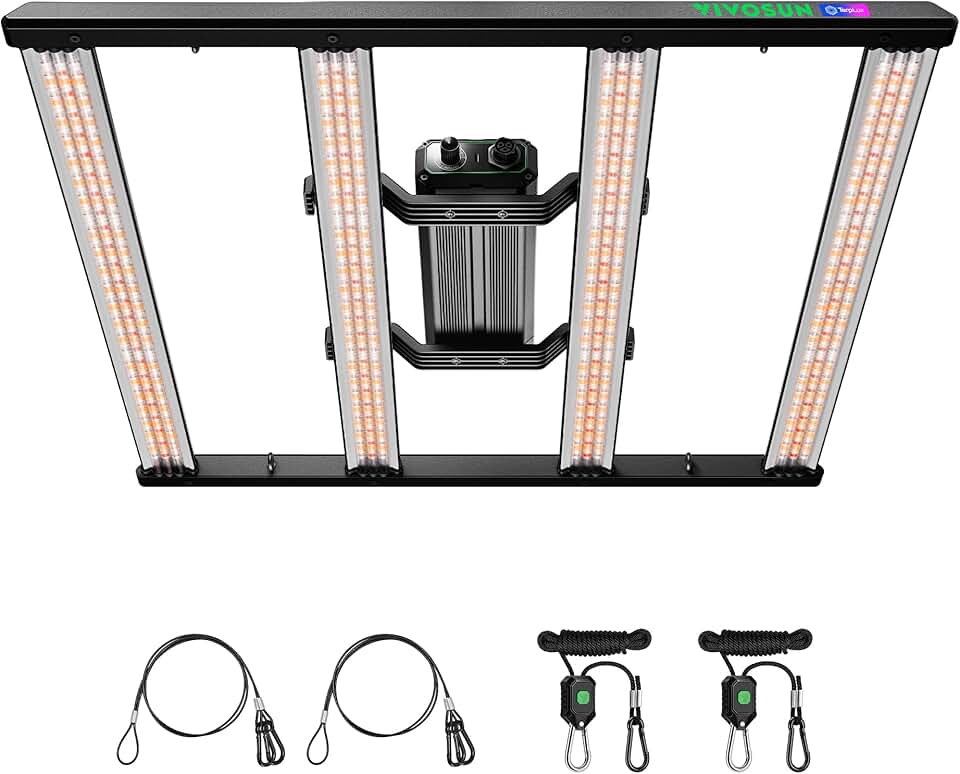
320W full spectrum LED for robust plant growth · Deep canopy penetration for even light distribution · Smart dimmable controls and GrowHub compatibility
This advanced LED grow light provides the optimal spectrum and intensity required for cultivating high-value herbs indoors, ensuring vigorous growth and maximizing yield potential.

Durable 304 stainless steel probe for accurate readings · Virgin ABS construction for longevity · Instant read hygrometer for immediate soil moisture assessment
Accurate soil moisture monitoring is critical for preventing over or under-watering, ensuring your herbs receive the precise hydration needed for peak health and profitability.

Precision bypass blade for clean cuts · Ergonomic aluminum body for comfort and durability · Swiss-made quality with replaceable parts for extended use
These professional-grade pruning shears allow for precise cuts, essential for maintaining plant health, encouraging bushier growth, and harvesting herbs efficiently for market.
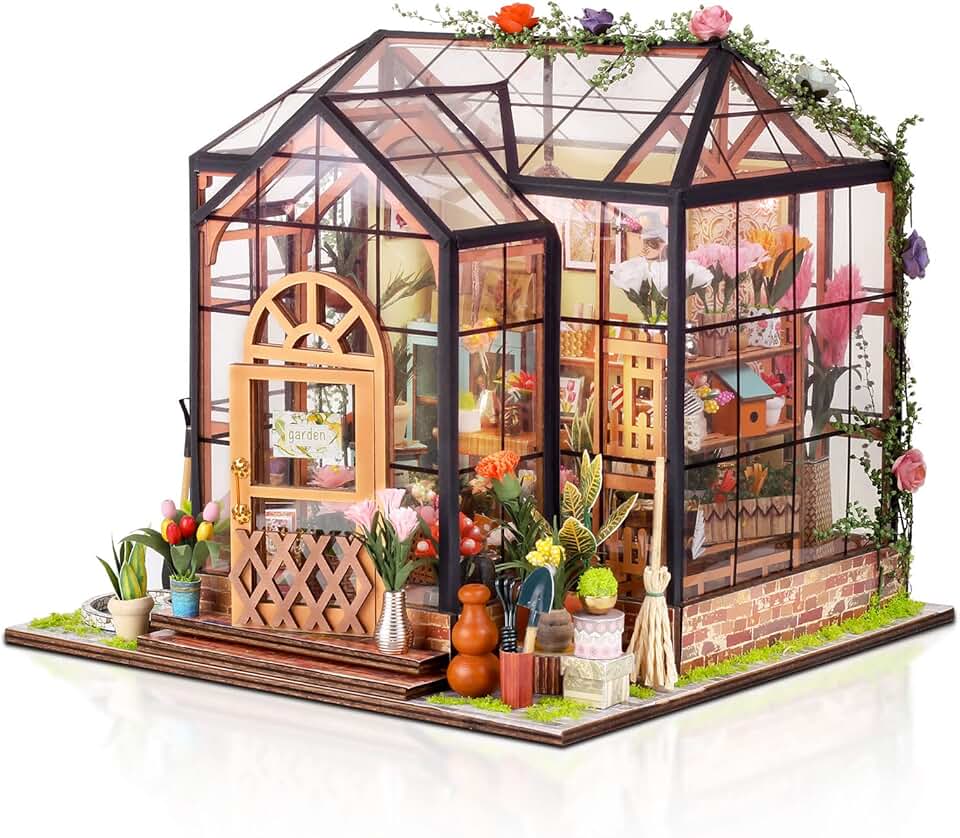
1:24 scale miniature greenhouse flower shop model · Includes detailed furniture and accessories · DIY assembly for a hands-on crafting experience
While not directly for cultivation, this miniature greenhouse kit serves as an inspiring and educational tool, offering a tangible representation of a thriving herb business and sparking creative ideas for your own venture.

4-in-1 functionality: soil moisture, temperature, pH, and sunlight intensity · Backlight LCD display for easy reading · Versatile for gardening, farming, and outdoor plants
This comprehensive soil meter provides essential data points for plant health, allowing you to fine-tune environmental conditions and optimize growth for maximum herb quality and market value.
As an Amazon Associate I earn from qualifying purchases. Prices may vary.
Marketing & Sales Channels
Successfully selling your herbs requires a well-defined marketing strategy. Farmers markets are a great way to connect directly with consumers and build brand awareness. Direct-to-consumer sales, through an online store or Community Supported Agriculture (CSA) program, can offer higher profit margins. However, these options require more marketing effort.
Wholesale to restaurants and health food stores can provide a consistent outlet for your herbs. Build relationships with local chefs and herbalists to secure ongoing orders. Consider offering unique or hard-to-find herbs to differentiate yourself from competitors. Packaging and branding are crucial for attracting wholesale customers. Professional-looking labels and attractive packaging can increase perceived value.
Selling to herb processors, such as companies that produce teas, essential oils, or herbal supplements, can provide a large-volume outlet for your herbs. However, you’ll likely receive a lower price per pound than selling directly to consumers. Regardless of your chosen sales channel, focus on building a strong brand reputation for quality and sustainability.
Rules and regulations
Growing and selling herbs, especially medicinal herbs, is subject to various legal and regulatory requirements. Complying with local zoning laws is essential. Some municipalities may restrict agricultural activities in certain areas. Food safety regulations, such as those enforced by the FDA, apply to herbs sold for culinary use. These regulations cover aspects like growing practices, harvesting, processing, and labeling.
If you start claiming your herbs cure ailments, the FDA will have questions. You'll need to follow Good Manufacturing Practices (GMPs) for anything sold as medicinal. It is best to talk to a lawyer before printing labels that promise health benefits.
No comments yet. Be the first to share your thoughts!