
The reality of starting an herb farm
Starting an herb farm isn't all idyllic fields and quiet mornings. It is a business that takes real money and physical labor. You need land first—whether you rent or buy—and you have to deal with zoning laws that are often more annoying than you'd expect.
The demand for herbal products is growing, as highlighted by research from the University of Idaho (Parker Clark, Arnold, & Barney, ongoing), driven by increasing consumer interest in natural health and wellness. This presents opportunities, but also increased competition. Don’t underestimate the physical demands either. Herb farming involves a lot of manual labor – planting, weeding, harvesting, drying, and packaging. Be prepared to work long hours, especially during peak season.
This isn’t a get-rich-quick scheme. Success requires meticulous planning, consistent effort, and a willingness to adapt. Many aspiring herb farmers underestimate the marketing and sales aspects. Simply growing high-quality herbs isn't enough; you need a clear strategy for reaching your target customers. I’ve seen too many farms with beautiful crops struggle because they lacked a viable sales channel.
You can start small with a few hundred dollars, but making a living at this requires real capital. I've seen people burn through savings because they didn't budget for irrigation or packaging. It is a serious job, not a hobby.
Picking your niche
The biggest mistake new herb farmers make is growing what they like instead of what people will buy. Thorough market research is the foundation of any successful herb business. Start by identifying potential niches. Culinary herbs – basil, oregano, thyme – are always in demand, but the market can be competitive. Medicinal herbs, like echinacea, chamomile, and St. John’s Wort, offer higher profit margins but come with increased regulatory scrutiny.
Specialty herbs for crafts, aromatherapy, or even dyeing fabrics can also be lucrative, provided you find a dedicated customer base. Research local demand by visiting farmers markets, talking to restaurant chefs, and surveying health food stores. Are there any gaps in the market? Are customers asking for herbs that aren’t currently available? Identifying these unmet needs is a great starting point. I’ve consistently found that farmers who specialize in a few high-demand herbs are more successful than those who try to grow everything.
Don't neglect competitive analysis. Who else is selling herbs in your area? What are their prices? What is their quality like? How can you differentiate yourself? Consider offering unique varieties, organic certification, or value-added products like herbal teas or infused oils. Understanding your competition is essential for developing a winning marketing strategy. Ignoring this step is a recipe for failure.
Consider the seasonality of demand. Some herbs are more popular during certain times of the year. Plan your planting schedule accordingly and explore options for preserving your harvest – drying, freezing, or making herbal products – to ensure a consistent supply throughout the year. Really dig into what people are willing to pay. A beautiful crop isn't valuable if you can't sell it for a profit.
- Culinary herbs like basil, oregano, and rosemary are easy to sell but have lower margins.
- Medicinal Herbs: Echinacea, chamomile, St. John’s Wort
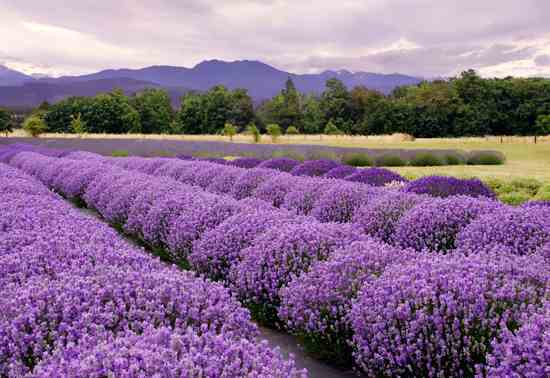
- Specialty Herbs: Lavender, lemon balm, calendula
Land, Infrastructure, & Cultivation
Land requirements vary depending on your chosen herbs and scale of operation. Most herbs prefer well-drained soil with plenty of sunlight. A soil test is essential to determine pH levels and nutrient deficiencies. Acreage isn’t always the most important factor; efficient use of space is key. Start small – a quarter acre or even less – and scale up as demand grows. I've always advocated for intensive planting techniques to maximize yields.
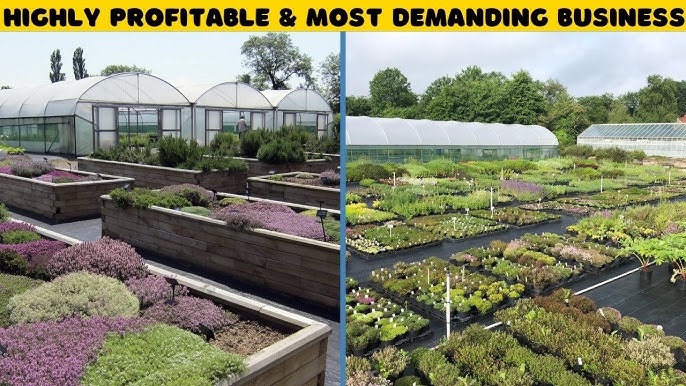
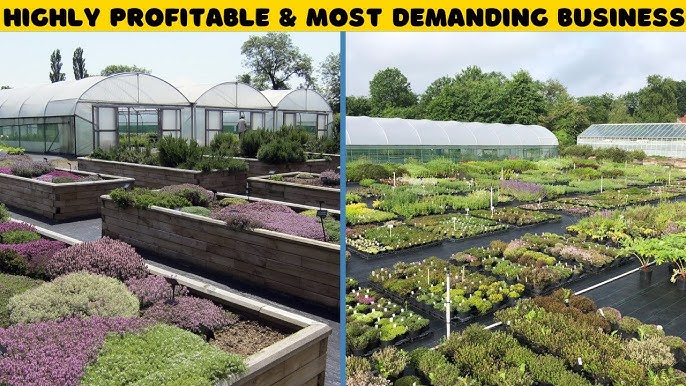
Infrastructure needs include a reliable water source, irrigation system, greenhouse or high tunnel (for starting seedlings and extending the growing season), drying racks, and storage space. A dedicated workspace for processing and packaging herbs is also essential. Organic certification is a significant selling point for many customers, so research the requirements and consider pursuing certification if it aligns with your values. It’s a process, but often worth the investment.
Sustainable cultivation practices are crucial for both environmental and economic reasons. Prioritize soil health through composting, cover cropping, and crop rotation. Implement integrated pest management (IPM) strategies to minimize the use of pesticides. Preventative measures – such as selecting disease-resistant varieties and ensuring good air circulation – are often more effective than reactive treatments. Pest and disease management can make or break a harvest.
Consider the labor involved in harvesting and processing. Some herbs are easily harvested by hand, while others may require specialized equipment. Factor labor costs into your financial projections. A well-organized farm layout can significantly improve efficiency. Think about the flow of materials – from planting to harvesting to processing to storage – and design your farm accordingly. Remember, efficiency leads to higher profits.
- Get a soil test to check pH and nutrients before you plant a single seed.
- Irrigation: Essential for consistent moisture.
- Greenhouse/High Tunnel: Extend the growing season.
- Drying Racks: Preserve your harvest.
Herb Cultivation Method Comparison - 2026
| Initial Investment | Ongoing Maintenance | Potential Yield | Pest & Disease Management | Resource Requirements | Organic Certification |
|---|---|---|---|---|---|
| Open Field | Lower | Moderate, weather dependent | Higher risk, requires diligent monitoring | Significant land area, moderate labor | Generally easier to achieve |
| Greenhouse | Moderate to High | Better for consistent yield | Reduced risk, controlled environment | Moderate land, higher energy input | Achievable with careful management |
| Hydroponics | High | Highest potential yield per square foot | Lower risk, sterile environment | Minimal land, high technical expertise & energy | More challenging, requires approved inputs |
| Vertical Farming (Hydroponic) | Very High | Extremely High yield per square foot | Lowest risk, fully controlled environment | Minimal land, very high energy & technical expertise | Most challenging, input scrutiny |
| Open Field (Raised Beds) | Moderate | Improved drainage & soil control | Moderate risk, localized pest issues | Moderate land, moderate labor | Easier than conventional field |
Qualitative comparison based on the article research brief. Confirm current product details in the official docs before making implementation choices.
Financial Projections & Funding
Let's talk about the numbers. A realistic business plan with detailed financial projections is non-negotiable. Startup costs include seeds, seedlings, equipment (tools, irrigation, drying racks), soil amendments, and potentially land rental or purchase. Operating expenses include water, fertilizer, labor, packaging materials, marketing costs, and insurance. Accurately estimating these costs is vital.
Revenue projections should be based on your chosen niche, expected yields, and realistic pricing. Research market prices for your herbs and consider your production costs when setting your prices. Don’t underestimate the importance of accurately forecasting demand. NCSU’s New Crops & Organics resource emphasizes the need for a comprehensive profit plan and farm enterprise budget. I've seen too many farms fail because they underestimated their expenses or overestimated their revenue.
Funding options include small business loans from banks or credit unions, grants from government agencies or private foundations, and crowdfunding platforms like Kickstarter or Indiegogo. A well-written business plan is essential for securing funding. Be prepared to present your financial projections and demonstrate the viability of your business. Investors want to see a clear path to profitability.
Develop a detailed cash flow statement to track your income and expenses. This will help you identify potential financial challenges and make informed decisions. Regularly review your financial projections and adjust them as needed. Consider using accounting software to simplify your bookkeeping. Don't be afraid to seek advice from a financial advisor or accountant. Financial discipline is the cornerstone of a successful herb farm.
Rules and red tape
This is an area where many new herb farmers stumble. Business licensing requirements vary by state and locality. Check with your local government to determine what licenses and permits you need to operate legally. Zoning regulations may restrict agricultural activities in certain areas. Ensure your farm complies with all applicable zoning laws. Ignoring these regulations can result in fines or even business closure.
Food safety standards are also critical, especially if you’re selling herbs for culinary use. Follow Good Agricultural Practices (GAPs) to minimize the risk of contamination. If you’re growing medicinal herbs, the regulatory landscape is even more complex. The FDA regulates dietary supplements, and you may need to comply with Good Manufacturing Practices (GMPs).
Understanding state and federal regulations regarding pesticide use is also essential. Organic certification requires adherence to strict standards for pesticide use. Always read and follow the label instructions for any pesticides you use. Keep accurate records of all pesticide applications.
Talk to a lawyer who knows agricultural law. I can't give legal advice, and local rules change too fast for a guide to cover everything. Paying for a consultation now is better than getting shut down by the county later.
Marketing & Sales Strategies
Growing exceptional herbs is only half the battle; effectively selling them is equally important. Farmers markets are a great way to connect with customers directly and build brand awareness. However, they can be time-consuming and require a significant investment in booth setup and transportation. An online store, powered by platforms like Shopify or Etsy, allows you to reach a wider audience but requires strong digital marketing skills.
Wholesale to restaurants and health food stores can provide a steady stream of revenue, but margins are typically lower. Direct-to-consumer subscriptions – offering weekly or monthly deliveries of fresh herbs – can generate recurring income and build customer loyalty. Building relationships with local chefs and herbalists is incredibly valuable. Offer them samples of your herbs and solicit their feedback.
Branding and packaging are crucial for creating a professional image. Invest in attractive packaging that protects your herbs and communicates your brand values. Social media marketing is essential, but it needs to be targeted and consistent. Focus on creating engaging content that showcases your farm, your herbs, and your passion for sustainable agriculture. I’ve found Instagram and Facebook to be particularly effective platforms.
Consider offering value-added products – herbal teas, tinctures, infused oils, or dried herb blends – to increase your profit margins. Host workshops or farm tours to educate customers about your herbs and your growing practices. Word-of-mouth marketing is still one of the most powerful tools. Provide excellent customer service and encourage your customers to spread the word.
No comments yet. Be the first to share your thoughts!