
Herb Business Potential: 2026 Outlook
Demand for herbs is growing, fueled by interest in natural health, flavorful food, and sustainable living. This includes culinary uses, traditional medicine, and crafts like herbal teas, aromatherapy, and natural dyes. Projections for 2026 show continued growth, especially as consumers favor locally sourced products.
This is a genuine market opportunity, not just a hobby. Data from NC State Extension's New Crops & Organics shows the medicinal herb market grows by double digits annually. This favors new herb farming ventures, but success requires a focused business approach centered on market needs and profitability.
Starting an herb business in 2026 demands careful planning and quality commitment. The trend is shifting from large-scale industrial production to smaller, sustainable farms offering freshness and unique varieties. To succeed, entrepreneurs must prioritize profitability by selecting the right crops and using efficient growing and marketing strategies.
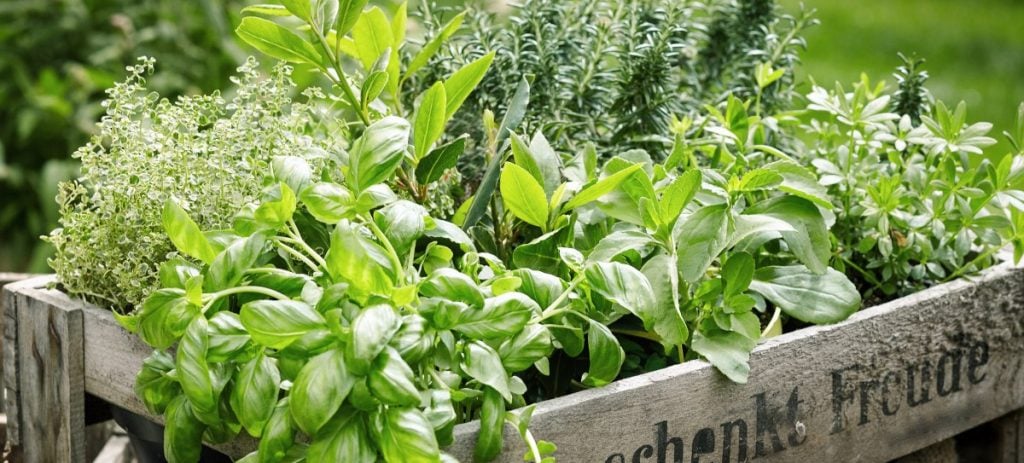
The Top 15 Herbs for Profit
Identifying the most profitable herbs is key for a successful business. Profit margins vary based on growing conditions, market demand, and sales channels. This list, using data from NC State Extension and Johnny’s Selected Seeds, outlines 15 herbs with strong profit potential in 2026. Profit margin estimates are for direct-to-consumer sales; wholesale margins are lower.
Growing difficulty is relative to your experience and climate. 'Easy' herbs need minimal maintenance, while 'hard' herbs may require specialized knowledge and equipment. Market potential is based on current trends and anticipated demand.
Here's a breakdown of the top 15, in approximate order of overall profitability. Regional variations will impact actual returns.
- Saffron (Crocus sativus): Profit Margin: 30-50%, Difficulty: Hard, Uses: Culinary (spice), Markets: High-end restaurants, specialty food stores.
- Ginseng (Panax ginseng): Profit Margin: 25-40%, Difficulty: Hard, Uses: Medicinal, Markets: Herbal supplement companies, Asian markets.
- Lavender (Lavandula angustifolia): Profit Margin: 20-35%, Difficulty: Medium, Uses: Essential oils, crafts, culinary, Markets: Farmers markets, online sales, wholesale.
- Basil (Ocimum basilicum): Profit Margin: 15-30%, Difficulty: Easy, Uses: Culinary, Markets: Restaurants, farmers markets, grocery stores.
- Cilantro/Coriander (Coriandrum sativum): Profit Margin: 15-25%, Difficulty: Easy, Uses: Culinary, Markets: Restaurants, farmers markets, grocery stores.
- Chives (Allium schoenoprasum): Profit Margin: 10-20%, Difficulty: Easy, Uses: Culinary, Markets: Farmers markets, grocery stores.
- Oregano (Origanum vulgare): Profit Margin: 15-25%, Difficulty: Easy, Uses: Culinary, Markets: Restaurants, farmers markets, grocery stores.
- Rosemary (Rosmarinus officinalis): Profit Margin: 15-25%, Difficulty: Medium, Uses: Culinary, aromatherapy, Markets: Farmers markets, online sales, restaurants.
- Thyme (Thymus vulgaris): Profit Margin: 15-25%, Difficulty: Easy, Uses: Culinary, medicinal, Markets: Farmers markets, grocery stores, restaurants.
- Mint (Mentha species): Profit Margin: 10-20%, Difficulty: Easy, Uses: Culinary, teas, aromatherapy, Markets: Farmers markets, online sales, restaurants.
- Chamomile (Matricaria chamomilla): Profit Margin: 15-25%, Difficulty: Medium, Uses: Teas, aromatherapy, Markets: Farmers markets, online sales, health food stores.
- Lemon Balm (Melissa officinalis): Profit Margin: 10-20%, Difficulty: Easy, Uses: Teas, aromatherapy, Markets: Farmers markets, online sales, health food stores.
- Echinacea (Echinacea purpurea): Profit Margin: 20-30%, Difficulty: Medium, Uses: Medicinal, Markets: Herbal supplement companies, farmers markets.
- Calendula (Calendula officinalis): Profit Margin: 15-25%, Difficulty: Easy, Uses: Medicinal, culinary, Markets: Farmers markets, online sales, health food stores.
- Stevia (Stevia rebaudiana): Profit Margin: 20-30%, Difficulty: Medium, Uses: Natural sweetener, Markets: Health food stores, online sales.
Top 15 Most Profitable Herbs to Grow for Your Business in 2026 (With Profit Margins)
| Herb Name | Profit Margin (%) | Growing Difficulty | Primary Uses | Potential Markets |
|---|---|---|---|---|
| Saffron (Crocus sativus) | High (potentially exceeding 200%) | Hard | Culinary (spice, flavoring), Medicinal (traditional medicine) | Direct to consumer (high-end spice market), Restaurants, Pharmaceutical companies |
| Ginseng (Panax ginseng) | High (50-100% or greater) | Hard | Medicinal (adaptogen, energy booster), Herbal remedies | Herbal supplement manufacturers, Traditional medicine practitioners, Export markets (Asia) |
| Lavender (Lavandula angustifolia) | Moderate to High (30-70%) | Medium | Aromatherapy, Cosmetics, Culinary (baking, teas) | Essential oil distillers, Soap/candle makers, Farmers markets, Wellness retailers |
| Basil (Ocimum basilicum) | Moderate (20-50%) | Easy | Culinary (Italian, Thai cuisine), Fragrance | Restaurants, Farmers markets, Food processors, Essential oil producers |
| Cilantro/Coriander (Coriandrum sativum) | Moderate (25-40%) | Easy | Culinary (Mexican, Asian cuisine), Spice (coriander seeds) | Restaurants, Grocery stores, Spice companies, Farmers markets |
| Chives (Allium schoenoprasum) | Moderate (30-50%) | Easy | Culinary (garnish, flavoring), Medicinal (Vitamin K source) | Farmers markets, Local restaurants, Specialty food stores |
| Oregano (Origanum vulgare) | Moderate (20-40%) | Easy | Culinary (Italian, Mediterranean cuisine), Medicinal (antioxidant properties) | Restaurants, Food processors, Dried herb suppliers, Farmers markets |
| Rosemary (Rosmarinus officinalis) | Moderate (25-45%) | Medium | Culinary (Mediterranean cuisine), Aromatherapy, Cosmetics | Restaurants, Essential oil distillers, Cosmetic companies, Farmers markets |
| Thyme (Thymus vulgaris) | Moderate (20-40%) | Easy | Culinary (European cuisine), Medicinal (antiseptic properties) | Restaurants, Food processors, Dried herb suppliers, Farmers markets |
| Mint (Mentha species) | Moderate (20-30%) | Easy | Culinary (teas, desserts), Aromatherapy, Cosmetics | Tea companies, Food and beverage industry, Essential oil producers, Farmers markets |
Illustrative comparison based on the article research brief. Verify current pricing, limits, and product details in the official docs before relying on it.
Scaling Up: Equipment Considerations
Starting small with basic hand tools like trowels, pruners, and watering cans is often best. As your business grows, specialized equipment becomes essential for efficiency and yield. Investment timing depends on your production volume and budget.
Irrigation systems are a priority for most herb farms. Drip irrigation is effective, minimizing water waste and delivering nutrients directly to roots. Costs range from a few hundred dollars for a small system to several thousand for a larger, automated setup. Greenhouses offer climate control, extending the growing season and protecting crops, but are a significant investment – typically $5,000 to $50,000+ depending on size and features.
Harvesting machinery, like herb strippers and dryers, can improve efficiency for larger operations. Prices range from $500 for a hand-operated stripper to $10,000+ for automated systems. Source equipment through agricultural suppliers, online marketplaces, or used equipment auctions. Evaluate your needs and compare prices before buying.
Marketing Your Herb Business
Growing high-quality herbs is only half the battle; marketing them effectively is equally important. Farmers markets are an excellent starting point, offering direct customer access and valuable feedback. Direct-to-restaurant sales provide higher margins but require building relationships with chefs and consistent supply of fresh, high-quality products.
An online presence is crucial. Platforms like Etsy and Shopify reach a wider audience but require investment in website design, marketing, and shipping. Wholesale to grocery stores or distributors offers large-volume sales, usually at lower profit margins. Building a strong brand identity, emphasizing quality, freshness, and sustainability, is essential.
Use packaging that reflects your brand and preserves herb quality. Clear labeling with accurate ingredient and growing practice information is vital. Organic certification, if applicable, can be a selling point for environmentally conscious consumers. Strong customer relationships through excellent service and consistent quality are paramount for long-term success.
Essential Marketing & Packaging Supplies for Your Profitable Herb Business

Set of 6 clear glass jars with bamboo lids · 4 oz capacity per jar · Includes labels for organization
These jars provide an elegant and practical solution for packaging and presenting your dried herbs and spices to customers.

Pack of 300 durable plastic plant labels · 4-inch size suitable for various plants · Waterproof and includes a marker pen
Ensure accurate identification and organization of your herb seedlings and mature plants with these reliable and weather-resistant labels.

High-speed thermal label printer · Prints 4x6 inch shipping labels · Compatible with Windows and Mac operating systems
Streamline your shipping process and create professional-looking labels for your herb products with this efficient commercial-grade printer.

Contactless and chip card reader · GreenCircle Certified for environmental facts · Enables easy payment processing
Facilitate seamless transactions at markets or for direct sales with this certified payment reader, offering convenience for both you and your customers.
As an Amazon Associate I earn from qualifying purchases. Prices may vary.
Legal and Regulatory Hurdles
Operating an herb business requires navigating legal and regulatory requirements, including business licenses and permits from local and state governments. Food safety regulations for herb handling and processing are crucial. The FDA has guidelines for herb labeling and advertising that must be followed to avoid penalties.
Labeling requirements vary by how you sell your herbs. Selling processed products like teas or tinctures requires adherence to specific guidelines for ingredients, weight, and nutritional information. Avoid making unsubstantiated health claims about your herbs to prevent legal issues.
Liability insurance is recommended to protect your business from lawsuits. Regulations vary significantly by location, so research specific requirements in your area. Consulting an agricultural law professional can provide guidance.
Profit Standouts: Deep Dive
Lavender, echinacea, and basil show strong profit potential. Lavender is versatile, used beyond culinary applications in aromatherapy and essential oils. To maximize profits, grow different lavender varieties for varied oil profiles and explore value-added products like lavender-infused honey or soaps.
Echinacea thrives in the medicinal herb market, with increased demand for immune-boosting supplements. Success requires a focus on quality control and potentially organic certification. Direct sales to herbal supplement companies yield higher margins than wholesale. Basil remains a workhorse herb, with consistent demand from restaurants and home cooks.
To maximize basil yield, consider succession planting – sowing seeds every few weeks to ensure a continuous harvest. Experiment with different basil varieties, such as Thai basil or lemon basil, to cater to diverse culinary preferences. Offering pre-cut basil bouquets or pesto-making kits can also increase profitability.
Future Trends & Opportunities
The herb market is set for continued growth, driven by evolving consumer preferences and emerging trends. Demand for medicinal herbs is expected to increase as people seek natural alternatives to conventional healthcare. Culinary herb popularity continues, with chefs seeking new flavors.
Value-added products like herbal teas, tinctures, and essential oils offer opportunities to increase profitability and diversify your product line. Agritourism, such as farm tours and workshops, generates additional revenue and builds brand awareness. Educational workshops on herb gardening and herbal remedies are also gaining popularity.
Embracing sustainable farming practices and focusing on quality and innovation are key to long-term success. Adapting to and capitalizing on emerging opportunities will benefit herb businesses.
No comments yet. Be the first to share your thoughts!