
The business of growing herbs
There's a real shift happening in how people think about food, and herbs are right at the center of it. We’re seeing a surge in demand for locally sourced, high-quality ingredients, fueled by the farm-to-table movement and a growing interest in healthy living. What used to be a quaint hobby garden is increasingly becoming a viable business opportunity. People want to know where their food comes from, and they're willing to pay a premium for freshness and flavor.
The beauty of herb farming is its versatility. You aren't locked into one single outlet. You can sell directly to consumers at farmers markets, build relationships with local restaurants looking for consistent supply, or even establish an online presence and ship your herbs nationwide. The possibilities are surprisingly broad.
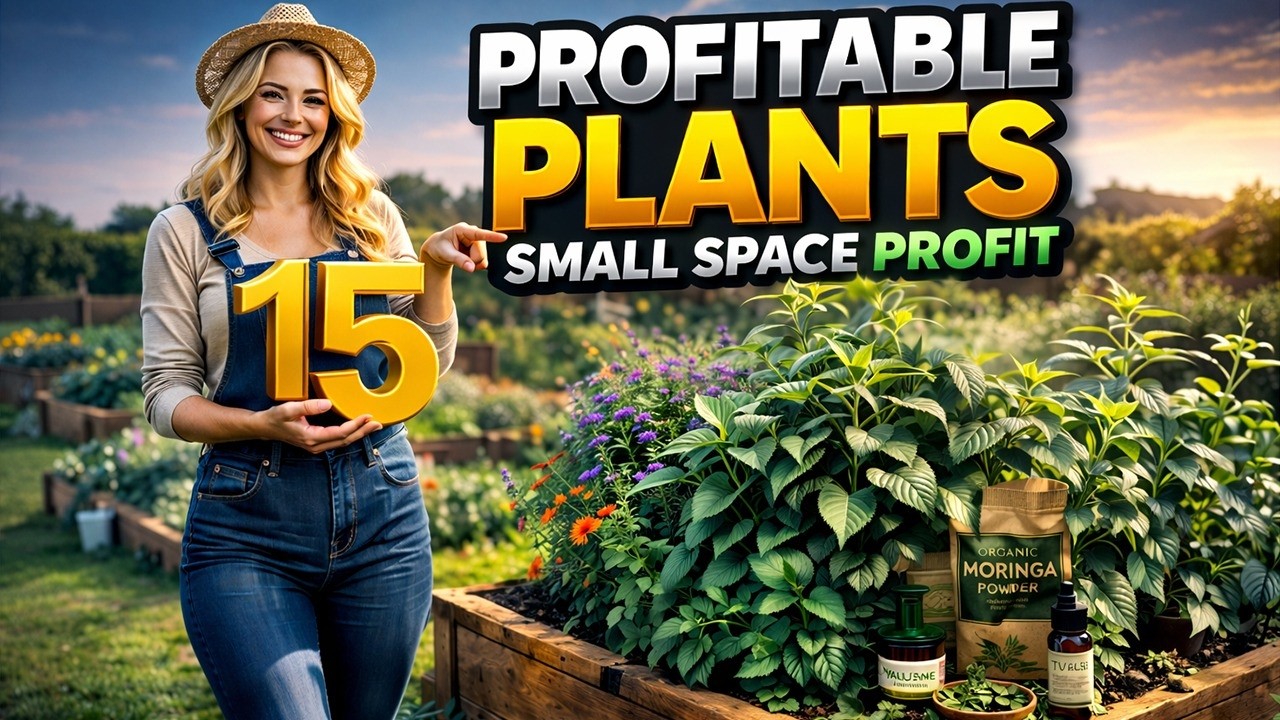
A well-planned herb business provides a solid income if you're willing to put in the hours. It isn't a passive investment, but the margins on specialty crops are often better than traditional vegetables. Here are the herbs showing the most promise for the 2026 market.
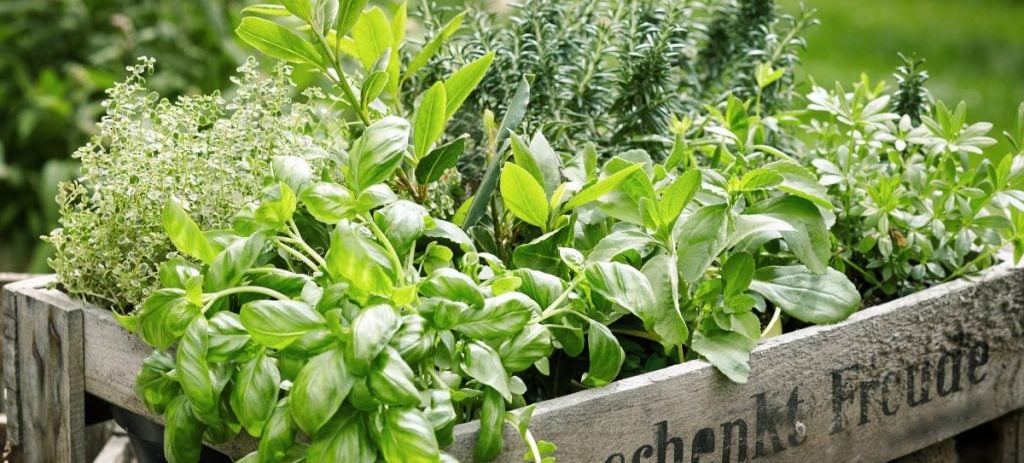
15 profitable herbs for 2026
Profitability depends on your local climate and your ability to find buyers, but current market data points to these 15 herbs as the top earners for 2026. I've ranked these based on typical wholesale prices and the labor required to bring them to market.
ROI is a tricky thing to pin down, as it varies widely. But generally, herbs with higher retail prices and relatively low growing costs will offer the best returns. I'm using a simplified ROI calculation based on typical wholesale and retail prices, minus estimated growing costs per square foot. Growing difficulty is rated as easy, medium, or hard, based on the plant's needs and susceptibility to pests and diseases.
- 1. Saffron (Crocus sativus): ROI can exceed $50,000 per acre. It is difficult to harvest because you need to pick the stigmas by hand, but high-end restaurants pay a massive premium for domestic supply.
- 2. Ginseng (Panax quinquefolius): ROI: Very High (can reach $20,000/acre). Difficulty: Hard. Uses: Medicinal. Markets: Herbal supplement companies, Asian markets.
- 3. Lavender (Lavandula angustifolia): ROI: High ($10,000-$20,000/acre). Difficulty: Medium. Uses: Aromatherapy, culinary, crafts. Markets: Farmers markets, online sales, essential oil distilleries.
- 4. Basil (Ocimum basilicum): A high-yield crop that can bring in $8,000 to $15,000 per acre. It is easy to grow but wilts fast, so you need a tight relationship with local grocery stores or chefs.
- 5. Cilantro/Coriander (Coriandrum sativum): ROI: Medium-High ($6,000-$12,000/acre). Difficulty: Easy. Uses: Culinary. Markets: Restaurants, farmers markets, grocery stores.
- 6. Chives (Allium schoenoprasum): ROI: Medium ($5,000-$10,000/acre). Difficulty: Easy. Uses: Culinary. Markets: Farmers markets, grocery stores.
- 7. Oregano (Origanum vulgare): ROI: Medium ($4,000-$8,000/acre). Difficulty: Easy. Uses: Culinary, medicinal. Markets: Restaurants, farmers markets, herbal supplement companies.
- 8. Mint (Mentha species): ROI: Medium ($4,000-$8,000/acre). Difficulty: Easy (but invasive!). Uses: Culinary, aromatherapy. Markets: Farmers markets, tea companies, essential oil distilleries.
- 9. Rosemary (Rosmarinus officinalis): ROI: Medium ($3,000-$7,000/acre). Difficulty: Medium. Uses: Culinary, aromatherapy. Markets: Restaurants, farmers markets, essential oil distilleries.
- 10. Thyme (Thymus vulgaris): ROI: Medium ($3,000-$6,000/acre). Difficulty: Easy. Uses: Culinary, medicinal. Markets: Restaurants, farmers markets, herbal supplement companies.
- 11. Chamomile (Matricaria chamomilla): ROI: Medium ($2,500-$5,000/acre). Difficulty: Medium. Uses: Medicinal (tea). Markets: Tea companies, health food stores, direct-to-consumer.
- 12. Lemon Balm (Melissa officinalis): ROI: Medium ($2,000-$4,000/acre). Difficulty: Easy (but can spread). Uses: Medicinal (tea, aromatherapy). Markets: Tea companies, health food stores, aromatherapy suppliers.
- 13. Sage (Salvia officinalis): ROI: Medium ($2,000-$4,000/acre). Difficulty: Medium. Uses: Culinary, medicinal. Markets: Restaurants, farmers markets, herbal supplement companies.
- 14. Dill (Anethum graveolens): ROI: Low-Medium ($1,500-$3,000/acre). Difficulty: Easy. Uses: Culinary. Markets: Farmers markets, grocery stores.
- 15. Echinacea (Echinacea purpurea): ROI: Medium ($3,000-$5,000/acre). Difficulty: Medium. Uses: Medicinal (immune support). Markets: Herbal supplement companies, health food stores.
Top 15 Most Profitable Herbs to Grow for Market in 2026: ROI Analysis & Growing Tips
| Herb Name | Estimated ROI (%) | Growing Difficulty | Primary Uses | Potential Markets |
|---|---|---|---|---|
| Saffron (Crocus sativus) | 100-200% | Hard | Culinary (spice, coloring), Medicinal | Direct to chefs, spice companies, health food stores |
| Ginseng (Panax quinquefolius) | 80-150% | Hard | Medicinal (adaptogen), Tea | Herbal supplement manufacturers, Asian markets, direct to consumer |
| Lavender (Lavandula angustifolia) | 30-70% | Medium | Cosmetics, Aromatherapy, Culinary | Farmers markets, essential oil distillers, craft fairs, online sales |
| Basil (Ocimum basilicum) | 25-60% | Easy | Culinary (Italian, Thai cuisines), Tea | Restaurants, farmers markets, grocery stores, pesto producers |
| Cilantro/Coriander (Coriandrum sativum) | 20-50% | Easy | Culinary (Mexican, Asian cuisines), Spice | Restaurants, farmers markets, grocery stores, food processors |
| Chives (Allium schoenoprasum) | 15-40% | Easy | Culinary (garnish, flavoring) | Farmers markets, restaurants, specialty food stores |
| Oregano (Origanum vulgare) | 15-35% | Easy | Culinary (Italian, Mediterranean cuisines), Medicinal | Restaurants, farmers markets, spice companies, herbalists |
| Mint (Mentha species) | 10-30% | Easy | Culinary (tea, desserts), Aromatherapy, Personal Care | Farmers markets, tea companies, cosmetic manufacturers, direct to consumer |
| Rosemary (Rosmarinus officinalis) | 10-30% | Medium | Culinary, Aromatherapy, Medicinal | Restaurants, farmers markets, essential oil distillers, health food stores |
| Thyme (Thymus vulgaris) | 10-25% | Easy | Culinary, Medicinal, Landscaping | Restaurants, farmers markets, herbalists, nurseries |
Illustrative comparison based on the article research brief. Verify current pricing, limits, and product details in the official docs before relying on it.
Getting the soil and water right
Okay, you’ve picked your herbs. Now what? Proper soil preparation is the foundation of a successful herb garden. Most herbs prefer well-drained soil with a pH between 6.0 and 7.0. Amend your soil with compost or other organic matter to improve drainage and fertility. A soil test is always a good idea to determine any nutrient deficiencies.
Watering is critical, but overwatering can be just as harmful as underwatering. The key is to provide consistent moisture, especially during dry spells. Drip irrigation is an excellent option, as it delivers water directly to the roots, minimizing water waste and reducing the risk of fungal diseases.
Organic pest and disease control is essential for producing high-quality herbs. Encourage beneficial insects by planting companion plants like marigolds and dill. Use organic pesticides like neem oil or insecticidal soap only when necessary. Harvesting at the right time is also crucial for maximizing flavor and potency. Generally, harvest herbs just before they flower.
You have two main options for starting your herbs: seeds or transplants. Seeds are cheaper, but require more time and effort. Transplants provide a head start, but are more expensive. Hydroponics is another option, allowing you to grow herbs without soil. While it can increase yields, it requires a significant initial investment and technical expertise.
Equipment for scaling up
Moving beyond a small backyard garden requires investment in equipment. Irrigation systems, like drip tape and timers, are essential for efficient watering. A greenhouse or hoop house can extend your growing season and protect your crops from harsh weather. The cost can range from a few hundred dollars for a small hoop house to tens of thousands for a larger greenhouse.
Harvesting tools – pruning shears, knives, and even specialized herb harvesting machines – will save you time and labor. Drying racks are necessary for preserving herbs. Packaging materials – jars, bags, labels – are also a significant expense. Consider investing in a small processing facility if you plan to produce value-added products like dried herb blends or essential oils.
Don't underestimate the importance of good record-keeping software. Tracking your expenses, yields, and sales is crucial for understanding your profitability and making informed decisions. There are many affordable options available, from simple spreadsheets to specialized farm management software.
Essential Gear for Your Profitable Herb Garden

Integrated heat mat for optimal germination temperatures · Watertight tray prevents leaks and messes · Humidity dome creates a controlled environment for seedlings
This germination station provides the ideal environment to kickstart your valuable herb seeds, ensuring a strong start for maximum yield.

Measures soil moisture, temperature, and pH · Assesses sunlight intensity · Backlit LCD display for easy reading in any light
Accurately monitor your soil conditions and light levels to give your high-value herbs the precise care they need to thrive.

Vertical hydroponic system for space efficiency · Accommodates up to 30 plants · Integrated LED grow lights for optimal plant growth
This smart indoor gardening system allows you to grow a variety of herbs year-round, maximizing your harvest potential regardless of outdoor conditions.

Compact size ideal for smaller setups · Highly reflective interior for efficient light use · Sealed bottom and ventilation window for controlled environment
This small grow tent creates a controlled microclimate, perfect for nurturing delicate seedlings or specific herbs that require precise environmental conditions.
As an Amazon Associate I earn from qualifying purchases. Prices may vary.
Where to sell your harvest
Farmers markets are a great starting point for selling your herbs. They provide direct access to customers and allow you to build relationships. However, they can be time-consuming and weather-dependent. Direct-to-restaurant sales can be very lucrative, but require building relationships with chefs and consistently providing high-quality herbs.
An online presence is essential for reaching a wider audience. Etsy is a good platform for selling small batches of herbs and value-added products. Shopify allows you to create your own branded online store. Wholesale opportunities exist with grocery stores, health food stores, and herbal supplement companies, but typically offer lower margins.
Branding is key to success. Create a logo, develop a consistent visual identity, and tell your story. Regulations surrounding the sale of herbs vary by state and locality. Ensure you comply with all labeling requirements and food safety certifications. A food handler's permit may be required, and organic certification can add value to your products.
The real costs of herb farming
Let's talk money. Herb farming, like any agricultural venture, has associated costs. These include seeds or transplants, soil amendments (compost, fertilizer), water, pest control, equipment, labor, marketing, and packaging. Accurate cost tracking is essential for determining your profitability.
For a small-scale operation (e.g., 1/4 acre), you might expect initial setup costs of $5,000-$10,000, including irrigation, tools, and initial supplies. Ongoing annual costs could range from $2,000-$5,000 per acre. A larger-scale operation (e.g., 1 acre) would require a significantly higher investment, potentially $20,000-$50,000 for initial setup and $5,000-$10,000 per acre annually.
Remember, these are just estimates. Your costs will vary depending on your location, growing methods, and marketing strategy. Creating a detailed budget and tracking your expenses carefully is vital. Don’t forget to factor in your own time – even if you're not paying yourself a salary, your labor has value.
No comments yet. Be the first to share your thoughts!