
Fresh Herbs: A Growing Market
Demand for fresh herbs is growing, turning a niche market into a real opportunity for growers. Consumer habits have shifted, with more people cooking at home and seeking fresh, flavorful ingredients. The farm-to-table movement continues to gain momentum, and people are more interested in where their food comes from.
This shift is backed by data. The NC State Extension notes a growing interest in specialty crops like culinary herbs, driven by consumer demand for local and organic produce. Johnny’s Selected Seeds has observed a significant increase in herb seed sales over the past few years, signaling a clear uptick in home and small-scale commercial growing. They're introducing new herb varieties for 2026 to meet this demand.
Growth in herb sales is evident at local farmers markets. Herb booths are consistently busy, and customers pay a premium for high-quality, freshly harvested herbs. This is a change from a few years ago, when herbs were often an afterthought. People are eager to experiment with more unusual and flavorful varieties, making now a great time to consider selling herbs for profit.
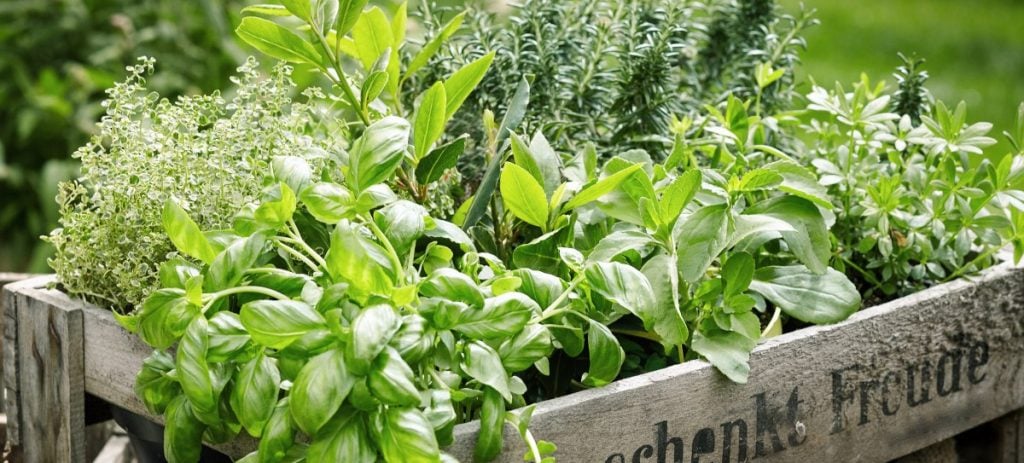
Five Strategies for Herb Sales
Interested in tapping into this growing market? There are several ways to sell fresh herbs, each with its own advantages and disadvantages. The best approach depends on your resources, location, and target market. Here are five distinct strategies, looking at investment, potential profit, and challenges.
Selling at farmers markets is a relatively low-barrier-to-entry option, offering high visibility and direct customer interaction. Initial investment is for booth setup and inventory. Profit margins can be good, depending on location and competition. Direct sales to restaurants can create consistent demand by building relationships with chefs, but requires commitment to quality and reliability. The investment is in building those relationships and ensuring consistent supply.
A Community Supported Agriculture (CSA) share program offers a predictable income stream and fosters customer loyalty, but requires logistical planning and a diverse herb selection. Online sales, with local delivery or pickup, expand your reach and offer convenience. This requires a website or platform and efficient logistics. Wholesale to grocery stores offers volume, but typically comes with lower profit margins and stringent requirements. It requires a scalable operation and a focus on food safety.
Each strategy requires a different skillset and level of commitment. Don't underestimate the work involved, even with options like farmers markets. Wholesale demands consistent volume and strict packaging standards. Direct restaurant sales require impeccable timing and quality. Be realistic about what you can handle and choose a strategy that aligns with your capabilities.
Farmers Markets: Low Barrier, High Visibility
Farmers markets are an excellent starting point for many herb growers. The initial investment is relatively low—a table, display materials, scales, and your herbs. Presentation is key. Herbs should look fresh and appealing. Use attractive containers, bundle herbs with twine, and create informative signage.
Pricing is crucial. Research competitor pricing and price competitively, but don't undervalue your product. Offering different sizes and bundles caters to various customer needs. Building customer relationships is essential. Be friendly, knowledgeable, and offer advice on how to use your herbs. Offering recipe suggestions or small samples can significantly boost sales.
Accept multiple payment methods – cash, credit cards, and mobile payments. Having a Square reader or similar device dramatically increases sales. Consider what herbs are popular in your region. In the Northeast, basil, parsley, cilantro, and mint are consistently top sellers, but don’t be afraid to experiment with less common varieties like lemon verbena or Thai basil.
- Booth Setup: Invest in a visually appealing display.
- Pricing: Research competitor pricing, offer varied sizes.
- Customer Service: Be friendly and knowledgeable.
- Payment Options: Accept cash, credit cards, and mobile payments.
- Herb Selection: Focus on local favorites, but experiment.
Restaurant Partnerships: Building Consistent Demand
Selling directly to restaurants can provide a stable and predictable income stream. The key is to target the right establishments – those that prioritize fresh, local ingredients. Farm-to-table restaurants, those with herb-focused menus, and upscale dining establishments are all good candidates.
Approaching chefs requires a professional approach. Prepare a list of the herbs you grow, their seasonality, and your pricing. Be prepared to offer samples and answer questions about your growing practices. Consistency is paramount. Chefs need to rely on you to deliver high-quality herbs on time, every time. Building a strong relationship based on trust and reliability is essential.
There are also legal considerations. You’ll likely need to have a sales agreement or contract in place, outlining pricing, delivery schedules, and quality standards. You may also need to obtain business liability insurance. It’s worth consulting with a legal professional to ensure you’re covered.
CSAs & Online Sales: Direct-to-Consumer Power
Combining a CSA share program with online sales creates a direct-to-consumer channel. CSAs offer a predictable income stream and foster customer loyalty. A typical share includes a selection of seasonal herbs, delivered weekly or bi-weekly. Managing subscriptions and ensuring a diverse herb selection throughout the growing season are key challenges.
Online sales, coupled with local delivery or pickup, expand your reach and offer convenience. Platforms like Shopify and Square Online are popular choices, but you can also explore local food hubs. High-quality photos and detailed descriptions are crucial for online success. Customers need to see and understand what they’re buying.
CSAs work best when you offer different share sizes and customization options. Online sales require efficient logistics and reliable delivery or pickup systems. Both approaches require marketing and promotion to attract customers. The choice between the two, or a combination of both, depends on your resources and target market.
CSA vs. Online Sales: A Comparison for Herb Businesses in 2026
| Setup Cost | Time Commitment | Marketing Effort | Customer Relationship | Scalability | Profit Margin |
|---|---|---|---|---|---|
| Low | High | Medium | High | Low | Medium |
| Medium | Medium | High | Medium | High | Medium |
Illustrative comparison based on the article research brief. Verify current pricing, limits, and product details in the official docs before relying on it.
Wholesale: Volume, But Lower Margins
Selling wholesale to grocery stores offers significant volume, but typically comes with lower profit margins. Grocery stores demand consistency in supply, quality, and packaging. You’ll need to meet their volume requirements and adhere to their packaging standards.
Food safety certifications, such as Good Agricultural Practices (GAPs), are often required. These certifications demonstrate commitment to safe food handling practices. Negotiating pricing can be challenging, as grocery stores have significant buying power. Understand your costs and set a price that allows you to make a reasonable profit.
Wholesale isn’t a passive income stream. It requires significant investment in infrastructure, labor, and logistics. Have a reliable transportation system and the ability to handle large volumes of product. Be prepared for tight margins and demanding customers.
Profitable Herb Choices for 2026
Predicting the most profitable herbs for 2026 is tricky, but based on current trends and research, several stand out. Basil remains a strong performer, particularly specialty varieties like Thai basil and lemon basil. Mint, in its various forms – peppermint, spearmint, chocolate mint – is also in demand.
Beyond the staples, there's increased interest in more unusual herbs. Rosemary is gaining popularity, especially among chefs and home cooks looking for robust flavors. Lavender, both culinary and for aromatherapy, is also a strong contender. Johnny’s Selected Seeds highlights a growing demand for culinary chamomile – people are interested in trying it.
Medicinal herbs are worth considering. Echinacea and elderberry are popular
- Basil: Especially Thai and lemon varieties.
- Mint: Peppermint, spearmint, chocolate mint.
- Rosemary: Increasing popularity with chefs and home cooks.
- Lavender: Culinary and aromatherapy uses.
- Chamomile: Growing demand for culinary applications.
- Echinacea & Elderberry: Popular medicinal herbs.

No comments yet. Be the first to share your thoughts!