
The business of herb gardening
Local herb demand is climbing as more people cook at home and look for natural alternatives to store-bought medicine. If you have a small plot of land, selling fresh-cut or dried herbs is a practical way to start a business without a massive initial investment.
Starting an herb business requires work, certainly, and careful planning is essential. But the potential rewards – both financial and personal – can be significant. People are willing to pay a premium for herbs they know are grown sustainably and with care. The market isn’t solely focused on volume; quality and origin matter immensely.
Success here depends on how well you adapt to what local chefs or apothecaries actually need. It is hard work, but the margins on specialty crops like saffron or organic basil often beat traditional produce.
15 herbs ranked by profit potential
Determining the 'most profitable' herbs requires considering market price, growing difficulty, and potential yield. The following list ranks 15 herbs based on these factors, using 2024 data and projecting conservative growth estimates to 2026, drawing heavily from resources like NC State Extension and Johnny’s Selected Seeds. Prices are per pound of dried herb, unless otherwise noted.
These prices change based on your region and how efficiently you dry your harvest. I've based these rankings on 2024 data from NC State Extension and Johnny’s Selected Seeds, but your local farmers' market might tell a different story.
1. Saffron (Crocus sativus): $5,000 - $10,000/lb. Difficulty: Hard. Uses: Culinary (spice). Challenges: Labor-intensive harvesting, specific climate needs, risk of adulteration.
2. Ginseng (Panax ginseng): $800 - $1,500/lb. Difficulty: Hard. Uses: Medicinal. Challenges: Long growing cycle (5-10 years), poaching, pest/disease management.
3. Lavender (Lavandula angustifolia): $200 - $400/lb. Difficulty: Medium. Uses: Cosmetic, medicinal, culinary. Challenges: Pest susceptibility (aphids), requires well-drained soil.
4. Basil (Ocimum basilicum): $80 - $200/lb. Difficulty: Easy. Uses: Culinary. Challenges: Frost sensitive, prone to downy mildew.
5. Cilantro/Coriander (Coriandrum sativum): $60 - $150/lb. Difficulty: Easy. Uses: Culinary. Challenges: Bolts quickly in hot weather, short harvest window.
6. Chives (Allium schoenoprasum): $50 - $120/lb. Difficulty: Easy. Uses: Culinary. Challenges: Relatively low price point, requires consistent harvesting.
7. Oregano (Origanum vulgare): $40 - $100/lb. Difficulty: Medium. Uses: Culinary, medicinal. Challenges: Can be invasive, susceptible to root rot.
8. Thyme (Thymus vulgaris): $30 - $80/lb. Difficulty: Medium. Uses: Culinary, medicinal. Challenges: Requires well-drained soil, susceptible to fungal diseases.
9. Rosemary (Rosmarinus officinalis): $30 - $70/lb. Difficulty: Medium. Uses: Culinary, cosmetic. Challenges: Can be slow-growing, sensitive to cold temperatures.
10. Mint (Mentha species): $20 - $60/lb. Difficulty: Easy. Uses: Culinary, medicinal, cosmetic. Challenges: Extremely invasive, requires containment.
11. Chamomile (Matricaria chamomilla): $20 - $50/lb. Difficulty: Easy. Uses: Medicinal, tea. Challenges: Requires consistent harvesting, can be difficult to dry properly.
12. Echinacea (Echinacea purpurea): $20 - $40/lb. Difficulty: Medium. Uses: Medicinal. Challenges: Requires specific soil conditions, susceptible to fungal diseases.
13. Calendula (Calendula officinalis): $15 - $30/lb. Difficulty: Easy. Uses: Cosmetic, medicinal. Challenges: Relatively low price point, requires frequent harvesting.
14. Lemon Balm (Melissa officinalis): $15 - $30/lb. Difficulty: Easy. Uses: Medicinal, culinary. Challenges: Can be invasive, similar to mint.
15. Stevia (Stevia rebaudiana): $10 - $25/lb. Difficulty: Medium. Uses: Natural sweetener. Challenges: Increasing competition, requires careful processing.
Top 15 Most Profitable Herbs to Grow for Commercial Success in 2026 (Estimated)
| Herb Name | Market Price/lb (2026 est.) | Growing Difficulty | Primary Uses | Key Challenges |
|---|---|---|---|---|
| Saffron (Crocus sativus) | Highly Variable, potentially exceeding $5,000/lb | Hard | Culinary (spice, coloring), Medicinal | High labor intensity, susceptibility to disease, specific climate requirements |
| Ginseng (Panax ginseng) | Approximately $800 - $1,500/lb for root | Hard | Medicinal (adaptogen, energy booster) | Long cultivation cycle (5-10 years), poaching, market fluctuations, requires shade structures |
| Lavender (Lavandula angustifolia) | Approximately $80 - $150/lb | Med | Aromatherapy, cosmetics, culinary, crafts | Susceptibility to root rot, competition from established producers |
| Basil (Ocimum basilicum) | Approximately $30 - $60/lb | Easy | Culinary (Italian, Thai cuisines), aromatherapy | Fusarium wilt, downy mildew, short shelf life |
| Cilantro/Coriander (Coriandrum sativum) | Approximately $20 - $40/lb | Easy | Culinary (Mexican, Asian cuisines), spice (coriander seeds) | Bolting (premature flowering), pest pressure (aphids) |
| Chives (Allium schoenoprasum) | Approximately $15 - $30/lb | Easy | Culinary (garnish, flavoring), medicinal | Competition from larger producers, relatively low price point |
| Oregano (Origanum vulgare) | Approximately $10 - $25/lb | Easy | Culinary (Mediterranean cuisine), medicinal | Susceptibility to fungal diseases, weed competition |
| Thyme (Thymus vulgaris) | Approximately $10 - $20/lb | Easy | Culinary, medicinal, aromatherapy | Susceptibility to root rot in poorly drained soils |
| Rosemary (Rosmarinus officinalis) | Approximately $8 - $18/lb | Med | Culinary, aromatherapy, medicinal | Susceptibility to powdery mildew, requires well-drained soil |
| Mint (Mentha species) | Approximately $5 - $15/lb | Easy | Culinary, aromatherapy, medicinal | Aggressive spreading, potential for invasive growth |
Illustrative comparison based on the article research brief. Verify current pricing, limits, and product details in the official docs before relying on it.
Navigating medicinal herb rules
Lavender, chamomile, echinacea, and calendula all experience strong demand in the medicinal herb market. Lavender, in particular, is versatile, used in aromatherapy, cosmetics, and teas. Echinacea is popular for its immune-boosting properties, while calendula is valued for its skin-soothing qualities. However, selling medicinal herbs comes with significant regulatory hurdles.
The FDA regulates herbs sold for medicinal purposes, and labeling requirements are strict. You must accurately identify the herb, list all ingredients, and avoid making unsubstantiated health claims. Testing for contaminants, such as heavy metals and pesticides, may also be required, depending on your state and the intended use of the herb. It’s wise to consult with a legal expert specializing in herbal regulations.
Selling herbs as 'dietary supplements' triggers additional regulations. Mislabeling or making false claims can lead to legal penalties. Thorough research and adherence to all applicable regulations are non-negotiable. Resources like the American Herbal Products Association (AHPA) can provide valuable guidance.
Marketing Your Herb Business
Successfully selling your herbs requires a multi-faceted marketing strategy. Direct-to-consumer options, such as farmers' markets, online stores (Shopify, Etsy), and Community Supported Agriculture (CSA) shares, allow you to build relationships with customers and command higher prices. Wholesale options, including restaurants, health food stores, and herbalists, offer larger volume sales.
Building a strong brand identity is essential. Highlight the unique qualities of your herbs – organic certification, local sourcing, specific varieties, sustainable growing practices. Professional packaging and attractive displays can also make a significant difference. Consider offering value-added products, such as herbal teas, infused oils, or dried herb blends.
Social media marketing is a cost-effective way to reach a wider audience. Share photos and videos of your farm, educate customers about the benefits of your herbs, and run targeted advertising campaigns. Engaging with your followers and responding to their questions can build trust and loyalty.
Scaling Up: From Garden to Farm
Transitioning from a small garden to a commercial herb farm requires careful planning and significant investment. Land acquisition, irrigation systems, and pest control strategies are all crucial considerations. Labor costs can be substantial, especially during harvest season.
Soil health is paramount. Implementing sustainable farming practices, such as cover cropping and composting, will improve soil fertility and reduce the need for synthetic fertilizers. Efficient irrigation systems will conserve water and ensure consistent yields. Integrated pest management strategies will minimize pest damage while reducing reliance on pesticides.
Scaling up is a complex process. It’s not something to be undertaken lightly. Thorough market research, a detailed business plan, and access to capital are all essential for success. Don’t hesitate to seek advice from experienced herb farmers and agricultural consultants.
Essential Commercial Herb Cultivation Gear for Maximum Profitability

Provides consistent, optimal soil temperature for seed germination and seedling growth. · Includes a digital thermostat for precise temperature control. · UL and MET certified for safety and reliability.
This heat mat ensures consistent germination rates and robust seedling development, crucial for maximizing early-stage crop yield.
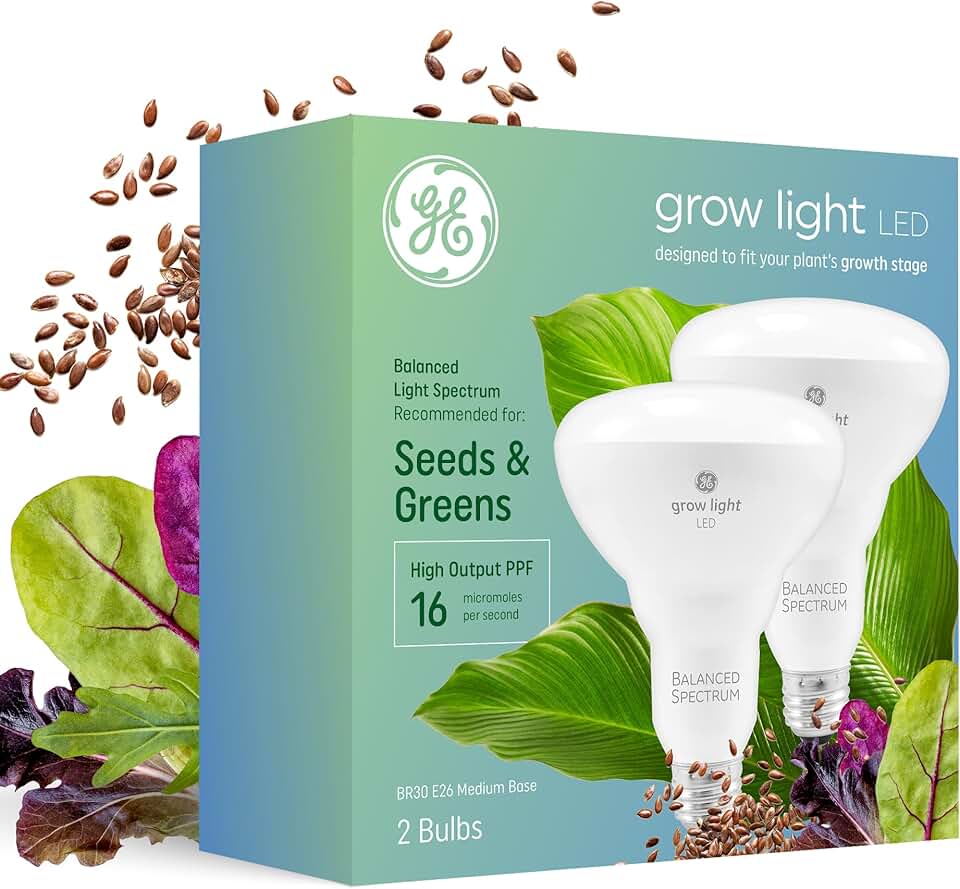
LED technology provides a balanced spectrum optimized for plant growth. · Designed for seed starting and growing greens indoors. · Long lifespan of 25,000 hours reduces replacement frequency.
These grow lights deliver the necessary light spectrum for healthy plant development, enabling year-round cultivation of herbs regardless of natural light availability.

Precision bypass blade for clean cuts on live plant material. · Ergonomic aluminum body for durability and reduced user fatigue. · Replaceable parts ensure long-term operational efficiency.
High-quality pruning shears are essential for precise harvesting and plant maintenance, contributing to higher quality yields and reduced plant stress.

Integrated ventilation system with inline duct fan and speed controller. · High carbon filter effectively removes odors and particulates. · Includes ducting and coupler for easy setup in grow tents and hydroponic systems.
This filtration kit maintains optimal air quality and environmental control within cultivation spaces, preventing issues like mold and pest infestations.
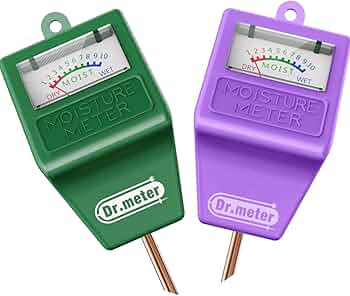
Measures soil pH accurately to inform nutrient management. · Digital display provides clear and easy-to-read results. · Designed for use in soil and hydroponic applications.
Accurate soil pH measurement is critical for optimizing nutrient uptake and ensuring healthy plant growth, directly impacting herb quality and yield.
As an Amazon Associate I earn from qualifying purchases. Prices may vary.
No comments yet. Be the first to share your thoughts!