
Is a Herb Business Right for You?
Starting a herb business feels romantic, doesn’t it? Visions of sunny fields and fragrant harvests. But let's be real: it's also a lot of work. A successful herb operation isn’t just about loving plants; it’s about running a small farm business, and that demands a specific kind of person. It requires long hours, physical labor, and the willingness to learn constantly.
Before you invest a single seed, a realistic self-assessment is crucial. Are you comfortable with uncertainty? Can you handle the financial risk? Are you prepared to wear many hats – grower, marketer, salesperson, accountant? It's not glamorous, and it's definitely not a get-rich-quick scheme. It’s about passion, dedication, and a solid understanding of business principles.
The initial investment varies wildly. You can start small, with just a few raised beds and a modest marketing budget. Chestnut School of Herbal Medicine points out you can even begin with a single plant and scale from there. But even a small-scale operation requires upfront costs for seeds, soil, tools, and potentially a small greenhouse or hoop house. Do you already have land available, or will you need to rent or purchase property? That’s a major factor.
Don't underestimate the lifestyle change. Herb farming is seasonal, demanding, and often unpredictable. Weather, pests, and market fluctuations can all throw a wrench in your plans. It's not a 9-to-5 job, and it often requires sacrificing evenings and weekends. If you’re not prepared for that level of commitment, it might not be the right path for you.

Profitable Herbs: What Sells in 2026?
Okay, let’s talk money-makers. Which herbs will actually generate a profit in 2026? Forget chasing the latest Instagram trend – we’re looking for consistent demand. Broadly, herbs fall into three categories: culinary, medicinal, and niche. Each has its own market dynamics.
Culinary herbs are a reliable starting point. Basil, rosemary, thyme, oregano, and chives are always in demand from restaurants, farmers markets, and home cooks. However, competition is fierce, so you'll need to focus on quality and potentially specialize in unique varieties. Medicinal herbs, like echinacea, lavender, chamomile, and calendula, offer higher profit margins but require more knowledge and careful handling. Demand for these is steady, driven by the growing interest in natural health.
Niche herbs present both opportunities and risks. Stevia, lemon balm, and skullcap can command premium prices, but you need to find a dedicated market. Chestnut School of Herbal Medicine emphasizes starting small and identifying a specific need – a local apothecary, a tea blender, or a skincare company, for example. This focused approach can be far more successful than trying to be everything to everyone.
Current wholesale pricing for common culinary herbs generally ranges from $3-$8 per pound, while medicinal herbs can fetch $10-$30 per pound or more, depending on the species and quality. Farmer’s market prices are typically higher, but you'll also have marketing and transportation costs to consider. The elderberry craze seems to be leveling off, but other immune-boosting herbs like astragalus and elderflower are still seeing strong demand. Keep an eye on emerging trends through industry publications and market research.
- Culinary Herbs: Basil, Rosemary, Thyme, Oregano, Chives
- Medicinal Herbs: Echinacea, Lavender, Chamomile, Calendula
- Niche Herbs: Stevia, Lemon Balm, Skullcap, Astragalus
Herb Business Potential: A Quick Comparison for 2026 🌱
| Herb | Demand | Growth Difficulty | Initial Investment | Profit Margin |
|---|---|---|---|---|
| Basil 🌿 | High | Easy | Low | Medium |
| Mint 🍃 | Medium | Easy | Low | Low-Medium |
| Lavender 💜 | High | Moderate | Medium | Medium-High |
| Rosemary 🪴 | Medium | Moderate | Low-Medium | Medium |
| Chamomile 🌼 | Medium | Easy | Low | Medium |
| Thyme 🌿 | Medium | Easy | Low | Low-Medium |
| Lemon Balm 🍋 | Medium | Easy | Low | Low |
| Echinacea 🌸 | Medium | Moderate | Medium | Medium-High |
Illustrative comparison based on the article research brief. Verify current pricing, limits, and product details in the official docs before relying on it.
Land, Space, and Growing Methods
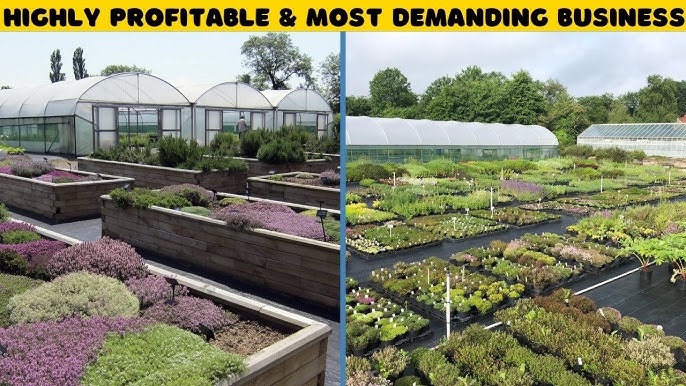
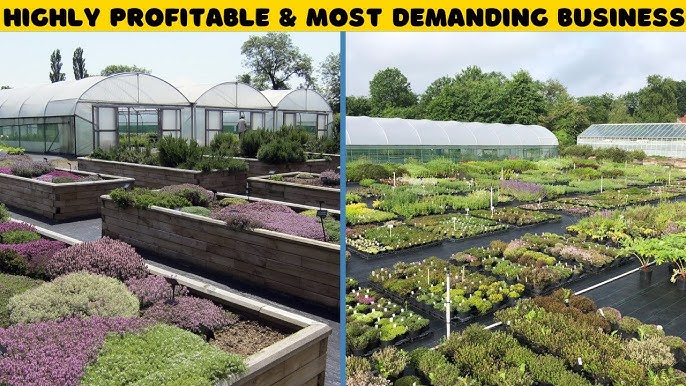
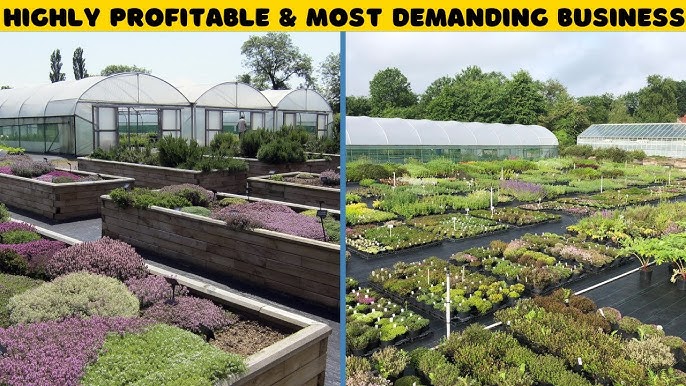
The good news? You don’t need a sprawling farm to start a profitable herb business. Small-space growing is entirely viable. Raised beds are a great option for controlling soil quality and drainage. Container gardening allows you to grow herbs on patios, balconies, or even indoors. Vertical farming, while more capital-intensive, can maximize space utilization. Mother Earth News advocates for starting small and expanding gradually.
Choosing between organic and conventional growing is a significant decision. Organic certification can command higher prices and appeal to a specific customer base, but it also comes with increased costs and paperwork. Conventional growing is less restrictive but may limit your marketing options. Consider your target market and your values when making this choice. The certification process itself can take time and money.
Soil health is paramount, regardless of your growing method. Invest in high-quality compost and soil amendments. Proper irrigation is also crucial – herbs need consistent moisture, but overwatering can lead to root rot. Pest control is another key consideration. Integrated pest management (IPM) – using beneficial insects, companion planting, and organic pesticides – is a sustainable approach.
Do you need a greenhouse? It depends on your climate and the herbs you’re growing. A greenhouse extends your growing season and protects plants from harsh weather, but it’s also an added expense. Hydroponics, growing plants without soil, is another option, but it requires specialized knowledge and equipment. Weigh the costs and benefits carefully before investing.
Legal Considerations and Permits
Let’s address the less glamorous side of things: the legal stuff. Starting any business requires navigating a maze of regulations, and herb businesses are no exception. You’ll need to obtain the necessary business licenses from your local and state governments. Zoning regulations may restrict where you can operate your business, especially if you’re selling directly to the public.
Food safety permits are essential if you’re selling culinary herbs. These permits ensure that your growing and handling practices meet certain standards. Regulations vary widely by location, so it's crucial to check with your local health department. You’ll also need to comply with labeling requirements, including accurate ingredient lists and net weight declarations.
Selling medicinal herbs adds another layer of complexity. Be extremely careful about making any health claims. The FDA regulates the labeling and marketing of herbal products, and false or misleading claims can result in legal penalties. Liability insurance is also a must-have, protecting you from potential lawsuits.
I’m not a lawyer, so this isn't legal advice. Consult with a qualified attorney and your local authorities to ensure you’re fully compliant with all applicable laws and regulations. Resources like the Small Business Administration (SBA) can also provide helpful guidance.
Marketing and Sales Channels
Growing high-quality herbs is only half the battle; getting them into customers’ hands is the other half. Several sales channels are available, each with its own pros and cons. Farmer’s markets are a great way to build relationships with customers and get direct feedback. Direct-to-consumer sales, through an online store or a CSA (Community Supported Agriculture) box program, offer higher profit margins but require more marketing effort.
Wholesale to restaurants and health food stores can provide a steady stream of income, but you'll need to negotiate prices and meet their volume requirements. Selling to herbalists and apothecaries is another niche market that values high-quality, ethically sourced herbs. Building relationships with these professionals can be lucrative.
Social media marketing is essential in today’s world. Create engaging content that showcases your herbs, your growing practices, and your business values. Building an email list allows you to communicate directly with your customers and promote special offers. A strong brand identity – including a memorable logo, consistent messaging, and attractive packaging – will help you stand out from the competition.
Invest time in packaging and labeling. Your packaging should protect your herbs and convey your brand’s personality. Clear, informative labels are essential. Consider eco-friendly packaging options to appeal to environmentally conscious consumers.
Scaling Your Herb Operation
So, your herb business is thriving. Congratulations! Now it’s time to think about scaling up. Expanding your growing space is the most obvious step, but it’s not the only option. Consider adding a greenhouse or hoop house to extend your growing season. You might also explore leasing additional land or partnering with other growers.
Hiring help is inevitable as your business grows. Start by outsourcing tasks like marketing or bookkeeping. As your production increases, you may need to hire seasonal workers to help with planting, harvesting, and processing. Automating tasks, such as irrigation and packaging, can also improve efficiency.
Diversifying your product line can open up new revenue streams. Consider creating value-added products like herbal teas, tinctures, salves, or dried herb blends. These products command higher prices and appeal to a wider range of customers. Investing in processing equipment, such as a dehydrator or a tincture-making machine, may be necessary.
Scaling presents challenges. Maintaining quality control becomes more difficult as production increases. Managing inventory efficiently is crucial to avoid waste. Dealing with increased demand requires careful planning and logistics. Don’t overextend yourself – grow at a sustainable pace.
What’s your biggest challenge in scaling an herb business?
Vote below and share what’s been toughest as you grow your herb business 🌿
Financials: Costs, Pricing, and Profit
Let's get down to the numbers. Understanding your finances is critical for long-term success. The costs of starting and running an herb business include seeds, soil, equipment (tools, irrigation systems, greenhouses), labor, marketing, permits, and insurance. Create a detailed budget that accounts for all of these expenses.
Pricing your herbs correctly is essential. Consider your costs of production, your competition’s prices, and your target market’s willingness to pay. Don’t undervalue your product – high-quality herbs deserve a premium price. Regularly review your pricing to ensure you’re maintaining a healthy profit margin.
Budgeting and record-keeping are non-negotiable. Track your income and expenses meticulously. Use accounting software or a spreadsheet to monitor your cash flow. Regularly analyze your financial statements to identify areas where you can improve efficiency and profitability.
It's easy to get lost in the day-to-day operations and lose sight of the big picture. Knowing your numbers will empower you to make informed decisions and ensure the long-term sustainability of your herb business. I'm not a financial advisor, but seeking guidance from a qualified accountant can be invaluable.
Financial Tools for Herb Businesses 🪴
- Accounting Software - Programs like QuickBooks and Xero streamline bookkeeping, invoice creation, and financial reporting. They’re essential as your business grows.
- Business Bank Account - Separating your personal and business finances is *crucial* for clear tracking and tax purposes. Look for accounts with low fees and easy online access.
- Online Banking with Bill Pay - Conveniently manage payments to suppliers (like Burpee for seeds 🌻) and other expenses directly through your bank's online platform.
- Expense Tracking Templates - Before investing in software, simple spreadsheet templates (available from Microsoft Excel or Google Sheets) can help you monitor income and outgoings.
- Revenue Tracking Templates - Similar to expense tracking, these spreadsheets help you categorize and analyze your herb sales by variety, market, or customer.
- Point of Sale (POS) System - If you plan to sell directly to consumers at farmers markets or a farm stand, a POS system (like Square) can manage transactions and inventory. 💰
- Budgeting Tools - Creating a detailed budget, even using a simple spreadsheet, is vital for forecasting profitability and managing cash flow. 📊

No comments yet. Be the first to share your thoughts!