
Initial Investment: Equipment Tiers
Starting a small-scale commercial herb farm requires careful consideration of equipment costs. The level of investment dictates the scale of your operation and, ultimately, your potential revenue. I see three distinct tiers: a basic entry-level setup, a mid-range option for growing businesses, and a more substantial investment for larger-scale production. It's important to be realistic with your budget and prioritize essential items.
The bare-bones setup – aiming for under $2,000 – focuses on manual labor and minimal automation. This involves hand tools, basic seed starting supplies, and reliance on existing structures like a shed or garage. A mid-range investment, between $5,000 and $15,000, allows for some automation, improved irrigation, and potentially a small hoop house. This is where most aspiring herb farmers will begin. Finally, a significant investment exceeding $20,000 includes a fully equipped greenhouse, automated irrigation, and specialized harvesting equipment.
For the lowest tier, essential equipment includes hand trowels, pruners, a garden fork, seed starting trays, and grow lights. The mid-range requires adding a drip irrigation system, a walk-behind tiller (used models can save money), and a small drying rack. The higher investment demands a greenhouse structure, a commercial-grade dehydrator, and potentially a root washer. Don't underestimate the cost of small items like labels, packaging materials, and soil amendments; these add up quickly.
Seed Starting & Propagation Essentials
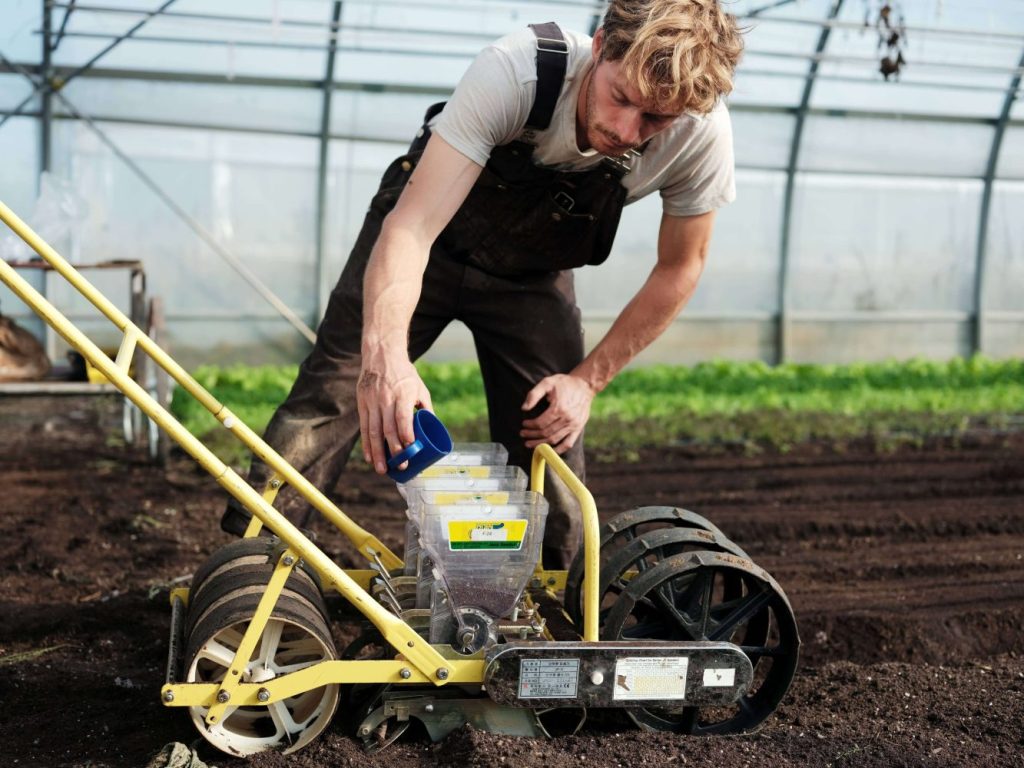
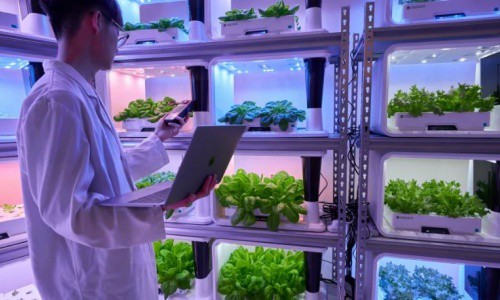
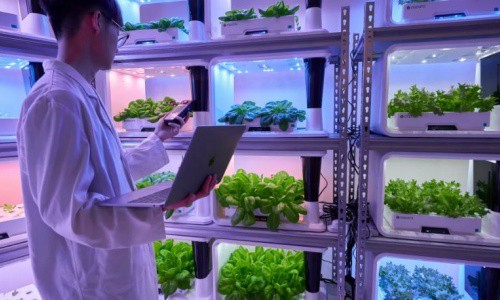
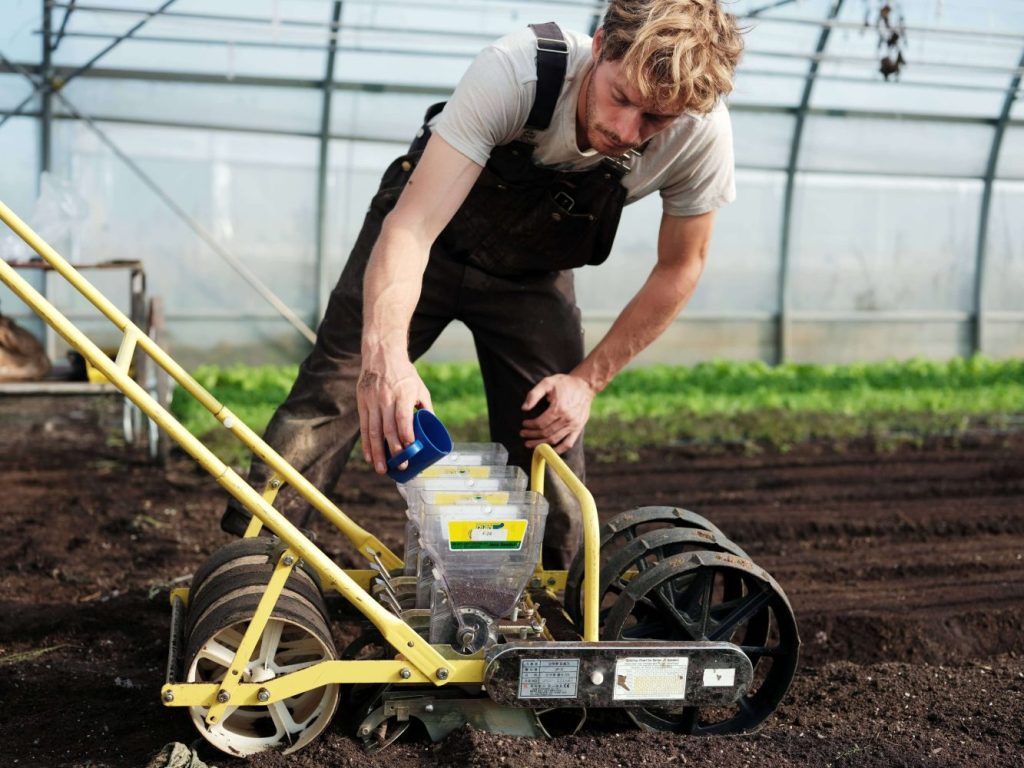
Successful herb farming begins with strong seedlings. Investing in the right seed starting and propagation equipment is critical. Seed starting trays, available in various cell sizes, are fundamental. I prefer using trays with individual cells to minimize root disturbance during transplanting. Grow lights are almost essential, especially if you're starting seeds indoors early in the season. LED grow lights are now the standard, offering energy efficiency and a full spectrum of light.
Fluorescent lights were common, but LEDs are quickly becoming the more cost-effective choice due to their longer lifespan and lower energy consumption. Heat mats provide bottom heat, which stimulates germination. Humidity domes create a moist environment, crucial for successful seed starting. For propagating herbs from cuttings, a propagation chamber – or even a simple plastic storage bin with a lid – can significantly increase success rates. Maintaining consistent humidity is key.
Soil mixes are also important. A soilless mix composed of peat moss, vermiculite, and perlite provides good drainage and aeration. Sterilization is crucial to prevent damping-off disease, which can wipe out an entire batch of seedlings. You can sterilize soil by baking it in the oven or using a commercial sterilizing mix. A good rule of thumb is to spend a little more on quality seed starting supplies – it will save you headaches later.
- Seed Starting Trays: Various cell sizes available.
- LED Grow Lights: Energy efficient, full spectrum.
- Heat Mats: Stimulate germination.
- Humidity Domes: Maintain moisture levels.
- Propagation Chamber: For rooting cuttings.
- Soilless Mix: Peat moss, vermiculite, perlite.
Grow Light Comparison for Herb Production – 2026
| Light Type | Initial Cost | Energy Consumption | Heat Generation | Herb Suitability |
|---|---|---|---|---|
| LED | Generally Higher | Lowest | Lowest | Excellent for leafy herbs; adaptable for flowering with spectrum control. |
| Fluorescent (T5/CFL) | Lower | Low | Low | Good for seedlings and vegetative growth; less effective for flowering. |
| High-Intensity Discharge (HID) – Metal Halide | Moderate | Moderate to High | High | Effective for flowering stages; requires careful heat management. |
| High-Intensity Discharge (HID) – High-Pressure Sodium | Moderate | Moderate to High | High | Promotes flowering and resin production; less suitable for vegetative growth. |
| LED (Quantum Board) | Higher | Low | Low | Uniform light distribution; beneficial for larger grow areas and consistent herb quality. |
| Vertical Farms (LED) | Highest | Lowest | Lowest | Optimized for space utilization and controlled environment; ideal for high-value herbs. |
Qualitative comparison based on the article research brief. Confirm current product details in the official docs before making implementation choices.
Irrigation: From Hand Watering to Automation
Water management is paramount in herb farming. Hand watering is feasible for very small operations, but it's labor-intensive and inefficient. Drip irrigation systems deliver water directly to the roots, minimizing water waste and reducing the risk of fungal diseases. Sprinklers are useful for larger areas, but they can lead to increased foliage wetness and disease pressure. Soaker hoses offer a compromise, providing targeted watering with less foliage wetting.
Automated timers are a game-changer, allowing you to schedule irrigation cycles and reduce labor costs. I recommend investing in a timer with multiple zones, so you can tailor watering schedules to the specific needs of different herbs. Water source is also a critical consideration. Well water is often the most cost-effective option, but it should be tested for contaminants. Municipal water is convenient but can be expensive. Rainwater harvesting is a sustainable option, but it requires a storage system.
Water quality is equally important. Herbs are sensitive to high levels of salts and other minerals. Regularly testing your water is a good practice. Consider using a water filter if necessary. Different herbs have different watering needs; for example, rosemary prefers drier conditions than mint. Understanding these nuances is key to maximizing yields and minimizing disease.
Cultivation Tools: Beyond the Hand Trowel
As your herb farm expands, you’ll need to move beyond basic hand tools. A walk-behind tiller can significantly reduce the time and effort required to prepare garden beds. Broadforks are a more sustainable option, improving soil aeration without disrupting the soil structure. Cultivators are useful for weeding and loosening the soil between rows. Investing in high-quality tools is essential; cheaper tools often break quickly and require frequent replacement.
Specialized tools for harvesting herbs can also improve efficiency. Herb scissors with multiple blades can quickly cut leafy herbs. Pruning shears are essential for woody herbs like rosemary and thyme. Ergonomic design is crucial to reduce strain and prevent injuries. Look for tools with comfortable grips and adjustable handles. Safety features, such as blade guards, are also important.
I've learned that maintaining your tools is just as important as investing in them. Regularly cleaning and sharpening your tools will prolong their lifespan and improve their performance. A well-maintained tool is a safe tool. Consider investing in a tool sharpening kit and learning how to properly sharpen your blades.
- Walk-Behind Tiller: For preparing garden beds.
- Broadfork: Sustainable soil aeration.
- Cultivator: Weeding and loosening soil.
- Herb Scissors: Quick harvesting of leafy herbs.
- Pruning Shears: For woody herbs.
Harvesting & Processing Equipment
Harvesting and processing herbs properly is crucial for maintaining their quality and potency. Sharp harvesting knives are essential for cleanly cutting herbs without bruising them. Drying racks provide good air circulation for air drying herbs. Dehydrators offer a faster and more controlled drying process, especially important for commercial operations. Investing in a commercial-grade dehydrator with temperature control is worthwhile.
Equipment for cleaning and sorting herbs is also important. A root washer can remove soil and debris from root herbs like ginger and turmeric. Sorting tables allow you to quickly inspect and remove any damaged or undesirable herbs. The method you use to dry herbs impacts their final quality. Air drying is the most traditional method, but it requires a well-ventilated space. Oven drying can be faster, but it can also degrade the herbs' volatile oils. Dehydrating offers the best control over temperature and humidity.
If you plan to make herbal products like tinctures and salves, you’ll need additional equipment, such as glass jars, alcohol, and a double boiler. Proper labeling and packaging are essential for compliance with regulations. Remember that the quality of your finished product directly reflects the quality of your raw materials and processing methods.
Greenhouse & High Tunnel Considerations
Extending the growing season and protecting crops from adverse weather often necessitates a greenhouse or high tunnel. Hoop houses are the most affordable option, consisting of curved metal hoops covered with plastic sheeting. Quonset huts are similar to hoop houses but have a more rigid frame. Gable greenhouses offer more headroom and better ventilation, but they are also more expensive. Careful site selection is crucial; the greenhouse should be located in a sunny, well-drained area.
Ventilation is essential to prevent overheating and maintain air circulation. Exhaust fans and vents can help regulate temperature and humidity. Heating systems are necessary in colder climates. Propane heaters, electric heaters, and wood stoves are all options. Cooling systems, such as evaporative coolers or misting systems, can help lower temperatures during hot weather. I've found that a combination of ventilation and shading is often the most effective cooling strategy.
This is a significant investment, so thorough planning is essential. Consider the size of the greenhouse, the type of covering material, and the cost of heating, cooling, and ventilation systems. Also, think about accessibility for watering, harvesting, and maintenance. A well-designed greenhouse can significantly increase your yields and extend your growing season.
Post-Harvest Storage & Packaging
Maintaining the quality of your herbs after harvest is as important as growing them well. Proper storage and packaging are essential for preserving their flavor, aroma, and medicinal properties. Airtight containers are crucial to prevent moisture loss and oxidation. Glass jars, plastic containers, and vacuum-sealed bags are all options. Temperature and humidity control are also important; herbs should be stored in a cool, dry, and dark place.
Proper labeling is essential for identifying the herb, the harvest date, and any relevant information about its origin or processing. Complying with food safety regulations is also crucial. Packaging materials should be food-grade and appropriate for the type of herb. Sustainable packaging options, such as biodegradable bags and recycled cardboard, can enhance your brand image. I’ve seen a growing demand for eco-friendly packaging among consumers.
Consider the shelf life of your herbs. Dried herbs typically have a longer shelf life than fresh herbs. Properly stored herbs can retain their quality for several months or even years.
Essential Safety Gear & Compliance
Herb farming, like any agricultural operation, involves potential hazards. Protecting yourself and your workers is paramount. Essential safety gear includes gloves to protect your hands from thorns and irritants, masks to prevent inhaling dust and pollen, eye protection to shield your eyes from debris, and protective clothing to guard against sunburn and insect bites. Following safety protocols, such as using proper lifting techniques and operating equipment safely, is crucial.
Compliance with relevant regulations is also essential. The American Herbal Pharmacopoeia’s Good Agricultural and Collection Practices (GACP) provide guidance on growing and harvesting herbs in a safe and sustainable manner. These guidelines cover aspects such as soil quality, water management, pest control, and harvesting practices. Adhering to GACP demonstrates your commitment to quality and safety.
It's easy to overlook these things when you're starting out, but they're crucial for protecting yourself, your workers, and your business. Investing in safety gear and training is a smart investment that can prevent accidents and ensure long-term sustainability.
- Gloves: Protect hands.
- Masks: Prevent inhalation of dust/pollen.
- Eye Protection: Shield eyes from debris.
- Protective Clothing: Guard against sunburn/insect bites.
Essential Equipment
- Seed Starting Trays & Domes - For controlled germination, consider using durable plastic seed starting trays with humidity domes. Bootstrap Farmer offers a variety of sizes.
- Irrigation System - A drip irrigation system, such as those from Raindrip, minimizes water waste and delivers moisture directly to plant roots. Timer-based controllers are crucial for efficiency.
- Walk-Behind Tractor/Cultivator - A BCS 732 is a popular choice for small-scale farms needing tilling, rotary hoeing, and potentially flame weeding capabilities.
- Harvesting Tools - High-quality stainless steel harvesting shears (e.g., Fiskars PowerGear) and knives are essential for clean cuts and minimizing plant damage. Multiple sets are recommended for larger operations.
- Post-Harvest Cooling System - Maintaining produce temperature is vital. A walk-in cooler from Norlake is a substantial investment, but crucial for extending shelf life, or a smaller, portable unit may suffice.
- Packaging Equipment - Depending on sales channels, options include heat sealers (e.g., from Ideal Package) for bags, or labeling machines for jars and containers. Consider scale and automation needs.
- Soil Testing Kit - Regularly testing soil pH and nutrient levels is critical. A LaMotte soil test kit provides a comprehensive analysis, informing fertilization strategies.
No comments yet. Be the first to share your thoughts!