
The herb market in 2026
Herb demand is climbing. People want local, organic ingredients for their kitchens and home apothecaries. By 2026, the market for these crops will likely stay strong as more people move away from mass-produced grocery store options.
However, entering the herb business requires more than just a passion for plants. It demands dedication, hard work, and a solid understanding of cultivation, marketing, and business management. It’s not a get-rich-quick scheme, but a potentially profitable venture for individuals willing to invest the time and effort. The initial learning curve can be steep, and competition exists, but a well-planned and executed herb business can flourish.
Current trends favor small-scale, diversified farms that prioritize quality and sustainability. Consumers are often willing to pay a premium for herbs grown using organic practices and sold directly from the source. Focusing on niche markets – like rare medicinal herbs or specialized culinary blends – can also provide a competitive edge. The key is to identify a gap in the market and offer a product or service that meets a specific need.

Five ways to start your business
Starting an herb business doesn't require vast acreage or a huge initial investment. There are several viable business models, each with its own set of challenges and rewards. Based on insights from Chestnut Herbs, here are five ideas to explore.
Dried Herb & Tea Blends: This is a relatively low-cost entry point. Startup costs could range from $500 to $2,000, primarily for drying equipment, packaging materials, and initial herb inventory. Revenue comes from direct sales (farmers’ markets, online stores) and wholesale to tea shops and health food stores. Expertise in herbalism and flavor profiling is beneficial.
Fresh Herb Sales to Restaurants: Building relationships with local chefs is crucial. Startup costs are moderate, around $1,000 to $5,000, depending on growing space and irrigation systems. Revenue is generated through consistent deliveries of fresh herbs. This model requires reliable production and efficient logistics. Chefs value consistent quality and availability.
Herb Starts & Seedlings: This caters to the home gardening market. Startup costs are around $2,000 to $8,000, largely for propagation equipment (seed starting trays, grow lights) and greenhouse space. Revenue comes from spring and fall plant sales. This requires knowledge of plant propagation techniques and seasonal timing.
Medicinal Salve/Tincture Production: This offers higher profit margins but comes with significant regulatory hurdles. Startup costs can vary widely, from $3,000 to $15,000+, depending on the scale of production and equipment. Revenue comes from direct sales and potentially wholesale to health food stores. Extensive knowledge of herbal medicine and strict adherence to Good Manufacturing Practices (GMP) are essential. Regulations surrounding medicinal products are complex and vary by location, so legal consultation is non-negotiable.
Herb Garden Design & Consultation: This leverages your herbal knowledge to help others create their own herb gardens. Startup costs are relatively low, around $500 to $1,500, primarily for marketing materials and design software. Revenue comes from consultation fees and potentially plant sales. Strong design skills and communication abilities are important.
- Dried herb and tea blends: $500 startup for drying racks and bags.
- Fresh Herb Sales to Restaurants: $1,000 - $5,000 startup, consistent deliveries
- Herb Starts & Seedlings: $2,000 - $8,000 startup, seasonal plant sales
- Medicinal Salve/Tincture Production: $3,000 - $15,000+ startup, strict regulations
- Herb Garden Design & Consultation: $500 - $1,500 startup, consultation fees
Herb Business Startup Comparison - 2026 Outlook
| Business Model | Startup Investment | Revenue Potential | Skill Level | Time Demand | Regulation |
|---|---|---|---|---|---|
| Dried Herb Sales | Low | Moderate | Beginner | Part-time | Low |
| Fresh Herb Market Sales | Low to Medium | Moderate | Beginner | Part-time to Full-time | Low to Medium |
| Herb Plant Starts | Medium | Moderate to High | Intermediate | Part-time to Full-time | Medium |
| Value-Added Products (Teas, Salves) | Medium to High | High | Intermediate to Expert | Full-time | Medium to High |
| Herb Subscription Boxes | Medium | Moderate | Intermediate | Full-time | Medium |
| Culinary Herb Garden Design/Installation | Medium to High | High | Intermediate to Expert | Full-time | Medium |
Qualitative comparison based on the article research brief. Confirm current product details in the official docs before making implementation choices.
Land and soil needs
Commercial herb growing can be done on a variety of scales, from a small backyard garden to several acres of farmland. The amount of land required depends on the chosen business model and the target production volume. Starting small allows you to learn the ropes and refine your techniques before investing in a larger operation. A quarter-acre is a reasonable starting point for many herb businesses.
Soil health is paramount. Organic practices are not just a marketing advantage; they're essential for producing high-quality herbs with superior flavor and medicinal properties. This means building rich, well-drained soil with plenty of compost and organic matter. Soil testing is crucial to determine nutrient deficiencies and pH imbalances. Consider cover cropping to improve soil fertility and suppress weeds.
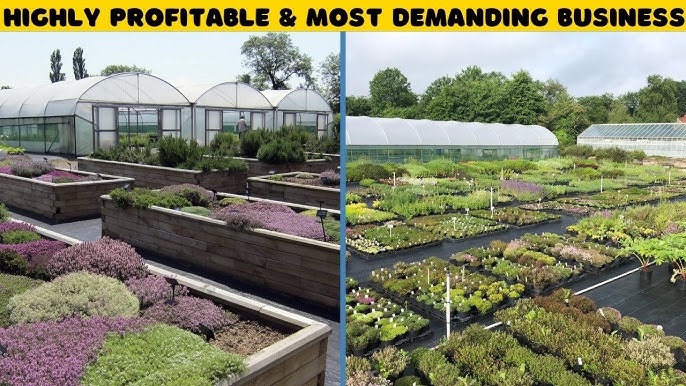
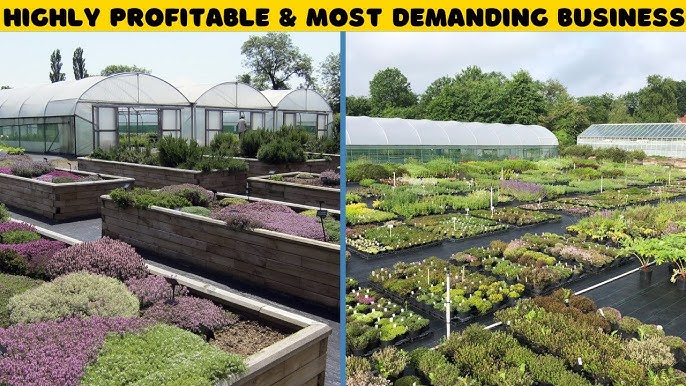
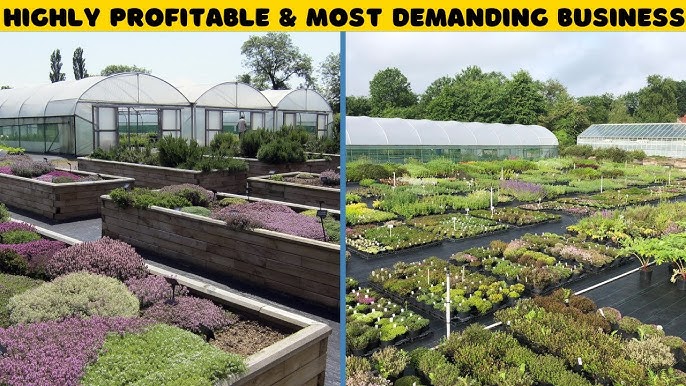
Scalability requires careful planning. As demand grows, you'll need to expand your growing space and potentially invest in automation. Greenhouse cultivation offers greater control over the growing environment and allows for year-round production. Efficient irrigation systems (drip irrigation is preferred) are essential for conserving water and delivering nutrients directly to the roots. Effective pest and disease management is also key. Implementing integrated pest management (IPM) strategies – using beneficial insects, crop rotation, and organic pesticides – is vital.
Detailed record-keeping is non-negotiable. Track planting dates, yields, costs (seeds, fertilizer, labor), and sales data. This information will help you identify profitable herbs, optimize your growing practices, and make informed business decisions. It's also essential for complying with organic certification standards if you choose to pursue that route.
Profitable Herb Choices for 2026
Selecting the right herbs to grow is critical for profitability. Demand fluctuates, so staying informed about market trends is essential. Culinary herbs remain consistently popular, with basil, rosemary, thyme, oregano, and mint being staples in many kitchens. These are generally easy to grow and propagate, making them good choices for beginners.
Medicinal herbs are also in high demand, particularly echinacea, calendula, chamomile, lavender, and lemon balm. These herbs are used in a variety of products, including teas, tinctures, salves, and essential oils. Demand for elderberry, known for its immune-boosting properties, has surged in recent years. However, growing and processing medicinal herbs requires more specialized knowledge and adherence to strict quality control standards.
Niche herbs can offer higher profit margins but may require more marketing effort. Stevia, a natural sweetener, is gaining popularity as consumers seek healthier alternatives to sugar. Lemon verbena, with its unique citrusy flavor, is prized by chefs and herbalists. Shiso, a Japanese herb, is becoming increasingly popular in Asian cuisine. Market pricing varies widely depending on the herb, growing method (organic vs. conventional), and quantity purchased. Organic herbs typically command a premium price.
Consider factors like growing season, climate, and pest susceptibility when selecting herbs. Herbs that are well-suited to your local conditions will require less intervention and produce higher yields. Research the market demand in your area and focus on herbs that are not already oversupplied. Talk to local chefs, herbalists, and health food store owners to get their input.
- Culinary Herbs: Basil, Rosemary, Thyme, Oregano, Mint
- Medicinal Herbs: Echinacea, Calendula, Chamomile, Lavender, Lemon Balm, Elderberry
- Niche Herbs: Stevia, Lemon Verbena, Shiso
Profitable Herb Options
- Basil - Highly popular in culinary applications, especially Italian cuisine. Requires warm temperatures, full sun, and well-drained soil. Multiple harvests are possible throughout the growing season.
- Mint - Versatile herb used in teas, desserts, and savory dishes. Known for its vigorous growth, often best contained in pots or designated areas to prevent spreading. Prefers partial shade and moist soil.
- Rosemary - A woody perennial herb favored for its fragrant needles used in cooking and aromatherapy. Requires full sun, well-drained soil, and is relatively drought-tolerant once established.
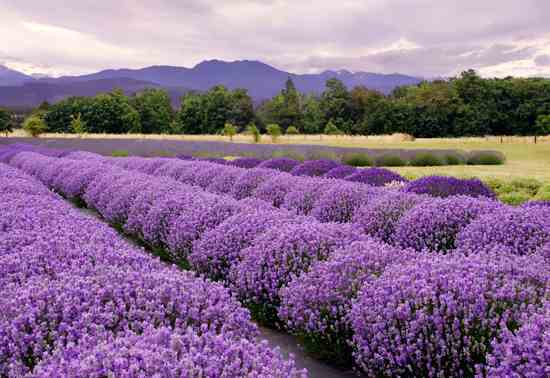
- Lavender - Prized for its calming fragrance and use in essential oils, soaps, and culinary applications. Thrives in full sun, well-drained, slightly alkaline soil. Requires careful pruning.
- Chives - A mild onion-flavored herb used as a garnish and ingredient in various dishes. Easy to grow from seed or division, preferring full sun and moist, fertile soil. Can be harvested repeatedly.
- Parsley - A widely used culinary herb, available in flat-leaf and curly varieties. Requires full sun to partial shade and consistently moist, well-drained soil. Frequent harvesting encourages growth.
- Thyme - A robust herb used in savory dishes, particularly in Mediterranean cuisine. Prefers full sun, well-drained soil, and is relatively drought-tolerant. Several varieties offer different flavors and growth habits.
Marketing Your Herb Business
Effective marketing is essential for reaching your target customers. Direct sales channels, such as farmers’ markets and farm stands, allow you to build relationships with customers and showcase the quality of your herbs. These venues also provide valuable feedback and market research opportunities.
Wholesale is a viable option for reaching a wider audience. Restaurants, health food stores, and tea shops are all potential wholesale customers. Building strong relationships with chefs and herbalists is key. Offer consistent quality, reliable delivery, and competitive pricing. Consider providing samples and educational materials.
Online sales offer the greatest reach but require more effort to establish. Platforms like Etsy and Shopify provide easy-to-use tools for setting up an online store. Your own website offers greater control over branding and customer experience. Social media marketing (Instagram, Facebook) is crucial for building brand awareness and engaging with your audience. High-quality photos and informative content are essential.
Branding is more than just a logo; it’s the overall impression you create. Develop a unique brand identity that reflects your values and resonates with your target customers. Consider your packaging, website design, and messaging. Local partnerships can also boost your marketing efforts. Collaborate with other local businesses, such as restaurants or farmers’ markets, to cross-promote your products.
Legal hurdles
Navigating the legal and regulatory landscape is crucial for any herb business. You’ll need to obtain the necessary business licenses and permits from your local and state governments. Food safety regulations apply to all herb products, even those grown organically. Ensure your growing and processing facilities meet the required standards.
The regulations surrounding medicinal herb products are particularly complex and vary significantly by location. In many jurisdictions, selling products with health claims requires FDA approval or compliance with specific labeling requirements. It's essential to consult with a legal professional to ensure you’re complying with all applicable laws and regulations.
Labeling requirements are strict and vary depending on the product. You’ll need to accurately list all ingredients, net weight, and any potential allergens. Liability insurance is also essential to protect your business from potential lawsuits. Consider obtaining product liability insurance to cover any claims related to the safety or efficacy of your herbs.
Maintaining accurate records of all transactions and adhering to good manufacturing practices (GMP) are essential for demonstrating compliance. Failure to comply with regulations can result in fines, product recalls, or even legal action. Don't underestimate the importance of staying informed about changes in regulations.
Resources and Further Learning
Aspiring herb entrepreneurs have access to a wealth of resources. Books like The Herbal Medicine-Maker's Handbook by James Green provide valuable insights into herbalism and product formulation. Websites like the American Herbalists Guild () offer information and resources for herbal practitioners.
The Chestnut School of Herbal Medicine () offers a variety of online and in-person courses on herbalism and sustainable agriculture. The YouTube video “Medicinal And Herbal Farming : Demanding Farming Business Ideas from Scratch” by Agriculture Central () provides a helpful overview of starting a medicinal herb farm.
Local agricultural extension offices can provide valuable assistance with soil testing, pest management, and business planning. Connecting with other herb growers and farmers can also provide valuable insights and support. Continuous learning is essential for success in this dynamic industry.
No comments yet. Be the first to share your thoughts!