
Herb Business Startup: Initial Vision
To start an herb garden business, you need a clear vision. Define your business type: culinary herbs for restaurants, medicinal herbs for herbalists, or a broader range for direct consumer sales? Consider the scale, too. A small backyard operation selling at a local farmers market differs greatly from a larger farm supplying grocery stores.
Market research is essential. Don't assume demand for everything you want to grow. Talk to potential customers—chefs, shop owners, and consumers—to understand their needs. Identifying a niche offers a competitive edge. Specializing in hard-to-find varieties, organic herbs, or herbal teas can set you apart. Focused effort yields better results than trying to grow everything.
Legal considerations are often overlooked. Check local zoning regulations, business licenses, and permits. Some herbs face specific regulations, particularly if marketed for medicinal purposes. Ignoring these can lead to fines or closure. Understanding these rules saves future problems.
Many startups fail due to inadequate planning. A business plan, even a simple one, acts as your roadmap. It makes you consider all business aspects—production, marketing, finances—and identify potential challenges early. A solid plan is about preparation, not prediction.
Startup Costs: A Detailed Breakdown
Starting an herb garden business requires capital, varying dramatically by scale and methods. Startup costs include one-time expenses like tools, equipment, and initial infrastructure, alongside ongoing expenses such as seeds, soil amendments, water, and marketing.
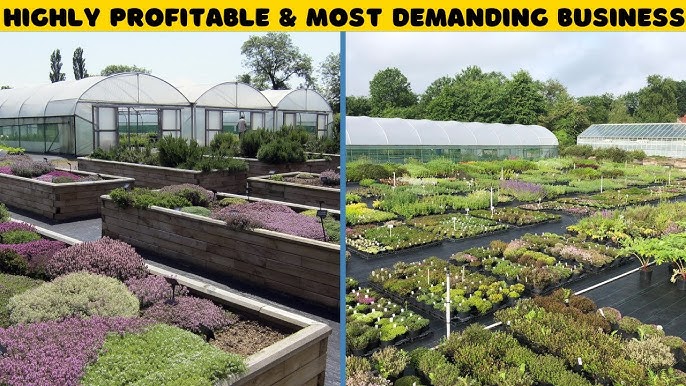
Seeds range from a few dollars for common varieties to over $10 per packet for rare or organic types. Soil preparation costs vary by growing method. Raised beds need lumber and soil mix; in-ground gardens may require soil testing and amendments. Equipment like pots, trays, irrigation systems, drying racks, and harvesting tools can cost $500-$1000 for a basic setup, or over $5000 for a greenhouse setup.
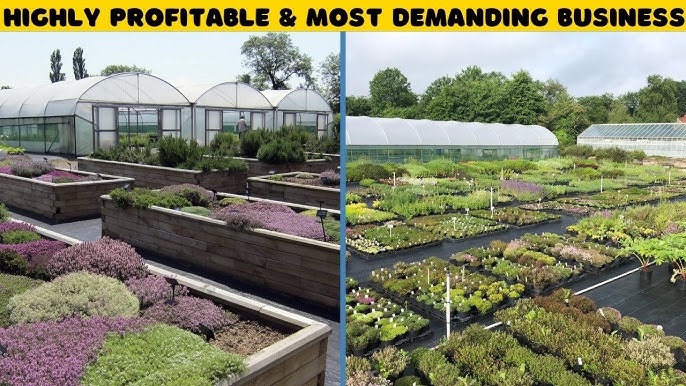
Infrastructure costs can be significant. A greenhouse offers climate control and extends the growing season but is a major investment. A shed or storage area is needed for tools and supplies. Factor in licenses and permits, which vary by location. The initial investment can range from a few hundred to several thousand dollars, depending on the operation's scale.
Minimize expenses early on by starting small and expanding gradually. Use recycled materials like old pallets for raised beds or plastic containers for starting seeds. Source locally to reduce transportation costs and consider bartering with other farmers. Every dollar saved can be reinvested.
- Seeds: $5 - $50+
- Soil & Amendments: $100 - $500+
- Tools & Equipment: $200 - $1000+
- Infrastructure (Greenhouse, Shed): $0 - $5000+
- Licenses & Permits: $50 - $500+
Herb Garden Business Startup Cost Estimates - 2026 Projection
| Cost Category | Low Initial Investment | Moderate Investment | Significant Investment | Notes |
|---|---|---|---|---|
| Seeds/Plants | Basic Seed Selection | Wider Variety, Some Starts | Extensive Variety, Primarily Starts | Initial investment heavily influences species diversity and time to maturity. |
| Soil/Amendments | Locally Sourced Topsoil | Blended Topsoil & Compost | Specialized Soil Mixes & Organic Amendments | Soil quality impacts yield and may require ongoing amendments. |
| Equipment | Hand Tools | Small Power Tools, Basic Irrigation | Automated Irrigation, Small Tractor | Equipment choices affect labor requirements and scalability. |
| Infrastructure | Existing Garden Space | Small Greenhouse/Hoop House | Larger Greenhouse, Packing Shed | Infrastructure provides environmental control and processing capabilities. |
| Licenses/Permits | Home-Based Business License | Local Nursery License | State-Level Nursery & Food Handling Permits | Regulatory requirements vary significantly by location and sales method. |
| Marketing | Local Farmers Markets | Basic Website & Social Media | Professional Website, Targeted Advertising | Marketing spend directly impacts customer reach and brand awareness. |
| Packaging | Simple, Recycled Materials | Branded Labels & Basic Packaging | Custom Packaging, Branding Elements | Packaging influences perceived value and brand recognition. |
Qualitative comparison based on the article research brief. Confirm current product details in the official docs before making implementation choices.
Cultivation & Production Planning
Successful herb cultivation needs careful planning. Select herbs based on demand, climate suitability, and profitability. Research popular local herbs, those that grow well in your climate, and those with good prices. Grow a mix of high-demand herbs like basil, mint, and rosemary, plus specialty herbs to differentiate your business.
Choose from several growing methods. In-ground gardening is traditional but needs good soil and drainage. Raised beds offer better drainage and soil control but require more initial investment. Container gardening suits small spaces and allows portability. Hydroponics provides fast growth and high yields but needs specialized knowledge and equipment. Select the method that best suits your resources and goals.
Soil preparation is critical. Herbs generally prefer well-drained, fertile soil with a pH of 6.0-7.0. Amend soil with compost or organic matter for better structure and fertility. Pest and disease management is essential, with organic methods often preferred or required for certifications. Companion planting, beneficial insects, and preventative measures can minimize problems. A well-planned planting schedule ensures continuous supply.
Harvest herbs at the right time for maximum flavor and potency, typically just before flowering when essential oil content is highest. Use sharp tools to avoid damaging plants and handle herbs gently to prevent bruising. Proper techniques ensure a high-quality product and allow for repeat harvests.
- Popular Herbs: Basil, Mint, Rosemary, Thyme, Oregano
- Specialty Herbs: Lemon Verbena, Lovage, Shiso, Chocolate Mint
- Growing Methods: In-ground, Raised Beds, Containers, Hydroponics
Processing & Value-Added Products
Growing herbs is just the first step. To maximize your profits, you need to add value to your harvest. Processing methods include drying, freezing, and making infusions. Drying is the most common method, preserving herbs for long-term storage. Freezing preserves the fresh flavor of herbs, but it can alter their texture. Infusions involve steeping herbs in oil, vinegar, or alcohol to extract their flavor and aroma.
Creating value-added products opens up new revenue streams. Herbal teas are a popular choice, as are infused oils, vinegars, and seasonings. Soaps, salves, and other body care products made with herbs are also in demand. The key is to identify products that appeal to your target market and offer a unique selling proposition.
Packaging and labeling are crucial for attracting customers. Use attractive, airtight packaging to preserve the quality of your products. Labels must comply with regulations regarding ingredient lists, net weight, and allergen information. Accurate and informative labeling builds trust with customers.
Food safety regulations are paramount. If you’re selling food products, you need to comply with local and state food safety laws. This may involve obtaining a food handler’s permit and undergoing regular inspections. I'm not a legal advisor, and regulations can be complex, so consulting with a professional is always a good idea.
- Drying: Air drying, oven drying, dehydrator
- Freezing: Whole leaves, chopped, in oil or water
- Infusions: Oils, vinegars, honeys
Marketing & Sales Channels
Getting your herbs to market requires a strategic approach. Direct sales channels offer the highest profit margins, but they also require more effort. Farmers’ markets are a great way to connect with customers and build relationships. Roadside stands can be effective in high-traffic areas. Online stores (Etsy, Shopify) allow you to reach a wider audience, but they also require marketing and shipping expertise.
Wholesale opportunities can provide a steady stream of income, but the profit margins are typically lower. Selling to restaurants, health food stores, and herbalists requires building relationships and offering competitive pricing. Consider offering bulk discounts to attract wholesale customers.
Branding is essential for creating a recognizable identity. Develop a logo, choose a color scheme, and craft a consistent message that reflects your brand values. Social media marketing is a powerful tool for reaching potential customers. Share photos of your herbs, recipes, and updates about your business. Building an email list allows you to stay in touch with customers and promote new products.
Don't underestimate the power of local networking. Attend industry events, join local farmers’ associations, and collaborate with other businesses. Word-of-mouth marketing is still one of the most effective forms of advertising. A satisfied customer is your best advocate.
- Direct Sales: Farmers’ Markets, Roadside Stands, Online Stores
- Wholesale: Restaurants, Health Food Stores, Herbalists
- Marketing: Social Media, Email Marketing, Local Networking
Marketing Resources
- Etsy Seller Handbook - Comprehensive guides on shop setup, listing optimization, and Etsy’s seller policies. Focuses on photography, shipping, and customer service best practices.
- Shopify Learn - Offers free courses and tutorials covering e-commerce fundamentals, store design, and marketing strategies applicable to herb product sales.
- HubSpot Marketing Blog - Provides articles and resources on inbound marketing, content creation, social media marketing, and SEO, useful for attracting customers to an online herb business.
- Local Harvest - A directory to locate and research farmers' markets across the United States, aiding in identifying potential sales venues.
- Constant Contact Blog - Offers advice on email marketing, a valuable tool for nurturing customer relationships and promoting seasonal herb offerings.
- Sprout Social Insights - Provides data and articles on social media trends and analytics, assisting in optimizing social media marketing efforts for herb garden businesses.
- Square Online Resources - Offers tutorials and support for building and managing an online store, including payment processing and inventory management, relevant for direct herb sales.
Financial Projections: Revenue & Profit
Creating realistic financial projections is crucial for assessing the viability of your herb business. Start by estimating your revenue based on projected yields, pricing, and sales volume. Consider the seasonality of herb production and adjust your projections accordingly. Pricing should be competitive but also reflect the quality and uniqueness of your products.
Calculating your expenses is equally important. Include startup costs, ongoing costs, and cost of goods sold (COGS). COGS includes the cost of seeds, soil, packaging, and other materials used to produce your herbs. Accurate expense tracking is essential for determining your profitability.
An income statement summarizes your revenue and expenses over a specific period, such as a month or a year. A cash flow forecast projects your cash inflows and outflows over time. These financial statements provide valuable insights into the financial health of your business.
Be conservative with your estimates. It’s better to underestimate your revenue and overestimate your expenses. This will give you a more realistic picture of your potential profitability and help you avoid unpleasant surprises. Underpromise and overdeliver is a guiding principle.
- Revenue = Yield x Price x Sales Volume
- Expenses = Startup Costs + Ongoing Costs + COGS
- Income Statement = Revenue - Expenses
- Cash Flow Forecast = Inflows - Outflows
Scaling & Long-Term Growth
Once your herb business is established, you can start thinking about scaling and long-term growth. Expanding your product line is a great way to increase revenue. Consider adding new herbs, creating more value-added products, or offering workshops and classes. Increasing your production capacity may require investing in additional infrastructure or hiring help.
Exploring new markets can also drive growth. Consider selling your herbs at more farmers’ markets, expanding your online presence, or targeting new wholesale customers. Diversification reduces your reliance on any single market and increases your resilience to changing conditions.
Continuous learning is essential for staying ahead of the curve. Attend industry conferences, read trade publications, and network with other herb growers. The market for herbs is constantly evolving, so it’s important to stay informed about new trends and technologies.
Consider offering educational workshops or events to diversify your income stream and build brand loyalty. This also positions you as an expert in the field and attracts new customers. Building a sustainable herb business is a long-term commitment, requiring dedication, adaptability, and a passion for herbs.
- Expand Product Line: New Herbs, Value-Added Products, Workshops
- Increase Production Capacity: Infrastructure, Hiring
- Explore New Markets: More Farmers’ Markets, Online Expansion, Wholesale
No comments yet. Be the first to share your thoughts!