
Is a herb business right for you?
Growing herbs for a living sounds peaceful, but the reality is mostly sweat and spreadsheets. If you hate accounting or marketing, the fact that you love plants won't save the business. You're trading gardening for a job that includes heavy lifting, seasonal stress, and constant sales calls.
I’ve spoken with several herb farmers who initially underestimated the time commitment. Many began as a hobby, then quickly found themselves overwhelmed when trying to scale. The work is often seasonal and demanding, with long hours during planting, harvesting, and processing. You need to be comfortable with both the creative aspects of growing and the less glamorous tasks of business management.
Consider your personality. Are you self-motivated and disciplined? Do you enjoy problem-solving and working independently? Can you handle financial risk? A herb business requires resilience and a willingness to learn constantly. It’s not a get-rich-quick scheme, and success requires patience and dedication. Don't underestimate the importance of networking with other growers too – their experience is invaluable.
Finally, think about your lifestyle. A herb farm, even a small one, can be all-consuming. It will impact your free time and require a significant investment of energy. If you’re looking for a passive income stream, this probably isn’t it. But if you’re passionate about herbs and willing to put in the work, it can be a deeply satisfying and profitable venture.
Small-scale vs. commercial growing
Your approach to growing herbs will significantly impact your bottom line. Starting small allows you to test the market and refine your techniques, but scaling up requires a more efficient and potentially more capital-intensive approach. There's no one-size-fits-all solution, and the right method depends on your goals and resources.
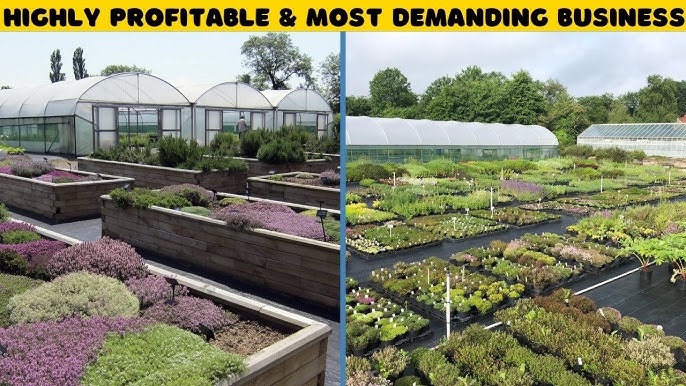
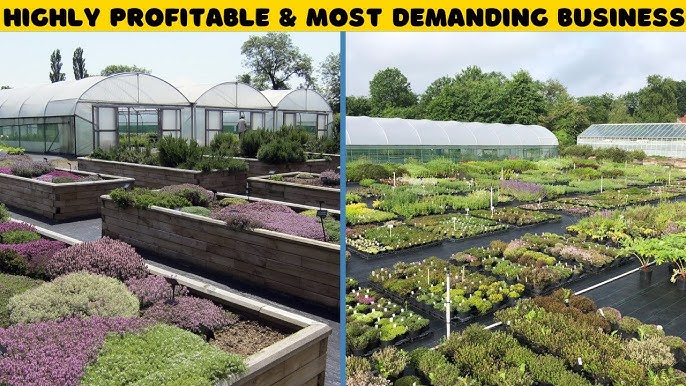
Container gardening is ideal for beginners with limited space. It allows for precise control over soil and watering, but it’s labor-intensive and can be expensive to scale. Raised beds offer a good compromise – they improve drainage and soil quality, and are easier to manage than large fields. They’re a good stepping stone towards larger-scale production.
Hoop houses (also called high tunnels) extend the growing season and protect plants from harsh weather. They require a moderate investment, but can significantly increase yields. They aren’t heated, relying on solar gain, so climate is a factor. Full-scale field cultivation is the most efficient method for large-scale production, but it requires significant land, equipment, and expertise.
I’ve found that many successful growers start with a combination of methods. For example, they might use containers for starting seedlings, raised beds for high-value herbs, and a hoop house for season extension. Don’t be afraid to experiment and find what works best for your specific situation. Remember that controlling the growing environment is often more important than maximizing space.
Comparing Herb Business Ideas for 2026
| Business Idea | Startup Investment | Skill Level | Revenue Potential | Time Demand | Competition Level |
|---|---|---|---|---|---|
| Dried Herb Sales | Low | Beginner | Medium | Part-time | Medium |
| Herb Starts/Seedlings | Medium | Intermediate | Medium | Part-time to Full-time (seasonal) | Medium to High |
| Fresh Cut Herbs (Local) | Low to Medium | Beginner | Low to Medium | Part-time | Low to Medium |
| Value-Added Products (Teas, Salves) | Medium | Intermediate | Medium to High | Part-time to Full-time | Medium |
| Herbal Consultations | Low | Expert | Medium | Part-time | Low |
| Wholesale to Restaurants/Shops | Medium to High | Intermediate | Medium to High | Full-time | Medium to High |
Qualitative comparison based on the article research brief. Confirm current product details in the official docs before making implementation choices.
Profitable herbs for 2026
Herb popularity fluctuates with culinary trends and growing interest in natural health products. What's hot today may cool off tomorrow, so it’s important to stay informed. I’ve compiled a list of ten herbs that currently have strong demand and are projected to remain profitable in the coming years.
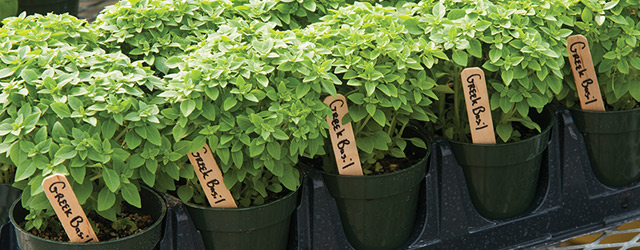
1. Basil: Always a staple, particularly specialty varieties like Thai and lemon basil. High demand from restaurants and home gardeners. Wholesale price: $8-15/lb.
2. Mint: Versatile and easy to grow, with a wide range of culinary and medicinal uses. Peppermint and spearmint are the most popular. Wholesale price: $5-10/lb.
3. Rosemary: Increasingly popular in both cooking and aromatherapy. Drought-tolerant and relatively low-maintenance. Wholesale price: $6-12/lb.
4. Thyme: Another culinary workhorse, with a long shelf life. Lemon thyme and creeping thyme are popular varieties. Wholesale price: $7-14/lb.
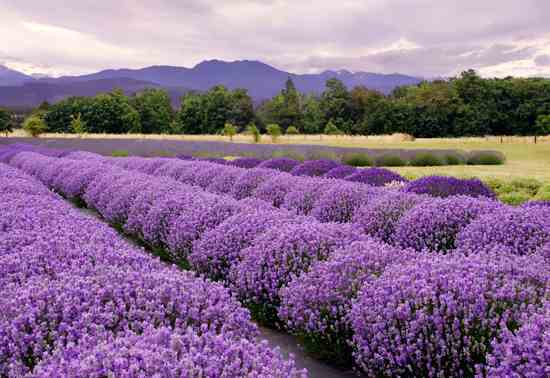
5. Lavender: Demand for lavender is driven by the aromatherapy and skincare industries. Requires well-drained soil and full sun. Wholesale price: $10-20/lb.
6. Chamomile: Used for its calming properties in teas and skincare products. German and Roman chamomile are the most common types. Wholesale price: $8-16/lb.
7. Echinacea: A popular immune-boosting herb with a growing market. Requires a long growing season. Wholesale price: $12-25/lb.
8. Lemon Balm: A fragrant herb with calming properties, often used in teas and tinctures. Easy to grow and relatively pest-free. Wholesale price: $6-12/lb.
9. Sage: Both culinary and medicinal uses. Clary sage is also gaining popularity for its hormonal balancing properties. Wholesale price: $7-13/lb.
10. Culinary Hyssop: Less commonly grown, but gaining traction due to it’s unique flavor and medicinal properties. Offers a potentially higher profit margin. Wholesale price: $15-25/lb.
Regulations and licensing
Local inspectors can shut you down faster than a late frost. Rules change depending on your county and whether you're selling a bunch of fresh basil or a bottled tincture. You need to check your specific state's agricultural code before you print a single label.
First, you’ll likely need a general agricultural license to operate a farm. Second, if you’re selling herbs for culinary use, you may need to comply with food safety regulations, such as those outlined by the FDA. This could involve inspections and adherence to Good Agricultural and Collection Practices (GACP).
If you’re selling herbs for medicinal purposes, the regulations become even more complex. Many states have specific requirements for growing, processing, and labeling medicinal herbs. You may need to obtain a separate license and comply with Good Manufacturing Practices (GMP).
I recommend contacting your local Department of Agriculture and Small Business Administration to learn about the specific regulations in your area. The USDA also provides resources on agricultural regulations. Don't rely on assumptions – verify everything with the relevant authorities.
Profitable Herb Options
- Basil - A culinary staple, popular in pesto, Italian dishes, and more.
- Mint - Versatile for teas, cocktails, and culinary uses. Several varieties exist (peppermint, spearmint).
- Rosemary - A fragrant herb used in Mediterranean cuisine and aromatherapy. Known for its woody stems.
- Lavender - Highly sought after for essential oils, soaps, and relaxation products. Requires well-drained soil.
- Chives - A mild onion-flavored herb, easy to grow and popular as a garnish.
- Parsley - A widely used culinary herb, available in flat-leaf and curly varieties. A good source of vitamins.
- Thyme - A robust herb used in savory dishes, particularly meats and stews. Drought-tolerant once established.
- Oregano - A key ingredient in Italian and Greek cuisine, known for its pungent flavor. Often dried for use.
Moving from garden to farm
Successfully scaling your herb business requires careful planning and investment. It’s a significant leap from a small garden to a commercial operation, and it’s important to be prepared for the challenges ahead. This isn’t just about planting more herbs; it’s about streamlining your entire operation.
Financing is often the biggest hurdle. You may need to seek loans, grants, or investors to fund your expansion. Equipment purchases – such as tractors, tillers, and drying equipment – can be substantial. Labor management becomes increasingly important as you grow, and you may need to hire employees or contractors.
Streamlining your operations is crucial for efficiency. This includes automating tasks, improving inventory management, and optimizing your growing methods. Consider investing in software to track sales, expenses, and inventory. Don't overlook the importance of efficient harvesting and processing techniques.
Scaling up is inherently risky. Demand may not meet your increased production capacity, or unexpected challenges may arise. It’s important to have a solid business plan and a financial cushion to weather any storms. Be realistic about your capabilities and don’t overextend yourself.
Resources for growers
Starting a herb business is a continuous learning process. There are countless resources available to help you along the way. Here are a few to get you started.
Books: The Herbal Medicine-Maker’s Handbook by James Green, Rosemary Gladstar’s Medicinal Herbs: A Beginner’s Guide. Websites: Chestnut Herbs (), Mother Earth News ().
Organizations: American Herbalists Guild (). Online Courses: Chestnut School of Herbal Medicine offers a variety of online courses. Local agricultural extension offices also provide valuable resources and workshops.
Remember to network with other herb growers and learn from their experiences. Join online forums and attend industry events. The herb growing community is generally very supportive and willing to share knowledge.
- Books: The Herbal Medicine-Maker’s Handbook, Rosemary Gladstar’s Medicinal Herbs
- Websites: Chestnut Herbs and Mother Earth News provide technical growing guides.
- Organizations: The American Herbalists Guild is the main body for professional standards.
- Online Courses: Chestnut School of Herbal Medicine
No comments yet. Be the first to share your thoughts!