
herb sales beyond the farmers market
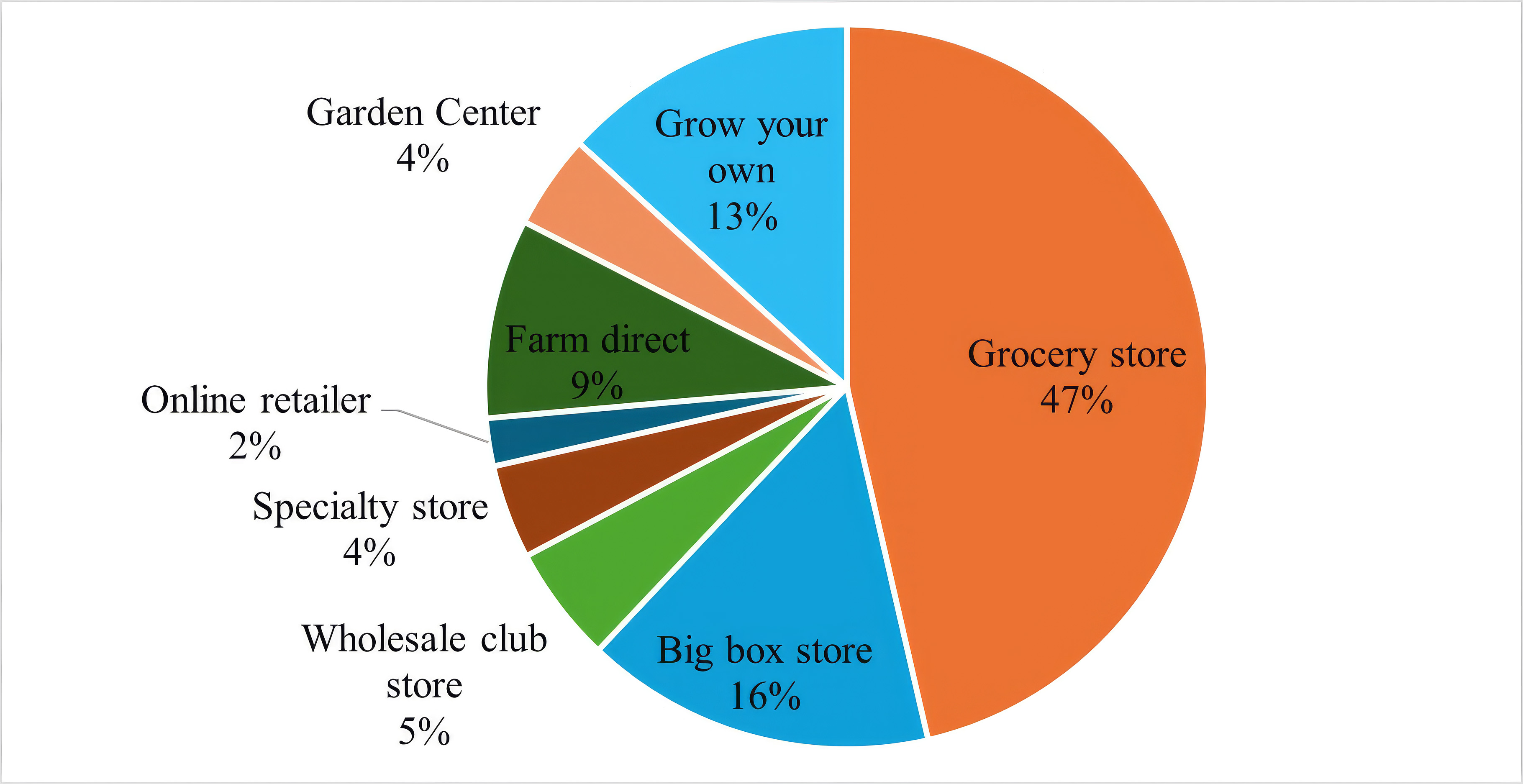
The herb market is shifting. While farmers markets remain a viable option, direct-to-consumer sales are increasingly happening online, and that competition is only growing. What worked five years ago – a simple table at the local market – isn't enough to stand out today. Consumers are actively searching for specialized herbs and convenient delivery options.
The good news is, the demand for fresh, high-quality herbs is strong. People are cooking more at home, exploring natural remedies, and seeking unique flavors. This presents a real opportunity for herb growers who are willing to adapt and embrace digital marketing. It’s not enough to simply have a website, though.
Success is about being where your customers are. You need a reliable shop, a presence on social media, and search visibility. You are building a brand, not just moving inventory.
finding your niche
Before you invest in marketing, you need a clear understanding of who you’re trying to reach. Are you focused on providing culinary herbs for everyday home cooking, or are you targeting chefs with rare and unusual varieties? Perhaps your focus is medicinal herbs for wellness enthusiasts. Defining your niche is the first step to building a profitable herb garden business plan.
Market research is key. Look at what herbs are already selling well in your area and online. What gaps exist? Are there underserved customer segments? Tools like Google Trends can reveal search volume for specific herbs, giving you insight into consumer interest. Consider also looking at what your competitors are doing – what are their strengths and weaknesses?
Chestnut School of Herbal Medicine has built a strong brand by focusing on herbal education and high-quality medicinal herbs. Johnny’s Selected Seeds caters to both home gardeners and commercial growers, offering a wide variety of herb seeds. Both demonstrate the power of specialization. Knowing your customer allows you to tailor your marketing messages and product offerings for maximum impact. Think about their age, income, lifestyle, and what motivates them to buy herbs.
Who's Your Ideal Herb Customer?
So, you're ready to turn your herb garden into a thriving business! Fantastic. But before you dive into marketing, let's pinpoint *who* you'll be selling to. Understanding your ideal customer is key to focusing your efforts and maximizing profits. This quick quiz will help you identify potential niches and tailor your approach. Answer honestly – the more accurate your answers, the better the results!
choosing an e-commerce platform
Once you've defined your niche, you need a place to sell your herbs online. Several e-commerce platforms are available, each with its own strengths and weaknesses. Shopify is a popular choice, known for its ease of use and robust features. It's a paid platform, with plans starting around $29 per month, but it offers a lot of flexibility.
Etsy is another option, particularly if you're targeting a handmade or artisanal market. It has a built-in audience, but you'll be competing with a lot of other sellers. Squarespace is a good choice if you want a visually appealing website with integrated e-commerce functionality, but it can be less customizable than Shopify. Finally, you could build a direct website using WordPress and WooCommerce, which offers the most control but requires more technical expertise.
Shipping is the hardest part. Herbs wilt fast, so use insulated liners and ice packs. Check your state's agricultural department for regulations on shipping live plants or dried goods across state lines. Calculate these costs before you pick a platform.
seo for herb growers
If your website isn't showing up in search results, you're missing out on potential customers. Search Engine Optimization (SEO) is the process of improving your website's ranking in search results. It starts with keyword research – identifying the terms people are using to search for herbs online. Tools like Google Keyword Planner can help you with this.
Once you have a list of keywords, you need to optimize your website content. This includes using those keywords in your page titles, headings, and body text. Make sure your website is mobile-friendly and loads quickly. Off-page optimization involves building backlinks – links from other websites to yours. This signals to Google that your website is authoritative and trustworthy.
Google Search Console is a free tool that provides valuable insights into your website's performance in search results. It can help you identify and fix any technical issues that are hindering your SEO efforts. It's a bit of a learning curve, but the potential benefits are significant. Regularly updating your content and adding fresh, relevant information is also important for maintaining a good SEO ranking.
Social Media Content Ideas
- Instagram: Herb Spotlight Series - Feature a different herb each week, detailing its uses (culinary, medicinal, crafting) with high-quality photos. #herbspotlight #growherbs
- Facebook: ‘Ask the Herb Gardener’ Live Q&A - Host a live video session where you answer questions about herb gardening, pest control, and harvesting. Promote in advance to gather questions.
- Pinterest: Herb Garden Design Boards - Create visually appealing boards showcasing different herb garden layouts (container gardens, raised beds, companion planting).
- TikTok: Time-Lapse Herb Growth - Short, engaging videos showing the growth of herbs from seed to harvest. Use trending audio.
- Instagram Reels: Herb-Infused Recipe Demos - Quick recipe videos demonstrating how to use your fresh herbs in cooking or cocktails.
- Facebook: Behind-the-Scenes Farm/Garden Tour - Share a video or photo album giving customers a look at your growing operation. Builds trust and transparency.
- Pinterest: Infographic - Herb Harvesting Guide - Create a visually informative infographic detailing when and how to harvest different herbs for optimal flavor and potency.
- TikTok: Herb Garden Pest Control Tips - Short, practical videos demonstrating natural pest control methods for common herb garden problems. #organicgardening #pestcontrol
email marketing and customer loyalty
Email marketing remains a highly effective way to connect with your customers and drive sales. Building an email list is the first step. Offer an incentive for people to sign up, such as a free herb guide, a discount code, or exclusive access to new products. Make sure your sign-up form is prominently displayed on your website.
Once you have a list, create engaging newsletters that provide value to your subscribers. Share recipes, gardening tips, medicinal herb profiles, and special offers. Segment your audience based on their interests and send targeted emails. For example, you could send a newsletter specifically for culinary herb lovers and another for medicinal herb enthusiasts.
Complying with email marketing regulations (like CAN-SPAM) is crucial. Always include an unsubscribe link in your emails and respect your subscribers' preferences. Providing value with every email you send is key to building trust and maintaining a loyal customer base. A consistent email schedule – weekly or bi-weekly – is generally recommended.
paid ads and scaling
When organic reach isn't enough, paid advertising can help you reach a wider audience. Google Ads allows you to target people who are actively searching for herbs online. Social media advertising (Facebook/Instagram Ads) allows you to target people based on their interests, demographics, and behaviors.
Different ad formats are available, including text ads, image ads, and video ads. Experiment with different ad copy and visuals to see what resonates best with your target audience. Budgeting is important. Start with a small budget and gradually increase it as you see positive results. Track your results carefully and optimize your campaigns accordingly.
Retargeting ads follow people who left your site without buying. It is often cheaper than finding new leads. TikTok ads are still unproven for small-scale herb farms, so start with a tiny budget to see if the younger demographic actually converts.
local and regional sales
Don’t abandon offline sales entirely. Farmers markets continue to be a valuable source of revenue and a great way to connect with local customers. However, explore other options as well. Consider approaching local restaurants and offering to supply them with fresh herbs.
Health food stores and specialty food retailers are also potential partners. Farm-to-table initiatives are gaining popularity, so look for opportunities to collaborate with local chefs and restaurants. Offering workshops or farm tours can also generate revenue and build brand awareness.
A combination of online and offline sales channels is often the most sustainable approach. It allows you to diversify your revenue streams and reach a wider audience. Building strong relationships with local businesses and customers is key to long-term success. Local partnerships often provide consistent, reliable revenue.

No comments yet. Be the first to share your thoughts!