
Herb Business Startup Costs
Starting an herb gardening business requires careful financial planning. Initial costs vary depending on the scale of your operation and chosen methods. A backyard hobby operation will have lower startup costs than a commercial venture aiming for wholesale distribution. The University of Idaho’s small farm herb production guide offers a starting point for estimating expenses.
Essential startup costs include seeds or seedlings, soil and amendments, containers (if not growing in-ground), irrigation systems, tools (trowels, pruners, harvesting knives), and potentially, a greenhouse or cold frame. Business-related expenses like licenses and permits, initial marketing materials, and a basic website are also necessary. Expect to spend at least $500 for a very small-scale operation and upwards of $5,000 – $10,000 or more for a larger commercial setup.
Land acquisition or rental is a major cost factor. If you own land, account for property taxes. Renting land can range from $50 to $500+ per month depending on location and size. Greenhouse construction is an investment, with costs ranging from $10 to $30 per square foot depending on materials and features. A simple hoop house can be a more affordable initial option.
Consider pest and disease control costs. Organic pest control methods can be effective but may require more frequent applications and monitoring. A basic soil test, costing around $20-$50, is important to understand your soil’s composition and nutrient levels before investing in amendments. Factor in the cost of packaging materials for your products, even if you're starting small.
Production Costs: Seeds, Soil & Space
Ongoing production costs are essential for your herb business. Seed sourcing is a key consideration. Organic seeds are more expensive than conventional seeds, but may appeal to a specific customer base. Buying seeds in bulk can reduce per-seed costs, but only if you have the storage capacity and can use them before they lose viability.
Soil composition is important for herb growth. Most herbs prefer well-drained soil with a pH between 6.0 and 7.0. Amendments like compost, manure, and peat moss can improve soil structure and fertility. The cost of these amendments varies depending on your location and the quantity needed. Consider the long-term benefits of building healthy soil, as this can reduce the need for fertilizers and pesticides.
Land or growing space cost is a substantial expense. In-ground cultivation is the most affordable option if you have suitable land. Raised beds offer better drainage and soil control but require an initial investment in materials. Hydroponics, while potentially increasing yields, has higher setup and operating costs due to the need for specialized equipment and nutrients.
A rough cost comparison for common herbs (per 100 plants) is: Basil seeds ($10-$20), Mint starts ($30-$50), Lavender seeds ($20-$30), Chamomile seeds ($15-$25). Soil amendments (compost, manure) can range from $50-$100 per cubic yard. Rental costs for suitable growing space can vary, but expect at least $100-$500 per month for a small plot.
- Basil: $0.10 - $0.20 per seed or $0.30 - $0.50 per start
- Mint: $0.30 - $0.50 per start
- Lavender: $0.20 - $0.30 per seed or $0.50 - $1.00 per start
- Chamomile: $0.15 - $0.25 per seed
Comparative Cost & Yield Analysis: Common Herb Cultivation Methods (2026 Estimates)
| Herb Species | Initial Establishment Cost per Plant | Ongoing Maintenance Cost (Annual, per plant) | Estimated Yield (Dry Weight, per plant) | Method & Inputs |
|---|---|---|---|---|
| Basil (Sweet) | Seed Starting (Organic): $0.20 - $0.40 | Organic: $1.00 - $2.00 (fertilizer, pest control) | 20-40 grams | Organic Seed, Compost, Biological Pest Control |
| Basil (Sweet) | Seedling Purchase (Conventional): $0.75 - $1.50 | Conventional: $0.50 - $1.00 (synthetic fertilizer, pesticide) | 30-50 grams | Conventional Seedling, Synthetic Inputs |
| Mint (Peppermint) | Seed Starting (Conventional): $0.10 - $0.20 | Conventional: $0.75 - $1.50 (weed control, fertilizer) | 15-30 grams | Conventional Seed, Minimal Fertilizer |
| Mint (Peppermint) | Seedling Purchase (Organic): $1.00 - $2.00 | Organic: $1.50 - $2.50 (weed control, organic fertilizer) | 20-35 grams | Organic Seedling, Organic Amendments |
| Rosemary | Seed Starting (Organic): $0.30 - $0.60 | Organic: $1.50 - $3.00 (soil amendments, pruning) | 10-20 grams | Organic Seed, Well-Drained Soil |
| Rosemary | Seedling Purchase (Conventional): $1.50 - $3.00 | Conventional: $0.75 - $1.50 (fertilizer) | 15-25 grams | Conventional Seedling, Standard Fertilizer |
| Lavender (English) | Seed Starting (Organic): $0.40 - $0.80 | Organic: $2.00 - $4.00 (soil drainage, pruning) | 5-15 grams | Organic Seed, Gravel/Sand for Drainage |
| Lavender (English) | Seedling Purchase (Conventional): $2.00 - $4.00 | Conventional: $1.00 - $2.00 (fertilizer) | 8-18 grams | Conventional Seedling, Standard Fertilizer |
Illustrative comparison based on the article research brief. Verify current pricing, limits, and product details in the official docs before relying on it.
Labor & Operational Expenses
Labor is an operational expense. If you're starting small, your own time will be the primary labor cost. As your business grows, you may need to hire help for planting, weeding, harvesting, processing, and packaging. Estimate your hourly rate (or the prevailing wage in your area) and factor that into your cost calculations.
Utilities, particularly water and electricity, are essential for herb production. Irrigation systems require water, and greenhouses may need heating or cooling. Use water-saving irrigation techniques like drip irrigation to minimize water costs. Electricity costs depend on the size of your operation and the equipment you use.
Pest and disease control requires ongoing attention and expense. Organic pest control methods are often preferred but may require more frequent applications. Consider the cost of beneficial insects, organic pesticides, and preventative measures like crop rotation. Certifications, such as organic certification or Good Agricultural Practices (GAP), can add to your operational costs but may open up new market opportunities.
Insurance is important to protect your business from liability and property damage. General liability insurance, product liability insurance, and crop insurance are worth considering. A basic business insurance policy can cost $500-$1,000 per year, depending on your coverage.
Marketing & Sales Budget
A marketing and sales budget is essential for reaching your target customers. Branding is the first step – a professional logo and consistent packaging can enhance your brand image. Costs for logo design can range from $100 to $500 or more. Packaging materials, such as jars, bags, and labels, will also contribute to your marketing expenses.
A website is a marketing tool, providing information about your products and allowing customers to place orders online. Website development costs can range from a few hundred dollars for a simple site to several thousand dollars for a more complex e-commerce platform. Factor in ongoing website maintenance and hosting fees.
undefined materials, such as brochures and samples, are essential for reaching potential retail partners.
Building relationships with local chefs and retailers is a cost-effective marketing strategy. Offering samples and personalized service can go a long way in securing wholesale accounts. A basic point-of-sale (POS) system can streamline sales at farmers markets and events, costing around $100-$500 upfront, plus monthly fees.
- Logo Design: $100 - $500+
- Website Development: $300 - $5,000+
- Farmers Market Fees: $25 - $100+ per market day
- POS System: $100 - $500 upfront + monthly fees
Marketing Task Checklist
- Website Development - Establish an online presence using platforms like Squarespace or Wix, focusing on clear product listings and secure online ordering capabilities.
- Social Media Profiles - Create business pages on platforms such as Instagram, Facebook, and Pinterest to engage potential customers and showcase herb garden visuals.
- Local Market Research - Conduct surveys and analyze competitor pricing at farmers markets and local nurseries to understand demand and optimal pricing strategies.
- Wholesale Outreach - Identify local restaurants, health food stores, and florists for potential wholesale partnerships, preparing a wholesale price list and product catalog.
- Email Marketing Setup - Implement an email marketing service like Mailchimp to build an email list and send newsletters with seasonal herb care tips and promotional offers.
- Local SEO Optimization - Optimize Google My Business profile and website content with relevant keywords (e.g., ‘organic basil,’ ‘herb plants near me’) to improve local search rankings.
- Photography & Visuals - Invest in high-quality photographs of your herbs for use on your website, social media, and marketing materials; consider stock photo subscriptions like Adobe Stock if needed.
Pricing Strategies & Revenue Projections
Determining the right price for your herbs is critical for profitability. Cost-plus pricing involves calculating your production costs and adding a markup. Competitive pricing involves researching what other herb growers are charging and setting your prices accordingly. Value-based pricing focuses on the perceived value of your herbs to the customer, allowing for higher prices if you offer unique or high-quality products.
Revenue projections should be based on realistic yield estimates, market demand, and your chosen pricing strategy. For example, if you can harvest 100 bunches of basil per week and sell them for $3 per bunch, your weekly revenue from basil would be $300. Factor in seasonality – demand for certain herbs may fluctuate throughout the year.
Value-added products, such as herbal teas, soaps, and dried herb blends, can significantly increase your revenue potential. These products typically have higher profit margins than fresh herbs. Consider offering workshops or classes on herb gardening or herbal remedies to generate additional income.
To create a realistic revenue projection, start by estimating your total potential yield for each herb. Then, research the average market price for each herb in your area. Finally, factor in your expected sales volume and any potential discounts or promotions. It's better to underestimate revenue and overestimate expenses to create a conservative financial plan.
- Cost-Plus Pricing: Calculate costs + markup
- Competitive Pricing: Match competitor prices
- Value-Based Pricing: Price based on perceived value
Financial Statements & Funding Options
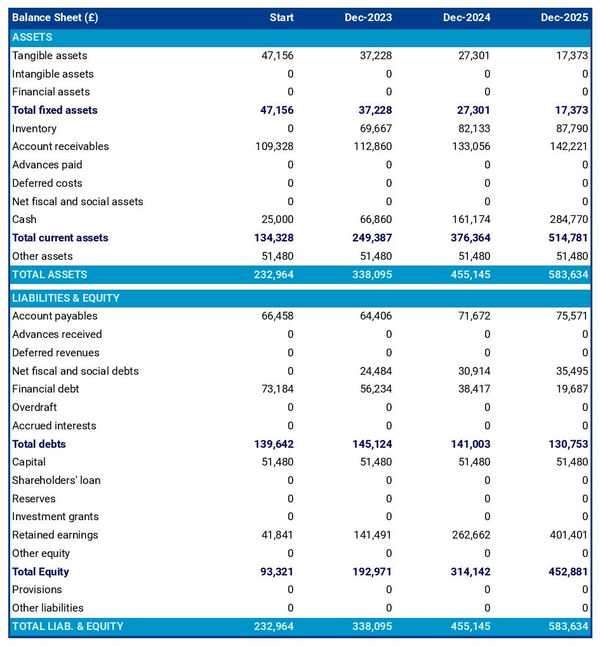
Understanding your financial statements is fundamental to running a successful herb business. A profit and loss (P&L) statement summarizes your revenues, expenses, and profits over a specific period. A balance sheet shows your assets, liabilities, and equity at a specific point in time. A cash flow statement tracks the movement of cash into and out of your business.
These statements provide valuable insights into your business’s financial health and help you make informed decisions. Regularly reviewing these statements will allow you to identify areas for improvement and track your progress toward your financial goals. There are many accounting software options available, such as QuickBooks or Xero, to help you manage your finances.
Securing funding may be necessary to launch or expand your herb business. Small business loans are a common option, but require a strong credit history and a well-developed business plan. Grants may be available from government agencies or private foundations. Crowdfunding can be a viable option for raising capital from a large number of individuals.
NC State Extension provides resources on cash crop production and financial management for farmers. When preparing a business plan for potential investors, highlight your market analysis, production plan, and financial projections. Demonstrate a clear understanding of your costs, revenues, and profitability.
Break-Even Analysis & Profitability
A break-even analysis determines the sales volume needed to cover all your expenses. It's a crucial step in understanding your business’s financial viability. Calculate your fixed costs (rent, insurance, etc.) and your variable costs (seeds, soil, labor, etc.) per unit of output. Then, divide your fixed costs by your contribution margin (selling price per unit – variable cost per unit).
Key profitability metrics include gross profit margin (revenue – cost of goods sold), net profit margin (net income / revenue), and return on investment (ROI). Regularly monitoring these metrics will help you identify areas where you can improve your profitability. Focus on reducing costs, increasing sales, and optimizing your pricing strategy.
Successful herb businesses often focus on niche markets or value-added products. For example, a grower specializing in medicinal herbs may be able to command higher prices than a grower selling commodity herbs. Building a strong brand and establishing direct relationships with customers can also enhance profitability.
Seasonality can significantly impact profitability. During peak season, you may generate substantial revenue, but during the off-season, sales may decline. Diversifying your product offerings or offering seasonal promotions can help mitigate the impact of seasonality. Planning ahead and managing your cash flow effectively are essential for long-term success.


No comments yet. Be the first to share your thoughts!