
The business of herb gardening
People want to know who grows their food. This shift toward local sourcing makes small-scale herb farming more than just a hobby; it's a viable business for anyone with a few spare acres and a solid plan.
Herb gardening, as a business, holds a unique appeal. Compared to many other agricultural ventures, the startup costs are relatively low. You can often begin with a small plot of land and gradually expand. The turnaround time from seed to harvest is comparatively quick, and the potential revenue streams are remarkably diverse – from fresh herbs to dried products and beyond.
Looking ahead to 2026, several factors point to continued growth in the herb market. Consumer interest in natural remedies and holistic wellness is on the rise, and gourmet cooking continues to be popular. These trends translate to increased demand for high-quality, locally grown herbs. It’s a good time to consider if this business could be right for you.
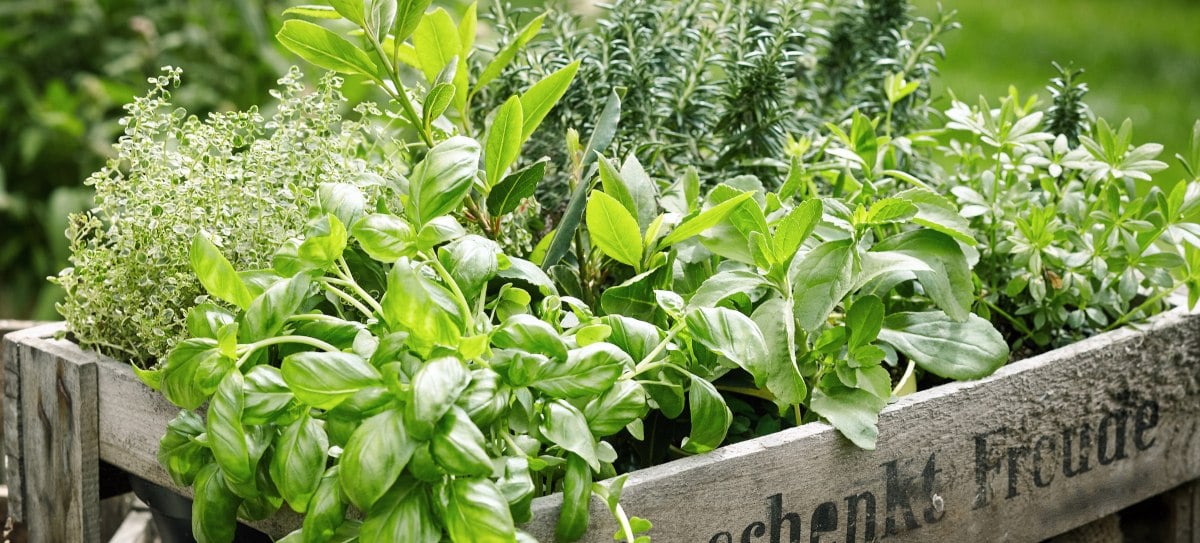
15 profitable herbs for 2026
Determining the "most profitable’ herbs depends on your location, market access, and growing expertise. However, several consistently perform well commercially. Here"s a look at 15 herbs with strong potential for success in 2026, factoring in current market trends and cultivation considerations.
1. Saffron: The most valuable spice crop globally. Demand consistently outstrips supply, commanding very high prices. Requires specific climate conditions and labor-intensive harvesting. Revenue per acre can easily reach $50,000+, but the initial investment and skill requirement are substantial.
2. Ginseng (American): Specifically, American Ginseng is highly sought after for export markets, particularly in Asia. It requires several years to mature, needing a dedicated growing space and careful management. Revenue can exceed $20,000 per acre once mature.
3. Lavender: Popular for essential oils, dried flowers, and aromatherapy products. Relatively easy to grow and scale. Revenue potential is around $3,000 - $10,000 per acre depending on product mix.
4. Basil (Specialty Varieties): While common basil is readily available, specialty varieties like Thai basil and purple basil fetch higher prices. Chefs are always looking for unique ingredients. Expect $2,000 - $6,000 per acre.
5. Cilantro/Coriander: Consistent year-round demand from both the fresh herb market and the spice industry. Multiple harvests are possible. Revenue around $1,500 - $4,000 per acre.
6. Chives: A staple in many kitchens, chives enjoy consistent demand from restaurants. Easy to grow and harvest. Expect $1,000 - $3,000 per acre.
7. Oregano: The dried herb market is substantial. Oregano is relatively easy to dry and store. Revenue potential is $1,000 - $3,000 per acre.
8. Rosemary: Both fresh and dried rosemary have strong markets. Rosemary is a perennial, reducing replanting costs. Revenue around $1,000 - $3,000 per acre.
9. Thyme: Culinary and medicinal uses contribute to consistent demand. Thyme is drought-tolerant and relatively easy to grow. Revenue potential is $1,000 - $2,500 per acre.
10. Mint: Fresh mint is popular, and mint essential oil is in demand. Be mindful of its invasive growth habit. Revenue around $1,000 - $2,500 per acre.
11. Lemon Balm: Used in teas, aromatherapy, and herbal remedies. It's a relatively fast-growing herb that is easy to propagate. Revenue is around $800 - $2,000 per acre.
12. Chamomile: Both German and Roman chamomile are popular for their calming properties. Demand is strong in the tea and cosmetics industries. Revenue potential is $800 - $2,000 per acre.
13. Echinacea: A popular herb in the wellness industry, known for its immune-boosting properties. Demand is growing, but requires careful cultivation and processing. Revenue is around $700 - $1,800 per acre.
14. Sage: Used in both culinary and medicinal applications, sage is a relatively easy herb to grow. Revenue potential is $700 - $1,500 per acre.
15. Marjoram: Similar to oregano, marjoram is a versatile herb with a slightly sweeter flavor. It's often used in Mediterranean cuisine. Revenue potential is $600 - $1,500 per acre.
Top 15 Most Profitable Herbs to Grow for Commercial Success in 2026
| Herb Name | Market Demand | Startup Cost | Revenue Potential | Growing Difficulty |
|---|---|---|---|---|
| Saffron | Very High, niche market | High initial investment | Exceptional profit margins possible | Challenging, requires specific climate |
| Ginseng (American) | Growing export demand | Significant upfront costs | Substantial long-term returns | Difficult, long cultivation cycle |
| Lavender | Consistent demand for oils/flowers | Moderate investment | Good potential for value-added products | Relatively easy, drought tolerant |
| Basil (Specialty) | High, especially Thai/Purple | Low to moderate | Strong potential with direct sales | Easy to medium, susceptible to pests |
| Cilantro/Coriander | Steady, year-round availability key | Low | Reliable income with consistent supply | Easy, fast growing cycle |
| Chives | Consistent restaurant/local demand | Very low | Modest but reliable income stream | Very easy, minimal maintenance |
| Oregano | Strong dried herb market | Low to moderate | Good potential for bulk sales | Easy, adaptable to various conditions |
| Rosemary | Demand for fresh & dried forms | Moderate | Good revenue with diverse product offerings | Medium, requires well-drained soil |
| Thyme | Culinary and medicinal applications | Low to moderate | Potential for niche markets | Easy, drought-tolerant |
| Mint | High fresh market and oil demand | Low | Good income with processing capabilities | Easy, can be invasive |
Qualitative comparison based on the article research brief. Confirm current product details in the official docs before making implementation choices.
Getting the cultivation right
Choosing the right herbs is only the first step. Successful commercial herb growing requires attention to detail throughout the cultivation process. Soil health is paramount; most herbs prefer well-drained soil rich in organic matter. Regular soil testing is a good practice.
Irrigation needs vary depending on the herb and your climate. Drip irrigation is often the most efficient method, minimizing water waste and reducing the risk of fungal diseases. Pest control should prioritize organic and sustainable methods whenever possible – beneficial insects, companion planting, and organic pesticides are all valuable tools.
Harvesting at the peak of flavor and potency is vital. Proper post-harvest handling – drying, freezing, or packaging – is essential for preserving quality. Some herbs, like basil, are best sold fresh, while others, like oregano, are better suited for drying. Understanding Good Agricultural Practices (GAP) certification can be important if you plan to sell to larger buyers or wholesale distributors.
It's also important to consider scalability. Some herbs, like mint, can spread aggressively and require more management. Others, like saffron, are incredibly labor-intensive. Choose herbs that align with your resources and capabilities. Don't underestimate the value of starting small and gradually expanding as you gain experience.
Finding your customers
Growing high-quality herbs is essential, but getting them into the hands of customers is just as important. Farmers markets are a great starting point, allowing you to build relationships with consumers and receive direct feedback. Direct sales to restaurants can be highly profitable. Johnny's Selected Seeds emphasizes the value of building strong relationships with chefs, even offering to grow specific varieties to meet their needs.
Online sales offer broader reach. Platforms like Etsy and Shopify are popular options, but consider building your own website for greater control over branding and customer experience. Wholesale to distributors can provide consistent volume, but typically at lower margins.
Collaborations with local businesses can also be fruitful. Partnering with tea shops, spas, or health food stores can expand your customer base. Don't underestimate the power of branding and storytelling. What makes your herbs special? Are they organically grown? Are they rare varieties? Communicating your unique value proposition is key.
Essential Tools for Packaging and Marketing Your Profitable Herbs

24 durable acrylic plant markers · Waterproof and UV resistant · Pre-printed herb names for easy identification
Keep your herbs organized and looking professional with these clear, durable plant markers.
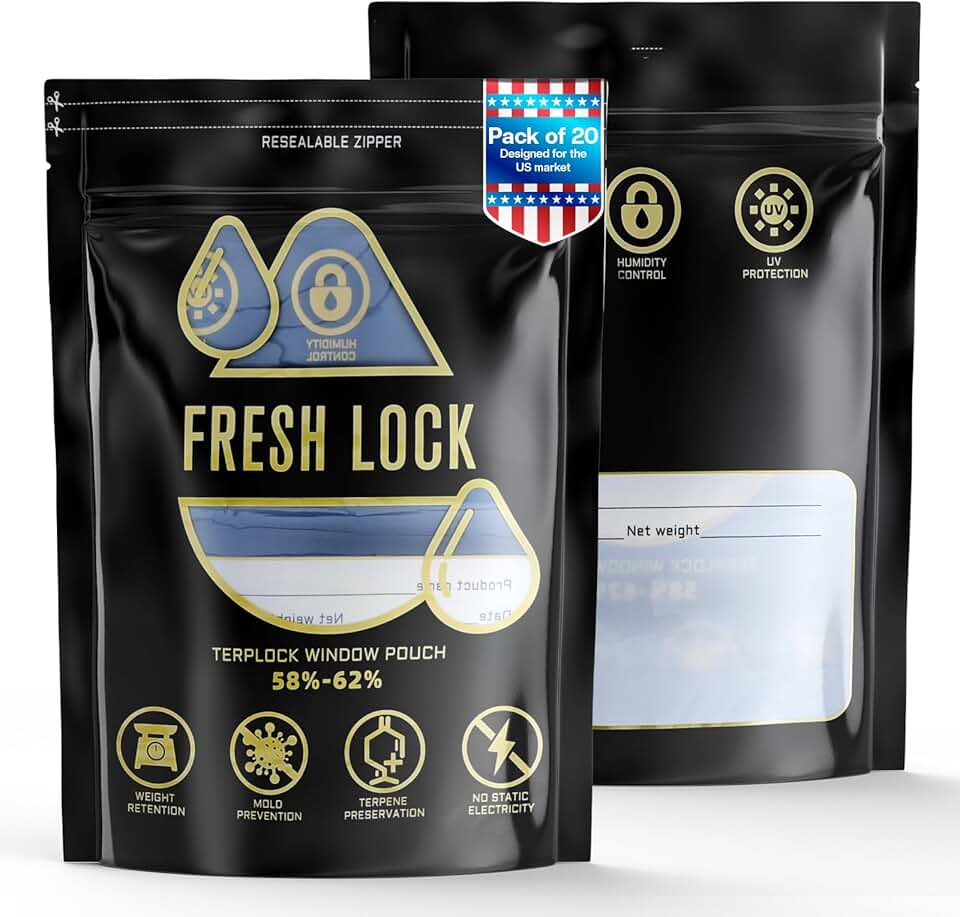
20 smell-proof, UV-blocking storage bags · Humidity control (58%-62% RH) · Heat sealable for airtight freshness
These specialized bags ensure your valuable herbs maintain optimal freshness and potency during storage and transport.

Precise measurements up to 500g with 0.01g accuracy · Includes two convenient trays · Multiple units (grams, ounces, etc.) with tare function
Accurately weigh your herbs for sales or recipes with this compact and precise digital scale.

8-inch sealing width · Suitable for foil, kraft, and mylar bags · Portable and easy to use for airtight seals
Create professional, airtight seals on your herb packaging to preserve quality and prevent tampering.

Android 12 operating system with 5.5" touchscreen · Integrated 58mm thermal printer · Supports 4G, 3G, and 2G mobile networks for connectivity
Streamline your sales process with this all-in-one handheld device for transactions and printing receipts on the go.
As an Amazon Associate I earn from qualifying purchases. Prices may vary.
Monetization Strategies: More Than Just Bunches
Don’t limit yourself to simply selling fresh or dried herbs. Value-added products can significantly increase your profitability. Herbal teas, infused oils, herbal vinegars, and herbal salts are all popular options. Consider creating herbal soaps, aromatherapy blends, or even herbal crafts.
Workshops and classes can generate additional revenue and build community. Offer classes on herb gardening for beginners, making herbal remedies, or cooking with herbs. These events also provide a platform for showcasing your products.
Be mindful of regulations regarding labeling and selling herbal products. Accurate labeling is crucial, especially when making health claims. Research local and federal guidelines to ensure compliance. Understanding these regulations will protect your business and build trust with your customers.
Scaling Up: From Garden to Farm
As your herb business grows, you’ll likely need to consider scaling up operations. This could involve expanding growing space, perhaps by adding greenhouses or high tunnels. Automating certain tasks, such as seeding and harvesting, can improve efficiency.
Scaling usually requires hiring seasonal help and looking into USDA Value-Added Producer Grants or local small business loans to cover infrastructure like high tunnels.
A well-developed business plan is essential for guiding your growth. This plan should include financial projections, marketing strategies, and operational details. Careful financial management is crucial for ensuring long-term sustainability.
No comments yet. Be the first to share your thoughts!