
The shift to tech-heavy herb farming
Herb farming is moving away from pure manual labor. While high-tech tools often seem reserved for industrial operations, small herb farms are using them to cut down on wasted hours and stabilize their margins.
Several factors are fueling this change. Rising labor costs are a major concern for growers, as is the increasing consumer demand for high-quality, consistently produced herbs. Perhaps most importantly, there’s a growing need for traceability – customers want to know where their herbs come from and how they were grown.
For generations, herb cultivation relied on manual labor, experience, and a deep understanding of plant needs. While that knowledge remains vital, modern technology offers a way to augment and enhance those skills. It’s understandable that some farmers might be hesitant to embrace new tools, but the potential benefits – increased yields, reduced costs, and improved product quality – are compelling. We’re seeing a move towards more data-driven decision making in all areas of agriculture, and herb farming is no exception.
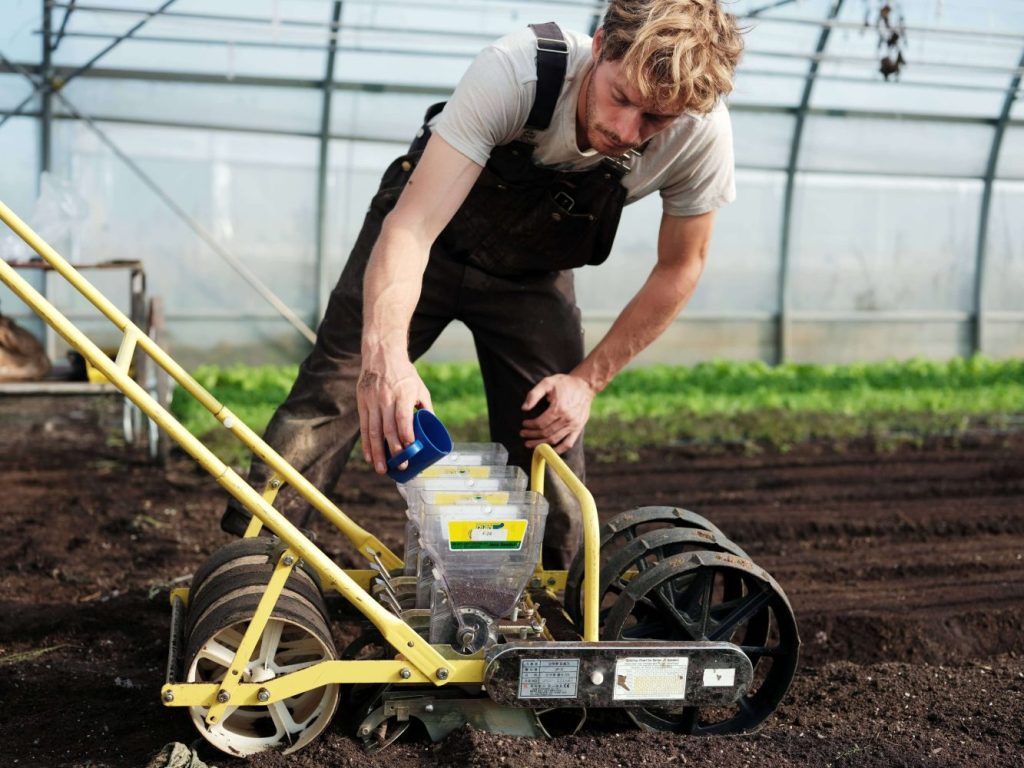
Automated watering and climate tools
Automated irrigation is the easiest win for most growers. Drip lines and micro-sprinklers put water at the roots, which keeps leaves dry and stops fungal outbreaks before they start. I've found that sensors linked to these lines do a better job of timing than any manual schedule, especially during heat waves.
The benefits extend beyond water conservation. By maintaining optimal soil moisture levels, farmers can improve nutrient uptake, boost plant growth, and ultimately increase yields. Investing in a system that actively monitors and adjusts based on real-time data is far more effective than relying on fixed schedules or visual assessments.
Climate control is equally important, especially for extending the growing season or cultivating herbs that require specific environmental conditions. Greenhouses equipped with automated ventilation, heating, and cooling systems allow farmers to maintain consistent temperatures and humidity levels. Data logging capabilities and remote monitoring via smartphone apps provide peace of mind and allow for proactive adjustments, even when away from the farm.
Sensor Technology: Beyond Moisture
Soil moisture sensors are a great starting point, but modern sensor technology offers a much broader range of data points. Sensors can now measure pH levels, nutrient levels (nitrogen, phosphorus, potassium), light intensity, and even plant health using indices like NDVI – Normalized Difference Vegetation Index. NDVI uses the way plants reflect light to assess their vigor and identify potential stress.
This wealth of data allows for optimized fertilization strategies, reducing the need for excessive or unnecessary applications. Early detection of nutrient deficiencies or imbalances can prevent diseases and improve overall plant quality. However, the sensors themselves are only half the battle. Farmers need to be able to interpret the data and translate it into actionable insights.
Integrating sensor data with farm management software is becoming increasingly common. These platforms can aggregate data from multiple sensors, providing a comprehensive overview of the farm’s conditions and automating tasks like irrigation and fertilization. The ability to track trends and identify patterns can significantly improve decision-making over time.
Robotics & Automation in Harvesting
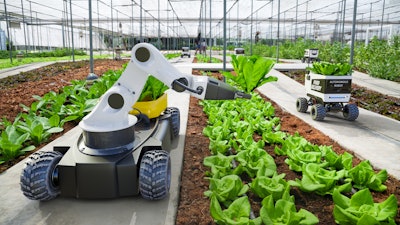
Robotic harvesting is arguably the most exciting – and challenging – area of automation in herb farming. While still an emerging field, several companies are developing robots capable of identifying and harvesting herbs with minimal damage. These robots typically use computer vision and machine learning algorithms to distinguish herbs from weeds and other plants.
The challenges are significant. Herbs are often delicate and require precise handling. The robots need to navigate uneven terrain and adapt to varying plant densities. The cost of the technology is also a barrier to entry for many farmers. Current systems are often tailored to specific herb varieties and growing conditions, limiting their versatility.
Beyond harvesting, robots are also being developed for transplanting and weeding. Automated transplanting can significantly reduce labor costs, while robotic weeding offers a sustainable alternative to herbicides. Full automation isn’t yet feasible for all herb farms, but exploring these possibilities is crucial for staying competitive. We can expect to see more affordable and adaptable robotic solutions emerge in the coming years.
Companies like Harvest CROO Robotics are making strides in harvesting technology, though their systems currently focus on larger-scale strawberry and tomato operations. Adapting this technology to the smaller scale and varied growth habits of many herbs is an ongoing process.
- Robots use computer vision to find mature stems without human help.
- Mechanical arms pluck or cut the herbs to avoid bruising the leaves.
- Quality Control: Systems can often distinguish between marketable and non-marketable herbs.
- Data Collection: Robots record harvest data for yield tracking and analysis.
Traceability & Data Management Software
Traceability is no longer optional; it’s a necessity. Consumers and regulators alike are demanding greater transparency in the food supply chain. Software solutions can track herbs from seed to sale, recording everything from planting dates and fertilizer applications to harvest times, processing information, and shipping details.
This level of detail provides several benefits. It improves quality control by identifying potential issues early in the process. It enables faster and more targeted recall responses in the event of a contamination or safety concern. And it demonstrates a commitment to quality and transparency, building trust with customers.
Farm management software often integrates with sensors and automation systems, creating a centralized hub for all farm data. Some platforms offer features like inventory management, sales tracking, and financial reporting. Finding software specifically designed for herb farms can be challenging, but many general agricultural platforms can be customized to meet specific needs.
What it costs and when you get your money back
Investing in new technology requires careful consideration of costs and potential return on investment (ROI). The initial investment can vary widely depending on the specific technologies adopted. Automated irrigation systems might cost between $5,000 and $20,000 per acre, while robotic harvesting systems can easily exceed $100,000.
Ongoing maintenance costs should also be factored in, including repairs, software subscriptions, and data storage fees. However, these costs can be offset by savings in labor, water usage, and crop losses. For example, precision irrigation can reduce water consumption by 20-50%, while early disease detection can prevent significant yield losses.
Calculating ROI requires a thorough understanding of the farm’s current operations and potential benefits. A small herb farm might see a payback period of 3-5 years for an automated irrigation system, while a larger farm with higher labor costs could see a faster return. It’s essential to develop a detailed cost-benefit analysis before making any significant investments.
Here's a simplified example: A farmer spends $10,000 on a sensor-based irrigation system. This reduces water usage by 30%, saving $2,000 per year on water bills. It also increases yield by 10%, resulting in an additional $3,000 in revenue. The annual ROI is ($2,000 + $3,000) / $10,000 = 50%. This is a simplified example, of course, and a proper analysis would need to consider all relevant factors.
Herb Farm Technology Comparison - 2026
| Technology | Initial Investment | Operational Complexity | Potential ROI | Data & Insights |
|---|---|---|---|---|
| Automated Irrigation | Moderate | Low to Moderate | Good - Reduced water waste & consistent growth | Basic - Soil moisture levels, water usage |
| Soil Sensors (Moisture, Nutrient) | Low to Moderate | Low | Moderate - Optimized fertilizer use, early problem detection | Detailed - Soil composition, nutrient levels, temperature |
| Robotics (Weeding, Harvesting) | High | High | Potentially Very High - Reduced labor, increased speed | Moderate - Plant health, harvest yield, location data |
| Drone Technology (Crop Monitoring) | Moderate to High | Moderate | Moderate - Early disease detection, growth monitoring | High - Aerial imagery, plant health indices, field mapping |
| Climate Control Systems (Greenhouses) | High | Moderate to High | Good - Extended growing seasons, controlled environment | Moderate - Temperature, humidity, light levels |
| Automated Transplanting | Moderate | Moderate | Moderate - Increased planting speed and consistency | Limited - Planting locations, plant spacing |
| Integrated Pest Management Systems (with sensors) | Moderate | Moderate | Good - Reduced pesticide use, targeted treatment | Moderate - Pest identification, population levels, environmental factors |
Qualitative comparison based on the article research brief. Confirm current product details in the official docs before making implementation choices.
No comments yet. Be the first to share your thoughts!