Is a Commercial Herb Business Right For You in 2026?
The herb market is holding steady, with consistent demand for both culinary and medicinal varieties. It’s not seeing the explosive growth of, say, the craft beer scene, but it is stable, and that’s valuable. People are increasingly interested in natural health solutions and locally sourced ingredients, which bodes well for small-scale herb growers. However, don't mistake stability for easy money. It is a slow build.
To thrive in this business, you need more than just a green thumb. You need a passion for plants, business sense, and a high tolerance for long days. It’s physically demanding labor – think weeding, harvesting, and processing – and it requires constant learning and adaptation. Are you okay with getting dirt under your fingernails and facing unpredictable weather?
There are several ways to structure your herb business. You could sell directly to consumers through farmers’ markets or an online store, wholesale to restaurants or health food stores, or even create value-added products like herbal teas or skincare. Chestnut School of Herbal Medicine highlights starting with a single plant and scaling from there, which is a good approach for testing the waters. Success depends on finding a niche that fits your specific resources.
Before you invest any money, honestly assess your lifestyle. This business often requires a significant time commitment, especially during peak growing and harvest seasons. It may not be ideal if you're looking for a completely passive income stream. It’s a lifestyle choice as much as a business venture. Consider your current financial situation and whether you can afford the upfront costs of land, equipment, and supplies.
High-Demand Herbs: What’s Selling (and What’s Not) in 2026
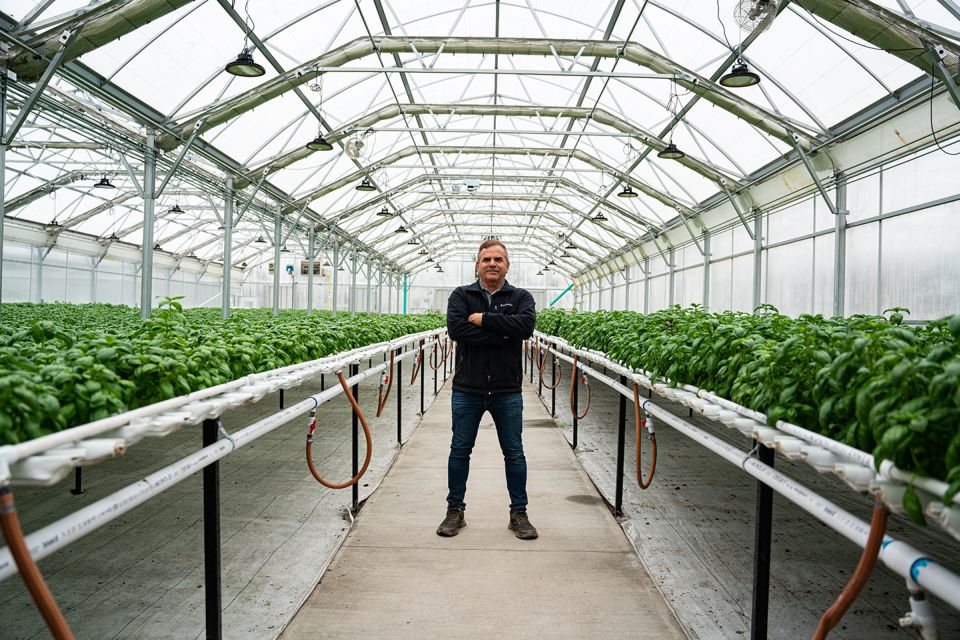
Let's talk about what people are buying. Culinary herbs like basil, rosemary, thyme, and oregano remain consistently popular. Medicinal herbs like echinacea, chamomile, lavender, and calendula are also in high demand, driven by the growing interest in natural remedies. Dual-purpose herbs, like lemon balm, are versatile because they work in both kitchens and apothecaries.
According to recent trends, there's a growing interest in adaptogens – herbs that help the body cope with stress – such as ashwagandha and holy basil. However, be cautious with trendy herbs. Their popularity can be fleeting. Building a business around a fad could leave you with a lot of unsold product. Focus on establishing a core line of consistently in-demand herbs.
Price points vary widely depending on the herb, the form (fresh, dried, tinctured, etc.), and your location. Basil typically sells for around $3-$5 per bunch fresh, while dried echinacea root can fetch $20-$30 per pound. Research your local market to determine competitive pricing. Don't underestimate the value of organic certification; consumers are often willing to pay a premium for organically grown herbs.
Exotic herbs are risky. Trends in this industry often die as fast as they start. Building a resilient product line means focusing on herbs with a proven track record and consistent demand. Consider offering a mix of popular staples and a few carefully selected specialty herbs. Diversification is key to weathering market fluctuations.
- Culinary Herbs: Basil, Rosemary, Thyme, Oregano
- Medicinal Herbs: Echinacea, Chamomile, Lavender, Calendula
- Adaptogens: Ashwagandha, Holy Basil
- Dual-Purpose Herbs: Lemon Balm, Mint
Herb Business Potential: A Quick-Start Comparison (2026 Outlook)
| Herb | Market Demand | Growth Difficulty | Initial Investment | Shelf Life |
|---|---|---|---|---|
| Basil 🌿 | High | Easy | Low | Short |
| Mint 🍃 | High | Easy | Low | Short |
| Lavender 💜 | Medium | Moderate | Medium | Medium |
| Rosemary 🌿 | Medium | Moderate | Low | Medium |
| Chamomile 🌼 | Medium | Easy | Low | Medium |
| Thyme 🌿 | Medium | Easy | Low | Medium |
| Oregano 🌿 | Medium | Easy | Low | Medium |
| Lemon Balm 🍋 | Medium | Easy | Low | Short |
| Sage 🌿 | Medium | Moderate | Low | Medium |
| Echinacea 🌸 | Medium | Moderate | Medium | Medium |
| Cilantro 🌿 | Medium | Easy | Low | Short |
| Parsley 🌿 | Medium | Easy | Low | Short |
Illustrative comparison based on the article research brief. Verify current pricing, limits, and product details in the official docs before relying on it.
Dhania is actually one of the most profitable herbs to grow if you have a reliable, consistent market. Because loads of it fits a small plot.
— The 4:14 Podcast (@The4_14Pod) July 27, 2020
Land, Licenses, and Legalities: Setting Up Your Growing Operation
How much land do you need? It depends on your scale and the herbs you're growing. A small-scale operation targeting farmers’ markets might be viable on as little as a quarter-acre. Larger-scale wholesale operations will require significantly more space – potentially several acres. Consider the specific needs of your chosen herbs; some require more space than others.
You have several growing method options. Field cultivation is the most traditional, but it’s susceptible to weather and pests. Greenhouses provide environmental control but are expensive to build. Hydroponics is a soilless growing method that can maximize yield in a small space, but it’s also complex and requires technical expertise. Mother Earth News suggests careful planning for space and resources.
Now for the legal stuff. Licenses and regulations vary dramatically by location. You’ll likely need a business license, and you may also need permits for growing, processing, and selling herbs. Check with your local agricultural department and health department to determine the specific requirements in your area. Don’t skip this step – operating without the proper permits can result in hefty fines.
Organic certification can be a valuable marketing tool, but it also comes with requirements and costs. You’ll need to adhere to strict standards for soil health, pest control, and processing. Research the certification process and determine if it’s right for your business. It can open doors to new markets and attract customers who prioritize sustainable agriculture.
- Check local business license requirements.
- Investigate agricultural permits.
- Research health department regulations.
- Explore organic certification options.
From Seed to Sale: Cultivation Techniques for Maximum Yield
Starting from seed is generally more cost-effective than buying transplants, but it requires more time and effort. Use high-quality seeds from a reputable supplier. Seed starting mixes are ideal for providing a sterile and well-drained medium. Maintain consistent moisture and warmth for optimal germination. Proper seed starting is the foundation of a successful harvest.
Get your soil right before planting. Herbs generally prefer well-drained, fertile soil with a pH of 6.0 to 7.0. Amend your soil with compost or other organic matter to improve its structure and nutrient content. Crop rotation is essential for preventing soilborne diseases and nutrient depletion. Rotate your crops annually to maintain soil health.
Pest and disease management is an ongoing challenge. Practice preventative measures, such as companion planting and good sanitation. Companion planting involves growing herbs alongside other plants that repel pests or attract beneficial insects. For example, basil repels aphids and whiteflies. If pests or diseases do occur, use organic control methods whenever possible.
Harvesting at the right time is critical for maximizing flavor and medicinal properties. Culinary herbs are typically harvested just before flowering, while medicinal herbs are harvested when their active compounds are at their peak. Dry your herbs promptly and thoroughly to prevent mold and preserve their quality. Proper drying and storage are essential for maintaining the potency and aroma of your herbs.
- Companion Planting Examples: Basil with tomatoes (repels pests).
- Harvest Timing: Culinary herbs – before flowering; Medicinal herbs – peak potency.
- Drying Methods: Air drying, dehydrator, oven (low temperature).
Beyond the Garden: Processing, Packaging, and Value-Added Products
Simply growing herbs isn’t enough; you need to transform them into marketable products. Drying is the most common processing method, but you can also create tinctures, essential oils, herbal teas, and infused vinegars. Tinctures require alcohol and a maceration process, while essential oils require specialized distillation equipment. Consider the equipment costs and your skill level when choosing processing methods.
Packaging is your silent salesperson. It needs to protect your herbs, maintain their quality, and attract customers. Glass jars are ideal for dried herbs and teas, while dark-colored bottles are best for tinctures and essential oils. Labeling requirements vary by state. Check your local FDA or agricultural extension office for the specific font size and ingredient listing rules required in your area. regulations. Include information on ingredients, usage instructions, and net weight.
Exploring value-added products can significantly increase your profits. Herbal skincare products – like lotions, salves, and lip balms – are popular among health-conscious consumers. Culinary blends – like Italian seasoning or herbes de Provence – offer convenience and appeal to home cooks. These products allow you to differentiate yourself from the competition and command higher prices.
I think focusing on sustainable packaging is a smart move. Consumers are increasingly concerned about the environmental impact of their purchases. Using recycled materials, compostable packaging, or reusable containers can appeal to eco-conscious customers and enhance your brand image. It’s a small change that can make a big difference.
- Processing Options: Drying, tincturing, essential oils, herbal teas.
- Packaging Materials: Glass jars, dark-colored bottles, compostable pouches.
- Value-Added Products: Herbal skincare, culinary blends, infused oils.
Essential Gear for Your Thriving Herb Business
5 drying trays for ample capacity · Adjustable thermostat for precise temperature control · Efficient horizontal airflow system
This dehydrator is perfect for preserving your harvested herbs, extending their shelf life and preparing them for various products.
Amber glass protects contents from UV light · Includes glass dropper for precise dispensing · 2 oz capacity is ideal for tinctures and extracts
These bottles are essential for packaging liquid herb extracts and tinctures, ensuring their quality and providing a professional look.
Ultrasonic technology for quiet operation · 300ml water tank for extended mist time · Multiple mist modes and LED light options
This diffuser is great for showcasing the aromatic qualities of your essential oils and can be used for product demonstrations or creating a pleasant workspace.
Crystal clear for product visibility · 4x6 inch size is perfect for small herb bundles · Resealable adhesive strip for freshness
These bags offer a simple and effective way to package dried herbs, keeping them fresh and presenting them attractively to customers.
As an Amazon Associate I earn from qualifying purchases. Prices may vary.
Marketing Your Herb Business: Reaching Your Ideal Customers
Building a website is essential for establishing an online presence. Your website should showcase your products, tell your story, and provide contact information. Consider using an e-commerce platform like Shopify or WooCommerce to enable online sales. Social media marketing is also crucial for reaching potential customers. Platforms like Instagram and Facebook are ideal for sharing photos and videos of your herbs and engaging with your audience.
Email marketing is a powerful tool for building relationships with customers and promoting your products. Collect email addresses through your website and social media channels. Send out regular newsletters with updates on new products, special offers, and educational content. Don't bombard your subscribers with too many emails; focus on providing valuable information.
Offline marketing options include farmers’ markets, local health food stores, and wholesale partnerships. Farmers’ markets provide a direct connection with customers and allow you to gather feedback on your products. Partnering with local businesses can expand your reach and increase your brand awareness.
Branding is about creating a unique identity for your business. Develop a logo, color scheme, and messaging that reflects your values and appeals to your target audience. Storytelling is also important. Share the story of your farm, your passion for herbs, and your commitment to quality. People connect with authenticity.
- Online Platforms: Shopify, WooCommerce, Etsy.
- Social Media: Instagram, Facebook, Pinterest.
- Offline Channels: Farmers’ markets, health food stores, wholesale.
Scaling Up and Staying Profitable: Long-Term Business Strategies
Once your herb business is thriving, you’ll need to consider strategies for scaling up production. This might involve expanding your growing area, investing in automated equipment, or hiring additional labor. Careful planning is essential to avoid overextending yourself. Don’t grow faster than you can manage.
Diversifying your product line can help you mitigate risk and capture new markets. Consider adding new herbs, developing new value-added products, or offering workshops and classes. Regularly assess market trends and customer demand to identify opportunities for innovation. Stay flexible and adaptable.
Managing your finances is crucial for long-term sustainability. Track your income and expenses carefully. Develop a budget and stick to it. Explore financing options if you need to invest in new equipment or expand your operations. Don’t underestimate the importance of financial planning.
Building strong relationships with suppliers and customers is essential for long-term success. Treat your suppliers fairly and pay your bills on time. Provide excellent customer service and build a loyal customer base. Networking with other herb growers can also provide valuable insights and support. This is a marathon, not a sprint, and cultivating those relationships is key.
- Scaling Strategies: Expand growing area, automate processes, hire labor.
- Diversification: New herbs, value-added products, workshops.
- Financial Management: Track income/expenses, budget, explore financing.

No comments yet. Be the first to share your thoughts!