
Get your herb business right before planting
Before you buy seeds or equipment, clarify what you are actually selling. Are you offering fresh cuttings, dried bundles, or value-added products like salves? This choice dictates your entire infrastructure. Fresh herbs require cold storage and local delivery logistics, while dried herbs need dehydrators and moisture-proof packaging. Picking one lane first keeps overhead low.
Next, verify your local regulations. Many regions classify herb sales under specific agricultural or food safety codes. You may need a home occupation permit, a cottage food license, or a commercial kitchen inspection depending on whether you are selling raw produce or processed goods. Skipping this step can shut down operations before they start.
Finally, validate your market with a small pilot. Grow a limited batch of your chosen crop and sell it at a local farmers market or to a few local cafes. This tests your growing consistency and pricing strategy without risking a full-scale harvest. If the product sells and your margins hold, you can scale up with confidence.
How to start an herb business
Building a profitable herb business requires more than just growing plants; it demands a structured approach to logistics, validation, and sales. You can launch a small-scale operation in a few months if you follow a disciplined sequence. This guide walks you through the essential steps to get your first high-margin crop to market.
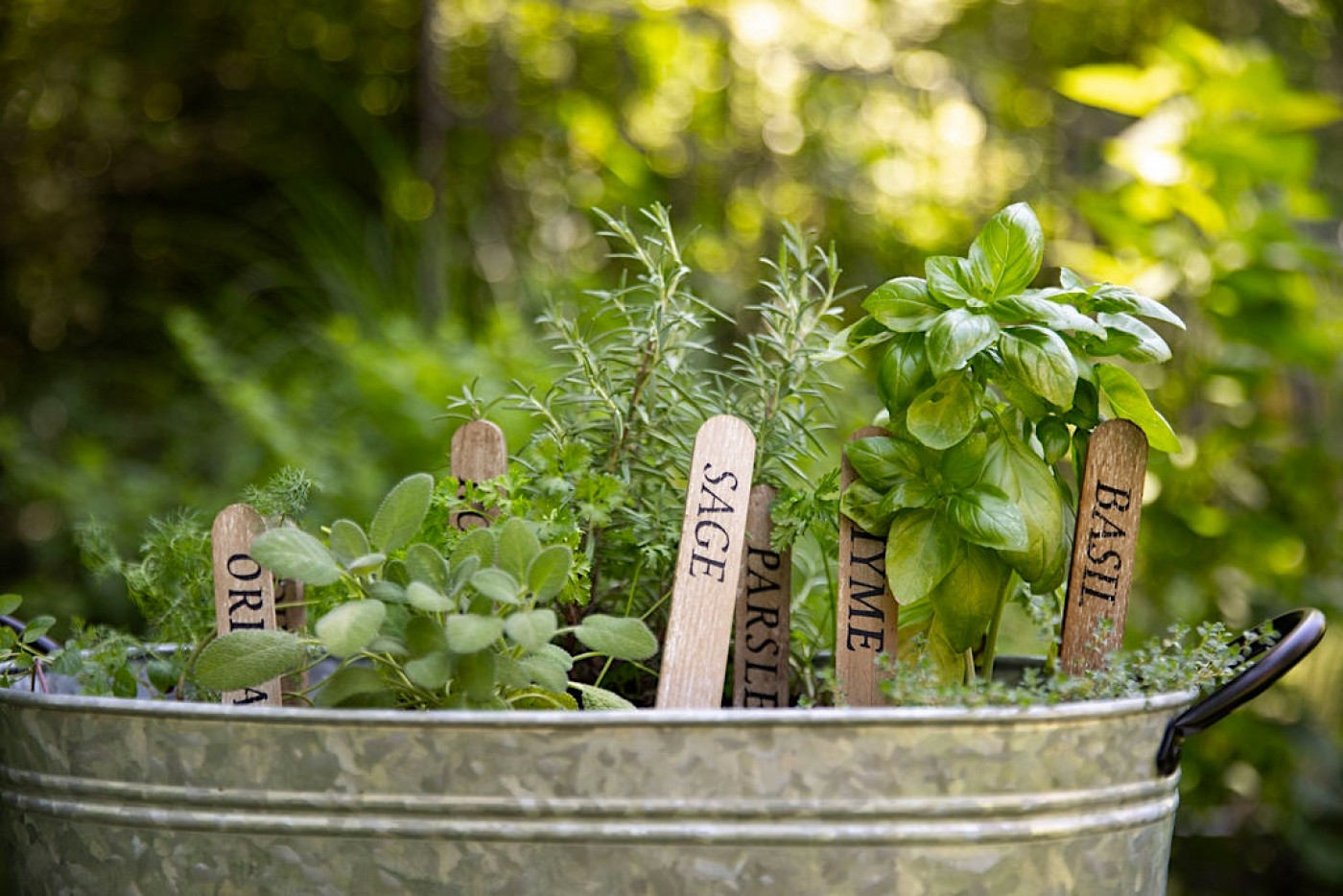
Start by narrowing your focus. Instead of growing every herb, pick one or two high-margin varieties like basil, cilantro, or medicinal lavender. Define your unique selling point, whether that is organic certification, heirloom seeds, or a specific culinary use. A clear product vision prevents wasted resources on crops with low market demand.
Draft a simple business plan that outlines your growing schedule, expected yields, and target customers. Calculate your break-even point by factoring in seeds, soil, equipment, and labor. Decide whether you will sell at farmers markets, to local restaurants, or via online subscriptions. This plan serves as your roadmap for the next six months.
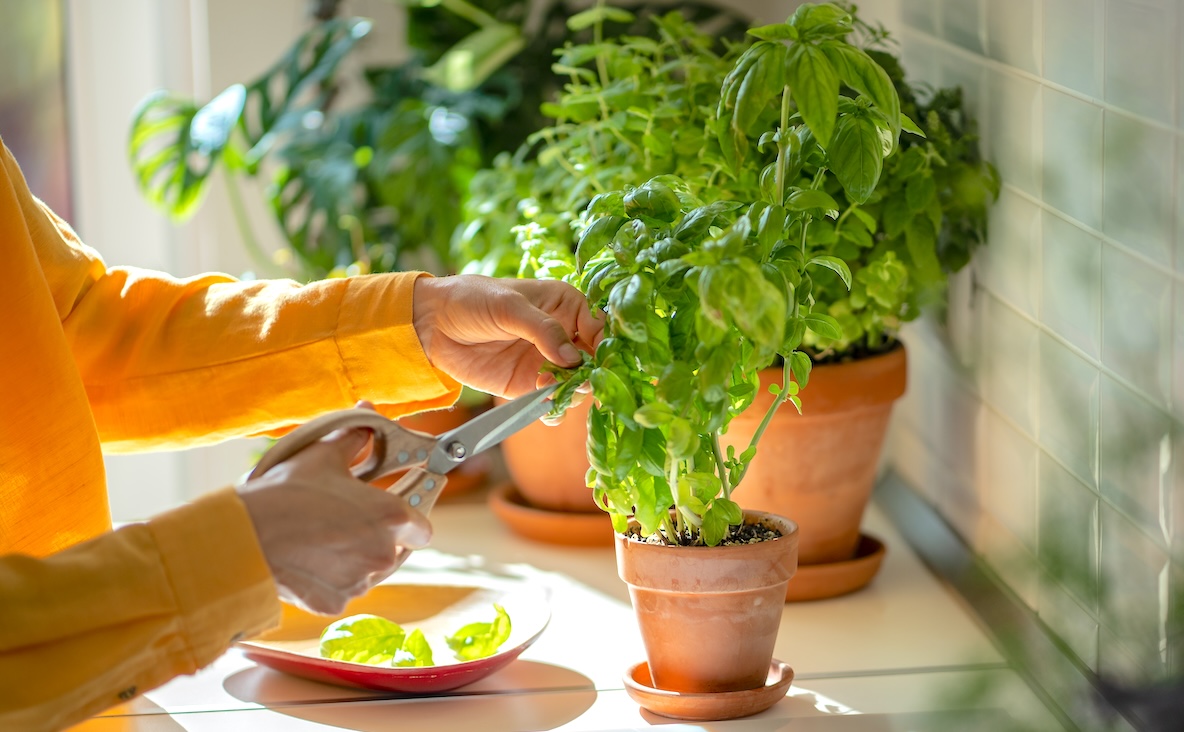
Secure your growing space and necessary tools. Whether you use a greenhouse, backyard plots, or indoor grow lights, ensure you have reliable access to water and sunlight. Purchase essential equipment like pruning shears, drying racks, and packaging materials. Establish relationships with local suppliers for soil amendments and compost to keep costs predictable.
Before scaling up, grow a small test batch and offer it to a few potential customers. Gather feedback on freshness, flavor, and packaging. This validation step helps you identify flaws in your growing process or product presentation early. Adjust your methods based on real-world reactions rather than assumptions.
Get comfortable selling by listing your products on local platforms or visiting farmers markets. Create simple product descriptions that highlight the freshness and origin of your herbs. Use social media to share behind-the-scenes content from your farm or garden. Building a direct connection with buyers increases trust and repeat sales.
Review your sales data and growing metrics regularly. Identify which crops yielded the highest profit margins and which had the most waste. Adjust your planting schedule based on seasonal demand and customer feedback. Continuous improvement ensures your business remains competitive and profitable as you expand.
Once your processes are stable, reinvest profits into expanding your growing space or product line. Celebrate small wins, such as your first wholesale contract or consistent monthly revenue. Maintain your momentum by staying engaged with your community and exploring new market opportunities. A successful herb business is built on consistent, incremental growth.
Common Mistakes in Starting an Herb Business
Even with high-margin crops, small operational errors can drain your margins before you make your first sale. The difference between a profitable side hustle and a struggling hobby often comes down to avoiding these three specific pitfalls.
Overcrowding Your Crop Selection
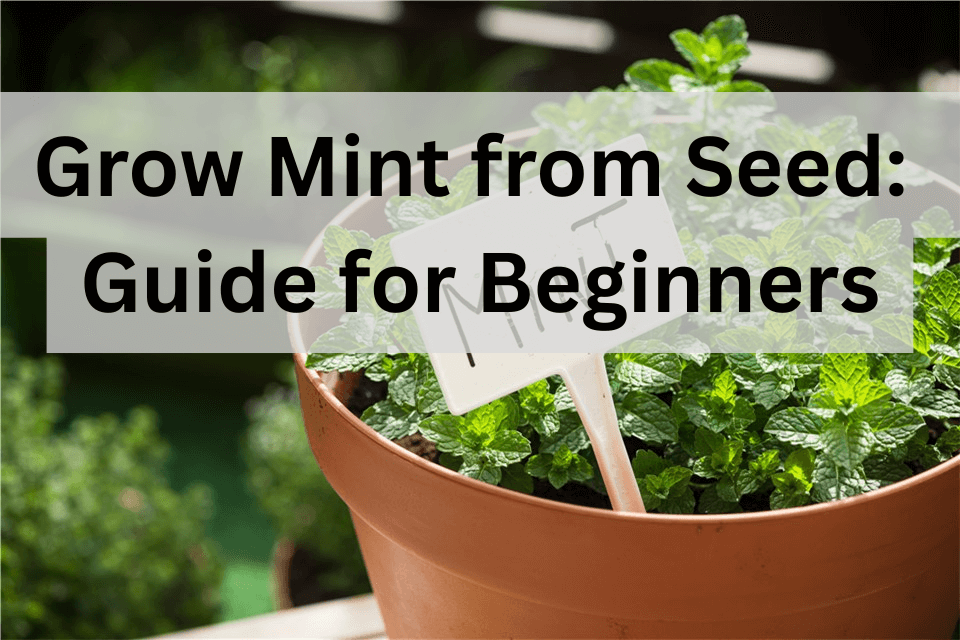
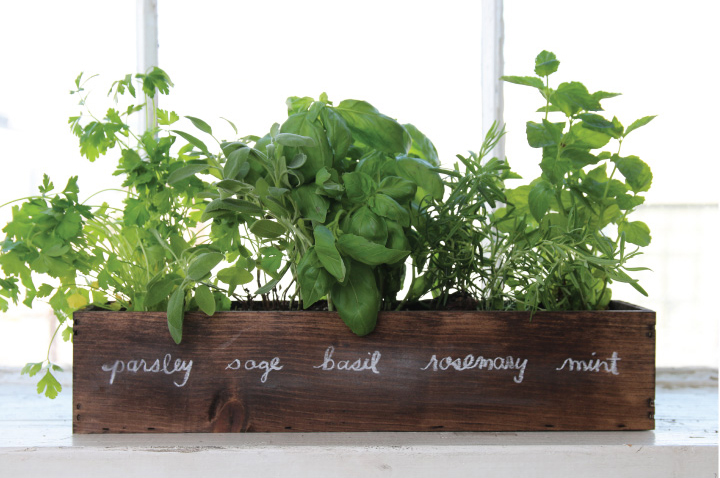
New growers often plant too many varieties at once, splitting their attention and resources. This leads to inconsistent quality and harvest timing issues. Stick to three to five high-demand crops like basil, mint, or chives. Mastering a small selection ensures you can maintain uniform quality and streamline your harvesting workflow.
Ignoring Post-Harvest Handling
Harvesting is only half the battle. If you don’t have a proper drying or cooling process, your herbs will wilt, lose flavor, or develop mold within days. Invest in a food dehydrator or a well-ventilated drying rack immediately. Proper curing preserves potency and extends shelf life, which is critical for maintaining customer trust and reducing waste.
Underestimating Packaging Costs
Many beginners focus on growing but forget to budget for packaging. Poor packaging leads to crushed products and unhappy customers. Budget for airtight containers or moisture-resistant bags from day one. The cost of high-quality packaging is minor compared to the cost of acquiring new customers to replace those lost to bad first impressions.
Start herb business: what to check next
Before committing capital to seeds, soil, or shelving, address the practical hurdles that stall most new growers. Profitability hinges on margin, not volume, and regulatory compliance varies by state. Use these answers to separate viable plans from hobbyist traps.
No comments yet. Be the first to share your thoughts!