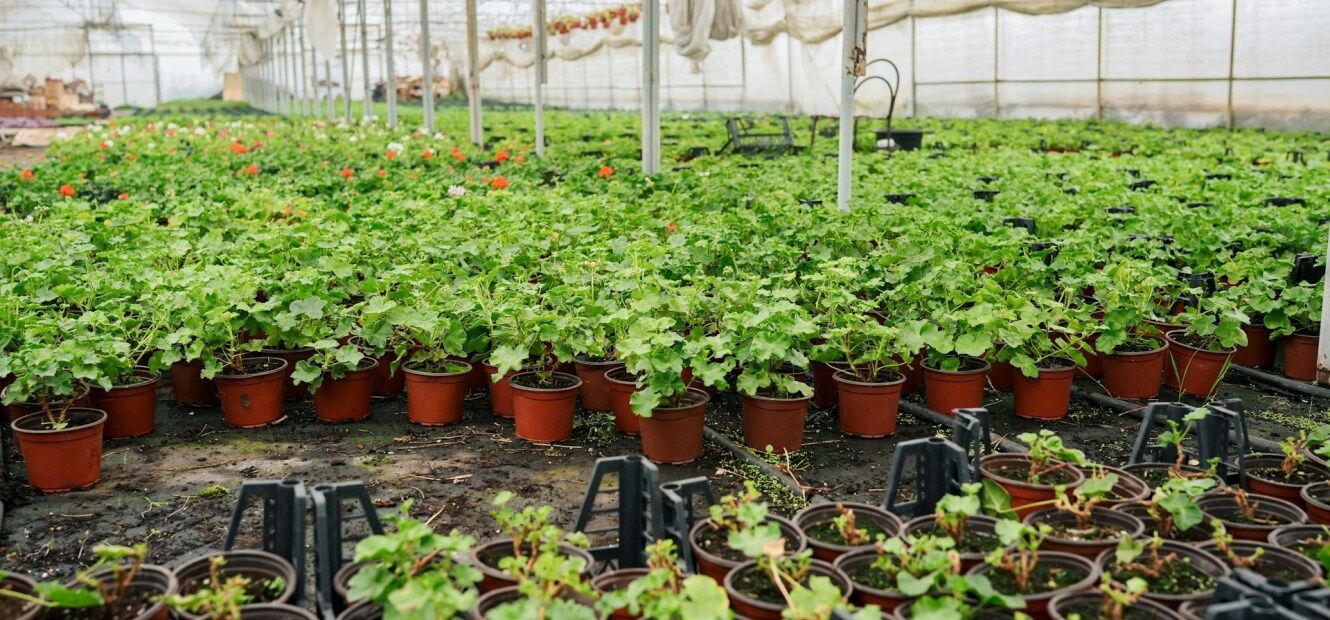

Market demand for fresh herbs
Commercial herb farming thrives on consistent, high-volume demand for fresh-market crops. Sweet basil, cilantro, and flat-leaf parsley dominate the culinary landscape, serving as foundational ingredients for Italian, Mexican, and general Mediterranean cuisines. These crops offer rapid turnover and reliable sales channels through farmers markets, local grocers, and restaurant partnerships.
Revenue potential in this sector is significant for efficient growers. A well-maintained 1/10-acre herb garden can generate over $20,000 annually by focusing on high-demand varieties and optimizing marketing efficiency. This profitability hinges on minimizing waste and maintaining consistent quality, as fresh herbs are perishable and highly sensitive to handling.
To understand current market dynamics, it is useful to examine price trends for key commodities. The following chart illustrates historical price movements for basil, a staple crop with substantial commercial volume.
Top high-margin herb varieties
Profitable herb farming hinges on selecting varieties that balance high turnover with distinct market positioning. The most viable commercial crops generally fall into two categories: high-volume culinary staples and specialty medicinal or niche botanicals. Understanding the operational differences between these groups allows growers to allocate space efficiently and maximize yield per square foot.
Culinary herbs like basil, chives, and cilantro offer predictable, high-frequency harvests. Basil, in particular, commands significant market demand, especially during peak summer months, though it requires consistent moisture and protection from frost. Chives and hardy perennials like oregano and rosemary provide lower maintenance alternatives, thriving in drier conditions and offering multiple cuts per season. These crops rely on volume and speed to generate returns.
Specialty crops, such as catnip or medicinal botanicals, often carry higher price points but may involve longer growth cycles or specific processing requirements. These varieties appeal to niche buyers, including essential oil distillers or herbal medicine manufacturers. While the initial investment in knowledge and equipment may be higher, the profit margin per pound often exceeds that of standard culinary greens.
The following comparison outlines the core metrics for four top-performing varieties. These figures represent typical commercial yields and market rates, which fluctuate based on seasonality and regional demand.
| Herb | Yield (lbs/100 sq ft) | Harvest Frequency | Market Type |
|---|---|---|---|
| Basil | 15-20 | Weekly (Summer) | High Volume |
| Chives | 8-12 | Monthly | Steady |
| Catnip | 10-15 | Seasonal | Niche |
| Rosemary | 12-18 | Quarterly | Specialty |
Essential herb farming equipment
Commercial herb production demands specialized hardware designed for efficiency and post-harvest handling. Unlike hobby gardening, commercial operations require equipment that minimizes labor costs while preserving product quality from harvest to market.
The foundation of any operation is the growing medium and container system. Raised beds, hydroponic troughs, or container racks must be selected based on the specific water and sun requirements of the crops. For instance, combining plants with similar needs—such as rosemary, oregano, and thyme, which prefer drier conditions—can streamline irrigation and reduce equipment complexity Johnny's Selected Seeds.
Post-harvest processing is where profitability is often made or lost. Commercial dehydrators are essential for converting fresh herbs like basil and cilantro into shelf-stable products, reducing waste and expanding market reach. The initial investment in these units must be weighed against the higher margins of dried goods compared to perishable fresh herbs.
For live market data on key equipment like commercial dehydrators or hydroponic pumps, refer to current agricultural supply listings. Tracking equipment prices helps in budgeting for the initial setup phase of your farm.

Startup costs and profit margins
Commercial herb farming operates on thin margins that rely heavily on volume and efficient land use. For small to mid-scale operations, the initial investment typically centers on infrastructure: greenhouse or high-tunnel construction, irrigation systems, and processing equipment. While land acquisition is often the largest expense, many commercial growers begin by leasing existing agricultural space to minimize upfront capital requirements.
Revenue potential varies significantly by crop density and market channel. A well-maintained 1/10-acre high-density herb garden can generate $20,000+ annually if you grow high-demand herbs and market them efficiently.
To understand the broader market context, it helps to look at the commodities that drive these margins. High-value herbs such as ginseng, goldenseal, lavender, echinacea, and ashwagandha are among the most profitable due to their demand in natural health markets. However, these specialty crops often require more specialized processing and longer growth cycles than culinary herbs like basil or parsley.
When calculating profit margins, subtract variable costs such as seeds, labor, packaging, and distribution from gross revenue. Net profit margins for small-scale herb farms typically range from 20% to 35%, depending on whether you sell wholesale to restaurants and grocers or retail directly through farmers markets and CSA programs. Wholesale channels offer volume stability but lower per-unit prices, while direct-to-consumer sales yield higher margins but require significant marketing effort.
Common cultivation mistakes
Commercial herb farming demands precision. Small errors in water management, spacing, or post-harvest handling can quickly erase profit margins. The following pitfalls are the most frequent causes of crop loss or reduced quality in professional settings.
Overwatering and Poor Drainage
Herbs like rosemary, oregano, and thyme are Mediterranean species that suffer in waterlogged soil. Overwatering leads to root rot and fungal diseases, which can destroy an entire bed. NC State Extension advises combining plants with similar water needs to simplify irrigation management [[src-serp-1]]. Ensure raised beds or containers have adequate drainage holes to prevent standing water.
Inadequate Plant Spacing
Crowding herbs restricts airflow, creating a humid microclimate that encourages powdery mildew and botrytis. Johnny's Selected Seeds notes that proper spacing is essential for air circulation and disease prevention [[src-serp-8]]. Follow seed packet or transplant spacing guidelines strictly. Thinning seedlings early ensures each plant has enough room to reach its full size and yield potential.
Skipping Post-Harvest Cooling
Harvested herbs continue to respire, consuming their own sugars and wilting rapidly. Without immediate cooling, quality drops significantly before the product reaches the market. Remove field heat by placing harvested herbs in a cooler or using hydro-cooling within two hours of cutting. This step preserves freshness, color, and shelf life, which are critical for maintaining premium prices.

Starting your herb business checklist
Launching a commercial herb operation requires precise planning to ensure profitability. This checklist guides you through the critical phases of market research, infrastructure setup, and initial production.
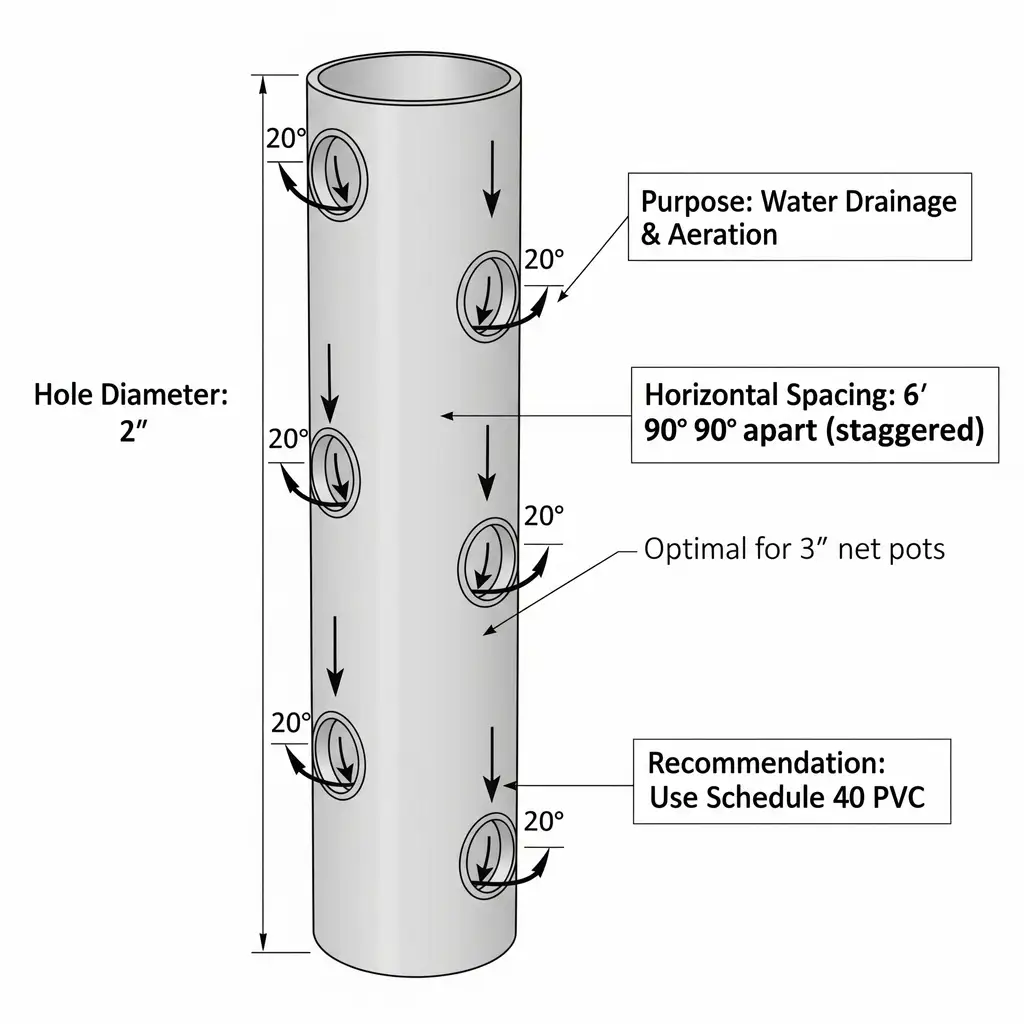
Identify your target buyers before planting. Consult resources like NC State Extension’s guide on cash crops to understand regional demand for fresh-market herbs like basil and cilantro. Validate your sales channels, whether wholesale, farmers markets, or direct-to-consumer, to ensure volume matches your projected yield.
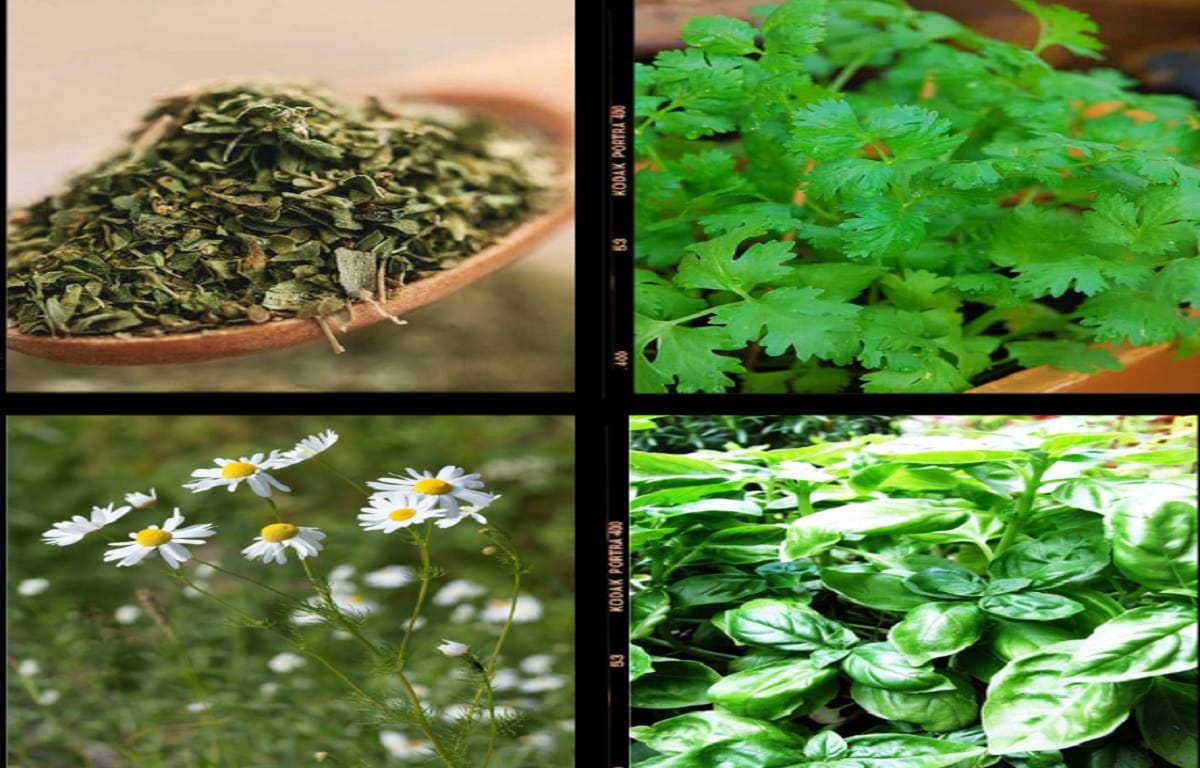
Group plants with compatible water and sun needs to streamline irrigation. For example, pair rosemary, oregano, and thyme, which thrive in dry conditions, with basil and parsley, which require consistent moisture. This grouping reduces labor and resource waste during the growing season.
Purchase essential growing infrastructure, such as greenhouse panels, irrigation lines, and harvest tools. Use live price widgets to compare current equipment costs and budget accurately. Ensure your facility meets the specific environmental controls required for your chosen herb varieties.
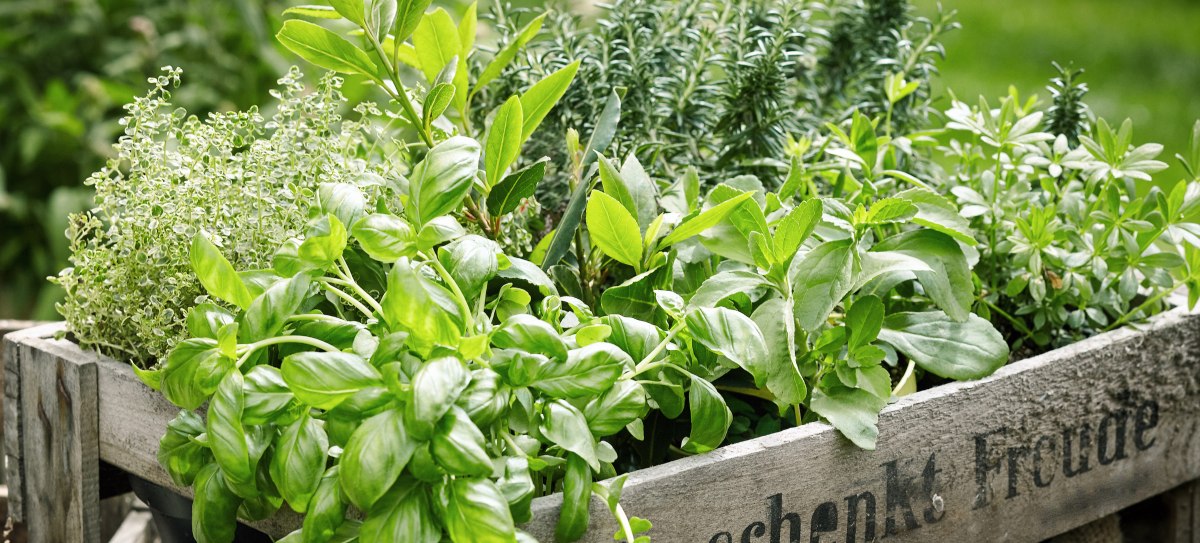
Monitor crop maturity closely and harvest during peak potency and flavor. Coordinate immediately with your pre-identified buyers to minimize post-harvest loss. Document yields and costs per square foot to refine your financial model for the next production cycle.
KeyTakeaways items=["Validate market demand before planting", "Group herbs by water and sun requirements", "Budget for infrastructure using live price data", "Harvest and sell immediately to reduce waste"]
Herb Farming Questions Answered
Growers often ask which species offer the best return on investment. According to market data, basil, chives, oregano, parsley, rosemary, dill, and coriander consistently deliver the highest yields and margins for small-scale commercial operations [src-serp-3].
No comments yet. Be the first to share your thoughts!