
The reality of herb farming
The dream of an herb farm is appealing. Fresh air, working with your hands, a connection to nature… it’s a powerful image. But I want to be upfront: running a successful commercial herb growing operation is hard work. It demands more than a green thumb – it requires business acumen, resilience, and a realistic understanding of the market. Many people underestimate the time commitment, the physical labor, and the surprisingly thin margins on some herbs.
I started small, with a backyard garden and a naive optimism. I quickly learned that simply growing high-quality herbs wasn’t enough. I struggled with marketing, pricing, and managing pests without resorting to harsh chemicals. I wasted money on equipment I didn’t need and underestimated the cost of packaging and transportation. Those early mistakes were expensive lessons, and I wish someone had given me a more honest assessment upfront.
Building a profitable herb business is possible, but it takes a solid plan and boring record-keeping. You have to stop romanticizing the lifestyle and treat it as a livelihood. University of Idaho research shows that most small farms fail because they skip the market analysis phase.
Before you invest a single dollar, ask yourself: are you prepared to treat this like a business, not a hobby? Are you willing to learn about accounting, marketing, and regulatory compliance? If the answer is yes, then let’s move forward. If not, you might want to reconsider.
Finding your niche
This is the most important step. Don’t grow what you like; grow what people will buy. Too many aspiring herb farmers start with their personal preferences and then try to find a market for their product. The reverse is the correct approach. Start with the market, identify a need, and then determine if you can profitably fill it. Culinary herbs like basil and mint are incredibly competitive; you’ll be fighting for market share against established growers and supermarket chains.
Medicinal herbs offer higher potential margins, but they also come with significantly more regulation. You need to understand the FDA’s requirements for growing, processing, and labeling these herbs. Consider value-added products to differentiate yourself. Teas, tinctures, dried herb arrangements, and infused oils can command higher prices than raw herbs. Chestnut Herbs, for example, has built a strong brand around high-quality herbal products.
To analyze your local market, start by talking to potential customers. Visit farmers’ markets, restaurants, and health food stores. Ask what herbs they’re currently buying, what price they’re paying, and what unmet needs they have. Research your competition. What herbs are they growing? How are they marketing their products? What are their price points? Look at online marketplaces like Etsy to see what’s selling well.
Think about where you'll actually sell. Selling at farmers' markets or through a CSA keeps more profit in your pocket but eats up your weekends. Selling wholesale to restaurants or health food stores moves more volume but at lower prices. Most successful farms I know use a mix of both.
- Culinary herbs: These are easy to grow but the market is crowded and prices are low.
- Medicinal Herbs: Higher potential margins, significant regulatory hurdles.
- Value-Added Products: Teas, tinctures, arrangements – higher prices, increased processing time.
Herb Niche Comparison for Commercial Production
| Niche | Startup Investment | Regulatory Complexity | Market Demand | Profit Potential |
|---|---|---|---|---|
| Culinary Herbs | Moderate | Generally Lower | High & Consistent | Good, dependent on variety |
| Medicinal Herbs | Moderate to High | Significant, potential for FDA scrutiny | Growing, driven by wellness trends | Higher, but requires careful sourcing & quality control |
| Aromatherapy Herbs | Lower to Moderate | Moderate, labeling requirements important | Stable, niche market | Moderate, relies on value-added processing (oils, etc.) |
| Dye Plants | Lower | Lowest | Smaller, specialized market | Lower, often requires direct marketing & craft focus |
| Culinary & Medicinal Hybrids (e.g., Tulsi/Holy Basil) | Moderate | Moderate to High | Increasing, appeals to health-conscious consumers | Better for premium pricing |
| Specialty/Rare Herbs | Higher | Variable, depending on herb | Lower volume, higher margin potential | Highest, but requires expertise & reliable sourcing |
Qualitative comparison based on the article research brief. Confirm current product details in the official docs before making implementation choices.
Cultivation Methods: Backyard to Acreage
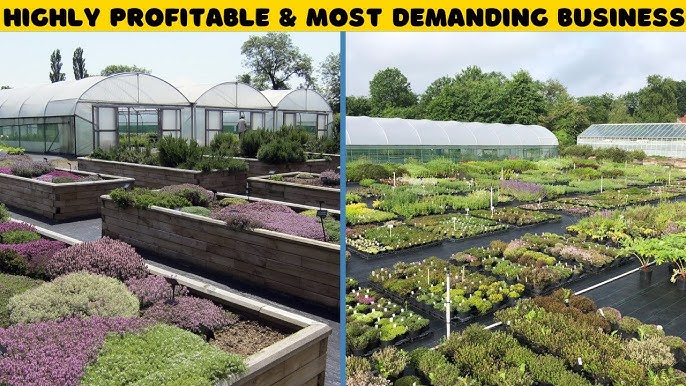
Your cultivation method will depend on your available space, budget, and desired level of automation. Starting small, with container gardening or raised beds, is a great way to learn the ropes and test the market. As you scale up, you can transition to in-ground planting or even hydroponics. Each method has its pros and cons. Container gardening is ideal for small spaces and allows for precise control over soil and nutrients, but it’s labor-intensive and can be expensive.
Raised beds offer improved drainage and soil quality, making them a good compromise between container gardening and in-ground planting. In-ground planting is the most cost-effective option for large-scale production, but it requires careful soil preparation and pest management. Hydroponics – growing herbs without soil – can maximize yields and reduce water usage, but it requires a significant initial investment and technical expertise.
Organic pest control is essential for maintaining a high-quality product and appealing to health-conscious consumers. Companion planting, beneficial insects, and organic pesticides can all be effective. The University of Idaho research emphasizes the importance of integrated pest management strategies. Proper irrigation is also critical. Drip irrigation is the most efficient method, delivering water directly to the roots of the plants.
Scaling up requires careful planning. You'll need to invest in equipment such as a tractor, tiller, and harvesting tools. You may also need to consider building a greenhouse to extend your growing season. According to NC State Extension, yield expectations vary widely depending on the herb and growing conditions, but a well-managed acre of basil can produce 5,000-10,000 pounds of fresh herbs annually.
- Container Gardening: Small space, high control, labor-intensive.
- Raised Beds: Improved drainage, good compromise.
- In-Ground Planting: Cost-effective, requires soil preparation.
- Hydroponics: High yields, significant investment.
The money: costs and revenue
Let's get down to numbers. Startup costs will vary depending on your chosen cultivation method and scale. Expect to spend money on seeds, soil, containers, irrigation equipment, tools, and potentially a greenhouse. Don’t forget about permits and licenses. Ongoing expenses include water, fertilizer, packaging materials, marketing costs, and potentially labor. The EPA’s Urban Farm Business Plan Handbook provides a detailed checklist of potential expenses.
To calculate your break-even point, you need to determine your fixed costs (expenses that don’t vary with production volume) and your variable costs (expenses that do). Then, you need to estimate your average selling price per unit. Your break-even point is the production volume at which your total revenue equals your total costs. Projecting revenue requires realistic yield estimates and accurate pricing data. Don't overestimate demand or underestimate your expenses.
I recommend creating a simple spreadsheet to track your costs and revenue. Include columns for expenses (seeds, soil, water, fertilizer, packaging, marketing, labor) and revenue (sales from farmers’ markets, CSAs, wholesale accounts). Track your income and expenses monthly to identify trends and make informed decisions. A sample spreadsheet could include columns for: Item, Quantity, Unit Cost, Total Cost, and Units Sold, Price Per Unit, Total Revenue.
Funding options include small business loans, grants, and crowdfunding. The USDA offers several grant programs for agricultural businesses. Crowdfunding platforms like Kickstarter and Indiegogo can be a good way to raise capital from your community. Be prepared to present a well-developed business plan to potential lenders or investors.
Rules and regulations
Navigating the legal and regulatory landscape is crucial. You’ll need to obtain a business license from your local government. Zoning regulations may restrict where you can operate your farm. Food safety standards are particularly important if you’re growing culinary herbs. You may need to obtain a food handler’s permit and comply with Good Agricultural Practices (GAPs).
If you’re growing medicinal herbs, the FDA regulations are complex and constantly evolving. The FDA considers many herbs to be dietary supplements, which are subject to different regulations than food. You need to ensure that your products are accurately labeled and that you’re not making any unsubstantiated health claims. The NC State Extension offers resources on GAPs for medicinal herbs.
Labeling is where the paperwork gets heavy. You have to list every ingredient and usually include a disclaimer that the FDA hasn't vetted your claims. Check with a local agricultural lawyer to make sure your labels won't get your farm shut down.
Ignoring these regulations can lead to fines, product recalls, and even business closure. It’s a tedious process, but it’s a necessary one. Proactive compliance is far less costly than reactive remediation.
Marketing & Sales Strategies
Reaching your customers requires a multi-faceted marketing strategy. Farmers’ markets are a great way to build relationships with local customers and get direct feedback on your products. CSAs provide a steady stream of income and foster customer loyalty. Online stores – Etsy and Shopify are popular options – allow you to reach a wider audience.
Wholesale accounts – restaurants, health food stores, and herbalists – can provide significant volume, but typically at lower margins. Building relationships with local chefs is particularly valuable. They’re often willing to pay a premium for high-quality, locally grown herbs. NC State Extension emphasizes the importance of direct marketing strategies.
Branding is essential. Create a logo, develop a consistent visual identity, and tell your story. Packaging should be attractive and informative. High-quality photos are crucial for online marketing. Social media can be a powerful tool for reaching potential customers. Share photos of your farm, recipes using your herbs, and information about your growing practices.
Don’t underestimate the power of word-of-mouth marketing. Encourage your customers to spread the word about your products. Offer incentives for referrals. A well-designed website with clear product descriptions and easy online ordering is a must-have.
Scaling Up: From Side Hustle to Farm
You’ve proven your concept and are ready to expand. Scaling up presents new challenges. Managing production becomes more complex. You may need to invest in automation to increase efficiency. Consider building a greenhouse to extend your growing season and protect your crops from the elements. Hiring employees will require careful planning and management.
Expanding your market reach is also crucial. You may need to explore new distribution channels, such as regional wholesalers or online marketplaces. Invest in marketing and advertising to reach a wider audience. Maintaining quality control is paramount as you scale up. Implement standard operating procedures and train your employees thoroughly.
Carefully assess your financial resources. Scaling up requires significant investment. Secure funding through loans, grants, or investors. Develop a detailed financial plan and track your expenses closely. Understand your capacity and don’t overextend yourself. Gradual, sustainable growth is preferable to rapid, unsustainable expansion.
I’ve spoken with several herb farmers who successfully made the transition from side hustle to full-time farm. They all emphasized the importance of planning, perseverance, and a willingness to learn from their mistakes.

No comments yet. Be the first to share your thoughts!