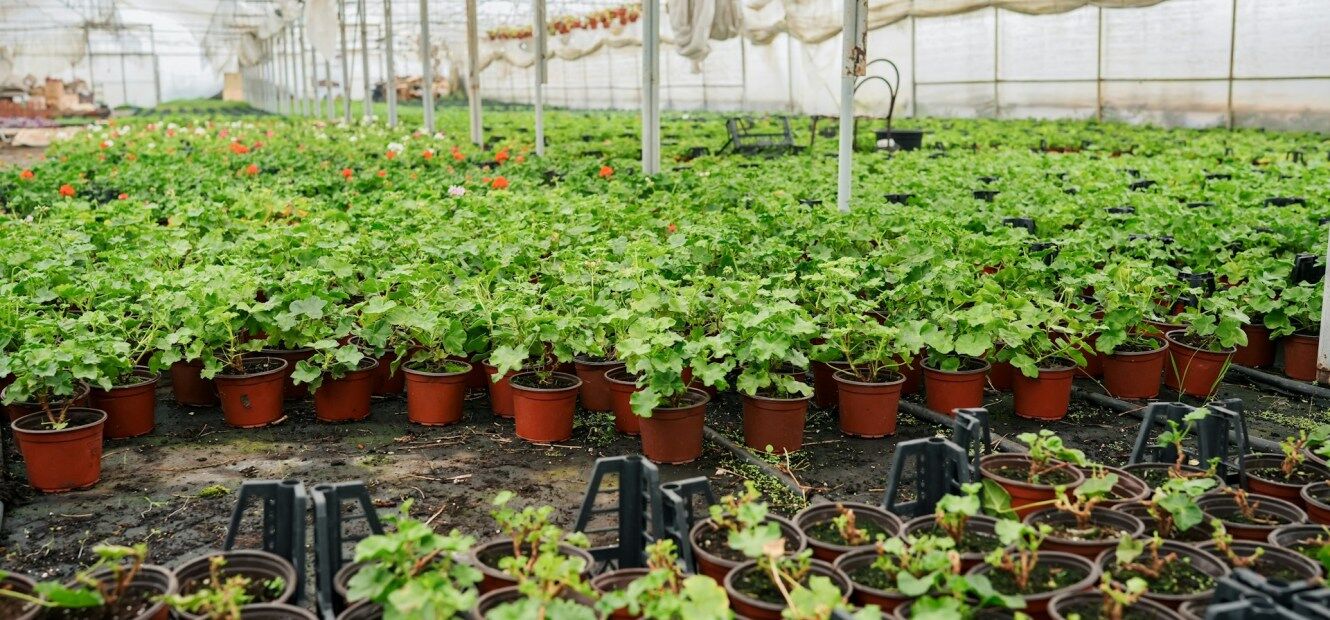

Why culinary herbs beat vegetables for profit
When you are starting a small-scale farm, every square foot of land needs to work harder than it would in a traditional vegetable garden. Herbs offer a distinct economic advantage over standard crops like lettuce or tomatoes because they allow for much higher planting density and faster turnover cycles. While a head of lettuce might take weeks to reach full size, you can harvest sweet basil or cilantro repeatedly throughout the growing season, often getting multiple cuts from the same plant.
This density translates directly into higher revenue per square foot. Fresh-market herbs like flat-leaf parsley and chives grow closely together, maximizing your harvest space without competing for light or nutrients in the same way larger vegetables do. The result is a crop that generates cash flow much faster, allowing you to reinvest in your farm sooner. For many new growers, this rapid return on investment is the difference between breaking even and building a sustainable business.
Shelf life is the other hidden profit driver. Vegetables like spinach or arugula wilt and spoil within days of harvest, creating waste that eats into your margins. Herbs like rosemary, oregano, and thyme are hardy and durable. They can withstand handling and transport better than delicate leafy greens, meaning less product ends up in the compost bin and more reaches the customer in sellable condition. This durability reduces your risk and makes herbs a safer bet for your first growing season.
Top basil varieties for high-volume sales
Basil is the undisputed heavyweight champion of small-scale herb farming. Its rapid growth cycle and universal demand in Italian and Thai cuisines make it a reliable cash crop for new farmers. Unlike slower-growing perennials, basil turns over quickly, allowing you to harvest multiple times in a single season.
Sweet basil is the workhorse variety. It offers a classic, sweet aroma that restaurants rely on for pesto and caprese salads. Because it is so common, the market is steady, but competition can be fierce. To stand out, focus on freshness and consistent supply.
For higher margins, consider specialty varieties like Genovese or Thai basil. Genovese basil has larger leaves and a stronger flavor, prized by chefs for authentic Italian dishes. Thai basil, with its anise-like notes and purple stems, caters to Asian cuisine markets that often pay a premium for fresh, local ingredients.
Starting with basil is straightforward, but success depends on choosing the right seeds or starter plants. You can find a wide range of basil seeds and potted starter plants on Amazon, allowing you to test different varieties before scaling up your planting beds.


As an Amazon Associate, we may earn from qualifying purchases.
Hardy perennials: rosemary, oregano, and thyme
Perennial herbs are the workhorses of a small-scale farm. Once established, they return year after year without the annual replanting costs that eat into your margins. This consistency allows you to plan your harvests with confidence, knowing that your primary income sources will be available season after season.
Rosemary, oregano, and thyme share a preference for dry, well-drained soil and full sun. Grouping them together simplifies your irrigation and maintenance routine. You can plant these once and enjoy reliable yields for five years or more, turning your initial labor into long-term passive income.
| Herb | Drought Tolerance | Harvest Frequency | Initial Cost |
|---|---|---|---|
| Rosemary | High | Year-round | Low |
| Oregano | High | Spring/Fall | Low |
| Thyme | High | Year-round | Low |


As an Amazon Associate, we may earn from qualifying purchases.
Essential herb farming equipment for scaling
Moving from a backyard patch to a commercial operation requires more than just bigger beds; it demands tools built for speed and volume. When you are processing pounds of basil or oregano for local restaurants and farmers markets, your workflow needs to be efficient to keep labor costs down and product quality high.
The first bottleneck for most small-scale farmers is cleaning and drying. Harvested herbs carry soil, sand, and field heat that must be removed quickly to prevent spoilage. A professional-grade wash station paired with a high-capacity dehydrator is often the most significant upgrade you can make. These tools ensure your herbs arrive at the buyer’s door crisp, clean, and ready for packaging.
Below are the essential commercial-grade washing and drying equipment options that help bridge the gap between hobbyist and professional.



As an Amazon Associate, we may earn from qualifying purchases.
Where to sell your fresh herb harvest
Turning your garden into a business starts with knowing who wants your produce. The most immediate route is the local farmers market. This channel lets you build a loyal customer base and get instant feedback on which varieties—like sweet basil or cilantro—are flying off the table. It’s also where you can test pricing without the pressure of a contract.
For consistent, bulk volume, look into B2B restaurant contracts. Chefs often struggle to find reliable sources for high-quality, fresh herbs. If you can supply consistent bunches of rosemary, thyme, or parsley, you’ll secure steady income. Start by visiting local establishments during off-hours with a small sample basket. Show them the freshness and aroma; taste and smell often close the deal better than a resume.
Another growing avenue is pre-harvest subscription boxes. Many local grocery stores and co-ops now partner directly with small-scale farmers to stock their "local" shelves. This requires more planning and volume, but it offers predictable weekly pickups. Focus on hardy, high-yield crops like chives or oregano for these larger orders, as they withstand transport better than delicate leafy greens.
Common questions about growing herbs for profit
Starting a small-scale herb farm is a practical way to turn a backyard or greenhouse into a steady income stream. Many new farmers worry about which crops will actually sell, but the market for fresh, high-quality herbs is consistently strong, especially among local chefs and home cooks who value flavor over shelf life.
What are the best herbs to grow and make money?
Basil, chives, oregano, parsley, rosemary, dill, and coriander are widely considered the most profitable culinary herbs. Basil is often the top earner because it is a staple in Italian cuisine and sells quickly in bunches. Chives and oregano are hardy perennials that require less replanting, while parsley and cilantro (coriander) have high turnover rates in local markets.
How much profit can I make growing herbs?
Profit margins vary based on your growing method and sales channel, but herbs generally offer higher returns per square foot than most vegetables. Selling directly to consumers at farmers markets or to local restaurants often yields the best prices, as buyers are willing to pay a premium for freshness that grocery stores cannot match.
Do I need special equipment to grow herbs for profit?
You do not need expensive industrial equipment to start. Basic supplies like seed trays, quality potting mix, and a reliable watering system are usually sufficient for small-scale operations. If you are growing indoors or in colder climates, a simple grow light setup can extend your growing season and keep production consistent year-round.
No comments yet. Be the first to share your thoughts!