
Pick your profit crops
Choosing the right herbs is the first step toward a viable business. You want crops that offer high margins, survive shipping, and grow reliably in your climate. Focus on varieties that thrive in containers or small beds, keeping startup costs low while maximizing yield.
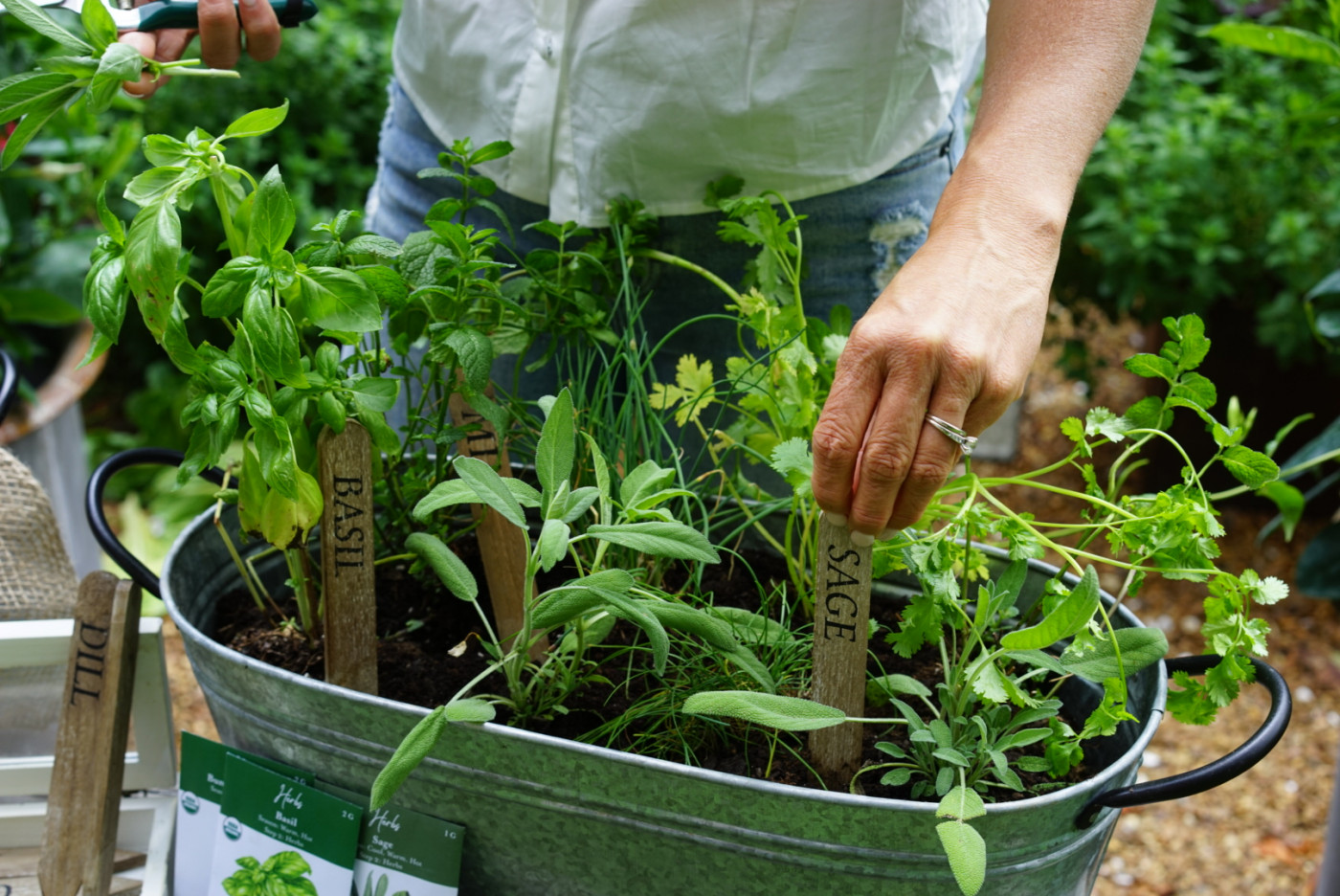
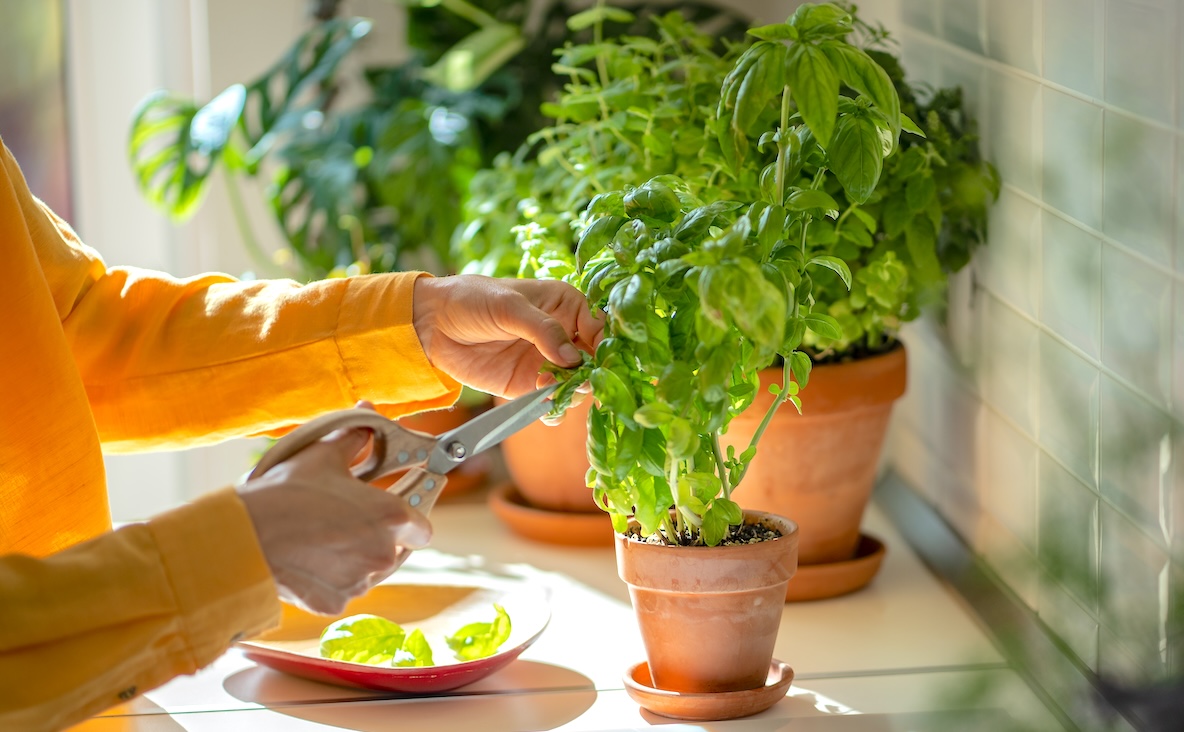
Basil is a staple for a reason. It grows fast, sells well at farmers markets, and pairs with almost any recipe. Lavender follows closely behind, offering dried bundles, sachets, and oils that fetch premium prices without spoiling. Rosemary and thyme are woody perennials that come back year after year, reducing replanting labor and providing consistent harvests.
Set up your growing space
You don’t need a commercial greenhouse to launch a profitable herb business. In fact, starting small keeps your overhead low and your learning curve manageable. Whether you choose a controlled environment or open ground, the goal is the same: create a reliable, clean space where your crops can thrive without breaking the bank.
Start with a greenhouse for control
A small-scale greenhouse or high tunnel gives you the most flexibility. You can start seeds earlier in the spring and extend your harvest into the fall. This is ideal for high-value herbs like basil or cilantro, which are sensitive to temperature swings. You can build a simple hoop house using PVC pipes and polyethylene film for a fraction of the cost of a glass structure. This setup protects your plants from unexpected frosts and pests, ensuring a consistent supply for your buyers.
Consider open-field options for volume
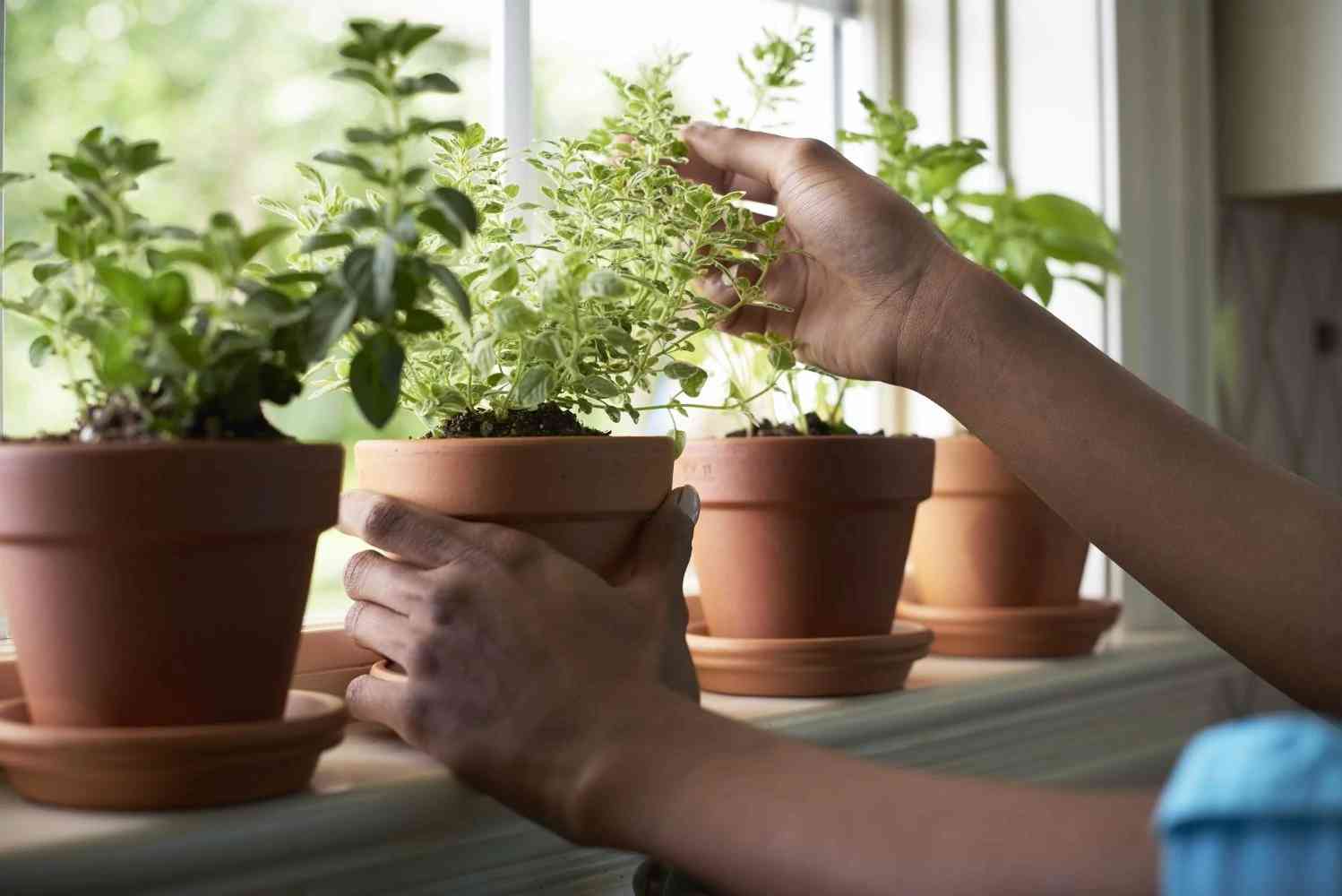
If your budget is tight, open-field growing is a viable alternative. It requires less upfront investment in infrastructure but demands more attention to soil health and weed management. This method works well for hardy herbs like rosemary, thyme, and oregano. You’ll need to plan your planting schedule carefully to avoid late-season rains that can rot your crops. Many successful small farms start in open fields and expand into greenhouses as revenue grows.
Build your planting beds
Regardless of your structure, your planting beds are the foundation of your business. Raised beds are often preferred because they offer better drainage and warmer soil temperatures, which herbs love. You can build these from untreated cedar or reclaimed wood. Keep the rows wide enough (at least 30 inches) to allow easy access for weeding and harvesting. Compact, well-organized beds reduce labor time and make your space look professional to potential wholesale buyers.
Decide between a greenhouse, high tunnel, or open field based on your budget and local climate. Greenhouses offer year-round control, while open fields are cheaper but weather-dependent.
Herbs need well-draining soil with a pH between 6.0 and 7.0. Test your soil and amend it with compost before planting. Avoid heavy fertilizers that can dilute the flavor of your herbs.
Construct raised beds using durable, untreated wood. Aim for 30-inch wide rows to allow easy access. This improves drainage and makes harvesting more efficient.
Install a drip irrigation system to deliver water directly to the roots. This conserves water and keeps foliage dry, reducing the risk of fungal diseases like powdery mildew.
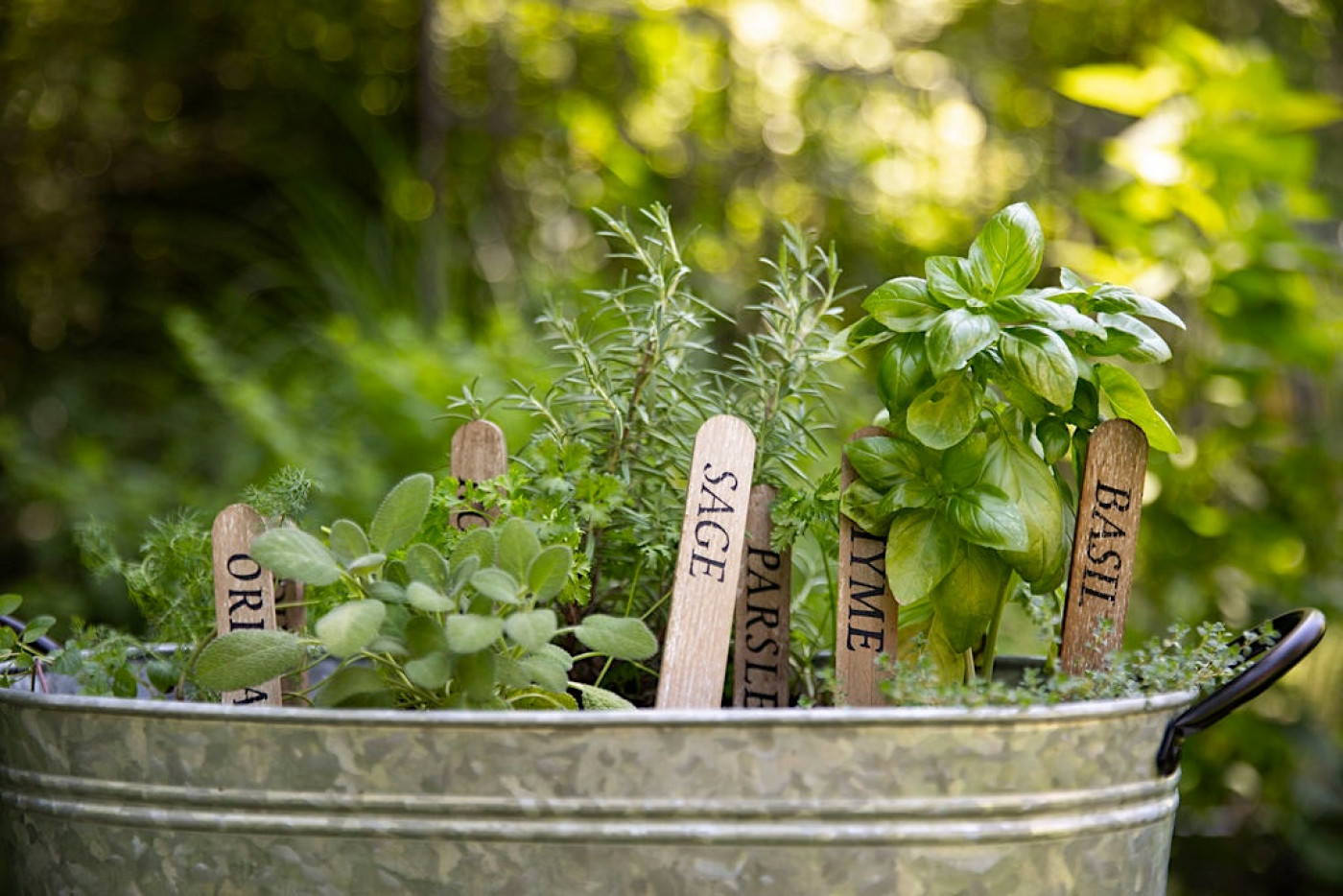
Map out your beds to maximize space and airflow. Group herbs with similar water and light needs together. Leave wide aisles for walking and equipment access.
Buy essential herb farming equipment
You don’t need a warehouse or a fleet of tractors to start. Commercial-scale herb farming on a small footprint relies on a few specific, durable tools. The goal is to buy once, buy right, and avoid the temptation to upgrade prematurely. Think of this as building a toolkit, not a factory.
Start with your hands. A pair of bypass pruners and a sharp sickle or scythe are your primary harvest tools. For small beds, hand trowels and broadforks aerate soil without compaction. Move to processing: a stainless-steel drying rack or a small dehydrator is non-negotiable for maintaining color and potency. Finally, invest in heat-sealing bags and labels. Packaging is your first point of contact with the customer.
Keep your initial spend under $2,000 if possible. Used equipment from local farms or agricultural surplus stores often works just as well for new growers. The tools listed here are the baseline for profitability; everything else is a luxury you can afford once your first batch sells out.
Dry and package your herbs for sale
Once you’ve harvested, the clock starts ticking. Moisture is the enemy of shelf life and the main culprit behind moldy batches. Getting the drying right protects your investment and keeps your customers happy. The goal is to remove water quickly while locking in flavor and color.
Wash and prep carefully
Rinse your herbs in cold water to remove dirt and insects, but don’t soak them. Excess water slows drying and encourages bacterial growth. Shake off the bulk moisture and pat the leaves dry with clean towels. For sturdy herbs like rosemary or thyme, you can often skip washing if they’re clean from the garden, but for delicate ones like basil or cilantro, a gentle rinse is worth the extra drying time.
Spread your herbs in a single layer on mesh screens or clean paper towels. Keep them out of direct sunlight, which bleaches color and fades flavor. A dark, well-ventilated room works best. Turn them gently every few days to ensure even drying. This method takes 1-2 weeks but preserves the best quality.
Herbs are done when they crumble easily between your fingers. If they still feel leathery or bend without breaking, they need more time. Moisture trapped inside will cause mold in your packaging. Crush a small piece to check the center; it should be dry all the way through.
Once fully dry, store your herbs in airtight glass jars or heavy-duty foil bags. Keep them in a cool, dark place to maintain potency. Label each container with the herb name and drying date. Properly dried and stored herbs can last 6-12 months with good flavor.
Package for retail appeal
Your packaging is your first impression. Use clear containers so customers can see the quality of the product. For bulk sales, consider small mesh bags or paper envelopes with a clear window. Make sure your labels include the product name, weight, and your business contact information. Simple, clean packaging often sells better than overly decorated boxes.
Meet food safety standards
Before you sell, check your local regulations. Many areas require a food handler’s permit or a cottage food license for dried herbs. Keep detailed records of your harvest and processing dates. This not only keeps you legal but also helps you track quality and handle any customer questions. Cleanliness is non-negotiable—sanitize all surfaces, tools, and containers before use.
Find buyers and sell your herbs
Your herbs are ready, but they won’t pay the bills until they leave your hands. The most effective way to start selling is to go where your customers already are. You don’t need a website or a fancy storefront to generate initial revenue; you just need a clear path to the buyer.
Start with local farmers markets. This is the lowest-cost entry point for most new herb businesses. It allows you to build relationships with community members and get immediate feedback on which varieties sell best. Use this time to validate your pricing and product presentation before scaling up.
Next, approach local restaurants. Chefs often prefer fresh, locally sourced herbs over wholesale suppliers because the flavor is superior. Bring samples of your best cuts—like basil, cilantro, or specialty microgreens—to a few nearby restaurants. A simple, professional pitch about your growing practices can open doors to recurring weekly orders.
Check your startup budget
Before you buy a single seed packet, you need a realistic picture of what starting an herb business actually costs. Entrepreneur estimates that a small-scale, home-based herb farm typically requires between $2,000 and $10,000 in initial capital. This range covers everything from basic greenhouse infrastructure to marketing materials, allowing you to operate part-time while minimizing risk.
The University of Idaho advises building your business on paper before investing a penny in land or equipment. Start by creating an enterprise budget that lists every fixed and variable cost. This includes seeds, soil, pots, irrigation supplies, packaging, and any necessary local licensing fees. Be conservative with your estimates; it is better to over-allocate funds for unexpected expenses than to run out of cash mid-season.
A lean startup doesn't mean cutting corners on quality. Instead, it means focusing on high-margin, low-overhead crops. Herbs like basil, cilantro, and mint grow quickly and have high turnover rates, making them ideal for early revenue. By keeping your initial inventory small and your infrastructure simple, you can validate your market demand without tying up significant capital in unsold product.
Calculate one-time expenses like shelving, lighting, and initial tool purchases. These are costs you pay once, regardless of how much you sell.
Project recurring costs per batch, including seeds, soil amendments, water, and packaging materials. Multiply these by your expected yield to find your true cost of goods sold.
Set aside 10–15% of your total budget for unexpected issues like pest outbreaks, equipment failure, or slower-than-expected sales during the first season.
-
Seed and soil costs
-
Growing infrastructure (shelves, lights, fans)
-
Packaging and labeling supplies
-
Business license and permits
-
Marketing and website setup
-
Contingency fund (10-15%)
Is an herb business profitable?
Yes, but it depends on what you sell. Growing raw herbs alone often yields thin margins because of labor and spoilage. The real money is in value-added products that extend shelf life and command higher prices.
Think of it this way: fresh basil might sell for $3 a bunch, but dried basil in a branded jar can fetch $8. Nonperishable items like dried lavender sachets, herb vinegars, herbal teas, and lemon verbena soap bring in significant late-season revenue. If you plan ahead and grow enough for fall and winter events, these products become your profit engine.
No comments yet. Be the first to share your thoughts!