
Select high-margin culinary herbs
Start by selecting herbs that balance high market demand with manageable cultivation requirements. The most profitable small-scale operations focus on varieties that chefs and home cooks use daily, ensuring consistent sales volume. Prioritize herbs with short growth cycles or high yield per square foot to maximize return on investment.
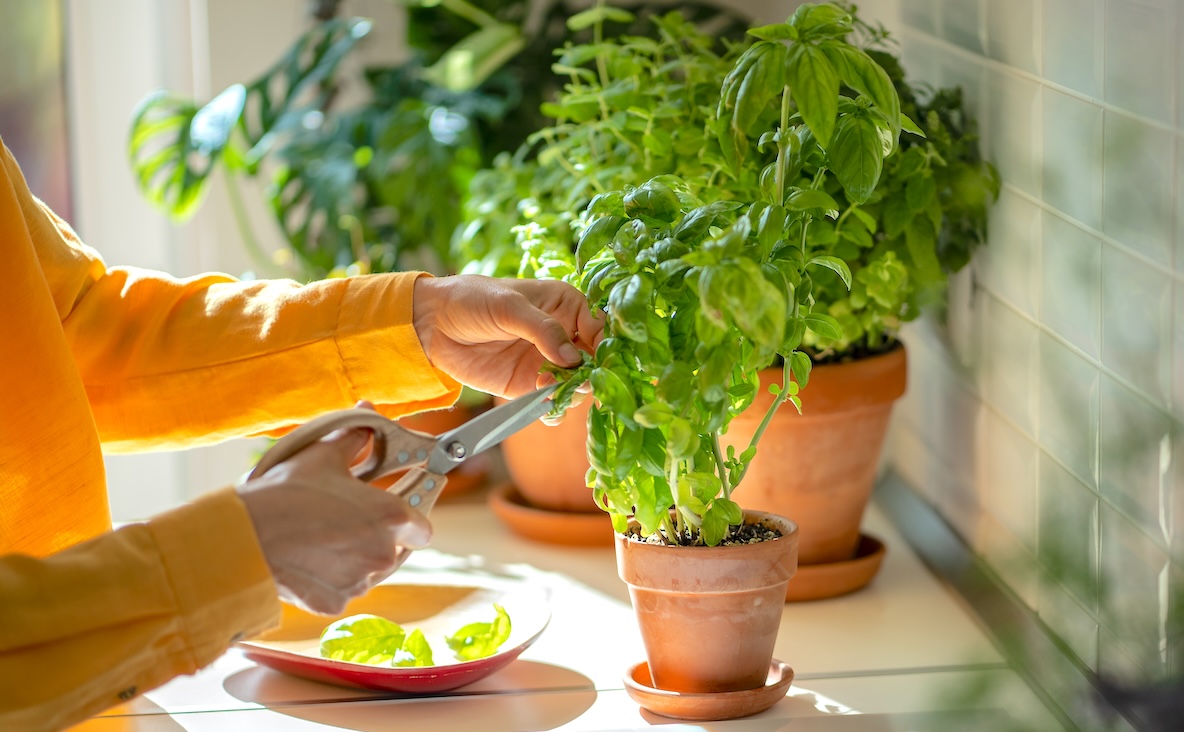
Basil is the cornerstone of many culinary businesses due to its rapid growth and high turnover. Genovese basil, in particular, commands premium prices in fresh markets because of its superior flavor profile. Grow it in containers or raised beds to protect it from frost and extend the selling season into early fall.
Rosemary and thyme offer a different advantage: longevity. These woody perennials require less frequent replanting than soft herbs. They also store well, allowing you to sell fresh bundles in summer and dried products year-round. This dual-market capability stabilizes cash flow during off-seasons.
Mint is another high-demand crop, but it requires strict containment. Its aggressive root system can overrun garden beds if not managed properly. Use underground barriers or dedicated pots to prevent spread. Its popularity in teas, cocktails, and garnishes ensures steady demand from both retail and food service buyers.
Set up your growing infrastructure
Commercial herb cultivation requires a shift from hobbyist improvisation to industrial precision. The physical infrastructure you build today dictates your yield consistency and operational efficiency tomorrow. Whether you are growing high-demand culinary varieties like basil, cilantro, or parsley, your setup must support rapid turnover and strict quality control.
Prepare the growing medium and beds
Soil quality is the foundation of a profitable herb business. For outdoor beds, amend the soil with organic matter to ensure proper drainage and nutrient retention. Herbs generally prefer a pH between 6.0 and 7.0. If you are using containers or greenhouses, invest in a sterile, soilless mix to prevent disease and allow for precise nutrient management. Raised beds are often preferable for commercial operations because they improve drainage, reduce compaction, and make harvesting more ergonomic.
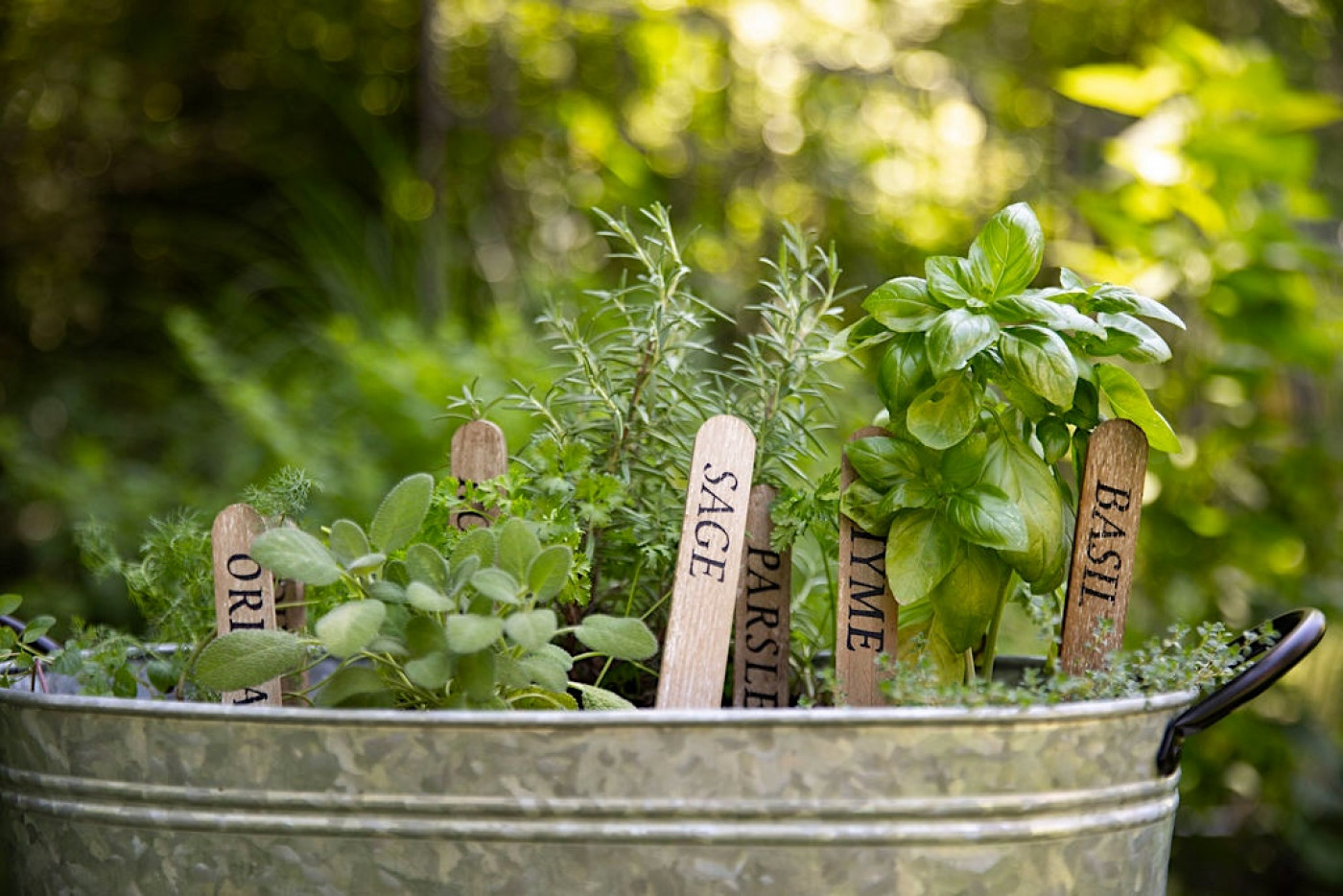
Water management is the most critical operational variable. Install a drip irrigation system with emitters spaced to match your planting density. Drip irrigation delivers water directly to the root zone, reducing waste and minimizing leaf wetness, which helps prevent fungal diseases like powdery mildew. Connect the system to a timer or soil moisture sensors to maintain consistent moisture levels without manual intervention.
Proper spacing ensures adequate airflow and light penetration, which are essential for high-quality foliage. Overcrowding leads to weak stems and increased disease pressure. Orient rows north-to-south to maximize sun exposure throughout the day. For high-density crops like cilantro or parsley, follow seed packet recommendations for micro-green or baby leaf production, but adjust for commercial yield goals.
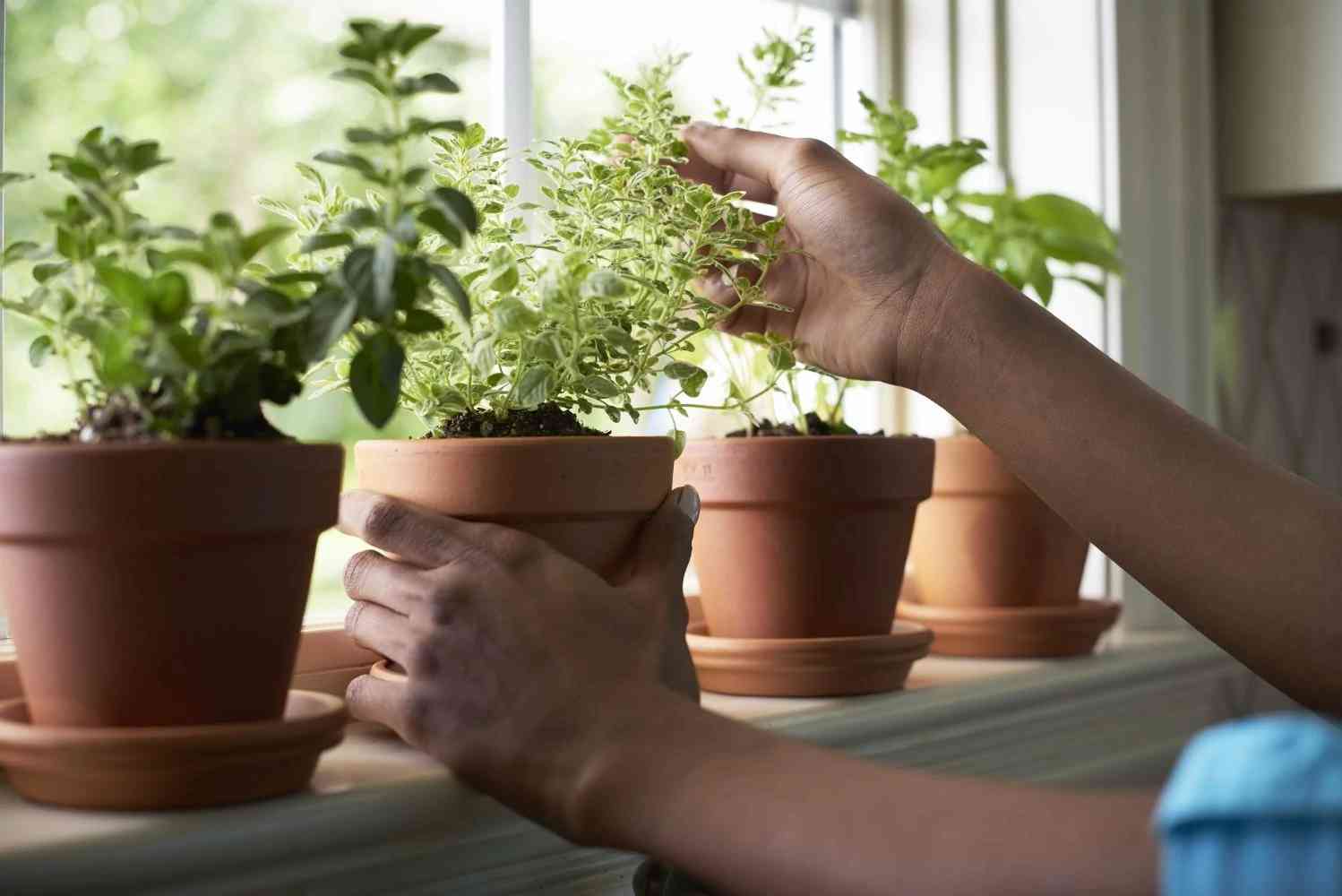
Harvested herbs are perishable and require immediate attention. Designate a clean, shaded area near your growing space for washing, drying, and bundling. This "packing shed" should have access to clean water, potable ice if needed for hydro-cooling, and stainless steel surfaces for hygiene. Proper post-harvest handling preserves shelf life and meets the standards of restaurants and grocery stores.
Plan for scalability and protection
Your infrastructure should allow for easy expansion. Start with a manageable footprint, but plan your bed layout so you can add more rows without disrupting existing irrigation or access paths. Consider using low tunnels or row covers to extend your growing season and protect crops from pests. This simple protection can significantly increase your yield window and reduce crop loss.
Harvest and process for freshness
Timing and handling dictate the shelf life of your culinary herbs. Harvest in the early morning after dew dries but before the sun drives off essential oils. This window preserves the potency that chefs and retailers expect. Cut stems with clean, sharp shears to minimize crushing and bacterial entry points.
Rinse bundles in cold, clean water to remove soil and insects. Gently shake off excess moisture. Pat dry with paper towels or use a salad spinner on low speed. Wet herbs rot quickly, so ensure they are completely dry before packaging.
For fresh sales, tie stems into neat bundles with rubber bands or twine. For loose-leaf herbs like parsley or cilantro, pack them into clamshell containers or perforated bags. Leave room for airflow to prevent condensation buildup.
If processing for dried goods, hang bundles upside down in a warm, dark, well-ventilated space. Alternatively, use a dehydrator at low heat (95°F/35°C) to preserve color and flavor. Herbs are ready when leaves crumble easily between fingers.
Store dried herbs in airtight glass jars away from light and heat. Label with the harvest date. For fresh herbs, wrap loosely in damp paper towels and store in the refrigerator. Use within a week for optimal flavor in culinary applications.
Consistency in these steps builds trust with buyers. A single batch of wilted or discolored herbs can damage your reputation. Treat every harvest as a product ready for immediate sale, not just a garden yield. This mindset shifts your operation from hobbyist to professional supplier.
Find buyers and sell directly
Direct sales and local restaurant relationships offer the highest margins for a new herb business. By bypassing wholesale distributors, you retain control over pricing and build a loyal customer base that values freshness and consistency. This approach requires active outreach and reliable logistics, but the profit per unit is significantly higher than selling to intermediaries.
Sell Directly to Consumers
Farmers markets, roadside stands, and online storefronts are the primary channels for direct-to-consumer sales. Success here depends on product presentation and consistent availability. Keep packaging clean and professional, and ensure your herbs are harvested and packed on the same day to maximize shelf life. Building a reputation for quality at local markets often leads to repeat customers and word-of-mouth referrals.
Build Relationships with Local Restaurants
Local chefs are ideal buyers because they prioritize flavor and freshness over low cost. Approach head chefs or kitchen managers directly with fresh samples and a simple price list. Emphasize your ability to harvest to order and provide rare or high-demand varieties like Thai basil, lemon verbena, or microgreens. Consistent supply is critical; chefs need to know you will deliver exactly what is promised, when it is promised.
Leverage Digital and Community Channels
Social media and community platforms help you reach a broader audience without the overhead of a physical storefront. Post updates on harvest times, available varieties, and pre-order windows. Engage with local food communities and share behind-the-scenes content of your growing process to build trust. While dried herb products like teas or sachets can provide off-season revenue, focus your primary marketing on fresh, high-turnover culinary herbs to maintain cash flow.
Check regulations and costs
Before scaling production, secure the necessary legal and financial groundwork. Starting an herb business requires navigating local zoning laws and food safety standards. Many municipalities classify herb farming under specific agricultural or commercial gardening codes. Verify that your property is zoned for commercial cultivation to avoid fines or operational shutdowns. Additionally, if you plan to sell fresh herbs directly to consumers or restaurants, check state-level food handling regulations. Some jurisdictions require a food handler’s permit or specific sanitation protocols for washing and packaging produce.
Startup costs vary significantly based on your production scale. A small-scale operation focused on culinary herbs like basil, cilantro, and parsley can begin with minimal overhead. Initial expenses typically include seeds or starter plants, growing media, containers, and basic irrigation supplies. If you are moving from hobbyist to professional, budget for greenhouse infrastructure, lighting, and climate control systems. University agricultural studies suggest that establishing a commercial herb farm can range from inexpensive for backyard growers to costly for multi-acre operations. Create a detailed budget that accounts for recurring costs like water, electricity, and packaging materials.
Contact your local planning department to confirm your property is zoned for commercial agriculture. Apply for any required business licenses or home occupation permits.
Determine if your state requires food handler certifications or specific sanitation licenses for selling fresh produce. Follow Good Agricultural Practices (GAP) guidelines.
Create a budget covering seeds, soil, containers, and infrastructure. Include recurring expenses for water, electricity, and packaging.
Obtain general liability insurance and crop insurance to protect against loss from weather, pests, or customer claims.
Common Mistakes to Avoid in an Herb Business
Starting an herb business often feels like a race to plant as much as possible, but volume without demand is a quick path to waste. Many growers make the mistake of overplanting low-demand varieties or niche crops that lack a steady buyer base. Instead of guessing what will sell, anchor your initial planting in high-demand culinary staples like basil, cilantro, parsley, and mint. These herbs have predictable turnover in local restaurants and farmers' markets, ensuring you aren't left with unsold biomass when harvest time arrives.
Another frequent error is neglecting post-harvest handling. Herbs are perishable goods; their value drops significantly if they aren't processed correctly after cutting. Moisture left on leaves leads to rapid spoilage, while improper storage temperature accelerates wilting. Treat your harvest like a cold chain operation: wash gently, dry thoroughly using a salad spinner or air flow, and store immediately in climate-controlled conditions. This attention to detail separates professional suppliers from hobbyists.
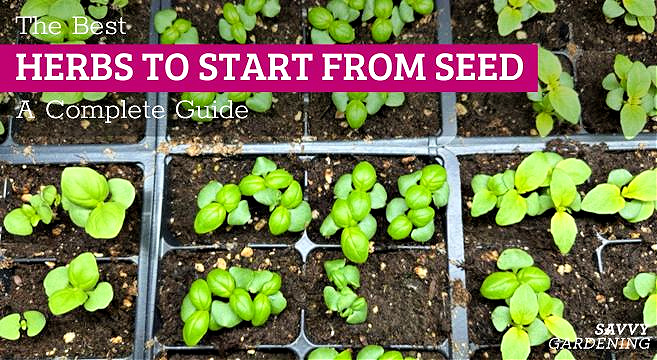
Review your current planting plan against local buyer demand. Remove any low-turnover varieties and replace them with culinary staples that have verified market interest. This prevents capital from being tied up in unsold crops.
Set up a dedicated washing and drying station before your first harvest. Test different drying methods to determine which preserves the most color and flavor for your specific herb varieties.
Monitor temperature and humidity levels in your storage area. Even slight fluctuations can reduce shelf life, so invest in reliable thermometers and hygrometers to maintain optimal conditions.
Finally, don't underestimate the logistics of delivery. Herbs are fragile, and poor packaging can ruin a good product during transport. Use breathable containers that protect the herbs without trapping excess moisture. Building relationships with local chefs and market managers early on will help you understand their specific packaging and delivery expectations, reducing the risk of rejected shipments.
Your herb business checklist
Launching a small-scale culinary herb business requires aligning cultivation cycles with market demand. Before you harvest your first batch of basil or rosemary, ensure your operational foundation is secure. This checklist covers the essential logistics for moving from garden to customer.
-
Register your business entity and obtain necessary local agricultural permits.
-
Finalize your primary crop selection (e.g., basil, cilantro, parsley) based on local restaurant demand.
-
Set up post-harvest handling: clean washing stations, drying racks, and cold storage.
-
Source food-safe packaging that preserves freshness and meets labeling regulations.
-
Develop a sales strategy: direct-to-consumer CSA boxes, farmers markets, or B2B restaurant contracts.
-
Establish a planting schedule that ensures continuous supply year-round or during peak seasons.
Is an herb business profitable?
Profitability hinges on diversifying beyond fresh cuttings. While fresh herbs have high turnover, they are perishable and price-sensitive. The most reliable margins come from value-added products that extend shelf life. Dried lavender sachets, herb vinegars, herbal teas, lemon verbena soap, and candles can bring in a significant amount of late-season revenue if you plan ahead and grow enough for fall and winter events [2].
Fresh market revenue remains steady for chefs and farmers' markets, but processing reduces waste. Converting surplus basil into pesto or dried oregano into tea blends allows you to sell inventory when demand for fresh greens drops. This approach stabilizes cash flow and maximizes yield from every planted square foot.
No comments yet. Be the first to share your thoughts!