
Is a Herb Garden Business Right For You?
Starting an herb garden business sounds romantic, doesn't it? Fresh scents, beautiful plants, and a connection to the land. But it's crucial to be realistic. It's not only about enjoying herbs; it's about running a business. This means consistent work, marketing, and a solid understanding of both horticulture and basic business principles.
Before you invest time and money, honestly assess your skills and resources. Do you have a dedicated growing space? Are you comfortable with physical labor? Do you have a basic understanding of plant propagation and pest management? More importantly, are you willing to learn? You'll be learning constantly.
Consider the lifestyle. Herb gardening is seasonal, and the work doesn't stop when the plants are in the ground. Harvesting, drying, packaging, and marketing all take time and effort. You'll need to be prepared for long hours, especially during peak season. It's a commitment, make no mistake.
There are several business models to explore. You could focus on direct sales at farmers markets or through a roadside stand. Online sales via platforms like Etsy or your own website are also options. Or, you might target wholesale accounts with local restaurants, health food stores, or even larger distributors. Each model has its own challenges and rewards. Consider what aligns with your strengths and resources.
- Self-Assessment: Honestly evaluate your gardening skills, physical stamina, and business aptitude.
- Space Availability: Do you have access to sufficient growing space?
- Time Commitment: Are you prepared for the demanding schedule?
- Market Research: Is there a demand for herbs in your area?

Startup Costs: From Seeds to Sales
Let's talk money. Startup costs for an herb garden business can vary dramatically depending on the scale of your operation. A small-scale backyard operation could require as little as $500 to $1,000 to get started, while a larger commercial venture could easily exceed $10,000 or even $20,000. Create a detailed budget before you begin.
Initial expenses include seeds or seedlings, costing $50 to $200 depending on variety and quantity. Soil is another significant cost. High-quality potting mix or amendments can run $50 to $300, again depending on volume. Don't skimp here; healthy soil is the foundation of a successful garden.
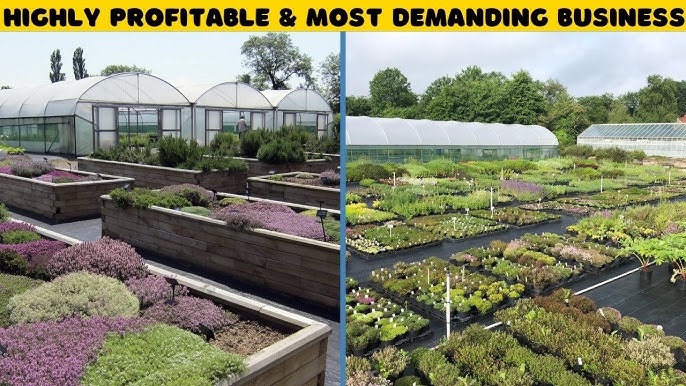
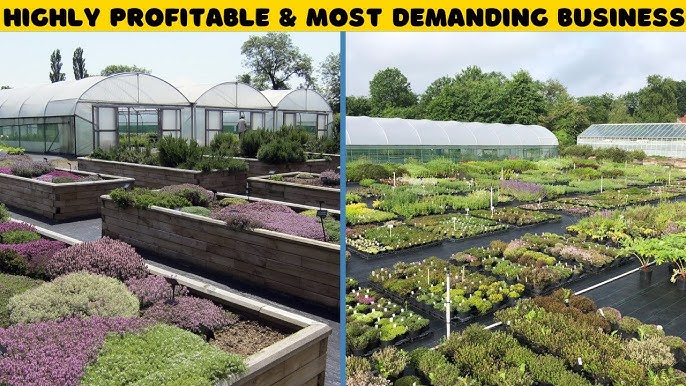
You'll also need containers, irrigation systems, tools (trowels, pruners, watering cans), and potentially infrastructure like a greenhouse or cold frame. A basic irrigation system might cost $100 to $500, while a small greenhouse could range from $500 to $5,000 or more. Tools can add another $100 to $300 to your budget.
Don't forget about "soft costs’ like licensing and permits, which can vary widely by location. Marketing materials (business cards, flyers, website) and initial advertising expenses should also be factored in. Rutgers University"s Farm Business Planning Workbook is a good resource for building a comprehensive budget. Budget at least $100 to $500 for these initial marketing efforts.
Herb Garden Business Model Comparison - 2026
| Business Model | Startup Cost | Potential Profit | Time Commitment | Marketing Effort |
|---|---|---|---|---|
| Farmers Markets | Low to Medium | Medium | High | Medium |
| Online Sales (Direct to Consumer) | Medium | Medium to High | Medium | High |
| Wholesale to Restaurants | Medium to High | Medium | Medium | Medium |
| CSA (Community Supported Agriculture) Boxes | Medium | Medium to High | High | Medium |
| Local Grocery Stores | Medium to High | Low to Medium | Medium | Medium |
| Dried Herb & Tea Blends (Online/Markets) | Low to Medium | Medium | Medium | Medium |
| Medicinal Herb Production (Wholesale) | High | High | High | Medium |
Illustrative comparison based on the article research brief. Verify current pricing, limits, and product details in the official docs before relying on it.
Cultivation Planning: What Herbs to Grow & How
Choosing the right herbs to grow is critical for profitability. Don't just grow what you like. Research market demand in your area. What are restaurants buying? What herbs are popular at local farmers markets? What's selling well online? Talk to potential customers to get a feel for what they want.
Consider your growing conditions. Some herbs, like rosemary and lavender, prefer well-drained soil and full sun. Others, like mint and parsley, can tolerate partial shade and moist conditions. Match your herb selection to your climate and available space. NC State Extension identifies basil, chives, cilantro, dill, mint, oregano, parsley, and thyme as commonly grown cash crop herbs.
Propagation methods also matter. You can start herbs from seed, cuttings, or division. Seeds are the most economical option, but they require more time and attention. Cuttings and division are faster, but they require a source of existing plants. Understanding these differences is important.
Pest and disease management is essential. Organic practices are increasingly popular with consumers, but they require a proactive approach. Implement preventative measures, such as crop rotation, companion planting, and beneficial insect introduction. Be prepared to address problems quickly and effectively. Harvesting at the right time is important for flavor and shelf life. Learn the optimal harvest time for each herb you grow.
- Market Research: Determine local demand for specific herbs.
- Climate Assessment: Match herbs to your growing conditions.
- Propagation Method: Choose seeds, cuttings, or division.
- Pest & Disease Management: Implement organic and preventative strategies.
- Harvest Timing: Understand optimal harvest times for each herb.
Profitable Herbs to Grow
- Basil - A culinary staple, especially popular in Italian cuisine. Demand is consistent for fresh-cut and dried basil. Relatively easy to grow from seed, prefers full sun and well-drained soil.
- Mint - Highly versatile, used in teas, cocktails, desserts, and savory dishes. Grows aggressively, so container gardening is recommended. Popular varieties include peppermint and spearmint.
- Rosemary - A fragrant herb used extensively in Mediterranean cooking. Drought-tolerant once established and thrives in full sun. Can be sold as live plants, cuttings, or dried.
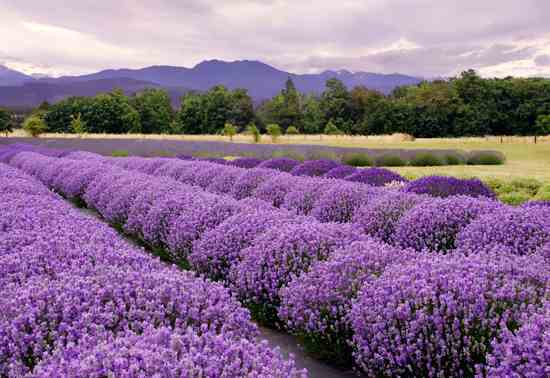
- Lavender - Popular for its calming scent, used in aromatherapy, soaps, and culinary applications (especially in baked goods). Requires full sun and well-drained soil. Dried lavender buds are a strong seller.
- Chives - A mild onion-flavored herb, easy to grow and widely used as a garnish. Prefers full sun to partial shade and moist soil. Can be sold in bunches or potted.
- Parsley - A versatile culinary herb, available in flat-leaf and curly varieties. Requires moist, well-drained soil and partial shade. Consistent demand from restaurants and home cooks.
- Chamomile - Known for its calming properties, used primarily in herbal teas. German chamomile is a popular variety. Requires full sun and well-drained soil. Can be sold dried or as live plants.
- Thyme - A robust herb used in a variety of cuisines. Drought-tolerant and prefers full sun. Several varieties exist, including common thyme and lemon thyme, offering diverse market options.
Legal Requirements and Licensing
Operating a herb garden business isn't just about growing plants; it's about complying with the law. Legal requirements vary significantly depending on your location and the types of herbs you're growing. Do your research and obtain the necessary permits and licenses.
At a minimum, you'll likely need a general business license from your city or county. If you're selling food products (even herbs), you may need a food handler's permit or a food processing license. Check with your local health department for specific requirements. Selling medicinal herbs adds another layer of complexity.
If you plan to sell herbs as organic, you'll need to obtain organic certification from a USDA-accredited certifying agency. This process can be time-consuming and expensive, but it can also command a premium price for your products. Be prepared for inspections and record-keeping requirements.
It's also important to be aware of any zoning regulations that may restrict agricultural activities in your area. Some municipalities may prohibit commercial farming in residential zones. Ignoring these regulations can lead to fines or even the closure of your business. It’s a hassle, but better to be safe than sorry.
Marketing and Sales Strategies for Herb Businesses
Growing high-quality herbs is only half the battle. You need to get them into the hands of customers. A multi-faceted marketing and sales strategy is essential. Start by identifying your target market. Are you focusing on home cooks, restaurants, health food stores, or herbalists?
Farmers markets are a great way to build a local following and get direct feedback from customers. Online stores, such as Etsy or Shopify, allow you to reach a wider audience, but they also require more marketing effort. Consider the fees and competition associated with each platform.
Wholesale accounts with local restaurants and health food stores can provide a steady stream of revenue. Building relationships with chefs and store owners is key. Offer samples, provide consistent quality, and be responsive to their needs. Community Supported Agriculture (CSA) programs can also be a good option, providing a guaranteed income stream in exchange for a weekly or monthly herb delivery.
Branding is important. Create a memorable logo, develop a consistent visual identity, and tell your story. Let customers know what makes your herbs special – are they organically grown, locally sourced, or hand-harvested? Building a strong brand will help you stand out from the competition. Don't underestimate the power of social media to connect with customers and promote your business.
Essential Marketing Tools for Your Herb Business
Create durable, laminated labels · Variety of fonts and styles · Easy-to-use QWERTY keyboard
This label maker will help you create professional and attractive labels for your herb packaging, ensuring clear identification and branding.
Biodegradable and compostable options available · Crystal clear for product visibility · Adhesive seal for secure closure
These bags offer a professional and hygienic way to package your fresh herbs, keeping them fresh and visually appealing to customers.
Accepts chip cards, contactless cards, and mobile payments · Works with iOS and Android devices · Free POS software included
This reader allows you to easily accept card payments at farmers markets or pop-up events, expanding your sales opportunities.
24.1 Megapixel CMOS sensor · Built-in Wi-Fi and NFC · Full HD 1080p video recording
Capture stunning, high-quality photos of your herbs and products to use in your marketing materials and online store.
As an Amazon Associate I earn from qualifying purchases. Prices may vary.
Financial Projections and Revenue Modeling
Creating realistic financial projections is crucial for securing funding and making informed business decisions. Start by estimating your startup costs, as outlined in the previous section. Then, project your revenue based on sales volume and pricing. Be conservative with your estimates.
Consider different pricing strategies. You could price your herbs based on cost-plus pricing (adding a markup to your production costs) or value-based pricing (setting prices based on the perceived value to customers). Research competitor pricing to get a sense of the market. Remember to factor in the cost of packaging and transportation.
Develop a basic income statement and cash flow projection. This will help you track your revenue, expenses, and profitability. Use a spreadsheet program like Excel or Google Sheets to create your projections. Be sure to include assumptions about sales growth, cost of goods sold, and operating expenses.
It's important to understand your break-even point – the level of sales needed to cover all your costs. This will give you a clear target to aim for. Regularly review your financial projections and adjust them as needed. Running a business is about constantly adapting to changing conditions. Accurate financial records are your best friend.
Scaling Your Herb Business: Long-Term Growth
Once you’ve established a successful herb garden business, you’ll likely want to consider scaling your operation. This could involve expanding your growing area, adding new product lines, or hiring employees. Careful planning is essential.
Expanding your growing area could involve renting additional land, building a greenhouse, or utilizing vertical farming techniques. Adding new product lines, such as herbal teas, infused oils, or dried herb blends, can increase your revenue streams and appeal to a wider customer base. However, be mindful of the increased complexity and potential regulatory requirements.
Hiring employees can free up your time to focus on marketing, sales, and business development. However, it also adds to your expenses and requires careful management. Consider starting with part-time help and gradually increasing staffing levels as needed.
Continuous learning is crucial for long-term success. Stay up-to-date on the latest gardening techniques, marketing trends, and regulatory changes. Network with other herb growers and share best practices. Diversification, as I’ve mentioned, is a smart strategy for mitigating risk and ensuring long-term viability.
Business Plan Essentials
- Executive Summary - Briefly outline your business concept, mission, and financial projections. This is your 'elevator pitch'.
- Market Analysis - Research your local market. Identify your target customers (restaurants, farmers markets, individuals), competition (local nurseries, grocery stores), and demand for specific herbs. Use resources like the USDA's National Agricultural Statistics Service (USDA NASS) for data.
- Production Plan - Detail how you’ll grow your herbs. Will you use raised beds, hydroponics, or a field? What are your sourcing plans for seeds/starts (e.g., Johnny's Selected Seeds)? Include details on pest and disease management (organic options are popular!).
- Marketing & Sales Strategy - How will you reach your customers? Consider farmers markets, direct sales (CSA boxes), wholesale to restaurants or health food stores, or an online store using platforms like Shopify. Social media marketing is crucial – focus on visually appealing content.
- Financial Projections - This is where the numbers matter. Include startup costs (seeds, soil, tools, irrigation, packaging), operating expenses (water, electricity, marketing), and projected revenue. Use spreadsheet software like Microsoft Excel or Google Sheets to create income statements, cash flow projections, and balance sheets.
- Operational Plan - Describe the day-to-day running of your business. This includes harvesting, processing (drying, bundling), packaging, and delivery/shipping logistics. Consider using labeling software like BarcodesInc Label Software for compliance.
- Management Team - If applicable, outline the roles and responsibilities of each team member. Even if it’s just you, detail your skills and experience.
- Funding Request (if needed) - If you’re seeking funding, clearly state the amount needed and how it will be used. Include a repayment plan.
No comments yet. Be the first to share your thoughts!