
Calculate your herb farm revenue
Before committing land and labor to a specific crop, you need to model the business case. Commercial herb farming operates on thin margins where yield variability and market price fluctuations can turn a promising venture into a loss. This calculator helps you estimate gross revenue based on acreage, crop selection, and operational costs.
The tool uses average market conditions to project gross margin. It does not account for regional price spikes, extreme weather events, or your specific local labor rates. Treat these figures as a baseline for feasibility, not a guaranteed income statement. You can adjust the labor and overhead inputs to see how economies of scale impact your bottom line.
Note that high-value crops like saffron or specialty medicinal herbs often require significantly more labor hours per acre than culinary staples like basil or parsley. The calculator assumes a standard labor intensity for culinary herbs; adjust the hours input upward if you are cultivating niche medicinal varieties or high-maintenance culinary herbs.
High-value medicinal herb markets
Growing medicinal herbs is not a passive income stream; it is a capital-intensive business with significant regulatory and biological risks. While the gross margins can be substantial, the CAPEX required for infrastructure and the time value of money often erode net profitability for inexperienced operators. Understanding the specific yield profiles and market prices for top-tier crops is essential before committing land.
Saffron, ginseng, and nettle represent the extreme ends of the high-value spectrum. Saffron commands the highest price per pound but requires intense manual labor and precise climate control. Ginseng demands long growth cycles and strict forestry regulations, tying up capital for years. Nettle offers a faster turnaround but relies on a niche wellness market that can be volatile. The table below compares the fundamental economic drivers for these three crops.
| Crop | Yield (lbs/acre) | Est. Price ($/lb) | Growth Cycle |
|---|---|---|---|
| Saffron | 2-4 | $5,000-$10,000 | Annual |
| Ginseng | 200-400 | $200-$800 | 5-7 Years |
| Stinging Nettle | 1,500-2,500 | $40-$60 | Annual/Biennial |
The disparity in these figures highlights why a simple revenue projection is insufficient. Saffron’s high price per pound is offset by extremely low yields and high labor costs. Ginseng’s long cycle creates significant opportunity costs, while nettle’s volume-based model requires robust distribution channels to move inventory. Investors must weigh these operational constraints against their available capital and risk tolerance.
Volume vs. Value: The Culinary Herb Business Case
Commercial herb farming often hinges on a fundamental trade-off between high-volume, low-margin crops and niche, high-value botanicals. For growers prioritizing consistent cash flow and lower entry barriers, culinary staples like basil, thyme, and rosemary offer a more predictable financial model than medicinal or exotic varieties.
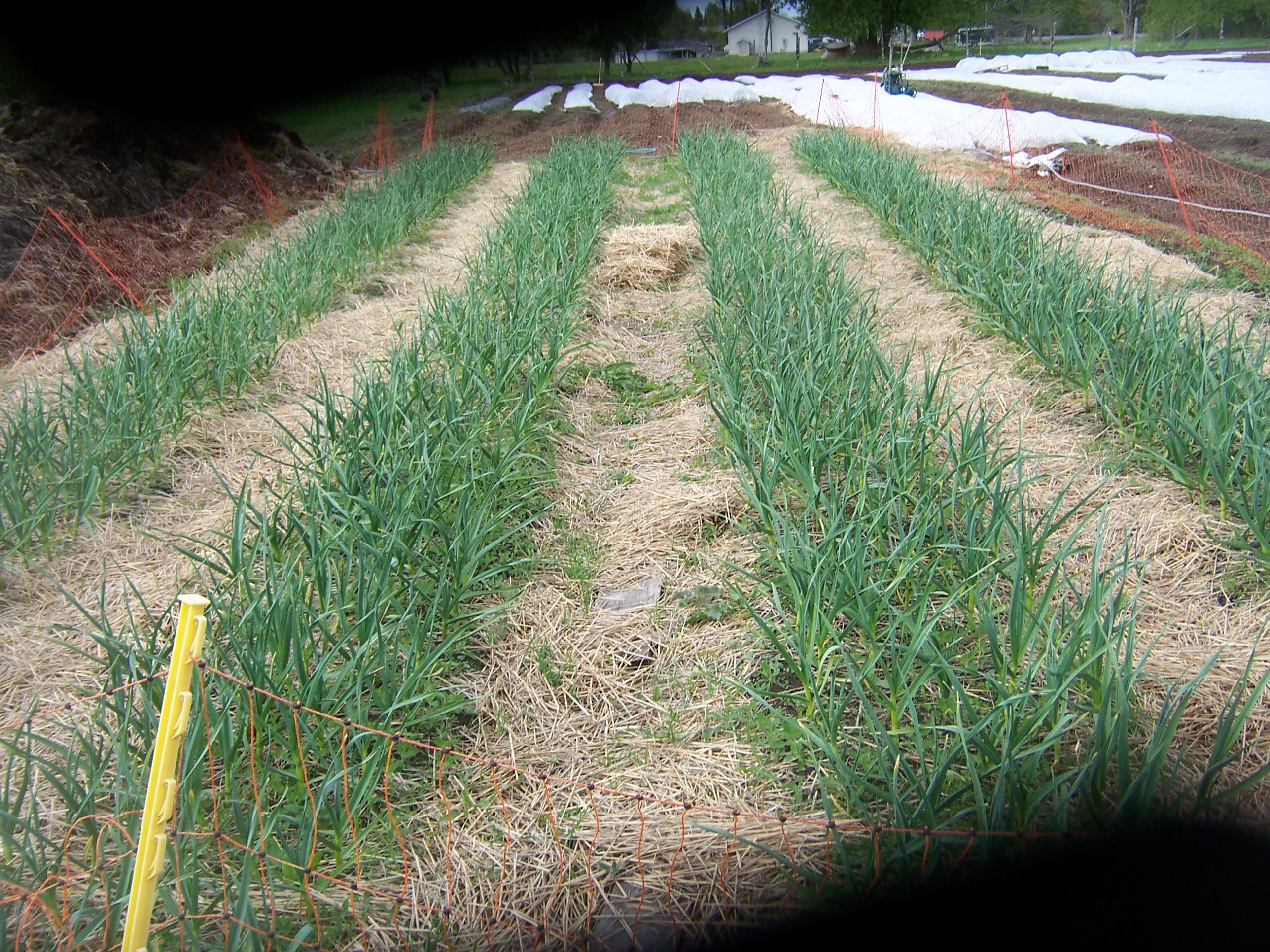
Basil, thyme, and rosemary represent the "volume" end of the spectrum. These crops require minimal specialized infrastructure, allowing for lower CAPEX (Capital Expenditure) compared to climate-controlled medicinal herb facilities. While gross margins per pound are thinner, the turnover rate is faster, and the market demand is steady and broad. This approach reduces the risk of inventory spoilage and ensures a regular revenue stream, which is critical for covering ongoing operational costs.
In contrast, "value" herbs—such as saffron or specialty medicinal blends—demand higher expertise, longer growth cycles, and often command significantly higher prices per unit. However, they also carry higher risks regarding market volatility and storage requirements. For new entrants, the culinary herb strategy provides a safer foundation for building operational efficiency and market relationships before diversifying into higher-risk, higher-reward crops.
Herb farming equipment costs
Commercial herb farming shifts from simple gardening to capital-intensive agriculture. Your initial outlay (CAPEX) defines your gross margin and return on investment (ROI). Budgeting for machinery and infrastructure is not an expense; it is a fixed cost that must be amortized against your projected yield.
Essential Cultivation Tools
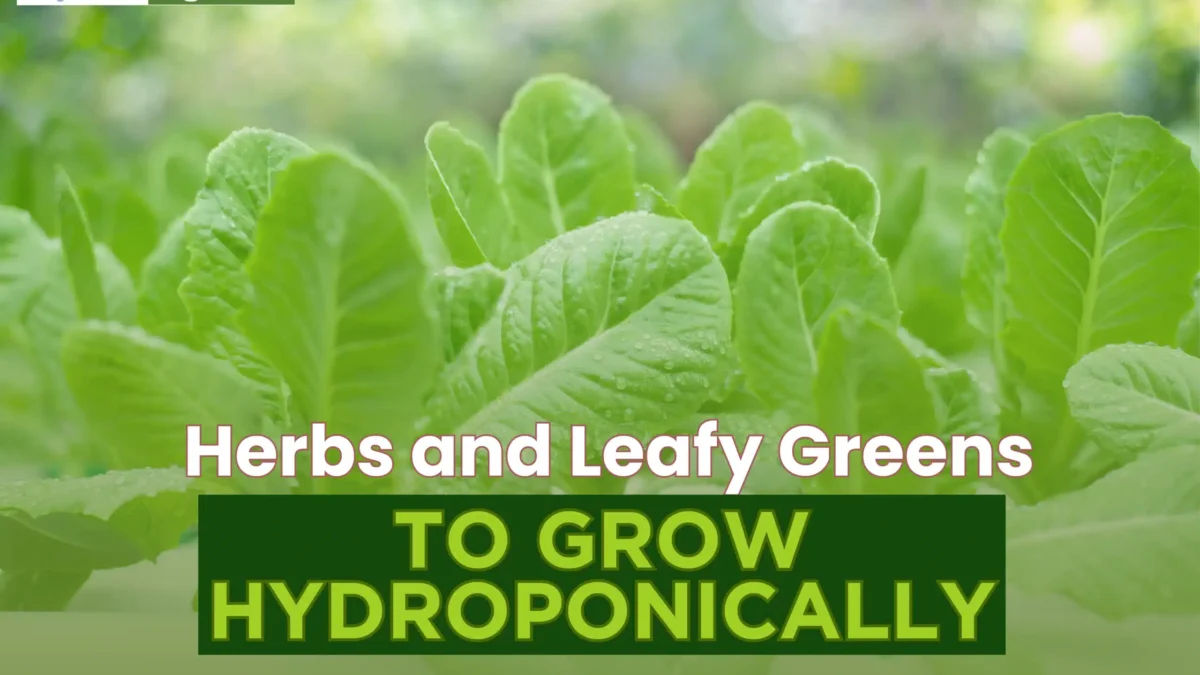
The baseline equipment depends on your growing method. For soil-based production, a tractor with a rototiller and bed shaper is standard for medium-scale operations. Hydroponic or greenhouse setups require a higher initial investment in structural materials, irrigation pumps, and climate control systems. These fixed costs are recovered through volume sales.
Harvesting and Processing
Labor is often the largest variable cost, but mechanization reduces long-term overhead. Commercial harvesters for leafy herbs like basil or cilantro can process acres per day, whereas hand-harvesting limits scalability. Post-harvest, you must budget for drying racks, dehydrators, or cold storage units. Proper processing preserves shelf life, directly protecting your revenue per pound.
Budgeting for Scale
When calculating your business case, separate one-time startup costs from recurring operational expenses (OPEX). High-value crops like saffron or medicinal herbs may require specialized, low-volume equipment rather than high-speed industrial machinery. Match your equipment to your target market to avoid over-capitalizing on capacity you cannot fill.
Common pricing mistakes to avoid
Commercial herb farming is a capital-intensive business where margins are often eroded by hidden costs. Many growers fail to account for post-harvest losses, such as wilting, mold, or trimming waste, which can reduce salable yield by 20-30%. If your pricing model assumes 100% of harvested weight is sellable, your gross margin calculations are fundamentally flawed.
Labor is another frequent blind spot. Paying yourself or hired help below market rate distorts your true ROI. You must value your time at a fair wage and include it in your CAPEX and OPEX. Underestimating labor leads to burnout and unsustainable business practices. Always calculate the cost per unit, including every hour spent on planting, harvesting, drying, and packaging.
Market saturation is the third major risk. Just because a herb is popular doesn't mean there is room for another supplier. Research local demand and competitor pricing. If you are flooding a niche market, prices will drop, squeezing your profits. Use the calculator above to test different scenarios, but remember that all yield and price data are estimates based on average market conditions. Always validate these numbers with local buyers before planting.
Launch checklist for new growers
Transitioning from a business plan to active production requires disciplined capital allocation. Before breaking ground, verify that your projected gross margins account for all variable costs, including labor, irrigation, and post-harvest handling. A robust ROI calculation depends on accurate CAPEX estimates for infrastructure like greenhouses or drying racks, not just seed and soil.
Execute the following operational steps to secure your supply chain and market access.
Do not plant until you have confirmed demand. Approach local restaurants, farmers markets, or wholesale distributors to establish purchase agreements. Locking in prices early protects your margins against market volatility and ensures your harvest has a direct path to revenue.
Install the physical assets required for production. This includes irrigation systems, shelving, and climate control. Treat these as long-term investments that lower your variable costs per unit over time. Ensure your infrastructure matches the specific yield requirements of your chosen high-value herbs.
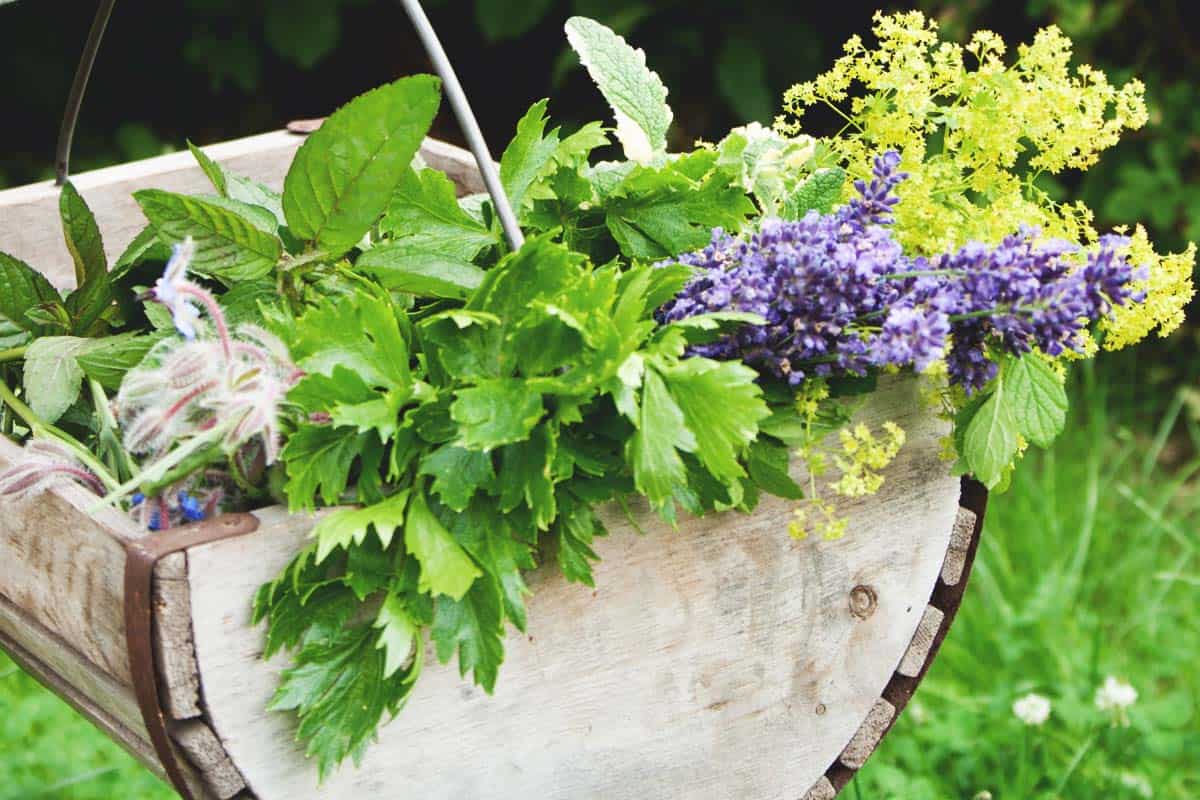
Procure high-quality seeds, plugs, or cuttings from reputable suppliers. For medicinal herbs, verify organic certification if your market demands it. Poor starting material reduces yield and increases disease risk, directly eroding your gross margin. Keep receipts for all input costs to track your actual cost of goods sold (COGS).
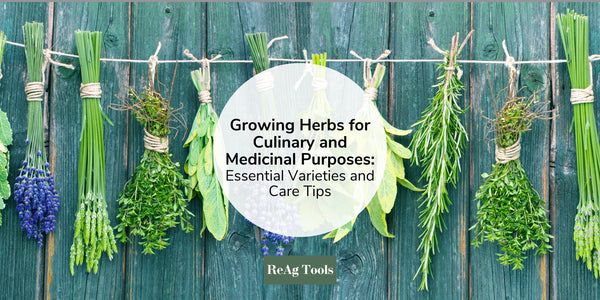
Set up cleaning, drying, or packaging stations before harvest begins. Herbs degrade quickly; efficient processing preserves shelf life and command price. Whether you are selling fresh bundles or dried medicinal leaves, consistent quality control is essential for maintaining repeat business and premium pricing.
No comments yet. Be the first to share your thoughts!