
Pick high-margin herbs to grow
Selecting the right crop is the first financial decision in starting an herb business. High-margin herbs offer the best return on investment for small-scale commercial growers because they combine rapid growth cycles with consistent market demand. Unlike bulk commodities, specialty herbs allow you to command premium prices per pound, especially when grown organically or processed into dried products.
Start by evaluating yield density and shelf life. Basil, for instance, produces multiple harvests per season and sells well fresh to local restaurants and farmers' markets. Lavender and rosemary, while slower to establish, offer longer shelf lives as dried goods, reducing waste risk and allowing for sales through online channels or craft fairs year-round.
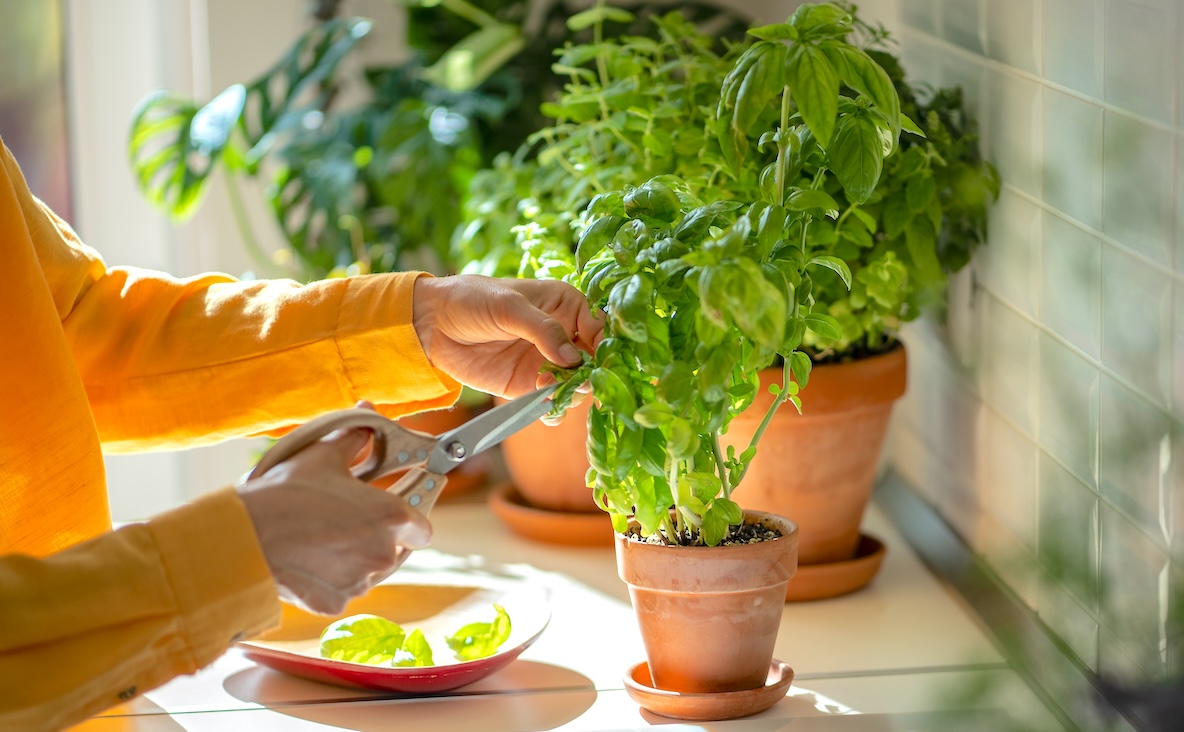
Consider the specific needs of your target market. Culinary herbs like cilantro and parsley have high turnover but require careful handling to maintain freshness. Medicinal or aromatic herbs like chamomile and lemon balm often appeal to niche buyers willing to pay more for quality. Research local demand by visiting farmers' markets or speaking with chefs to identify gaps in supply. This approach ensures that your initial planting aligns with actual buyer interest, minimizing the risk of unsold inventory.
Refer to university extension resources for detailed growing guides tailored to your region's climate and soil conditions. Understanding the specific agricultural requirements of each herb will help you optimize yield and maintain consistent quality, which is essential for building a reputable brand in the herb business.
Set up low-cost commercial drying infrastructure
Drying is the critical value-add step that transforms perishable harvest into a shelf-stable product. Without proper moisture removal, herbs spoil within days, destroying your profit margin. You can build a commercial-grade drying operation for under $500 by combining passive airflow systems with controlled-environment dehydrators. This approach minimizes upfront capital while ensuring consistent quality for wholesale buyers.
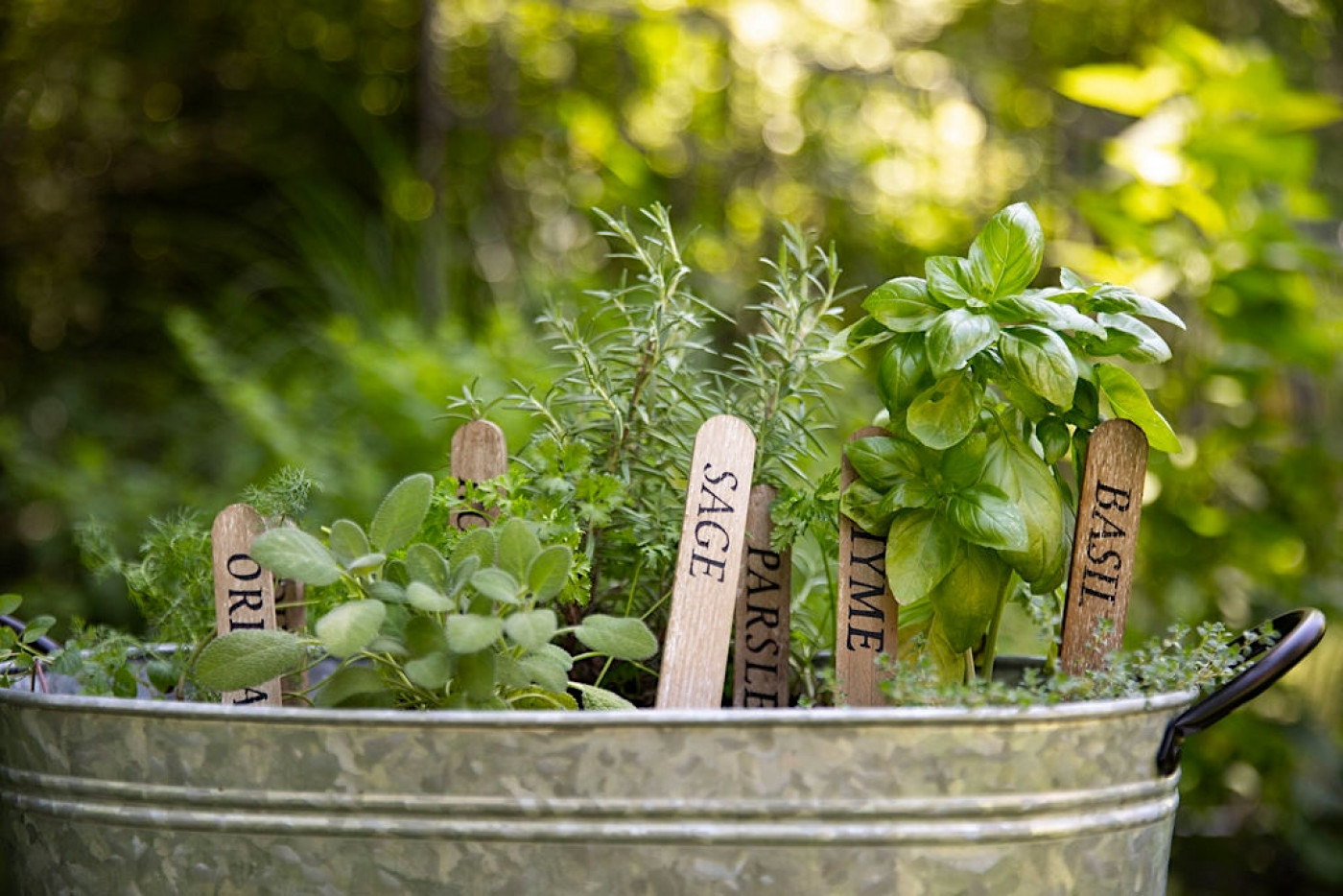
Start with galvanized steel wire shelving units, which are rust-resistant and easy to clean. Cover each shelf with breathable cheesecloth or fine mesh to allow air circulation from both above and below. Place these racks in a dark, well-ventilated room like a basement or garage. Darkness preserves chlorophyll and essential oils, while cross-ventilation prevents mold growth during the initial moisture extraction phase.
For herbs that require precise temperature control, such as basil or cilantro, invest in a multi-tray electric dehydrator. Look for units with adjustable thermostats set between 95°F and 105°F. Higher temperatures degrade volatile oils, reducing the potency and flavor profile that buyers expect. These units typically cost $100–$200 and can process 2–5 pounds of fresh herbs per cycle, significantly faster than passive racks.

Use a hygrometer to keep relative humidity below 60% in your drying space. High humidity extends drying time and invites bacterial contamination. If your space is naturally humid, add a small dehumidifier or box fan to maintain air movement. Consistent airflow ensures even drying across all trays, preventing hot spots where herbs might scorch or remain damp.
Herbs are properly dried when they crumble easily between your fingers. For stems, they should snap rather than bend. This brittleness indicates moisture content is below 10%, the threshold for safe long-term storage. Any flexibility means residual water remains, which will cause mold during packaging. This simple tactile test is more reliable than fixed time estimates, as environmental conditions vary daily.
-
Galvanized steel shelving units
-
Breathable cheesecloth or mesh
-
Electric dehydrator with adjustable thermostat
-
Hygrometer for humidity monitoring
-
Airtight glass jars for storage
Once dried, store herbs in airtight glass jars away from light and heat. Properly stored dried herbs retain potency for 6–12 months, allowing you to build inventory ahead of peak demand seasons. This low-cost infrastructure lets you scale production gradually as customer orders grow, keeping overhead minimal while maximizing profit per pound.
Calculate startup costs and break-even
Starting an herb business requires a clear understanding of your initial investment. You need to account for equipment, seeds, and packaging to determine your break-even point. A realistic financial plan helps you avoid cash flow issues early on.
Compare equipment and sourcing options
Choosing between DIY setups and commercial equipment affects your upfront costs. Similarly, buying seeds in bulk versus small packets changes your initial outlay. Use this comparison to estimate your startup budget.
| Item | DIY / Small Scale | Commercial / Bulk | Notes |
|---|---|---|---|
| Drying Rack | $50-$100 (Wood/Mesh) | $500-$2,000 (Dehydrator) | DIY is low-cost but labor-intensive. |
| Seeds (Basil) | $5-$10 (100 seeds) | $100-$300 (1,000+ seeds) | Bulk lowers cost per plant. |
| Packaging | $0.10/unit (Simple bags) | $0.25/unit (Branded) | Branding increases customer trust. |
| Label Printer | $0 (Handwritten) | $150-$300 (Thermal) | Thermal printers save time. |
Plan your cash flow
Herb farming is seasonal. Your cash flow will fluctuate based on harvest cycles. Plan for expenses like soil amendments and labor during the growing season. Revenue typically comes in after harvest and processing.
Validate sales channels before scaling
Before expanding your cultivation area, confirm that local buyers will pay your price point. Testing with low-risk channels like farmers markets and direct shop consignments provides immediate feedback on crop demand, packaging preferences, and pricing sensitivity. This data prevents overproduction of unpopular varieties and helps you refine your supply chain before committing to large-scale infrastructure.
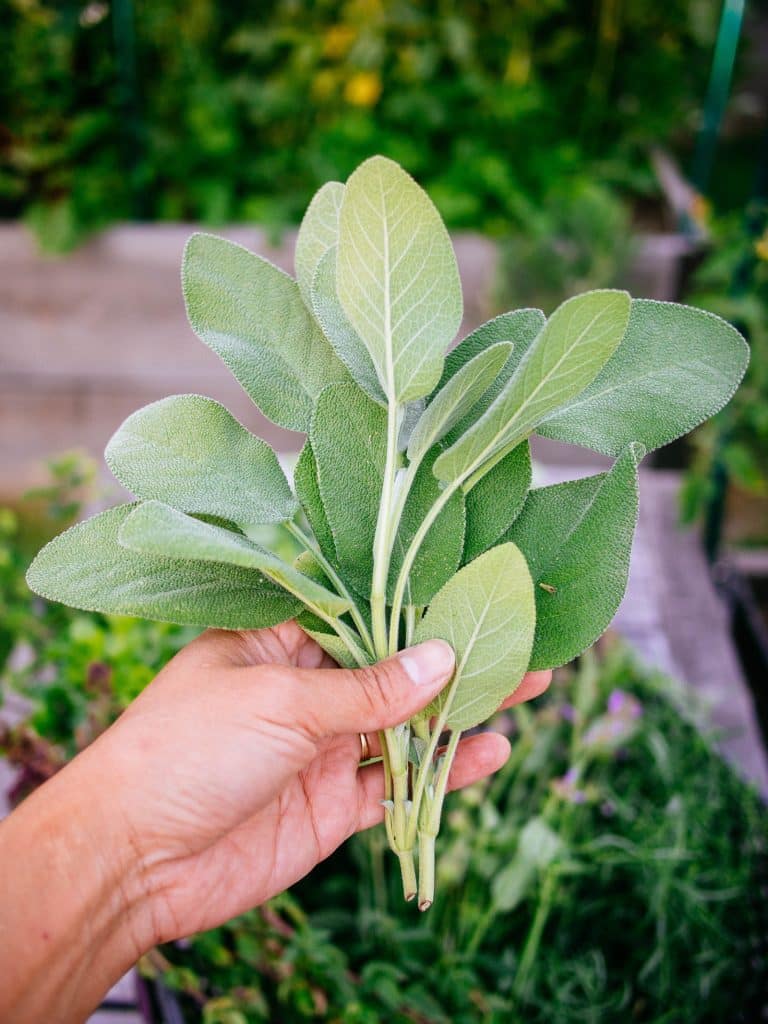
Start with a single product line, such as dried basil or fresh cilantro, to simplify logistics. A farmers market allows you to observe customer reactions in real time. Track which items sell out first and at what price. This direct interaction reveals whether your target audience values organic certification, specific packaging, or bulk discounts. Use this data to adjust your planting schedule for the next season.
Contact local grocery stores, cafes, or specialty food shops to propose a consignment agreement. Consignment reduces your risk because you only get paid when items sell. This channel tests your ability to meet retail standards for consistency and shelf life. Negotiate clear terms regarding payment cycles and unsold inventory returns. Successful consignment deals provide recurring revenue without the upfront marketing costs of consumer-facing events.
Compare revenue per square foot across your tested channels. Farmers markets often yield higher margins per unit but require more labor for setup and teardown. Consignment offers passive income but lower margins and stricter quality controls. Calculate your net profit after accounting for labor, packaging, and transportation costs. If a channel doesn't cover these costs within two seasons, discontinue it and reallocate resources to higher-performing outlets.
Regulatory compliance varies by state and sales method. In the U.S., selling dried herbs for culinary use generally does not require a herbalist license, but you must comply with local health department regulations for food handling. Check your state’s agricultural extension office for specific rules regarding direct-to-consumer sales and labeling requirements. Adhering to these standards protects your business from legal issues as you scale.
Common Mistakes in Herb Farming
New herb entrepreneurs often confuse agricultural volume with business viability. The most frequent error is overplanting without securing buyer demand first. This leads to post-harvest waste, where fresh herbs lose market value within 48 hours if not sold or processed. A viable operation requires a tight feedback loop between planting schedules and confirmed sales channels.
Overplanting Before Market Validation
Many growers plant their entire projected acreage based on optimistic sales forecasts. This ignores the perishable nature of fresh herbs. If a buyer cancels an order, the crop rots. Start with a small, manageable plot to validate your sales channels. Only expand acreage after securing consistent purchase agreements.
Neglecting Post-Harvest Handling
Freshness determines price. Improper washing, drying, or cold storage degrades quality immediately. Herbs must be cooled to near-freezing temperatures within hours of harvest to maintain shelf life. Skipping this step turns premium produce into commodity waste. Treat post-harvest handling as a critical production phase, not an afterthought.
Ignoring Cash Flow Cycles
Herb farming has a lag between planting costs and revenue. New operators often underfund their working capital, assuming quick returns. You need enough cash to cover seeds, labor, and packaging for 3-6 months before the first major harvest sales arrive. Plan your finances around the crop cycle, not the calendar year.

Secure letters of intent or pre-orders from local restaurants or farmers markets before planting. This confirms buyer interest and prevents overproduction.
Install immediate cooling systems. Wash and cool herbs to 34-36°F (1-2°C) within two hours of harvest to preserve freshness and extend shelf life.
Model your cash flow for the first growing season. Ensure you have enough funds to cover all operational costs until the first major revenue event.
No comments yet. Be the first to share your thoughts!