
Pick your profit-focused crop
Your first decision sets the tone for your entire business. Instead of planting a little bit of everything, focus on one or two high-value herbs that thrive in your specific climate and have steady market demand. This targeted approach keeps your initial costs low while maximizing your return on investment.
Start by researching which herbs command the highest prices in your local area. Culinary staples like basil and cilantro sell quickly but often have thin margins. For higher profits, consider specialty crops like lavender, saffron, or medicinal herbs, which often fetch premium prices from local artisans, apothecaries, or farmers' markets.
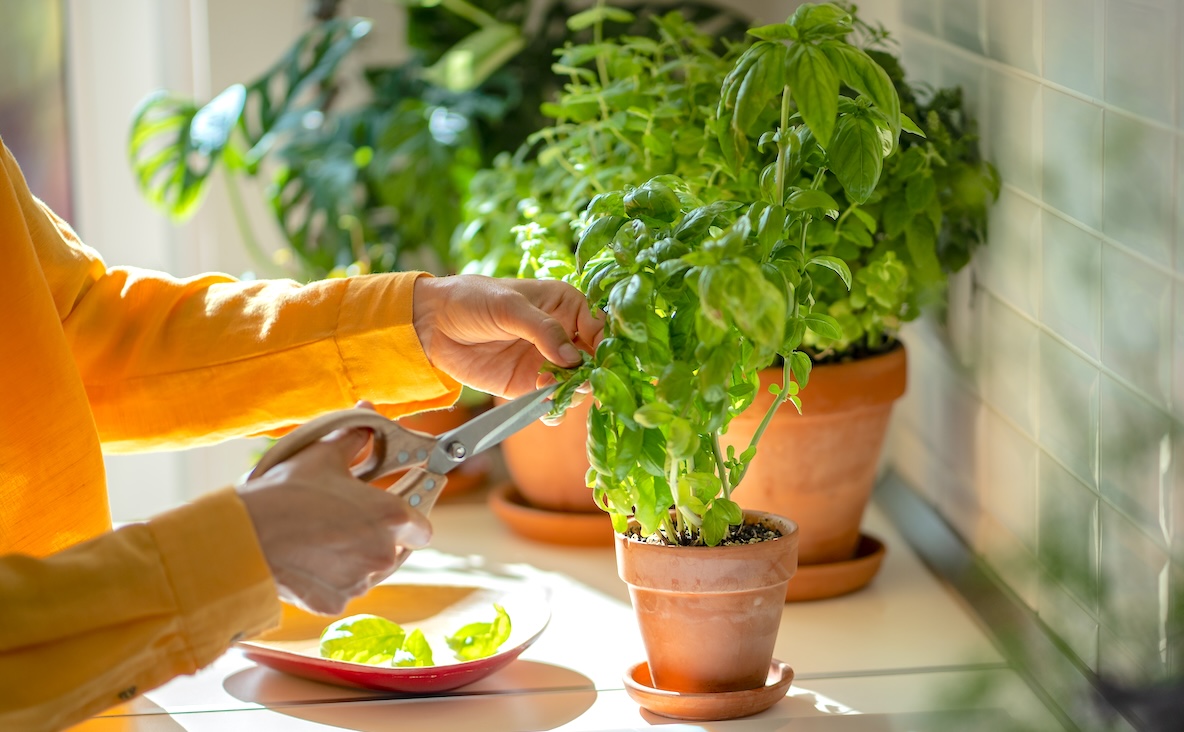
Connect with local chefs, florists, and crafters to understand their needs before you plant a single seed. A florist might need large quantities of lavender for arrangements, while a local bakery might prefer fresh rosemary or thyme. By aligning your crop choice with these direct buyers, you secure a sales channel before you even harvest.
Once you've identified your target market, verify that your local growing conditions—soil type, sunlight exposure, and frost dates—support those specific plants. Choosing a crop that fits naturally into your environment reduces labor and increases the likelihood of a healthy, profitable yield.
Set up your growing infrastructure
Building a profitable herb business starts with a solid physical foundation. Whether you are planting basil for a local farmers market or growing rosemary for a boutique oil brand, your infrastructure needs to support both quality and scale. Efficiency here determines your profit margin later.
Start by assessing your land or greenhouse space. You need reliable access to water, good drainage, and enough sunlight. If you are starting small, a dedicated raised-bed system or a controlled environment greenhouse works well. The goal is to create a predictable environment where you can control variables like temperature and moisture.
Next, install an irrigation system. Herbs are sensitive to overwatering and underwatering. A drip irrigation system delivers water directly to the roots, conserving water and reducing weed growth. It also allows you to scale up easily by adding more zones as your business grows.
Finally, gather your essential equipment. This includes soil testing kits, pruning shears, harvest containers, and cooling storage. Having the right tools from day one prevents bottlenecks during peak harvest seasons.
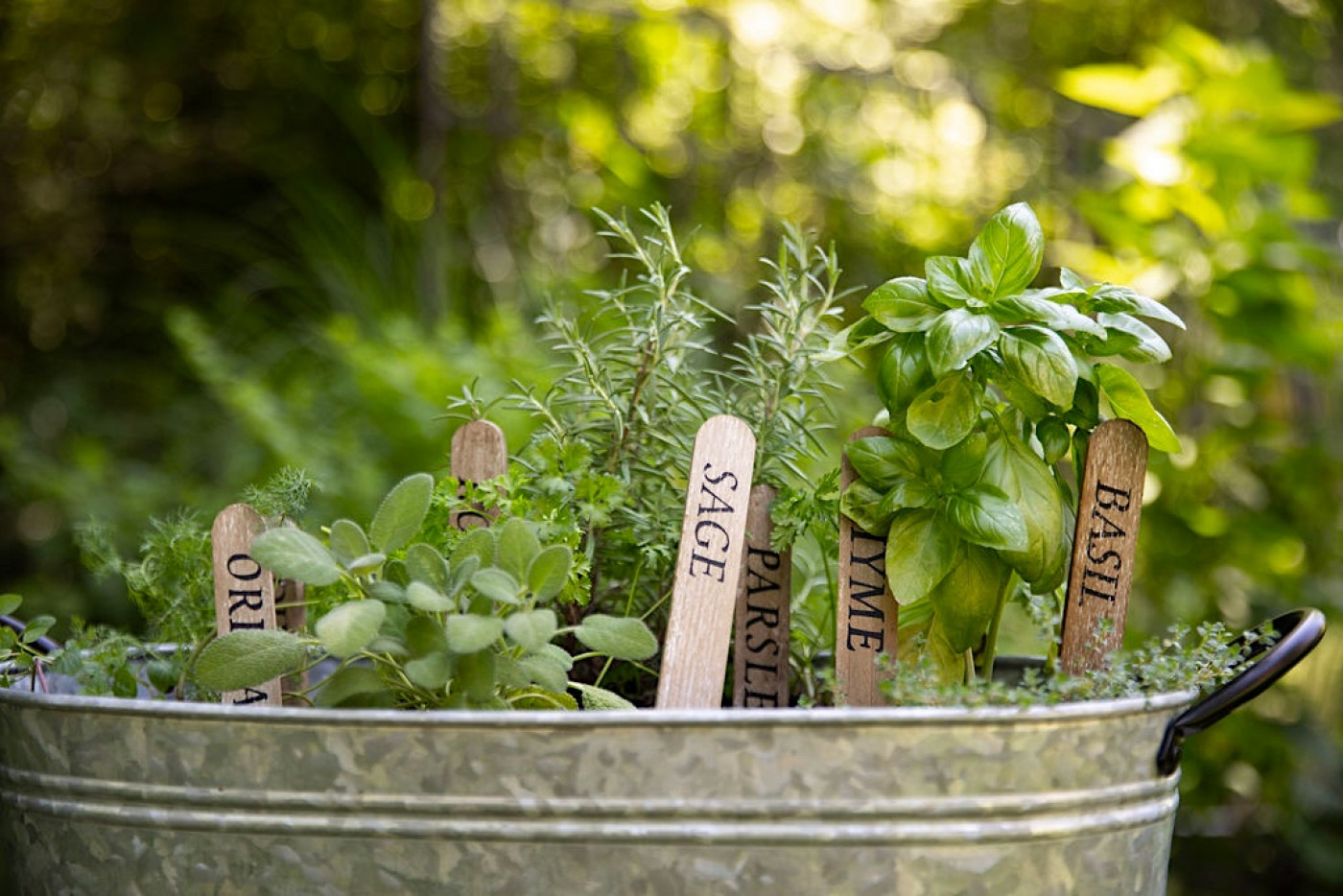
Before planting, test your soil for pH and nutrient levels. Most culinary herbs prefer slightly acidic to neutral soil (pH 6.0–7.0). Amend the soil with compost or organic matter to improve structure and drainage. This step ensures your plants have the foundation they need to thrive and produce high-quality leaves.
Set up a drip irrigation system to provide consistent moisture. This method reduces water waste and minimizes the risk of fungal diseases that can ruin your crop. Plan your zones so you can water different herbs according to their specific needs, which is crucial when scaling from a few beds to a larger operation.
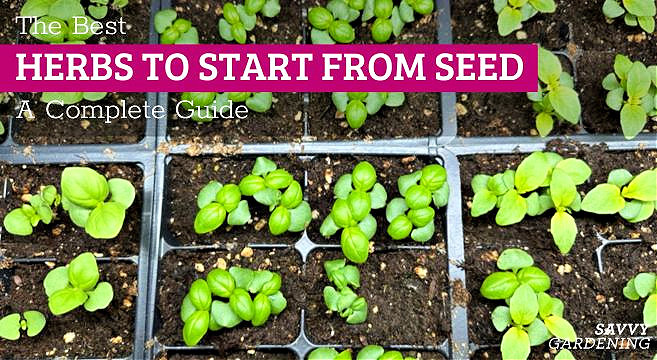
Decide between in-ground beds, raised beds, or container gardening. Raised beds offer better drainage and easier access, while containers provide flexibility for moving plants indoors during cold weather. For beginners, raised beds are often the best balance of cost, control, and yield for herbs like cilantro and parsley.

Prepare a clean, shaded area for washing, drying, or storing your herbs immediately after harvest. Herbs wilt quickly, so having a dedicated "packing station" with clean bins, towels, and cold storage is essential. This step preserves freshness and ensures your product looks professional when you sell it to chefs or retailers.
Handle regulations and business basics
Before you plant your first seed, you need to set up the legal and financial foundation for your herb business. This step is often overlooked by beginners who want to jump straight to growing, but skipping it can lead to costly fines or shutdowns later.
Start by registering your business name with your state and obtaining any necessary local business licenses. Check your city or county zoning laws to ensure that growing, processing, or selling herbs from your property is allowed. Some areas have strict rules about agricultural activities in residential zones, so a quick call to your local planning department can save you headaches down the road.
Note: Always check your specific state regulations before planting. Rules vary widely regarding food safety, labeling, and sales tax collection for agricultural products.
Next, focus on basic financial planning. You don’t need a complex accounting degree, but you do need to track your startup costs—such as seeds, soil, pots, and equipment—and estimate your ongoing expenses. Create a simple budget that accounts for these costs and projects when you expect to break even. Understanding your cash flow early on will help you price your herbs correctly and avoid running out of money before your first harvest.
Finally, consider opening a separate business bank account. Keeping your personal and business finances separate makes tax time much easier and helps you see exactly how your herb business is performing. This simple habit builds credibility and ensures you stay organized as you scale from a backyard hobby to a profitable venture.
Harvest and process your herbs
The moment you cut the stems, the clock starts ticking. How you handle your herbs right after harvest determines whether they sell as premium dried bundles or end up as compost. Proper processing preserves the essential oils that give herbs their flavor and aroma, which is what customers are paying for. This stage is where you turn raw plants into a consistent, shelf-stable product.
Cut at the right time
Timing is everything. For most herbs, the best time to harvest is in the morning after the dew has dried but before the midday sun burns off the volatile oils. This is when the concentration of essential oils is highest. Use clean, sharp shears to cut stems just above a leaf node. This encourages the plant to bush out for future harvests and ensures you get the most flavorful part of the stem.
Hang bundles of herbs upside down in a warm, dry, and dark area. Darkness is critical because light degrades color and flavor. Good air circulation prevents mold, which is the biggest risk during drying. For herbs like basil or mint, it usually takes about one to two weeks for the leaves to become crisp. If they bend instead of snapping, they need more time.
Once completely dry, strip the leaves from the stems. Discard any stems that feel woody or discolored. For dried herbs, store them in airtight glass jars or heavy-duty bags. Keep these containers away from direct sunlight and heat sources. Whole leaves retain quality longer than crushed ones, so consider selling bundles or whole leaves for teas and soups.
Choose packaging that protects the herbs from light and moisture. Clear bags can look attractive but will fade the herbs quickly; consider opaque or lined bags for long-term storage. If you are selling fresh bunches, use breathable bags or wrap them in damp paper towels inside a perforated plastic bag. Label each package with the herb name, harvest date, and any care instructions.
Quality control checks
Before you list your herbs for sale, inspect them carefully. Look for signs of mold, insect damage, or discoloration. Crush a small amount between your fingers; if the aroma is faint or musty, the batch has lost its potency and should not be sold. Consistency is key to building a loyal customer base. If one batch tastes better than another, customers will notice. Stick to the same drying methods and storage conditions to ensure every package meets your standards.
Packaging for different markets
Your packaging should match your sales channel. For farmers' markets, simple twine and kraft paper tags give a rustic, handmade appeal. For online sales, invest in vacuum-sealed bags or rigid containers to prevent crushing during shipping. If you are supplying local restaurants, they often prefer fresh, washed, and pre-portioned herbs in food-safe containers. Always check local regulations regarding food labeling and handling if you are selling directly to consumers or businesses.
Find buyers and sell your herbs
Turning your harvest into revenue is the most rewarding part of the process. You don’t need a massive distribution network to start; you can build a steady income stream by connecting directly with the people who value fresh, local herbs. Start by identifying which sales channels fit your production volume and personal comfort level.
Sell at farmers markets and to local restaurants
Farmers markets remain the gold standard for new herb growers. They provide immediate cash flow, direct customer feedback, and a low barrier to entry. Setting up a simple table with clear pricing and small starter bundles makes it easy for customers to try your products. Many buyers return weekly once they taste the difference between store-bought and fresh-picked herbs.
Local restaurants are also eager partners. Chefs often struggle to find consistent, high-quality culinary herbs like basil, thyme, or rosemary. Approach local chefs with a small sample pack and a simple price list. A reliable weekly delivery of fresh herbs can secure a loyal, high-volume buyer who appreciates quality over the lowest price.
Build an online store for wider reach
Once you have mastered local sales, an online store allows you to reach customers beyond your immediate neighborhood. You can sell dried herb bundles, herbal teas, or seed packets through platforms like Etsy or your own Shopify site. This channel works best for shelf-stable products that are easy to ship.
Focus on niche products that travel well. Dried lavender sachets, herbal salves, or curated tea blends are popular online because they have a longer shelf life and don’t require refrigeration. Use high-quality photos and clear descriptions to help customers understand the unique flavor or scent of your herbs before they buy.
Common Mistakes New Herb Farmers Make
Starting an herb business is exciting, but it’s easy to trip up before you make your first sale. The most frequent pitfalls usually involve scaling too fast, ignoring market demand, or mishandling the harvest. Fixing these early saves time and protects your profit margins.
Overplanting Your Most Popular Herbs
New growers often plant large quantities of high-demand herbs like basil or cilantro, only to watch them bolt or rot before they can be sold. It’s better to start small and scale up as you learn your crop’s rhythm. Plan your planting schedule in two-week increments to ensure a steady supply rather than a massive, perishable surplus.
Skipping Market Research
You might love growing lavender, but that doesn’t mean your local customers do. Before investing in seeds or soil, check what’s actually selling at farmers' markets or what local restaurants are ordering. Talk to potential buyers early to confirm there is real demand for your specific varieties.
Poor Drying and Storage Techniques
Harvesting is only half the battle; preserving quality is the other. If you dry herbs in direct sunlight or store them in humid conditions, you’ll lose flavor and color, leading to unhappy customers. Use a dehydrator or a dark, well-ventilated space to dry herbs gently, and store them in airtight containers away from light.
Ignoring Business Basics
Growing herbs well doesn’t automatically make you a successful business owner. You need to understand basic cash flow, pricing, and record-keeping. Track every expense, from seeds to packaging, and price your products to cover your time and materials. A clear business plan helps you stay focused on profitability, not just production.
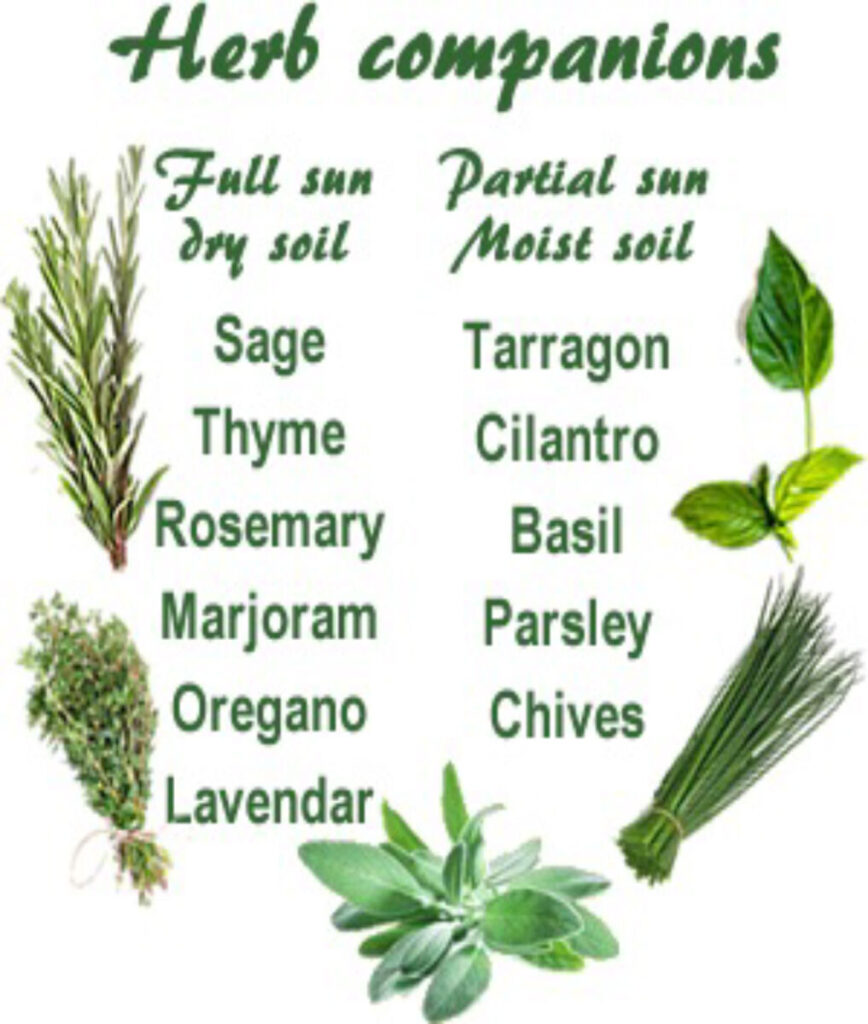
Walk through your growing and sales process. Identify where you are losing time or money, such as overwatering or unsold inventory.
Plant smaller amounts of new varieties to test market interest and your growing conditions before committing to large plots.
Practice drying and packaging techniques on small batches to ensure consistent quality and flavor for your customers.
Update your expense tracking and pricing strategy based on your actual costs and market feedback from the previous season.
Your herb business launch checklist
You’ve done the heavy lifting: selected your crops, set up your growing space, and figured out the legal side. Now it’s time to tie it all together. Think of this checklist as your final runway before takeoff. If every item is green, you’re ready to harvest, process, and sell.
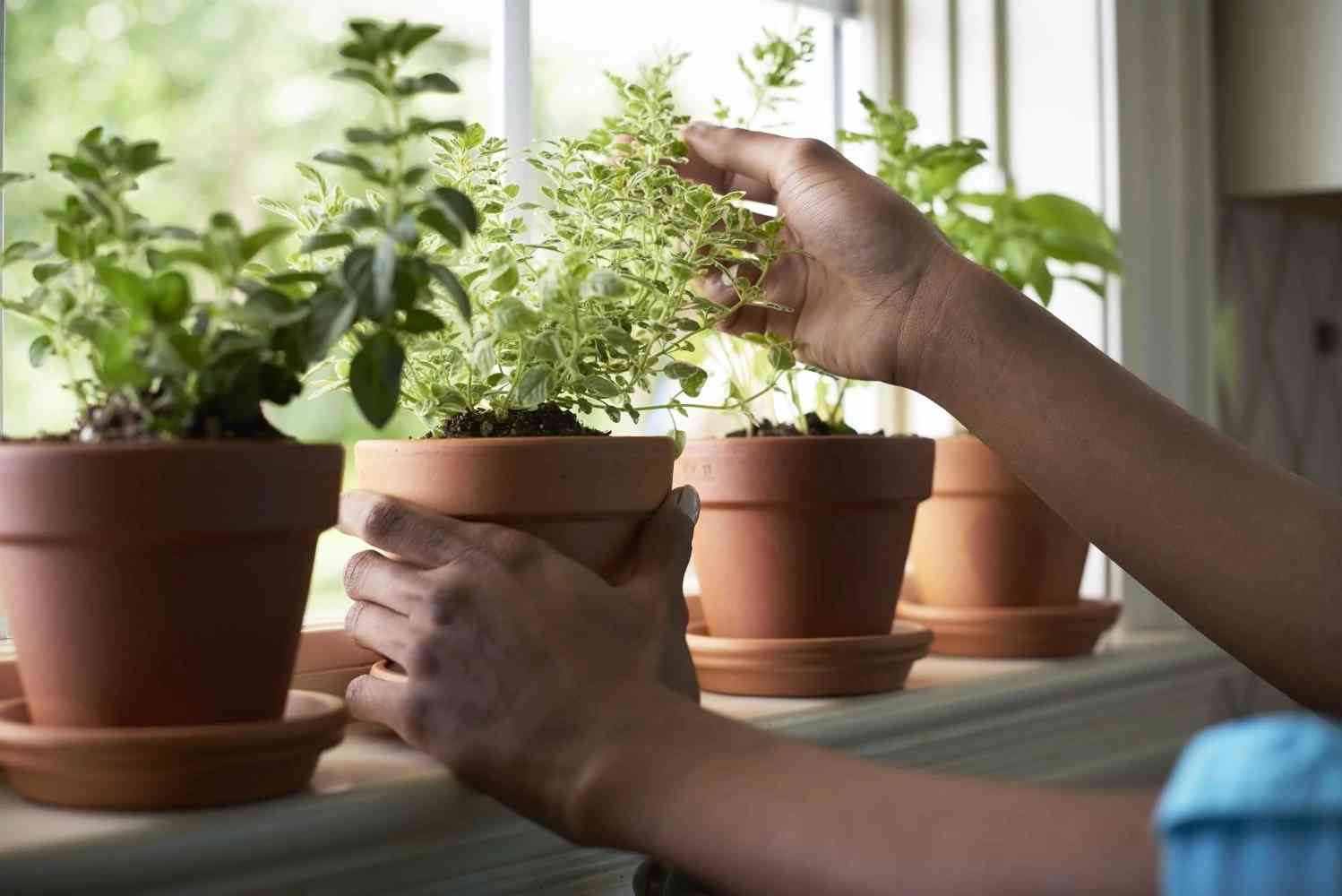
Starting small keeps things manageable. Focus on one or two high-demand herbs first. Build your brand around quality and consistency. Your customers will appreciate the care you put into every bundle. Get these basics right, and your business will grow naturally.
Frequently asked: what to check next
Starting an herb business is a rewarding journey, but it comes with practical hurdles. Here are answers to the most common questions new growers ask.
No comments yet. Be the first to share your thoughts!