
Pick the right high-value crops
Choosing your crops is the first step in building a profitable herb business. You need to balance market demand with your local climate and growing expertise. High-value herbs like saffron, ginseng, and lavender offer significant margins, but they come with specific cultivation challenges.
To help you decide, compare these top contenders based on market demand, difficulty, and potential profit.
| Crop | Market Demand | Growing Difficulty | Profit Margin |
|---|---|---|---|
| Saffron | Niche/High-end | Very High | Extremely High |
| Lavender | Broad (Culinary/Spa) | Low | High |
| Ginseng | Medicinal/Supplement | High | Very High |
| Ashwagandha | Growing (Wellness) | Medium | High |
| Mushrooms | Local Restaurants | Medium | High |
Set up your growing infrastructure
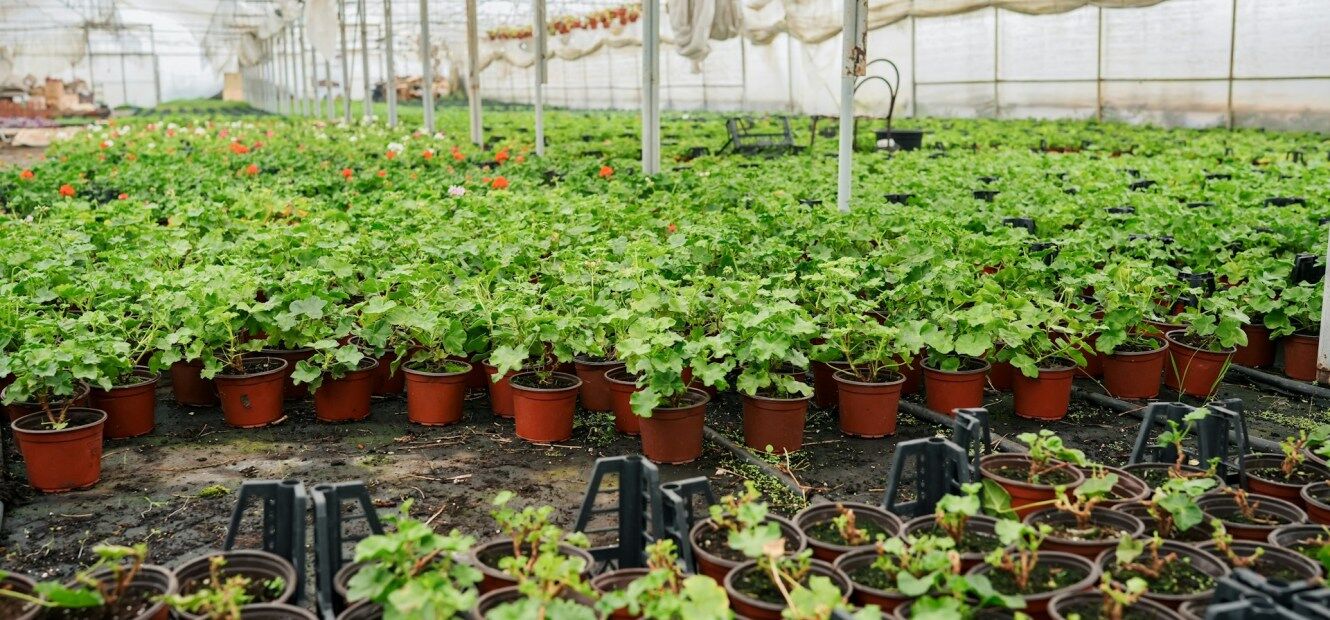
Before you plant a single seed, you need a system that protects your investment and ensures consistent quality. Whether you are starting with a small greenhouse or planning a large-scale field operation, your infrastructure dictates your yield and your bottom line. The goal is to build an environment where your profitable herbs to grow can thrive without constant human intervention, allowing you to scale efficiently.
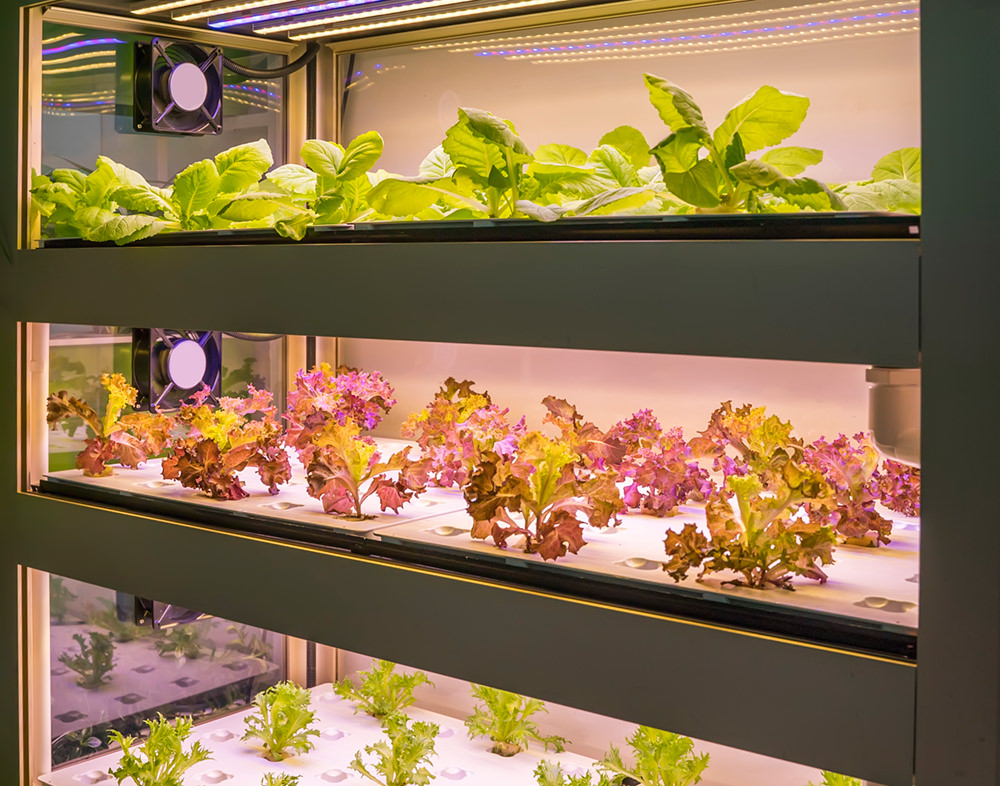
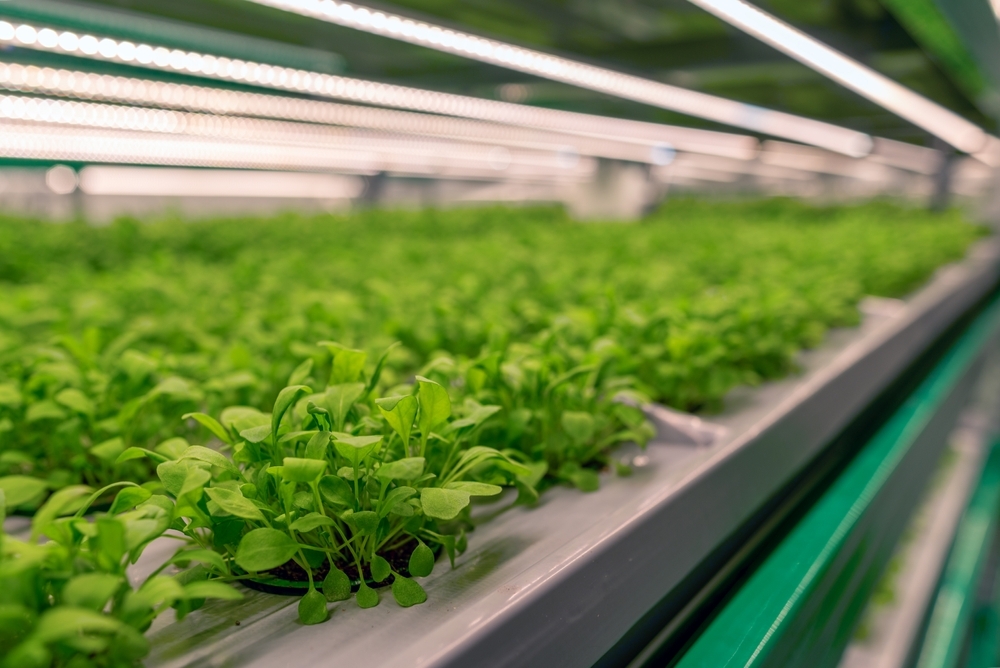
Start by choosing your growing medium carefully. Soil-based systems are cost-effective but require rigorous testing for nutrients and pathogens. If you are looking for faster turnover and higher purity, consider hydroponic or aeroponic setups, which use water and nutrient solutions instead of dirt. This method reduces the risk of soil-borne diseases and allows you to control exactly what the plants consume, leading to more uniform crops that buyers prefer.
Next, install an automated irrigation and climate control system. Herbs are sensitive to overwatering and temperature fluctuations. A drip irrigation system delivers water directly to the roots, minimizing waste and keeping foliage dry to prevent mold. Pair this with sensors that monitor humidity and temperature, triggering fans or heaters automatically. This automation is your first line of defense against crop loss, ensuring that your infrastructure works as hard as you do.
Finally, plan for post-harvest handling from day one. Your growing area should connect seamlessly to a washing, drying, and packaging space. Contamination often happens after the plant is harvested, so having a clean, dedicated processing area adjacent to your growing infrastructure is essential for maintaining the premium quality that commands higher prices in the market.
Cultivate and Harvest for Maximum Profit
Growing profitable herbs to grow commercially requires shifting your mindset from hobbyist to producer. While basil and parsley are reliable staples, your cultivation methods dictate your margins. Consistent quality ensures repeat buyers, whether they are local chefs or farmers market regulars.
Start by selecting varieties known for robust yields and disease resistance. Thyme, rosemary, and oregano are excellent choices for their durability and high demand. These hardy herbs thrive in controlled environments, reducing the risk of crop loss and ensuring a steady supply for your business.
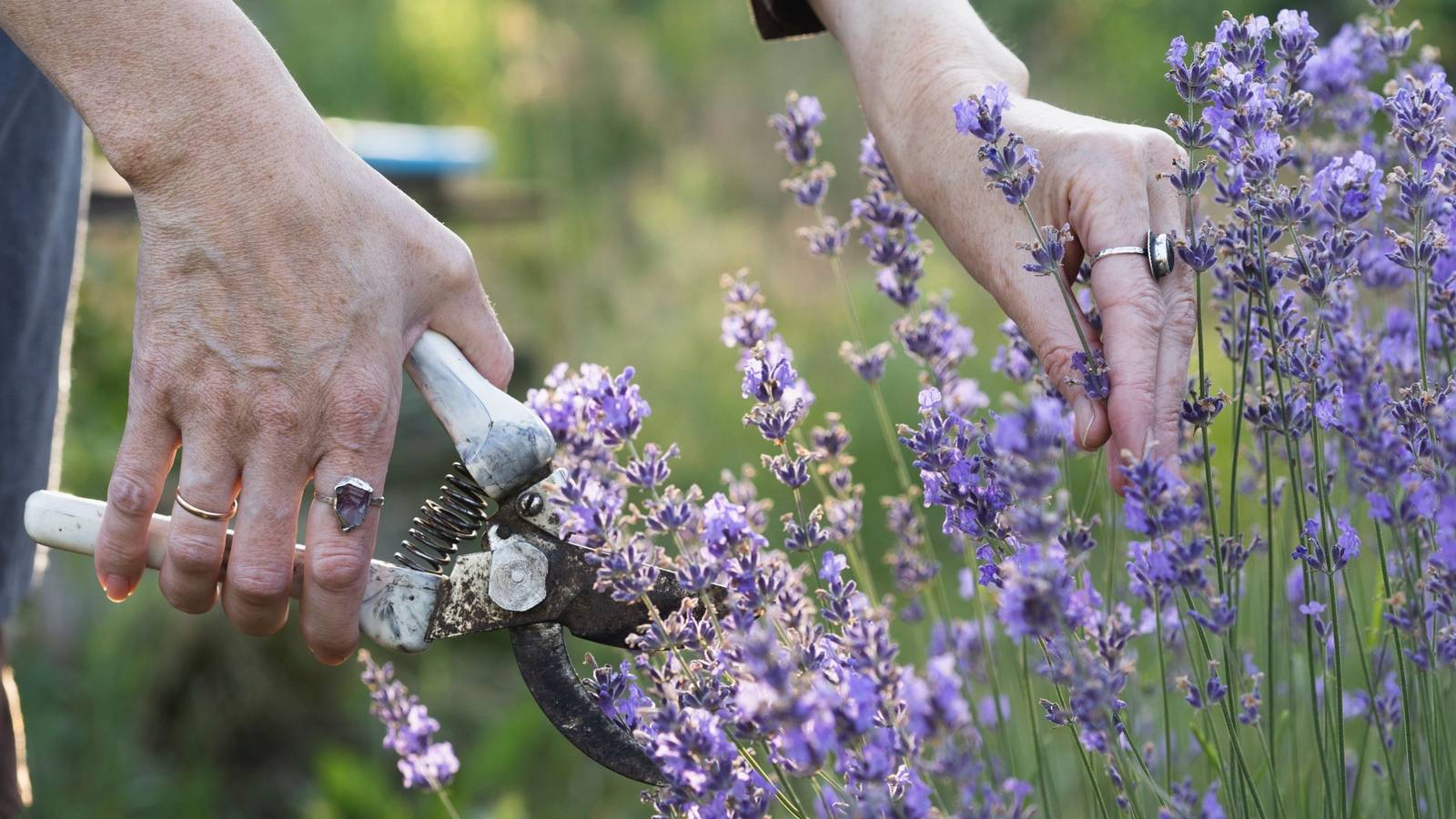
Harvest timing is the single most critical factor in determining potency and flavor. For leafy herbs like basil, cut just before the plant begins to flower. This preserves the essential oils that chefs pay a premium for. For woody herbs like rosemary, harvest in the morning after the dew has dried but before the midday heat volatilizes the oils.
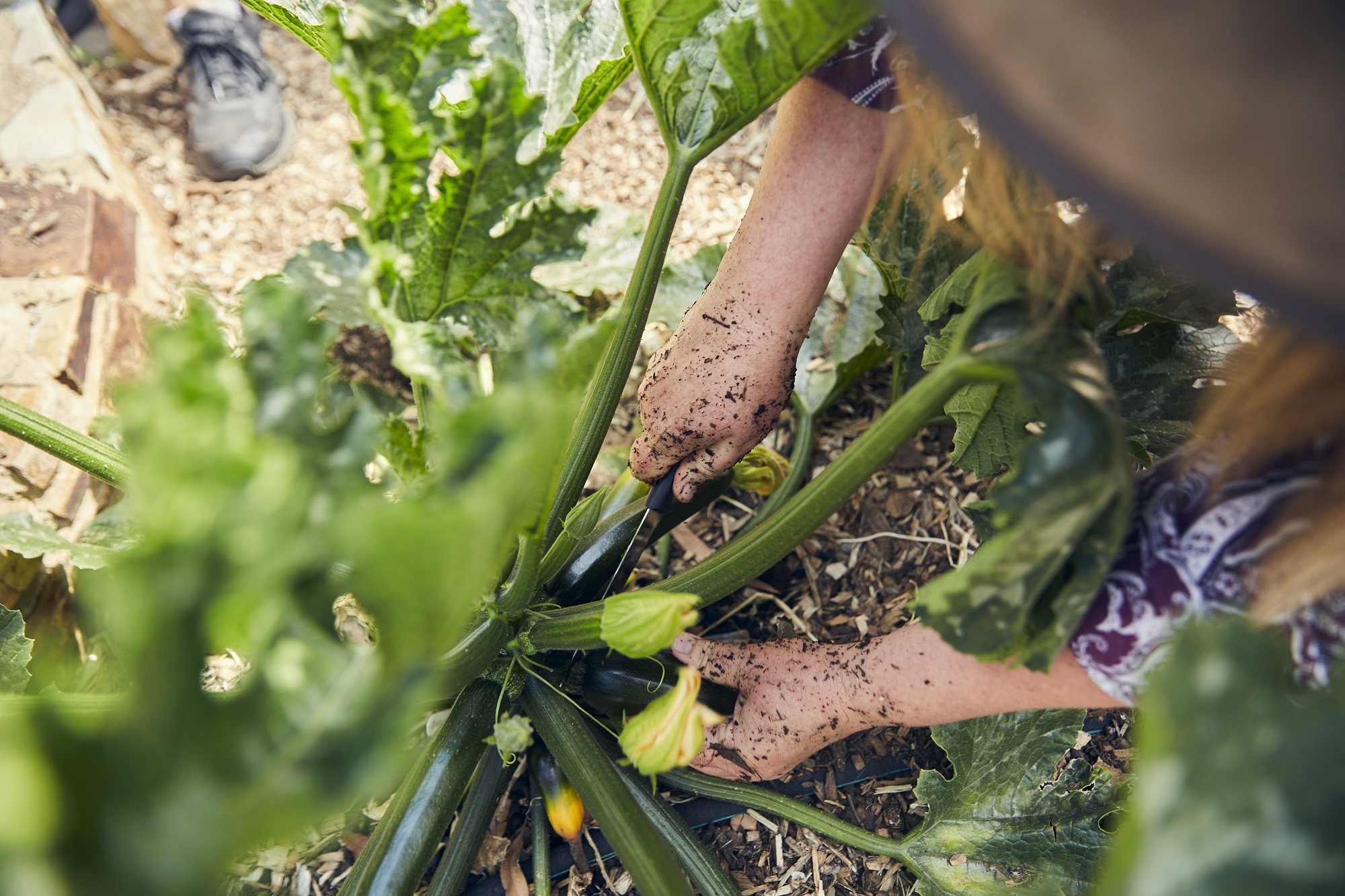
Use sharp, sanitized shears to make clean cuts. Avoid tearing the stems, which can introduce bacteria and reduce shelf life. Bundle herbs immediately after harvest and place them in a cool, dark area to rest before processing or selling. This simple step extends freshness and maintains the professional appearance your customers expect.
Monitor your plants closely for signs of stress. Wilting or yellowing leaves often indicate overwatering or nutrient deficiencies. Adjust your irrigation and feeding schedules accordingly. Healthy plants produce higher yields and better-quality herbs, directly impacting your bottom line.
By focusing on precise cultivation and strategic harvest timing, you ensure that every batch of herbs meets commercial standards. This attention to detail builds your reputation and drives long-term profitability.
Package and sell your harvest
Your profitable herbs to grow journey doesn't end at the harvest; it begins there. Fresh herbs are perishable commodities, meaning your packaging and presentation directly influence your profit margins. You aren't just selling leaves; you are selling freshness, convenience, and quality. The way you bundle your basil or mint tells a restaurant or customer whether your product is premium or an afterthought.
Choose packaging that protects freshness
Herbs wilt quickly if they lose moisture or get bruised. For direct sales, clear, breathable clamshells or small bunches wrapped in damp paper towels inside plastic bags work well. They allow buyers to see the quality while keeping the herbs hydrated. Avoid airtight containers that trap ethylene gas, which accelerates rotting. If you are selling dried herbs, use opaque, airtight jars or foil pouches to protect the essential oils from light and air.
Branding that stands out
Even small-scale growers need a recognizable brand. A simple, clean label with your farm name, harvest date, and care instructions builds trust. Use colors that reflect the herb's nature—greens for freshness, earth tones for rustic appeal. Consistency matters more than complexity. When a chef or market shopper sees your label, they should instantly associate it with reliable quality. This recognition turns one-time buyers into repeat customers.
Find the right buyers
Identify where your specific herbs are most valued. High-volume, low-margin sales might go to local grocery stores or food distributors. High-margin, low-volume sales are better suited for farmers markets, restaurant direct deliveries, or online subscriptions. Visit chefs personally with samples. Show them how your herbs compare to what they currently buy. Farmers markets offer immediate cash flow and direct feedback, helping you refine your varieties based on real demand.
Avoid common beginner mistakes
Starting a commercial herb business is exciting, but the learning curve can be steep. Many new growers focus entirely on the biology of the plant and forget the business of the sale. This section highlights the most frequent pitfalls so you can sidestep them and keep your operation profitable.
Skip market research
The number one reason new herb farmers fail is a mismatch between what they grow and what buyers want. You might have the perfect soil for basil, but if your local chefs and farmers markets are saturated with it, your margins will vanish. Always validate demand before planting a single seed. Talk to potential buyers first to understand their needs.
Overplanting early on
It is tempting to plant a large area to maximize output, but this often leads to waste. Unsold produce rots in the fridge, draining your time and resources. Start small. Scale up only after you have secured consistent orders. This approach protects your cash flow and helps you refine your cultivation techniques without the pressure of massive inventory.
Neglecting soil quality
Healthy soil is the foundation of high-quality herbs. Poor soil leads to weak plants, lower yields, and inconsistent flavor. Herbs are sensitive to nutrient imbalances, which can make them unappealing to discerning customers. Invest in soil testing and amendments early. Good soil health directly translates to better crop quality and higher prices.
Your launch checklist
Before you plant your first seed, ensure your operational foundation is solid. This list covers the essentials for turning your profitable herbs to grow into a reliable income stream.
-
Finalize your crop selection based on local market demand and climate
-
Secure growing space with access to clean water and sunlight
-
Obtain necessary business licenses and local zoning permits
-
Source high-quality seeds or starter plants from reputable nurseries
-
Set up basic post-harvest processing and drying equipment
-
Identify initial buyers such as farmers markets, local chefs, or retailers
-
Create a simple financial plan tracking startup costs and projected margins
These steps ensure you are prepared to scale your operations efficiently from day one.
Frequently asked: what to check next
Put Profitable Herbs to Grow into practice
No comments yet. Be the first to share your thoughts!