
Starting an herb business budget
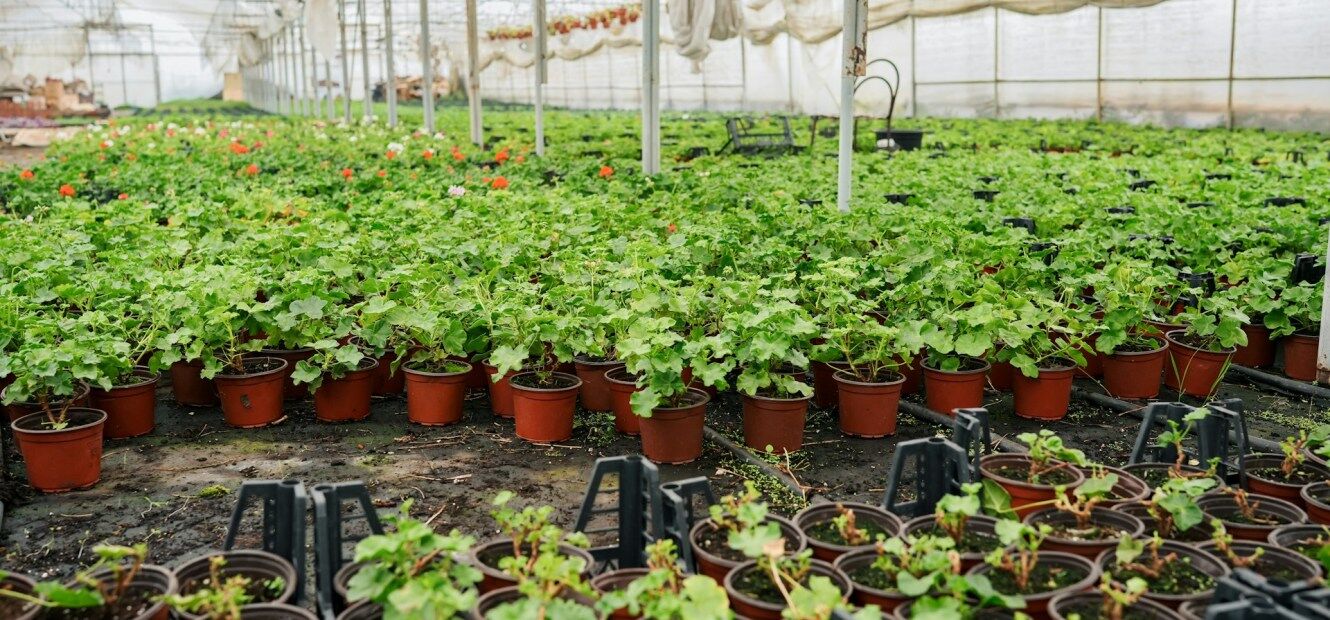
The first step in planning your herb business is defining what "commercial" means for your current situation. You can start with a few raised beds and a hand dryer, or you can invest in a greenhouse and commercial dehydrator. The budget fit depends entirely on which equipment you need to maintain quality without burning out.
For a lean start, focus on the essentials: reliable pots, a quality knife, and a small-scale drying rack. These items allow you to test market demand for fresh or dried bundles before committing to heavy infrastructure. If you plan to sell dried herbs, a food dehydrator is non-negotiable for consistent results. Avoid cheap plastic units that struggle with airflow; they often leave herbs moldy or unevenly dried, ruining your reputation.
As you scale, your budget should shift toward processing tools. A commercial-grade herb stripper or a small-scale grinder can save hours of manual labor. However, do not buy equipment you cannot justify with existing sales. Start small, validate your product, and reinvest profits into better tools. This approach keeps your overhead low while you learn the nuances of drying, packaging, and pricing.


As an Amazon Associate, we may earn from qualifying purchases.
Compare the strongest ways to start an herb business
Turning a hobby into a commercial operation requires choosing a model that matches your available space, labor, and risk tolerance. Whether you are scaling from a backyard garden or launching a full-time agricultural venture, the entry points differ significantly in upfront cost and regulatory complexity.
The following comparison outlines four distinct pathways, ranging from low-overhead direct sales to higher-margin value-added products. Each option carries specific trade-offs regarding shelf life, logistics, and customer acquisition.
Fresh Herbs at Farmers Markets
Selling fresh cuts offers the highest immediate margin per pound but demands rigorous logistics. You must maintain cold-chain integrity from harvest to sale, and your revenue is strictly bound by the growing season. This model is ideal for testing demand with minimal overhead before committing to processing equipment.
Dried Herb Retail
Drying herbs extends shelf life from days to months, allowing you to sell year-round. However, the process requires precise temperature and humidity control to prevent mold and preserve volatile oils. Profit margins are lower than fresh sales due to weight loss during drying, but the reduced spoilage risk makes this a stable entry point.
Value-Added Products
Transforming raw herbs into teas, oils, or balms significantly increases perceived value and customer retention. This path requires the most upfront investment in packaging, branding, and potentially small-batch manufacturing licenses. It is the most profitable long-term strategy but carries the highest barrier to entry regarding regulatory compliance and market differentiation.
Wholesale Supply
Supplying local restaurants or boutiques provides predictable, recurring revenue but operates on thin margins. Success depends on your ability to deliver consistent volume and quality on strict schedules. This model is best suited for established growers with sufficient land and labor to meet commercial volume requirements without sacrificing crop quality.
Inspect the expensive parts
Before you scale production, audit your infrastructure for the failure points that drain cash flow. Herb farming looks simple, but the equipment costs add up fast. A broken dehydrator or a failed irrigation line can ruin an entire harvest of high-value crops like lavender or basil. Use this checklist to verify your hardware before committing to large plantings.
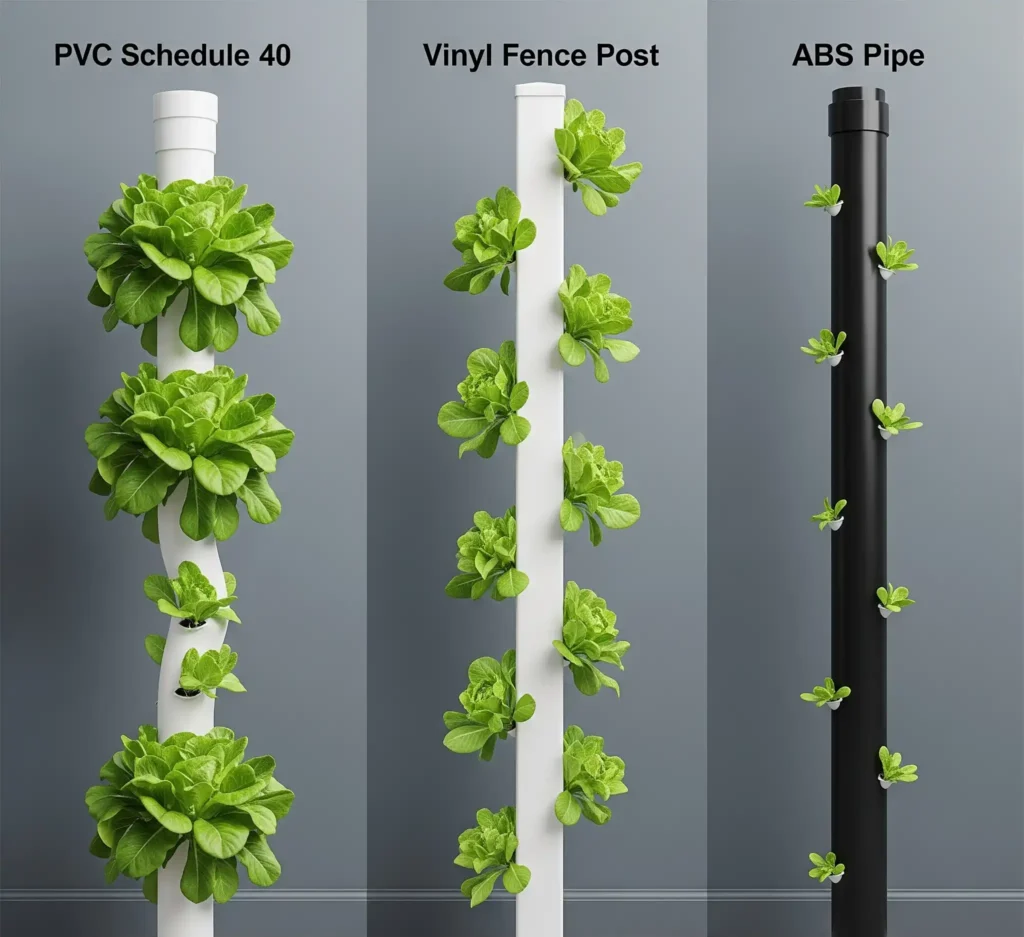
Uneven drying causes mold or over-baking, both of which lower your selling price. Inspect the fan blades for dust buildup and ensure the thermostat holds steady within ±2°F. If you are using a commercial cabinet dryer, verify that the air vents are not blocked by stacked trays. Inconsistent heat is the most common reason for batch rejection.
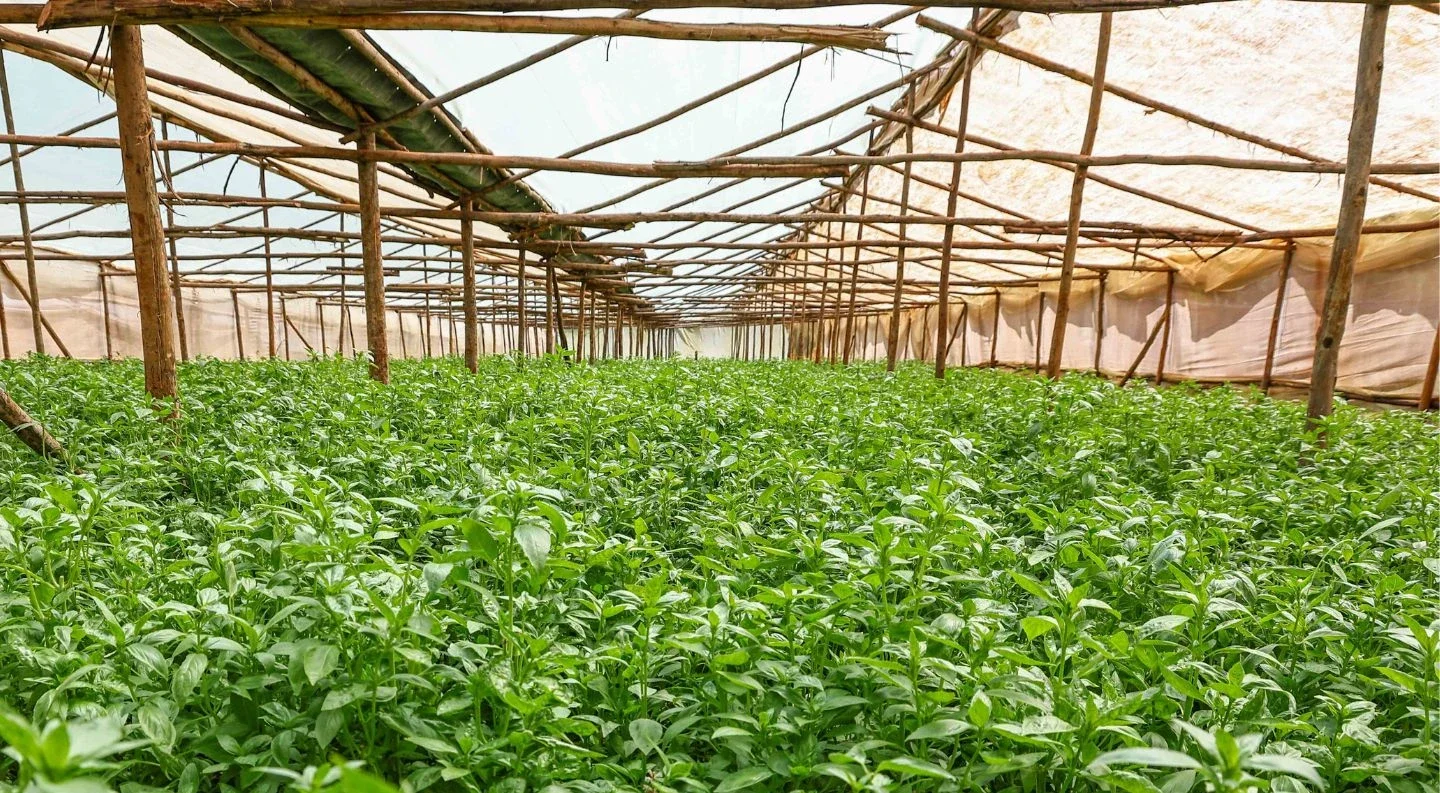
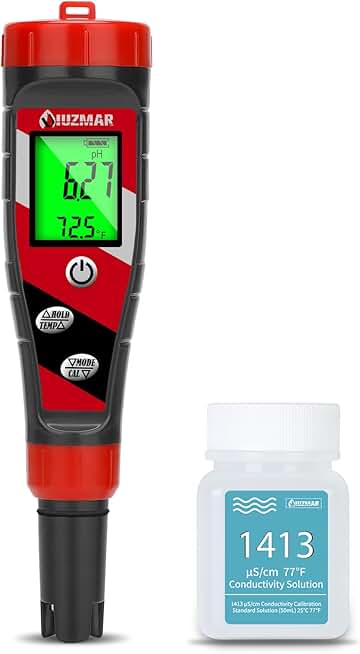
Drip emitters clog quickly with mineral deposits or organic matter, leading to underwatered plants. Check your pressure regulator and flush the mainline filters weekly. For hydroponic systems, inspect pump seals for leaks and test the pH sensor calibration daily. A single pump failure can kill your entire crop in hours.

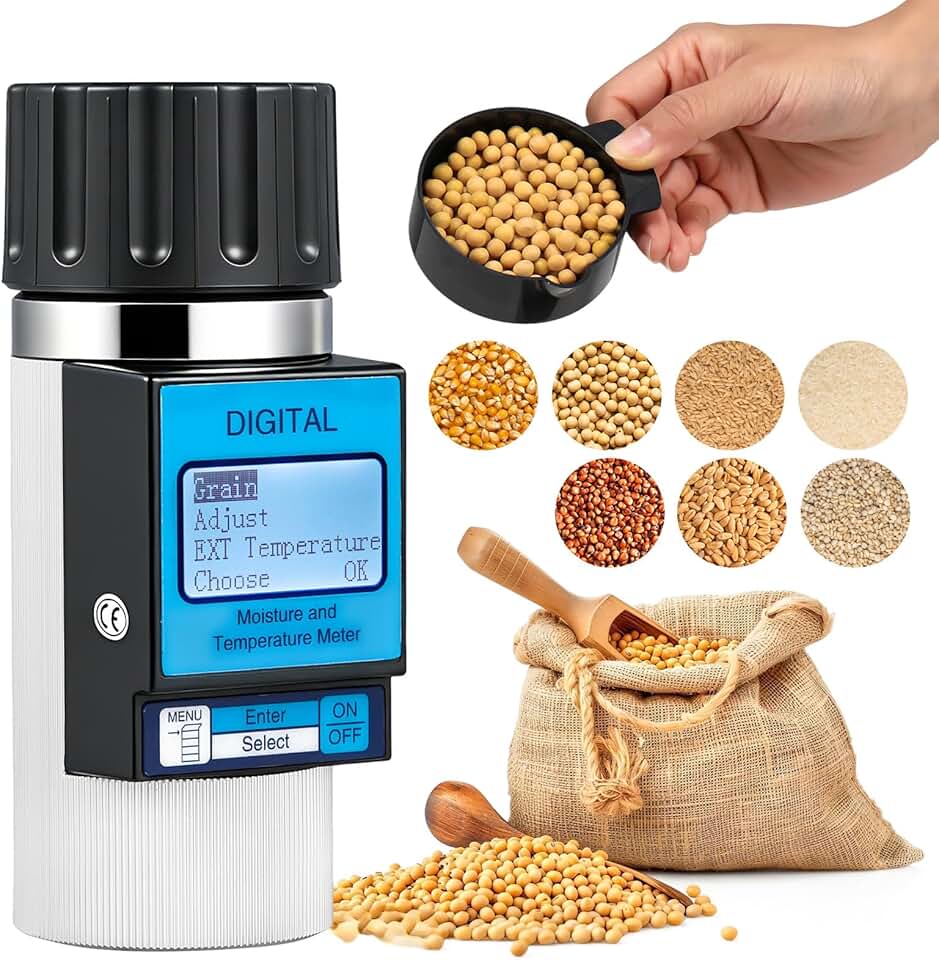
Moisture is the enemy of dried herbs. Test your heat sealer on random samples to ensure no air pockets remain. Use a moisture meter to verify that your dried product is below 10% water content before sealing. Poor seals lead to customer complaints and returns, which eat directly into your margins.

If you are growing indoors, verify that your LED fixtures are delivering the correct PAR (Photosynthetically Active Radiation) values at canopy level. Use a light meter to check for hot spots or dead zones. Inconsistent light leads to uneven growth and lower essential oil production, reducing the potency and market value of your herbs.

As an Amazon Associate, we may earn from qualifying purchases.
These checks prevent costly downtime. A small investment in routine maintenance saves thousands in lost product and equipment repair. Focus on the hardware that touches your crop directly—drying, watering, and sealing—before worrying about marketing or branding.
Ownership costs and maintenance surprises
A cheap grow light or a budget greenhouse kit often looks like a bargain until the first season hits. The real cost of herb farming isn't just the initial purchase price; it's the ongoing expense of keeping those systems running efficiently. When you scale up, electricity bills for ventilation and lighting can double or triple, turning a low-overhead hobby into a high-cost operation. Always calculate the annual energy consumption of your equipment before buying, not just the sticker price.
Maintenance is the silent profit-killer. Drip irrigation emitters clog, greenhouse vents seize, and soil nutrients deplete faster than expected. If you skip regular filter changes or system flushes, you risk losing an entire crop to disease or nutrient lockout. Budget for replacement parts and seasonal servicing as a fixed line item, similar to vehicle maintenance. A $50 filter replacement every six months adds up to $100 a year per system—a small price to pay for preventing a $2,000 crop loss.
Choosing the right equipment means looking at the total cost of ownership. Commercial-grade fans and heaters cost more upfront but last longer and use less energy. Cheap alternatives often break down during peak harvest, forcing you to buy replacements at a premium. Invest in durable, repairable gear that can withstand daily commercial use. The goal is to minimize downtime and maximize yield, not to save a few dollars on equipment that fails when you need it most.


As an Amazon Associate, we may earn from qualifying purchases.
Start herb business: what to check next
Before committing land or capital, it helps to separate myth from market reality. The herb industry is accessible, but it requires the same business rigor as any agricultural venture. Below are the practical answers to the most common objections and logistical hurdles.
No comments yet. Be the first to share your thoughts!