
Beyond Hand Tools: Assessing Your Herb Farm's Equipment Needs
Starting an herb farm takes more than enthusiasm. While a small-scale operation can certainly begin with hand tools, scaling up – or even maintaining consistent production on a modest plot – demands a realistic assessment of your equipment needs. It’s easy to get seduced by glossy catalogs and promises of increased efficiency, but the best approach is a methodical one, based on acreage, the specific herbs you intend to grow, and your projected sales volume.
Before you spend a single dollar, map out your workflow. What tasks will consume the most time? Which are physically demanding? Identifying these bottlenecks will reveal where equipment investments will yield the greatest return. For example, someone focused on high-value, low-acreage crops like saffron might prioritize precision planting tools, while a grower of bulk culinary herbs like basil will need efficient harvesting solutions. I once invested in a motorized seeder for chamomile, expecting it to revolutionize my planting process, only to find it too bulky and imprecise for the delicate seeds – a $500 lesson learned.
Consider your sales model. Direct-to-consumer businesses, like farmers' markets or CSAs, might prioritize equipment for washing, sorting, and packaging. Wholesale operations will need tools for larger-scale harvesting and drying. Don't overlook the importance of material handling equipment – wheelbarrows, carts, and even small tractors can save significant labor. A phased approach is sensible; start with the essentials and add more sophisticated tools as your business grows and revenue justifies the investment. Remember, efficiency isn't just about speed; it's about reducing physical strain and improving the quality of your work.
Soil Preparation & Planting: Essential Tools for a Healthy Start
Healthy soil is the foundation of any successful herb farm. Before you even think about planting, you’ll need tools for soil preparation. Broadforks are excellent for loosening compacted soil without inverting the layers, preserving soil structure and beneficial microbial life. Tillers can be useful for larger areas, but overuse can damage soil health. Knowing when not to till is as important as knowing when to do so.
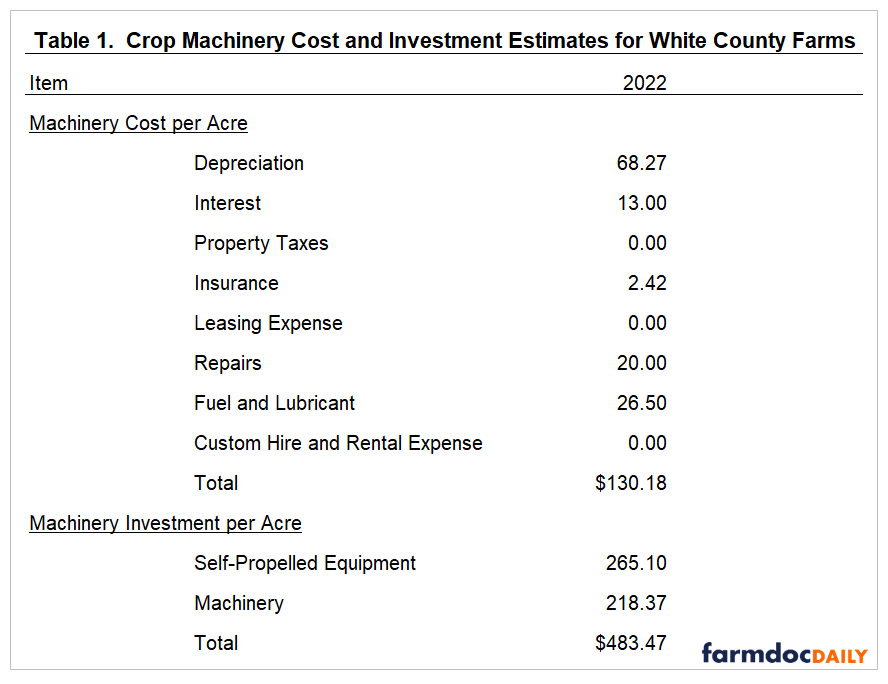
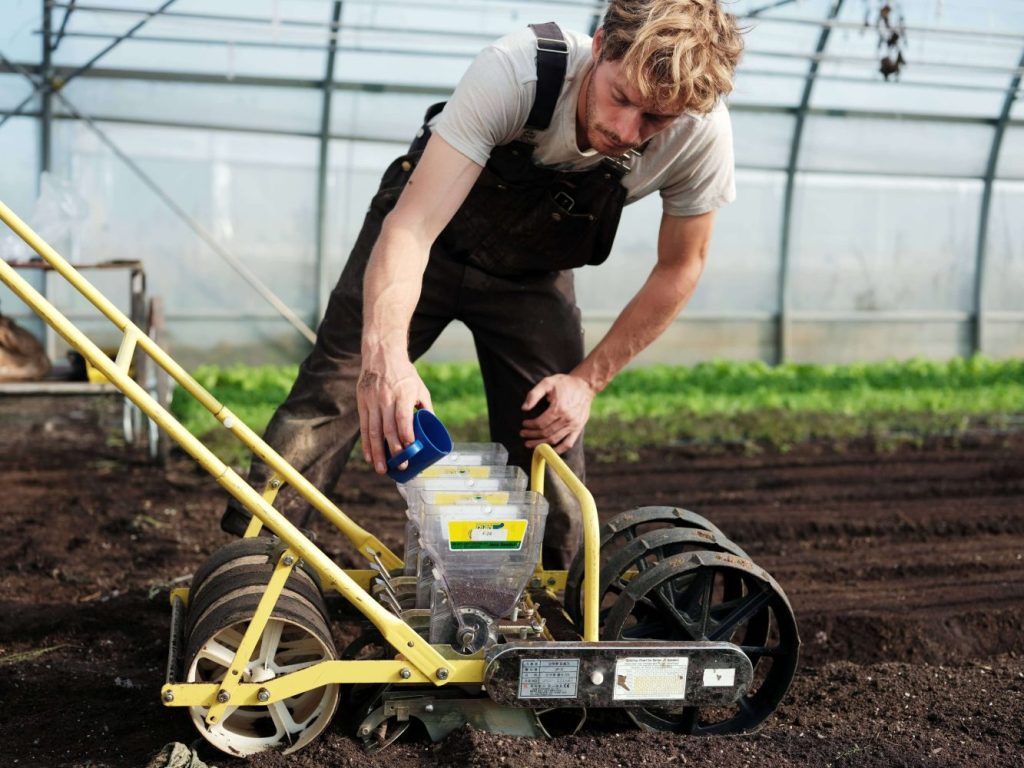
For smaller operations, a hand dibber or planting spoon can be sufficient for planting seeds and seedlings. Seed drills, available in various sizes and price points, are a worthwhile investment for larger-scale plantings, ensuring consistent seed depth and spacing. Consider the specific needs of your herbs. Some, like lavender, require very shallow planting, while others benefit from deeper sowing. Soil testing is paramount – you need to understand your soil's pH and nutrient levels before adding amendments.
Basic soil testing kits are readily available, but for a comprehensive analysis, send samples to a professional lab. You’ll need a soil probe or auger to collect representative samples from different areas of your field. Don't forget a clean bucket for mixing and a permanent marker for labeling. The initial investment in good soil preparation tools and testing will pay dividends in healthier plants and higher yields.
- Soil Test Kit: Essential for understanding your soil's composition.
- Broadfork: Loosens soil without disrupting its structure.
- Seed Drill: Ensures consistent seed depth and spacing.
- Soil Probe/Auger: For collecting representative soil samples.
Irrigation Systems: Water Wisely for Maximum Yields
You need a solid irrigation plan to keep herbs alive through a dry August. Drip irrigation is generally considered the most efficient method, delivering water directly to the plant roots, minimizing water loss through evaporation, and reducing the risk of fungal diseases. Overhead sprinklers are less efficient but can be useful for establishing seedlings or providing frost protection. Soaker hoses offer a low-cost alternative for smaller gardens.
Your water source will influence your irrigation system design. Wells require pumps and potentially filtration systems. Municipal water sources may have restrictions on usage. Regardless of your source, water conservation should be a top priority. Rainwater harvesting is an excellent option, reducing your reliance on external water sources and lowering your water bills. Implementing a timer-based system prevents overwatering and ensures consistent moisture levels.
I vividly recall one summer when a malfunctioning sprinkler head caused a localized flood in my chamomile field, leading to root rot and a significant loss of crop. This experience underscored the importance of regular system checks and preventative maintenance. Consider installing a moisture sensor to monitor soil moisture levels and adjust your irrigation schedule accordingly, optimizing water use and maximizing yields.
Small-Scale Herb Farm Drip Irrigation Kit Comparison (Under 1 Acre - 2026)
| Supplier | Initial Investment | Flow Rate Capability | Included Components | Best Suited For |
|---|---|---|---|---|
| DripWorks | Moderate | Adjustable, wide range | Extensive selection of emitters, filters, tubing, fittings; customizable kits | Operations prioritizing customization and long-term expandability |
| Irrigation Supply | Generally Lower | Standardized options | Basic emitters, mainline tubing, pressure regulator; pre-configured kits | Beginner herb farms needing a simple, cost-effective solution |
| Amazon (Variety of Brands) | Variable, often lowest entry point | Dependent on kit; can be limited | Kits vary widely in quality and completeness; often includes basic emitters and tubing | Small-scale growers prioritizing price and convenience, but requiring careful review of kit contents |
| DripWorks | Higher | Precise, consistent delivery | Advanced filters, pressure compensating emitters, UV-resistant tubing | Delicate herbs requiring consistent moisture levels |
| Irrigation Supply | Moderate | Reliable, standard flow | Durable mainline, basic filtration | Larger herb beds with less varied watering needs |
| Amazon (Variety of Brands) | Lower | Inconsistent, potential for clogging | Basic components, often lower quality materials | Testing drip irrigation before larger investment |
| DripWorks | Moderate to High | Highly Customizable | Wide range of emitter types (pressure compensating, adjustable), multiple tubing sizes | Complex herb garden layouts with diverse plant water requirements |
Qualitative comparison based on the article research brief. Confirm current product details in the official docs before making implementation choices.
Harvesting & Processing: From Field to Finished Product
Harvesting herbs at their peak ensures they actually taste like something when they reach the customer. For small-scale operations, sharp knives or scissors are sufficient. However, for larger farms, specialized harvesting machines can significantly increase efficiency. The American Herbal Pharmacopoeia (2006) emphasizes the importance of careful handling during harvesting to minimize damage and preserve quality. Proper timing is also paramount; different herbs have different optimal harvest times.
Once harvested, herbs need to be processed quickly to prevent spoilage. Drying racks are a simple and inexpensive option for small batches. Dehydrators provide more controlled drying conditions, preserving flavor and aroma. For larger operations, commercial-scale dehydrators are a worthwhile investment. Basic packaging supplies – jars, bags, labels – are also essential. Consider the packaging requirements of your target market; wholesale customers may have specific packaging preferences.
The processing stage is where you truly add value to your herbs. Properly dried and packaged herbs command a higher price than freshly harvested material. Investing in quality processing equipment and following best practices will ensure a premium product that satisfies your customers. Don’t underestimate the importance of cleanliness – a sanitary processing environment is essential for preventing contamination.
Post-Harvest Handling & Storage: Maintaining Quality and Potency
Drying is the most common method of preserving herbs, but it's crucial to do it correctly. Proper air circulation and low humidity are essential for preventing mold and preserving flavor. Store dried herbs in airtight containers, away from light and heat. Amber glass jars are ideal, as they protect against light damage. Label each container with the herb name and harvest date.
Potency fades fast if you're careless. Some herbs lose their flavor and aroma more quickly than others. Regularly check your stored herbs for signs of deterioration. Food safety regulations vary depending on your location and sales model, but it's always best to err on the side of caution. Implement a robust quality control system to prevent contamination and ensure product safety.
I’ve witnessed firsthand the devastating consequences of improper storage. A friend lost an entire season’s worth of lavender due to moisture contamination, resulting in a significant financial loss. Investing in proper storage containers and implementing a strict quality control protocol is a small price to pay for protecting your harvest.
Herb Storage Method Selection
| Herb Type | Desired Shelf Life | Available Space | Storage Method Suitability |
|---|---|---|---|
| Leafy Herbs (e.g., Basil, Mint) | Short-term (days to weeks) | Limited | Air Drying: Good |
| Leafy Herbs (e.g., Parsley, Cilantro) | Long-term (months) | Limited | Dehydrator: Good |
| Flowering Herbs (e.g., Lavender, Chamomile) | Short-term (weeks) | Moderate | Air Drying: Okay |
| Flowering Herbs (e.g., Calendula, Rose) | Long-term (6-12 months) | Moderate | Dehydrator: Good |
| Root Herbs (e.g., Ginger, Turmeric) | Short-term (weeks) | Limited | Freezer: Okay |
| Root Herbs (e.g., Ginseng, Goldenseal) | Long-term (1+ years) | Moderate | Dehydrator: Good |
| Leafy Herbs (e.g., Oregano, Thyme) | Long-term (months) | Abundant | Air Drying: Okay |
| All Herb Types | Short-term (days) | Limited | Oil Infusion: Poor |
Illustrative comparison based on the article research brief. Verify current pricing, limits, and product details in the official docs before relying on it.
Specialty Equipment: Scaling Up for Larger Operations
If you envision expanding your herb farm, you’ll need to consider more substantial equipment investments. Tractors are essential for larger-scale soil preparation, planting, and harvesting. Transplanters can automate the process of transplanting seedlings, saving significant labor. Mowers are needed for maintaining pathways and controlling weeds. Automated harvesting systems, like the ones from Ortomec, are expensive but necessary once you cross the five-acre mark.ems are available for some herbs, but they can be expensive and require specialized training.
The cost of this equipment can be significant. A small tractor can easily cost $20,000 or more, while an automated harvesting system can run into six figures. Carefully evaluate the return on investment before making any major purchases. Consider leasing equipment as an alternative to buying, especially if you only need it for a limited time. Chestnut Herbs (n.d.) notes the possibility of starting with a single plant, but scaling up requires a different level of investment.
Before investing in specialized equipment, conduct thorough research and talk to other herb farmers. Learn from their experiences and avoid making costly mistakes. Consider the long-term maintenance costs and availability of repair services. Some equipment may require specialized skills to operate and maintain, so factor in the cost of training.
Essential Herb Farming Equipment - A Comparative Overview (2026)
| Equipment Category | Equipment Type | Typical Application | Estimated Cost Range (USD) | Key Considerations |
|---|---|---|---|---|
| Soil Preparation | Broadfork | Loosening and aerating soil without inverting layers, preserving soil structure. | $200 - $500 | Suitable for smaller operations; requires significant manual labor. |
| Soil Preparation | Rototiller (Walk-Behind) | Initial soil tilling, breaking up compacted ground. Various sizes available. | $800 - $3,000 | Effective for larger plots, but can damage soil structure if overused. Consider rental options for infrequent use. |
| Planting & Propagation | Seed Starting Trays & Domes | Starting seeds indoors for controlled germination. | $50 - $200 (for a substantial setup) | Essential for extending the growing season and ensuring consistent germination rates. Quality of plastic and dome ventilation are important. |
| Irrigation | Drip Irrigation System | Efficient water delivery directly to plant roots, minimizing water waste. | $100 - $1,000+ (depending on scale) | Reduces fungal diseases by keeping foliage dry. Requires filtration to prevent clogging. System design is crucial for even water distribution. |
| Harvesting & Processing | Herb Scissors | Precise cutting of herbs for harvest. | $15 - $50 | Ergonomic design is important for repetitive use. Stainless steel is preferred for durability and hygiene. |
| Harvesting & Processing | Food Dehydrator | Preserving harvested herbs by removing moisture content. | $100 - $800+ | Essential for long-term storage. Temperature control and airflow are critical for quality. Capacity should match harvest volumes. |
| General Purpose | Utility Vehicle (UTV) | Transporting materials, tools, and harvested herbs around the farm. | $6,000 - $15,000+ | Increases efficiency for larger operations. Consider electric models for reduced emissions. |
| Post-Harvest | Digital Scale | Accurate weighing of harvested herbs for sales and inventory management. | $30 - $300 | Calibration is essential for accurate measurements. Choose a scale with appropriate capacity for your expected yields. |
Illustrative comparison based on the article research brief. Verify current pricing, limits, and product details in the official docs before relying on it.
Maintaining Your Investment: Repair & Preventative Maintenance
Investing in herb farming equipment is only the first step. Regular maintenance is crucial for keeping your tools in good working order and preventing costly repairs. Develop a preventative maintenance schedule for each piece of equipment, including tasks like oil changes, filter replacements, and blade sharpening. Keep a detailed record of all maintenance performed.
Learn to troubleshoot common problems. Many minor repairs can be handled yourself with a basic set of tools. For more complex issues, find a reliable repair service with experience in agricultural equipment. Don't wait until a machine breaks down completely before seeking help. Addressing minor issues promptly can prevent them from escalating into major problems.
I’ve learned the hard way that a little preventative maintenance can save you a lot of headaches. Ignoring a squeaky belt or a loose bolt can lead to a breakdown at the worst possible time. Taking the time to inspect and maintain your equipment will extend its lifespan and maximize your return on investment.
No comments yet. Be the first to share your thoughts!