
The shift to tech in herb farming
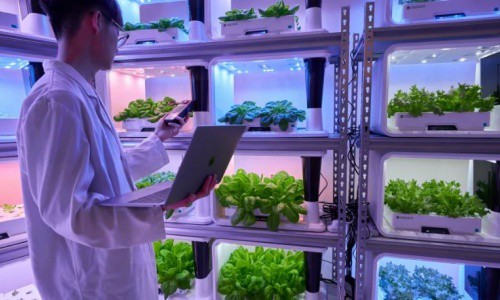
Herb farming is moving away from manual labor as demand for culinary and medicinal plants grows. Researchers at the University of Idaho have noted this spike in demand, which forces growers to find ways to scale without just hiring more hands. We are seeing a move toward systems that handle the repetitive work so the farm stays resilient when labor is tight.
The core of this change is the adoption of principles from precision agriculture. This means utilizing data and technology to optimize every aspect of the growing process, from seed selection to harvest. Instead of treating an entire field uniformly, precision agriculture allows farmers to tailor inputs – water, fertilizer, pest control – to the specific needs of individual plants or small zones within a field. This targeted approach reduces waste, lowers costs, and improves overall yield.
Small farms can use these tools just as effectively as industrial ones. I've looked at the gear coming out in 2026 to see what actually helps with yield and what is just a gadget. Most of these tools focus on saving time or reducing wasted seed and water.
Seed starting and propagation
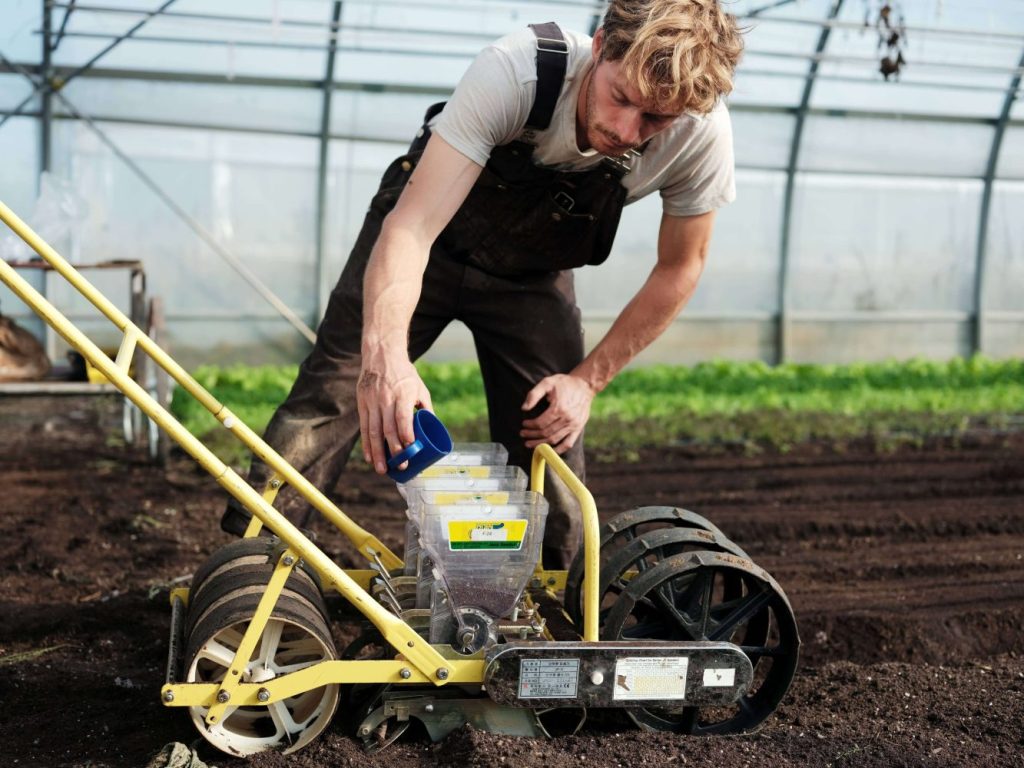
The foundation of any successful herb farm is a robust seed starting and propagation system. Traditional methods, while effective, are labor-intensive and can lead to inconsistent germination rates. Modern automated seeders offer a far more efficient solution, precisely placing seeds at optimal depths and spacing. This not only saves time but also minimizes seed waste, a significant cost for many herb growers.
Climate-controlled germination chambers provide an ideal environment for seed development, maintaining consistent temperature and humidity levels. These chambers, often coupled with grow mats that provide bottom heat, significantly improve germination rates, especially for herbs with specific temperature requirements. Compared to relying on ambient conditions, controlled environments offer a predictable and reliable start to the growing cycle.
Maintaining seed quality and traceability is paramount. The American Herbal Pharmacopoeia’s Good Agricultural and Collection Practice (GACP) guidelines, detailed in a 2006 document from rootreport.frec.vt.edu, emphasize the importance of documented seed sourcing and handling. Knowing the origin and purity of your seeds is crucial for ensuring the quality and consistency of your final product. Investing in systems that facilitate seed tracking – from supplier to seedling – is a worthwhile consideration.
Irrigation systems
Efficient water management is critical for successful herb farming, and modern irrigation systems go far beyond the traditional hose and sprinkler. Drip irrigation is now considered a standard practice, delivering water directly to the root zone of each plant. This minimizes water waste due to evaporation and runoff, and it reduces the risk of fungal diseases by keeping foliage dry.
Automated irrigation controllers represent the next level of sophistication. These controllers use data from soil moisture sensors and weather stations to adjust watering schedules in real-time. Some systems can even predict future water needs based on forecasted weather patterns. This ensures that plants receive the optimal amount of water, preventing both under-watering and overwatering – a common mistake that can lead to root rot.
Fertigation – the practice of combining irrigation with fertilizer delivery – is another valuable technique. This allows for precise nutrient application, ensuring that plants receive the nutrients they need when they need them. However, careful monitoring is essential to avoid nutrient imbalances. Maintaining consistent moisture levels can be challenging, as different herb species have varying water requirements. Smart irrigation controllers and soil sensors are vital tools for navigating these complexities.
Here's a comparative look at common irrigation systems:
- Drip irrigation is the most efficient choice because it puts water right at the roots.
- Sprinklers work for large fields but lose a lot of water to evaporation.
- Flood irrigation is cheap but wasteful, only making sense for specific water-heavy crops.
Irrigation Method Comparison for Herb Production
| Irrigation Method | Water Efficiency | Initial Cost | Herb Suitability | Maintenance Level |
|---|---|---|---|---|
| Drip Irrigation | High | Higher | Excellent for most herbs; particularly beneficial for basil, rosemary, and lavender. | Moderate - requires filter maintenance and occasional emitter replacement. |
| Sprinkler Irrigation | Medium | Moderate | Suitable for densely planted herbs like mint or chamomile; less ideal for herbs prone to fungal diseases. | Medium - requires nozzle checks and potential for uneven distribution. |
| Flood Irrigation | Low | Lower | Best suited for hardy, established herbs in well-draining soil; generally not recommended for delicate herbs. | Low - requires leveling and careful monitoring to avoid overwatering/erosion. |
| Subsurface Drip Irrigation (SDI) | Very High | Highest | Excellent for all herbs, minimizing foliage wetting and disease risk. Requires careful system design. | Moderate to High - requires careful filter maintenance and leak detection. |
| Micro-Sprinklers | Medium-High | Moderate | Good for herbs needing higher humidity, like parsley or cilantro. Can be adjusted for targeted watering. | Medium - requires nozzle adjustments and monitoring for clogging. |
| Hand Watering | Variable | Lowest | Suitable for small-scale operations or container gardening; labor intensive. | Lowest - relies on consistent human effort. |
Qualitative comparison based on the article research brief. Confirm current product details in the official docs before making implementation choices.
Greenhouse climate control
Greenhouses provide a controlled environment that allows herb farmers to extend their growing season and produce higher-quality crops. The choice of greenhouse material – polycarbonate, glass, polyethylene film – depends on factors like budget, durability, and light transmission. Polycarbonate offers a good balance of these factors, providing excellent insulation and impact resistance. Glass provides the highest light transmission but is more expensive and fragile.
Automated environmental control systems are essential for maximizing greenhouse efficiency. These systems regulate temperature, humidity, ventilation, and shading based on pre-set parameters or real-time sensor data. Automated ventilation systems prevent overheating, while heating systems maintain optimal temperatures during cold weather. Shading systems reduce light intensity during peak hours, preventing leaf burn.
Sensors play a crucial role in monitoring greenhouse conditions. Temperature and humidity sensors provide data for adjusting ventilation and heating systems. CO2 sensors monitor carbon dioxide levels, which are essential for photosynthesis. Light sensors measure light intensity, allowing for adjustments to shading systems. The data collected by these sensors can be integrated into a central control system, allowing for automated adjustments and remote monitoring.
A controlled environment isn’t just about extending the growing season; it’s about producing herbs with consistent quality and higher yields. By precisely controlling temperature, humidity, and light levels, farmers can optimize plant growth and maximize the production of essential oils and other valuable compounds.
Harvesting and processing
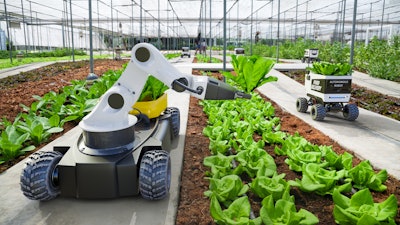
Automated harvesting is arguably the most challenging aspect of herb farming to automate, but significant progress is being made. While fully robotic harvesting systems are not yet widespread for most herbs, some companies are developing robots capable of selectively harvesting specific herbs, like basil or mint. These systems use computer vision and machine learning to identify and harvest mature leaves without damaging the plant.
Automated pruning and trimming equipment can significantly reduce labor costs in post-harvest processing. These machines use blades or lasers to precisely trim leaves and stems, preparing them for drying and packaging. The level of automation varies, with some machines requiring manual feeding and others capable of fully automated operation.
Post-harvest processing equipment includes dryers, grinders, and packaging machines. Dryers remove moisture from the herbs, preserving their flavor and aroma. Grinders reduce the herbs to a consistent particle size, making them easier to use in culinary or medicinal applications. Packaging machines automate the process of filling and sealing containers, ensuring product freshness and consistency.
The labor savings are real, but the upfront cost is high. Fully autonomous harvesting is still hard to find for delicate herbs like cilantro, so you have to be skeptical of sales pitches promising a 'hands-off' field. It is usually better to start with automated trimming before trying to automate the actual pick.
Monitoring and data
Data is the new currency in modern agriculture, and herb farming is no exception. Sensors that monitor soil health (nutrient levels, pH, moisture), plant growth (leaf area, stem diameter), and environmental conditions (temperature, humidity, light) provide a wealth of information that can be used to optimize growing practices. These sensors can be deployed throughout the farm, providing a comprehensive view of crop performance.
Software platforms are available that collect and analyze data from these sensors, providing insights into crop performance and identifying potential problems. These platforms often use machine learning algorithms to identify patterns and predict future outcomes. For example, a platform might predict a potential nutrient deficiency based on historical data and current soil conditions.
Farmers can use this information to make data-driven decisions about irrigation, fertilization, and pest control. By optimizing these inputs, they can improve yields, reduce costs, and minimize environmental impact. The potential for predictive analytics is particularly exciting, as it allows farmers to anticipate problems before they occur and take proactive measures to prevent them.
The ability to track data over time allows for continuous improvement. Analyzing past performance can reveal trends and identify areas where adjustments are needed. This iterative process of data collection, analysis, and optimization is essential for maximizing profitability and sustainability.
Tools for small-scale farms
Not every herb farm needs a fully automated harvesting system. For smaller operations, investing in a few key tools can make a significant difference without breaking the bank. Soil testers provide valuable information about nutrient levels and pH, allowing for targeted fertilization. Moisture meters help prevent overwatering or underwatering.
Hand-held pruning shears are essential for maintaining plant health and maximizing yields. A good pair of shears can make a significant difference in the efficiency of harvesting and pruning. Simple labeling machines can help with inventory management and product tracking. These tools are affordable, easy to use, and can provide a quick return on investment.
Even small changes can have a big impact on the efficiency and profitability of a small herb farm. By carefully selecting the right tools and implementing smart growing practices, aspiring entrepreneurs can build a successful and sustainable business.
No comments yet. Be the first to share your thoughts!