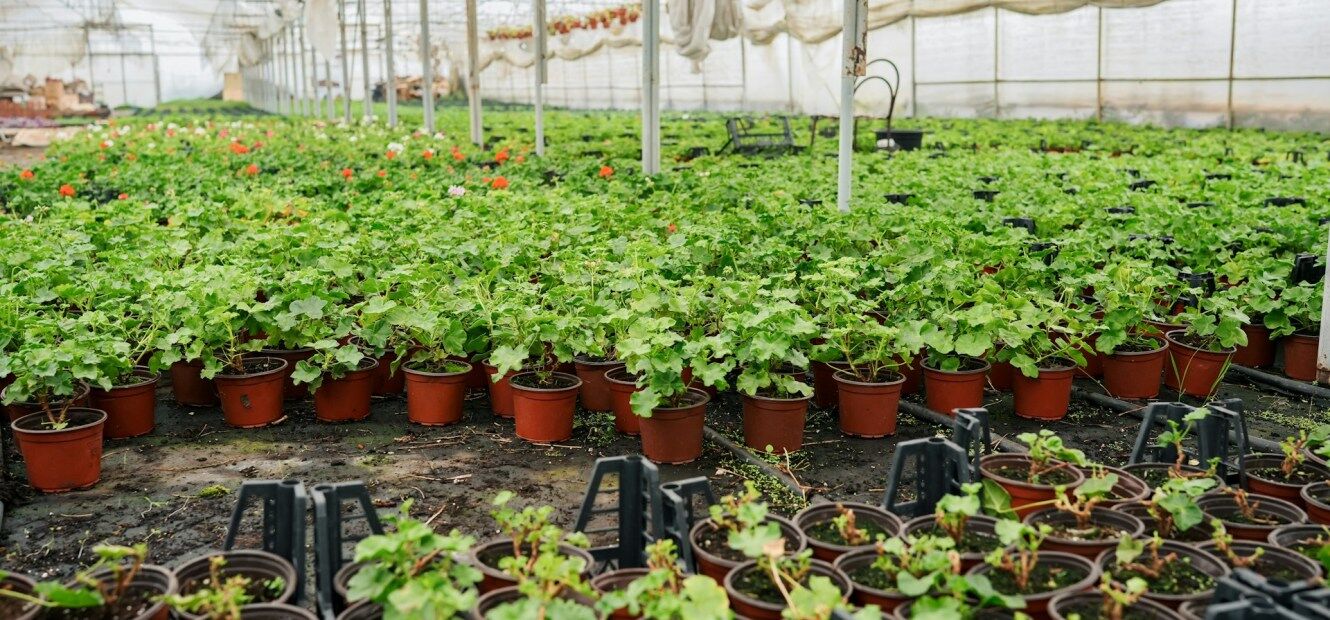

Pick the right herbs for your market
Selecting profitable herbs requires matching your local climate with specific buyer demand. Focus on crops with high turnover or premium pricing that fit your land and labor capacity. Culinary herbs offer quick cash flow, while medicinal herbs provide higher margins but require longer growth cycles.
Start by identifying the gap in your local supply chain. If nearby farms already saturate the parsley and basil markets, consider shifting to niche varieties or medicinal plants where competition is lower. Your first harvest should validate demand before you scale up acreage.
Compare culinary vs. medicinal options
Use this comparison to weigh the trade-offs between fast-turnover culinary crops and high-value medicinal plants.
| Herb Type | Growth Cycle | Market Demand | Profit Margin |
|---|---|---|---|
| Culinary (Basil, Parsley) | Fast (4-8 weeks) | High, daily volume | Low to Medium |
| Culinary (Rosemary, Thyme) | Medium (Seasonal) | Steady, year-round | Medium |
| Medicinal (Lavender, Echinacea) | Long (1-2 years) | Specialized, niche | High |
| Medicinal (Ginseng, Goldenseal) | Very Long (3-5 years) | Very specialized | Very High |
Prepare your soil and planting beds
Healthy herbs start with healthy ground. Before planting, build a soil foundation that supports vigorous root systems and consistent flavor. This means testing your dirt, removing weeds, and setting up beds that drain well but hold enough moisture for tender greens.
Test and amend the soil
Herbs generally prefer a soil pH between 6.0 and 7.0. Test your soil now and adjust with lime (to raise pH) or sulfur (to lower it) if needed. Mix in 2-3 inches of finished compost or aged manure to boost organic matter. This improves texture and provides a slow-release nutrient base. Avoid fresh manure, which can burn roots and introduce pathogens.
Choose your bed style
Raised beds are often the best choice for commercial herb farming. They drain faster than ground-level plots, which prevents root rot in heavy rains. They also warm up earlier in the spring, allowing for earlier planting. If you are growing in the ground, build up your rows 6-8 inches high to improve drainage and air circulation.
Space and layout
Plan your bed layout based on water and sun needs. Group plants with similar requirements together. For example, rosemary, oregano, and thyme prefer drier conditions, while basil and parsley need more consistent moisture. This grouping simplifies irrigation and reduces the risk of overwatering drought-tolerant species. Ensure beds are wide enough (3-4 feet) to reach the center from both sides without stepping on the soil.
Weed and water
Clear all existing weeds before planting. Perennial weeds like bindweed or quackgrass are especially difficult to control once herbs are established. Lay down a layer of newspaper or cardboard as a weed barrier before adding your topsoil mix. Water the beds thoroughly a day before planting to settle the soil and eliminate air pockets.
Plant and manage your herb crops
Growing profitable herbs requires a shift from hobbyist habits to commercial precision. You are no longer just keeping plants alive; you are engineering yield. The difference between a failed crop and a profitable one often comes down to spacing, water consistency, and how quickly you respond to pests.
Harvest and process for sale
The difference between a hobby harvest and a commercial product comes down to post-harvest handling. Once the herbs leave the soil, their quality begins to degrade. To protect your profit margins, you must move quickly to remove field heat, dry the biomass properly, and package it for shelf stability.
Once dried and conditioned, the herbs are ready for market. High-value crops like saffron or specialty medicinal herbs command premium prices, but only if the processing is consistent. For culinary staples like basil or oregano, volume and freshness are your main selling points. Always label your products with the harvest date to build trust with buyers who prioritize quality.
Find buyers and sell your herbs
Before you harvest, you need a buyer. Commercial herb sales rely on two main channels: direct-to-consumer (DTC) and business-to-business (B2B). DTC offers higher margins but requires more marketing effort. B2B provides steady volume but demands strict consistency and reliable delivery.
Direct-to-consumer sales
Sell fresh herbs at farmers markets, through a farm stand, or via an online store. This approach lets you capture the full retail price. Customers often pay a premium for herbs they perceive as fresher and more aromatic than store-bought alternatives. To succeed, you need strong visual appeal and clear storytelling about your growing practices.
B2B sales channels
Supply local restaurants, grocery stores, and food processors. Chefs value herbs for their flavor and appearance, so consistency is critical. You must deliver the same quality, volume, and timing week after week. Building these relationships often starts with free samples and a reliable, small-scale delivery schedule.
Packaging and pricing
Proper packaging extends shelf life and protects the product during transport. Use breathable containers for leafy herbs and keep them cool. Price your herbs based on wholesale rates for B2B clients and retail rates for direct sales. Always factor in your labor, packaging costs, and transportation expenses.
Pre-market checklist
-
Finalize packaging materials (biodegradable or recyclable)
-
Set wholesale and retail price points
-
Create a buyer outreach list (restaurants, markets)
-
Prepare product samples for potential clients
-
Set up a simple ordering and payment system
Common mistakes to avoid
Many new growers underestimate the importance of reliability. A missed delivery can cost you a client permanently. Another mistake is overproducing without a buyer. Start with small, confirmed orders and scale up as you build your customer base. Don't try to sell every herb you grow; focus on the high-demand varieties your local market actually wants.
Common mistakes new herb farmers make
Starting a commercial herb business often fails because of preventable errors in planning and execution. New growers frequently misjudge market demand, leading to wasted space and unsold inventory. Avoiding these pitfalls requires careful selection and realistic scaling.
Choosing the wrong crops
Many beginners plant whatever they enjoy cooking with, rather than what the market buys. High-volume culinary herbs like basil, parsley, and cilantro often offer more reliable returns than niche medicinal varieties. Saffron can be a major money maker, but it requires specialized knowledge and significant upfront investment. Start with crops that local restaurants and farmers' markets already demand consistently.
Overplanting too early
Expanding acreage before establishing a buyer base is the fastest way to lose money. Herbs are perishable and require immediate processing or sale. Start small with 3-5 high-demand herbs before expanding your footprint. This approach lets you refine your harvesting and distribution workflows without the pressure of massive inventory.
Ignoring harvest timing
Herb potency and flavor peak at specific growth stages. Harvesting too early yields weak flavor, while waiting too long causes bolting or leaf drop. Align your planting schedule with peak demand seasons, such as summer grilling months for rosemary and thyme. Consistent quality builds trust with commercial buyers who rely on predictable supply.
Frequently asked questions about growing herbs
What is the most lucrative herb to grow?
Basil is widely considered the most profitable culinary herb to cultivate. Its high demand in Italian cuisine and year-round market availability drive strong margins, especially when grown hydroponically or in controlled environments. Other high-value options include chives, oregano, and rosemary, which are hardy and easy to scale for local restaurants and farmers markets.
What can I grow on 1 acre for profit?
One acre can generate significant returns if you focus on high-density, high-value crops. Shiitake mushrooms and microgreens are top contenders because they require minimal space and have rapid turnover rates. Ginger and specialty kiwis also offer strong profit potential for small farms, provided you have the right climate or greenhouse infrastructure to support their growth cycles.

No comments yet. Be the first to share your thoughts!