
The cost of getting started
Starting an herb farm doesn’t require a massive initial investment, but it does require careful planning. I’ve seen too many eager growers sink all their funds into fancy equipment before they’ve even sold a single sprig of rosemary. The goal is to start lean and scale up as you generate revenue. A quarter acre or less is a manageable starting size, and you can begin with a surprisingly small budget.
For a small operation, you’re looking at roughly $2,000 to $5,000 to get off the ground. This covers hand tools, soil testing, seeds, and initial irrigation supplies. A used tiller is a good investment at this stage, usually around $500, but it isn't necessary if you're willing to do the manual labor. The biggest costs early on are soil amendments and quality seeds—don't skimp there.
Factor in costs for fencing to keep out deer, a small storage shed, and pest control. You also need gloves, boots, and eye protection. Prioritize what you need to grow and harvest, and postpone the 'nice-to-haves' until you’re profitable.
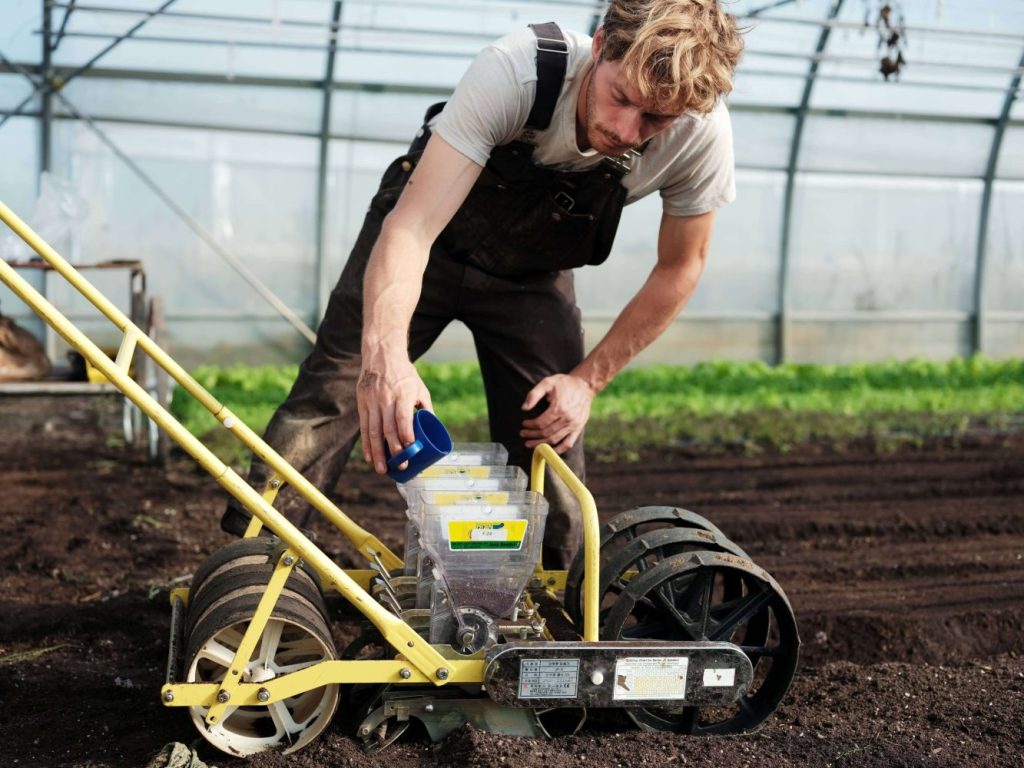
Tools for soil and planting
Healthy soil is the foundation of any successful herb farm. Before you even think about planting, invest in a soil testing kit. These kits, available for around $20 - $50, will give you a baseline understanding of your soil’s pH and nutrient levels. Based on the results, you’ll need to amend the soil with compost, manure, or other organic matter. A broadfork, costing around $200 - $400, is an excellent tool for improving soil aeration without disrupting the soil structure – I prefer it to tilling in most cases.
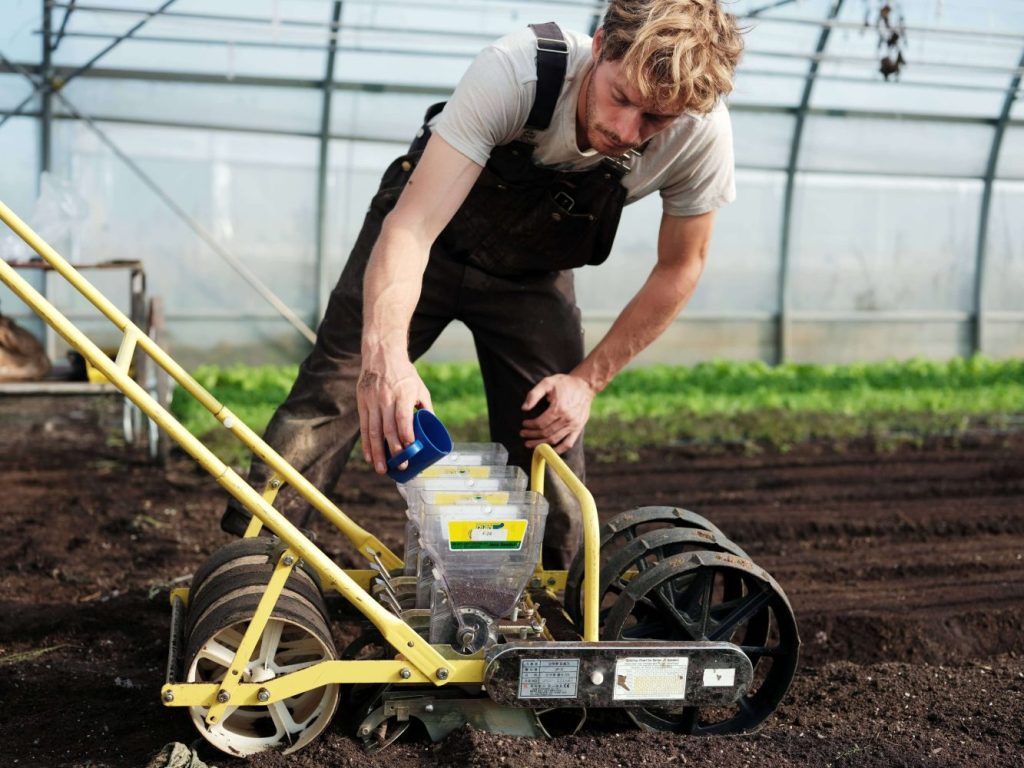
If you do opt for a tiller, consider a walk-behind model. These typically range from $800 to $2,000, depending on size and features. However, be mindful of over-tilling, which can damage soil health. For planting, a simple dibber or hand seeder will suffice for small-scale operations. Transplanting tools, like trowels and hand rakes, are also essential. I’ve found that a good set of gardening gloves is worth the investment – your hands will thank you.
Efficient irrigation is also key to soil prep. While we’ll dive deeper into irrigation systems later, remember that proper water management starts with healthy soil that retains moisture. Consider raised beds to improve drainage and soil warming. Don’t underestimate the value of mulch – it suppresses weeds, conserves moisture, and adds organic matter to the soil. A walk-behind tractor can be useful, but it’s a significant expense and not essential in the first year.
- Soil testing kit ($20 - $50), broadfork ($200 - $400), dibber or hand seeder ($10 - $30), trowel and hand rake ($20 - $50), and gardening gloves ($15 - $30).
- Broadfork ($200 - $400)
- Dibber or hand seeder ($10 - $30)
- Trowel and hand rake ($20 - $50)
- Gardening gloves ($15 - $30)
Moving beyond the garden hose
Hand-watering is a mistake for a commercial operation. It's too time-consuming. Drip irrigation is the best choice for herb farming because it delivers water directly to the roots. The setup cost is higher than other methods, but it saves money on the water bill later.
A basic drip irrigation system for a quarter acre can cost between $500 and $1,500, depending on the complexity and quality of the components. You’ll need a pump, a filter, a pressure regulator, tubing, and emitters. Sprinkler systems are cheaper upfront but less efficient, and soaker hoses can be prone to clogging. The University of Idaho emphasizes efficient water use, and drip irrigation aligns perfectly with that goal.
Consider a timer to automate your irrigation schedule. This will save you time and ensure that your herbs receive consistent watering. Water conservation is crucial, so monitor your water usage and adjust your system as needed. Rainwater harvesting can also be a sustainable option, although it requires additional infrastructure.
Harvesting and processing
Harvesting tools vary depending on the herbs you’re growing. For leafy herbs like basil and mint, sharp pruning shears or knives are essential. For root herbs like ginger and turmeric, you’ll need a digging fork or shovel. For larger operations, a sickle bar can significantly speed up the harvesting process, costing around $200 - $500. The key is to have tools that are sharp and well-maintained.
Processing herbs requires different equipment. Drying racks are the simplest option, but they take up space and can be slow. A dehydrator, costing between $200 and $800, significantly speeds up the drying process and produces a higher-quality product. While not immediately essential, it’s a worthwhile investment as your business grows. Some growers even invest in small-scale essential oil distillation setups, but these are considerably more expensive and require specialized knowledge.
Proper storage is crucial for maintaining the quality of your herbs. Airtight containers, such as glass jars or vacuum-sealed bags, are essential. Labeling is also important – clearly indicate the herb name, harvest date, and any other relevant information. A small scale can be helpful for accurate weighing and pricing.
- Pruning shears/knives ($20 - $50)
- Digging fork/shovel ($30 - $80)
- Sickle bar ($200 - $500)
- Dehydrator ($200 - $800)
- Airtight containers ($20+)
- Scale ($30+)
Herb Drying Method Comparison for Small-Scale Commercial Growers
| Method | Initial Cost | Time to Dry | Herb Quality | Scalability |
|---|---|---|---|---|
| Air Drying | Low | Longest | Good – retains aroma, color can fade | Best for small batches, limited by space and airflow |
| Oven Drying | Low to Medium | Faster | Variable – potential for heat damage, aroma loss | Moderate – limited by oven capacity, requires monitoring |
| Dehydrator | Medium to High | Fastest, consistent | Very Good – controlled temperature, good color retention | Better for medium-sized batches, more consistent results |
| Solar Drying | Low | Variable – dependent on sunlight | Good – natural, but risk of spoilage if humidity is high | Moderate – requires suitable climate and protected space |
| Freeze Drying | Very High | Longest (process time) | Excellent – best aroma and nutrient retention | Lowest - Requires significant investment and expertise |
Qualitative comparison based on the article research brief. Confirm current product details in the official docs before making implementation choices.
Cleaning and packaging
Don't underestimate the importance of proper cleaning and packaging. Dirty or poorly packaged herbs will quickly lose their quality and appeal. An air blower can be used to remove debris from delicate herbs. For more thorough cleaning, a gentle washing station with food-grade sanitizers is recommended. The AHPA GACP document underscores the importance of maintaining cleanliness throughout the entire process.
Packaging options range from simple paper bags and glass jars to more sophisticated vacuum-sealed pouches. The choice depends on your target market and the type of herbs you’re selling. Vacuum sealing extends shelf life and preserves flavor, but it requires a vacuum sealer, which can cost between $100 and $300. Regardless of your packaging choice, ensure that it’s food-safe and appropriately sized.
Proper labeling is essential. You’ll need to include the herb name, net weight, harvest date, and any relevant certifications (e.g., organic). Check your local regulations for specific labeling requirements. A good label printer can save you time and ensure a professional appearance.
Greenhouses and season extension
Extending your growing season can significantly increase your profits. A greenhouse allows you to start seeds earlier and continue harvesting later into the fall and winter. Hoop houses are the most affordable option, costing around $500 - $2,000 for a small structure. More permanent greenhouses, with polycarbonate or glass coverings, can cost upwards of $5,000.
Cold frames and row covers are less expensive options for season extension. Cold frames are essentially unheated greenhouses, while row covers are lightweight fabrics that protect plants from frost. These can be particularly useful for protecting delicate herbs during unexpected cold snaps. I've found row covers to be a very cost-effective way to extend the harvest of basil and other tender herbs.
If you invest in a greenhouse, consider heating and ventilation options. A small propane heater can provide adequate heat during cold nights. Ventilation is essential to prevent overheating and humidity buildup. Automated ventilation systems can be a worthwhile investment, but they add to the overall cost. A well-planned greenhouse can pay for itself within a few years.
No comments yet. Be the first to share your thoughts!