
The vision for a commercial herb farm
Herb demand is climbing. People want natural ingredients for their kitchens and medicine cabinets, and the University of Idaho (Parker Clark, Arnold, & Barney) confirms this isn't just a passing fad. It is a steady shift toward wellness-focused products.
An herb garden business isn't just about cultivating plants; it's about establishing a profitable venture that taps into this growing market. The possibilities are vast, ranging from supplying fresh culinary herbs to local restaurants to crafting specialized medicinal blends for health food stores. The scope of your operation can vary considerably, from a small-scale market garden focusing on direct sales to a larger wholesale operation supplying regional distributors.
Treating this as a business rather than a hobby is the first step. You need to move past the garden-scale mindset to focus on production schedules and profit margins.
Finding your niche
Identifying a profitable niche is the most important initial step. It's a mistake to attempt growing everything; focus is key. Thorough market research will reveal opportunities and potential pitfalls. Begin by assessing local demand—visit farmers markets, talk to restaurant chefs, and survey health food stores to understand what herbs are currently in demand and what gaps exist.
Current trends indicate strong growth in specific herbal product categories. Adaptogens, herbs believed to help the body resist stressors, are particularly popular. Functional foods, incorporating herbs for health benefits, are also gaining traction. Understanding these trends can inform your niche selection. For example, focusing on herbs like ashwagandha, rhodiola, or holy basil could position your business for strong growth.
Analyzing competitor offerings is equally important. What herbs are other growers producing? What are their price points? What is their marketing strategy? This information will help you differentiate your business and identify underserved markets. Don't underestimate the power of specialization – focusing on a unique selection of herbs can create a competitive advantage.
The choice between direct-to-consumer (DTC) and wholesale options has significant implications. DTC, through farmers markets or an online store, allows for higher profit margins but requires more marketing effort. Wholesale, selling to restaurants or stores, offers volume but typically lower margins. Organic certification can significantly impact market access, opening doors to health food stores and consumers willing to pay a premium for certified organic herbs.
Consider the current state of the market. According to NC State Extension, understanding the demand for medicinal herbs is key to commercial viability (New Crops & Organics, n.d.). A targeted approach—perhaps focusing on culinary herbs for local restaurants and a smaller selection of medicinal herbs online—might be the most sensible path for a new operation.
- Farmers markets: Check what others charge and which varieties sell out by noon.
- Restaurant Outreach: Identify chefs seeking locally sourced herbs.
- Health Food Store Surveys: Determine demand for specific herbal products.
- Competitor Analysis: Evaluate existing herb businesses' offerings and pricing.
Production Plan: Cultivation Choices
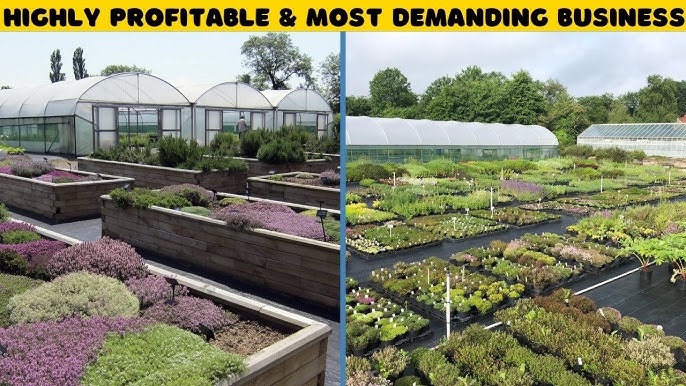
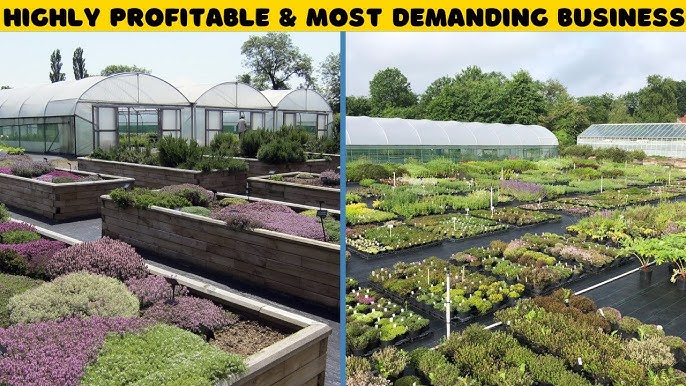
Selecting the appropriate growing method is crucial for scalability and cost-effectiveness. In-ground cultivation is traditional but can be labor-intensive and require significant land. Raised beds offer improved drainage and soil control, but require initial investment in materials. Hydroponics, while offering faster growth and higher yields, requires specialized knowledge and equipment.
Container gardening provides flexibility and portability, making it suitable for smaller operations or urban farms. The choice depends on your available space, budget, and expertise. For larger-scale operations, a combination of methods may be optimal. For example, using raised beds for high-value herbs and in-ground cultivation for more common varieties.
Seed starting is a critical component of herb production. Starting seeds indoors allows for greater control over germination and early growth. Propagation through cuttings or division is another cost-effective method for expanding your herb inventory. Pest and disease management should prioritize organic practices, utilizing beneficial insects, companion planting, and preventative measures.
Harvesting techniques are essential for maintaining herb quality. Timing is crucial—harvesting at the optimal stage of growth maximizes flavor and potency. Proper drying and storage are also vital for preserving the herbs' quality and shelf life. Crop rotation and soil health are fundamental to sustainable herb production. Rotating crops prevents nutrient depletion and reduces the risk of soilborne diseases.
While hydroponics can be efficient, it isn’t universally applicable to all herbs. Research specific herb requirements before investing in this system. Maintaining the correct nutrient balance is crucial in hydroponic systems, and failures can lead to significant crop loss. Careful planning is important, and a backup plan should be considered.
- In-Ground: Traditional, requires land and labor.
- Raised Beds: Improved drainage, requires initial investment.
- Hydroponics: Faster growth, requires specialized knowledge.
- Container Gardening: Flexible, suitable for smaller spaces.
Herb Growing Method Comparison for Commercial Operations
| Growing Method | Initial Investment | Labor Requirements | Space Efficiency | Pest & Disease Risk |
|---|---|---|---|---|
| In-Ground | Lowest | Moderate to High (depending on scale) | Lower - requires significant land area | Moderate to High - susceptible to soilborne diseases and pests |
| Raised Beds | Moderate | Moderate | Moderate - better drainage and soil control than in-ground | Moderate - reduced soilborne issues, but still vulnerable to foliar pests and diseases |
| Hydroponics | Highest | Moderate to Low (can be automated) | Highest - maximizes yield per square foot | Low to Moderate - controlled environment reduces soilborne risks, but requires careful monitoring for waterborne pathogens |
| Vertical Hydroponics | Very High | Low (highly automated) | Very High - maximizes space utilization | Low - controlled environment, but system failures can spread issues rapidly |
| Greenhouse (In-Ground/Raised Beds) | High | Moderate to High | Moderate - extends growing season, protects from weather | Moderate - can create favorable conditions for pests and diseases if not well-managed |
| Container Gardening (Commercial Scale) | Moderate to High | Moderate | Moderate - allows for mobility and controlled growing medium | Moderate - susceptible to pests and diseases, requires careful monitoring |
Illustrative comparison based on the article research brief. Verify current pricing, limits, and product details in the official docs before relying on it.
Operational Costs & Financial Projections
Understanding your operational costs is vital for profitability. Startup costs include seeds, soil, irrigation systems, gardening tools, packaging materials, and marketing expenses. Ongoing expenses encompass labor, utilities, pest control, organic certification fees (if applicable), and potentially rent for land or greenhouse space.
Creating realistic financial projections is essential. An income statement projects your revenue and expenses over a specific period. A balance sheet outlines your assets, liabilities, and equity. A cash flow projection forecasts your cash inflows and outflows. These projections will help you assess the financial viability of your business and secure funding if necessary.
Pricing strategies should consider your production costs, competitor pricing, and the perceived value of your herbs. Cost-plus pricing involves calculating your production costs and adding a markup. Value-based pricing focuses on the benefits your herbs provide to customers. Competitive pricing involves setting prices similar to those of your competitors.
A simplified financial model can be created using spreadsheet software. Input your estimated costs and projected sales volume to generate a profit and loss statement. Regularly review and update your projections as your business evolves. Consider factors like seasonality and potential crop failures when forecasting revenue.
I always overestimate costs by 15% and lowball my revenue targets. It creates a safety net for when a pump breaks or a pest outbreak ruins a harvest. Marketing isn't free either; you have to pay for the eyes on your product.
- Seeds & Soil: Initial investment in plant material and growing medium.
- Irrigation: Essential for consistent herb growth.
- Packaging: Costs for jars, bags, or other containers.
- Labor: Wages for yourself or hired help.
- Marketing: Website, social media, and advertising expenses.
Rules and regulations
Navigating the legal requirements is critical for operating a legitimate herb business. You’ll need to obtain the necessary business licenses and permits from your local and state governments. Zoning regulations may restrict where you can operate your herb farm, particularly in urban areas. Compliance with these regulations is essential to avoid penalties.
Food safety regulations are particularly important if you plan to sell culinary herbs. The EPA’s Urban Farm Business Plan Handbook provides guidance on these regulations (EPA Archive, n.d.). Labeling requirements vary by state and product type. Ensure your labels accurately list ingredients, net weight, and any relevant warnings.
Potential liability issues should also be considered. Product liability insurance can protect your business from claims arising from defective or mislabeled products. Consult with an attorney to ensure you are fully compliant with all applicable laws and regulations. Adhering to Good Agricultural Practices (GAPs), as suggested by NC State Extension, can demonstrate your commitment to food safety.
State-specific regulations vary significantly. Research the requirements in your state regarding business licensing, food safety, and organic certification. Some states may have specific regulations for growing and selling medicinal herbs. Staying informed about these regulations is crucial for avoiding legal issues.
Maintaining accurate records is essential for demonstrating compliance. Keep detailed records of your production practices, sales, and expenses. This documentation will be invaluable in the event of an audit or inspection.
Marketing & Sales Strategies
Effective marketing is essential for reaching your target customers. Branding is the first step – create a unique brand identity that reflects the quality and values of your herbs. A professional website is crucial for establishing credibility and providing information about your products. Social media marketing can help you connect with potential customers and build a following.
Email marketing is a powerful tool for nurturing leads and promoting your products. Collect email addresses from website visitors and farmers market customers. Send out regular newsletters with updates on your herbs, special offers, and recipes. Building relationships with local chefs and health food store owners is also critical.
Explore different sales channels to maximize your reach. Farmers markets provide direct access to customers and valuable feedback. A direct-to-consumer online store allows you to sell your herbs nationwide. Wholesale to restaurants and stores offers volume sales but lower margins. Consider a CSA (Community Supported Agriculture) model to build a loyal customer base.
Packaging and presentation are important for attracting customers. Use attractive and sustainable packaging that reflects your brand identity. Clearly label your herbs with information about their flavor, aroma, and uses. Consider offering sample sizes or gift sets to encourage trial.
Focus on storytelling. Share the story of your farm, your growing practices, and the benefits of your herbs. Consumers are increasingly interested in knowing where their food comes from and how it is produced. Highlight your commitment to sustainability and quality. According to Chestnut Herbs, offering workshops can be a viable herbal business idea (Chestnut Herbs, n.d.).
- Branding: Establish a unique brand identity.
- Website: Create a professional online presence.
- Social Media: Connect with potential customers.
- Email Marketing: Nurture leads and promote products.
- Farmers Markets: Direct access to customers.
No comments yet. Be the first to share your thoughts!