
Finding niche herb markets
Most herb businesses, understandably, start with basil, mint, and rosemary. It's what consumers know and demand. But focusing solely on these common varieties means competing in a crowded market, often driving down prices and limiting potential profit. A more strategic approach involves identifying niche markets – those underserved corners of the herb world where demand is high and competition is lower.
Demand is shifting toward functional foods and natural remedies. This means more people are looking for medicinal plants, natural dyes, and culinary varieties that don't show up in standard grocery aisles. I've found that researching the local wellness community is better than guessing what will sell. You need to know who is buying before you put a single seed in the ground.
Don't underestimate the power of specialization. Instead of trying to grow everything, focus on a specific niche. Perhaps you specialize in herbs for skincare, teas for stress relief, or ingredients for a particular ethnic cuisine. This allows you to become an expert in your field and attract a loyal customer base. The New Crops & Organics program at NC State Extension provides valuable resources for exploring these opportunities.
Profitable herbs for 2026
Predicting future demand is never an exact science, but current trends and industry reports suggest these eight herbs will be particularly profitable in 2026. These projections are based on data from Johnny’s Selected Seeds, the NC State Extension, and observed market activity.
1. Ashwagandha: Wholesale price around $18-$25 per pound, with a demand growth rate of 15% annually. Ideal growing conditions include well-drained soil and full sun. Markets include supplement manufacturers and herbal remedy companies.
2. Tulsi (Holy Basil): Expect to see prices between $15-$20 per pound, with demand increasing at 12% per year. It prefers warm climates and partial shade, and finds a market with tea companies and wellness brands.
3. Lemon Balm: A more established herb, Lemon Balm currently sells for $8-$12 per pound, with a steady 8% growth rate. Easy to grow in most climates, it’s popular with tea blenders and aromatherapy product makers.
4. Culinary Lavender: High-quality culinary lavender can fetch $20-$30 per pound, with a demand increase of 10%. It requires well-drained soil and full sun, and is popular with restaurants and gourmet food producers.
5. Calendula: Wholesale prices range from $6-$10 per pound, with a 9% growth rate. Calendula is relatively easy to grow and finds use in skincare products and as a natural dye.
6. Echinacea: A well-known immune booster, Echinacea sells for $10-$15 per pound, with a 7% growth rate. It requires full sun and well-drained soil, serving supplement manufacturers and herbalists.
7. Shiso: This Japanese herb is gaining popularity in culinary circles, selling for $25-$35 per pound with a substantial 18% growth rate. It prefers partial shade and moist soil, and is popular in Asian cuisine.
8. Stevia: As a natural sweetener, Stevia commands $12-$18 per pound with a demand increase of 6%. It requires warm temperatures and full sun, serving the food and beverage industry as a sugar alternative.
Direct sales or wholesale
Choosing between direct sales and wholesale is a fundamental decision for any herb business. Each path has its own advantages and disadvantages, impacting startup costs, time investment, and potential profitability.
Direct Sales: This involves selling directly to consumers through farmers markets, Community Supported Agriculture (CSAs), or an online store. Startup costs are relatively low, but the time commitment is significant. You're responsible for all aspects of the business, from growing and harvesting to marketing and customer service. Profit margins can be higher, but competition is often fierce, and sales are seasonal.
Wholesale: Selling to restaurants, grocery stores, or processors requires building relationships and meeting their specific quality and quantity demands. Startup costs might include certifications or specialized equipment. While marketing efforts are different – focused on business-to-business communication – it can offer more stable, predictable income. Profit margins are typically lower per unit, but volume can compensate.
Wholesale demands consistency in supply and quality, while direct sales offer the opportunity for more personalized customer interactions. A realistic assessment of your resources, skills, and target market is crucial. Many successful herb businesses utilize a combination of both strategies, diversifying their income streams.
Direct Sales vs. Wholesale: A Decision Matrix for Herb Businesses
| Startup Cost | Time Commitment | Marketing Effort | Profit Margin | Scalability | Relationship Building |
|---|---|---|---|---|---|
| Low | High | Medium | High | Low | High |
| Medium | Medium | Low | Medium | High | Medium |
Illustrative comparison based on the article research brief. Verify current pricing, limits, and product details in the official docs before relying on it.
Selling herbs online
Selling herbs online expands your reach beyond your local area. Several platforms are available, each with its own strengths and weaknesses. Etsy is a good starting point for small-scale operations, offering a built-in audience and relatively low fees. Shopify provides more control and customization, allowing you to build a branded online store.
A dedicated website gives you complete control over your brand and customer experience, but requires more technical expertise and marketing effort. Selling through local food hubs can connect you with a network of consumers interested in locally sourced products. Regardless of the platform, high-quality product photography and detailed descriptions are essential.
Shipping presents unique challenges. Herbs are delicate and can lose their aroma and flavor quickly. Secure packaging is critical, and shipping costs can be significant. Research shipping regulations for plant materials, as they vary by location. Subscription boxes – curated selections of herbs delivered regularly – are a growing trend, offering a recurring revenue stream.
Automation and efficiency
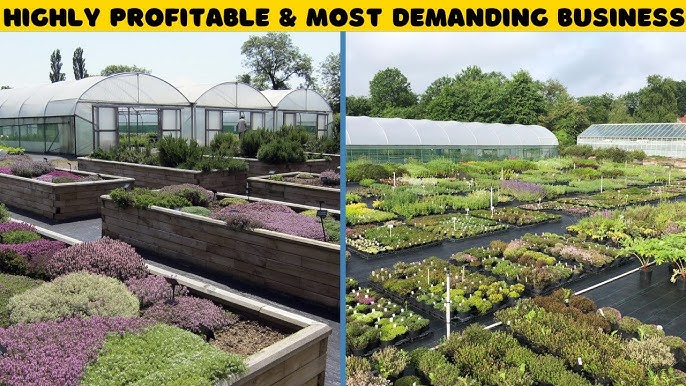
Increasing production without sacrificing quality requires careful planning and investment. Automated irrigation systems can save water and labor, ensuring consistent moisture levels. Greenhouse growing extends the growing season and protects crops from harsh weather. Efficient harvesting techniques – using the right tools and optimizing workflow – can significantly increase output.
As your business grows, consider hiring seasonal labor to assist with planting, harvesting, and packaging. Good record-keeping is essential for tracking costs, monitoring profitability, and identifying areas for improvement. Detailed records allow you to make informed decisions about resource allocation and optimize your operations.
However, avoid scaling too quickly. Maintain a focus on quality control and customer satisfaction. A gradual, sustainable approach is often more effective than rapid expansion. Explore opportunities for value-added products – dried herb blends, infused oils, or herbal teas – to increase profit margins.
Legal and regulatory hurdles
Selling herbs legally requires navigating a complex web of regulations. You'll need to obtain the necessary business licenses and permits from your local and state governments. Food safety regulations are particularly important, especially if you're selling medicinal herbs. Labeling requirements vary depending on the type of herb and its intended use.
Organic certification can add value to your products and appeal to environmentally conscious consumers, but it also involves meeting strict standards and undergoing regular inspections. Research local and state laws regarding the sale of herbal products carefully. The FDA has regulations regarding claims made about herbs, particularly those related to health benefits.
This information is not legal advice. Consult with a qualified attorney or regulatory expert to ensure you're in full compliance with all applicable laws and regulations. Resources like the USDA and your state’s Department of Agriculture can provide guidance.
Herb Business Success Stories
Several herb businesses demonstrate the potential for success in this growing market. Chestnut School of Herbal Medicine, for example, started with a single plant and grew into a respected educational institution and herbal product company (chestnutherbs.com). Their success is rooted in a commitment to quality, education, and community.
Another example is Mountain Rose Herbs, a company that sources organic herbs and essential oils from around the world (mountainroseherbs.com). They built a strong brand based on sustainability, ethical sourcing, and customer service. Their online presence and wholesale partnerships have fueled their growth.
These businesses share several common traits: a passion for herbs, a commitment to quality, a strong understanding of their target market, and a willingness to adapt to changing trends. They demonstrate that a well-planned and executed herb business can be both profitable and fulfilling.
No comments yet. Be the first to share your thoughts!