
Is an Herb Business Right for You?
Dreaming of an herb business? Before you order seeds and build raised beds, let's be realistic. This isn't a get-rich-quick scheme. It's a lifestyle demanding time, energy, and dedication. The romantic image of wandering a fragrant garden clashes with the reality of weeding, pest control, and marketing.
A small-scale operation requires consistent attention, especially during the growing season. Expect to spend hours planting, harvesting, processing, and packaging. Then there's sales: farmers' markets, online orders, deliveries. Consider your current commitments and assess if you have the bandwidth.
People who are passionate about herbs, detail-oriented, and enjoy working with their hands thrive here. A willingness to learn is essential; there's always something new about growing, marketing, or herbal remedies. Comfort with uncertainty also helps, as weather, pests, and markets can shift.
Financially, don't expect overnight success. Building a customer base and a profitable business takes time. Startup costs are low if you begin small but increase with expansion. Be prepared to reinvest profits, especially in the early stages. The goal is building something sustainable, not just making a quick buck.
- Realistic expectations: Understand the time commitment and financial realities.
- Passion for herbs: A genuine love for plants is essential.
- Willingness to learn: Stay updated on growing techniques and market trends.
- Strong work ethic: Herb farming is physically demanding.
- Marketing skills: You need to be able to reach your target audience.
Five Herb Business Ideas to Consider
Chestnut Herbs notes you can start an herb business with just one plant. But where do you go from there? Here are five business models, from small-scale to ambitious, each with pros and cons.
First, fresh herb sales. This is a good entry point, selling directly to consumers at farmers' markets or through local restaurants. Startup costs are low, but you need a consistent supply and reliable transportation. The downside is fresh herbs' short shelf life.
Next, dried herb sales. This extends your selling season and reaches a wider audience. You'll need drying equipment and proper storage. Competition is higher, but profit margins can be good. It's a natural extension of growing fresh herbs.
Then there's herbal product creation – teas, salves, tinctures. This adds value to your herbs and potentially increases profits. However, it requires more knowledge, equipment, and adherence to labeling regulations. The potential is there, but it's a step up in complexity.
Workshops and classes are another option. Share your herbalism expertise to build community and generate income. This requires strong communication skills and a suitable teaching space. Weekend workshops can range from $50 to $200+.
Finally, wholesale to restaurants or health food stores. This provides a steady income stream but requires building relationships and meeting specific quality standards. Offer competitive pricing and reliable delivery.
- Fresh Herb Sales: Low startup cost, short shelf life.
- Dried Herb Sales: Extended season, higher competition.
- Herbal Product Creation: Higher profit potential, more regulations.
- Workshops/Classes: Community building, requires expertise.
- Wholesale: Steady income, requires relationships & quality control.
Herb Business Ideas: A Quick Comparison for Beginners 🌱
| Business Idea | Best For... | Key Trade-off | Consider This... |
|---|---|---|---|
| Dried Herb Sales | Those wanting a low-investment start | Requires consistent quality control | Good entry point, focusing on common culinary or tea herbs. |
| Fresh Herb Bouquets & Sales | Individuals with strong presentation skills | Seasonality impacts consistent income | Ideal for farmers markets or direct-to-restaurant sales. |
| Herb-Infused Product Creation (Oils, Vinegars, etc.) | Creative individuals with recipe development skills | Regulations around food/cosmetic production | Allows for higher price points, but demands careful labeling and compliance. |
| Herb Garden Design & Installation | Those with landscaping or gardening experience | Can be physically demanding and weather-dependent | Appeals to clients seeking customized garden solutions. |
| Herbal Tea Blending | People passionate about flavor profiles and wellness | Requires sourcing high-quality ingredients | Offers a niche market with potential for repeat customers. |
| Herb Starts/Seedlings | Gardeners with propagation expertise | Requires space for starting and maintaining plants | Good for spring sales and local garden clubs. |
Qualitative comparison based on the article research brief. Confirm current product details in the official docs before making implementation choices.
Cultivation: What Herbs Are Most Profitable?
What herbs actually sell? You can grow what you love, but if nobody buys, it's just a hobby. Demand fluctuates, so staying informed is key. Culinary herbs like basil, rosemary, thyme, oregano, parsley, and chives are consistently popular staples in most kitchens.
Medicinal herbs like echinacea, calendula, chamomile, lavender, and lemon balm have a strong market. Be aware of regulations for selling medicinal products, including Good Manufacturing Practices (GMP) depending on your location and product type.
Some niche herbs, like stevia (a natural sweetener) and ashwagandha (an adaptogen), can be profitable but require targeted marketing. Interest is growing in herbs used in Asian cuisine, such as Shiso and Mitsuba.
Organic growing practices can command a premium price, as consumers pay more for herbs grown without synthetic pesticides or fertilizers. Organic certification is expensive and time-consuming, a trade-off to consider. Conventional growing is faster and cheaper but may face more competition.
Profit margins vary by herb, growing methods, and sales channel. Value-added products (teas, salves) generally have higher profit margins than raw herbs. Experiment to find what works best for your market.
- Culinary Herbs: Basil, Rosemary, Thyme – Consistent demand.
- Medicinal Herbs: Echinacea, Calendula, Chamomile – Growing market, regulatory considerations.
- Niche Herbs: Stevia, Ashwagandha – Targeted marketing needed.
- Organic vs. Conventional: Organic commands a premium, conventional is cheaper.
Profitable Herb Options
- Basil - A kitchen staple, consistently in demand from restaurants and home cooks. 🌿
- Mint - Versatile for teas, culinary uses, and even aromatherapy. Many varieties offer diverse profit potential.
- Rosemary - Popular for its fragrance and use in cooking, especially with increasing interest in Mediterranean cuisine.
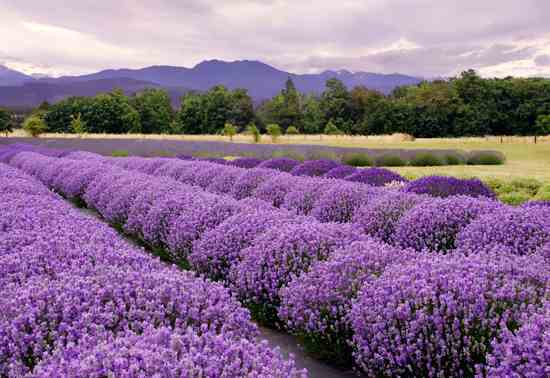
- Lavender - Highly marketable for its calming properties; used in soaps, lotions, and aromatherapy. 💜
- Chives - Easy to grow and consistently used as a garnish or flavoring agent. Offers quick turnover.
- Parsley - Another kitchen workhorse, both flat-leaf and curly varieties are frequently requested.
- Thyme - A robust herb used in many savory dishes, and increasingly popular in wellness blends.
Legalities and Licensing: Don't Skip This Step
Let's discuss legalities. Regulations for herb cultivation and sales vary by state, county, and city. You'll likely need a business license to operate legally.
Investigate zoning restrictions. Some areas don't allow agricultural activities or have crop restrictions. Contact your local planning department to find out what's allowed. Ignoring this can lead to fines or shutdown.
If selling herbal products (teas, salves, etc.), comply with labeling requirements. The FDA has specific rules for product labels. You may need to register your facility with the FDA.
If selling medicinal herbs, be careful about health claims. Avoid claims not substantiated by scientific evidence, as the FDA views unsubstantiated claims unfavorably. Good Manufacturing Practices (GMP) are also important for producing herbal products.
- Business License: Required to operate legally.
- Zoning Restrictions: Check local regulations.
- Labeling Requirements: FDA rules apply.
- GMP: Important for herbal product manufacturing.
Marketing Your Herb Business
undefined with consumers and build relationships. Be prepared to spend a full day setting up, selling, and interacting with customers.
Online sales offer a wider reach. Platforms like Etsy and Shopify are popular choices. You’ll need to create a professional-looking website or online store, take high-quality photos of your products, and write compelling product descriptions. I’ve found that focusing on the story behind your herbs – how they’re grown, their unique benefits – can really resonate with customers.
Wholesale partnerships with local restaurants, health food stores, and apothecaries can provide a steady stream of income. This requires building relationships and offering competitive pricing. Be prepared to provide consistent quality and reliable delivery.
Social media marketing is essential in today’s world. Instagram and Facebook are particularly effective for showcasing your herbs and connecting with potential customers. Share photos, videos, recipes, and educational content. Run targeted ads to reach a wider audience. Don't underestimate the power of visually appealing content.
Building a brand is crucial. What makes your herb business unique? What values do you represent? Develop a consistent brand identity – logo, colors, messaging – and use it across all your marketing materials. Word-of-mouth marketing is powerful, so focus on providing excellent customer service.
- Farmers' Markets: Direct connection with customers.
- Online Sales: Wider reach, requires online presence.
- Wholesale: Steady income, requires partnerships.
- Social Media: Visual content, targeted ads.
- Brand Building: Unique identity, customer service.
Scaling Up: From Garden to Business
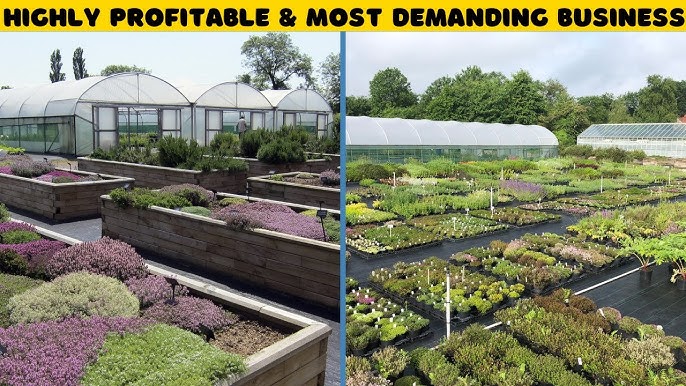
So, you’ve started small, and things are taking off. Congratulations! Now it’s time to think about scaling up. This isn’t just about growing more herbs; it’s about building a sustainable business. Expanding your growing space is the most obvious step. Consider adding greenhouses, high tunnels, or additional garden beds.
Automating tasks can save you time and labor. Invest in tools like automatic irrigation systems, seeders, and harvesters. It might seem expensive upfront, but it can pay off in the long run. Hiring help is another option, but be prepared to invest in training and management.
Diversifying your product line can also help you grow. Consider adding new herbs, creating new herbal products, or offering workshops and classes. Don’t spread yourself too thin, though. Focus on products that align with your brand and target market.
Scaling up presents challenges. Maintaining quality control, managing inventory, and meeting increased demand can be stressful. It’s important to have a solid business plan in place and to track your finances carefully. Don’t be afraid to seek advice from other entrepreneurs.
- Expand Growing Space: Greenhouses, tunnels, beds.
- Automate Tasks: Irrigation, seeders, harvesters.
- Hire Help: Training and management required.
- Diversify Products: New herbs, products, workshops.
Resources and Further Learning
The journey of an herb entrepreneur is one of continuous learning. There’s always more to discover about growing, marketing, and herbalism. Chestnut Herbs (chestnutherbs.com) is a fantastic resource for in-depth herbal education and business advice. Their online courses are highly regarded.
Mother Earth News (motherearthnews.com) offers a wealth of information on organic gardening and homesteading, including articles on starting an herb business. Exploring local agricultural extension offices can provide region-specific guidance on growing conditions and regulations.
Consider joining herbal organizations and online communities to connect with other growers and learn from their experiences. Networking is invaluable. There are many Facebook groups dedicated to herb gardening and herbal businesses.
Some books I recommend include The Herbal Medicine-Maker's Handbook by James Green and Rosemary Gladstar’s Medicinal Herbs: A Beginner’s Guide. These provide a solid foundation in herbalism and herbal product making.
- Chestnut Herbs: (chestnutherbs.com) - Herbal education and business advice.
- Mother Earth News: (motherearthnews.com) - Organic gardening and homesteading.
- Local Agricultural Extension Offices: Region-specific guidance.
- Herbal Organizations & Communities: Networking opportunities.
- Recommended Books: The Herbal Medicine-Maker's Handbook, Rosemary Gladstar’s Medicinal Herbs.
What's the biggest hurdle standing between you and your 2026 herb business goals?
We want to know what's on your mind! Cast your vote below so we can tailor our expert tips to help you grow.

No comments yet. Be the first to share your thoughts!