
Herb Farming's New Growth Phase
Commercial herb growing is changing, driven by artificial intelligence. For generations, herb cultivation relied on experienced farmers and labor-intensive methods. Maintaining consistent quality, maximizing yield, and managing weather patterns were constant challenges. Now, AI offers solutions to these problems.
Historically, herb farms faced inconsistencies from manual processes. Variations in watering, fertilization, and harvesting led to uneven product quality and reduced profitability. Labor costs, especially during peak seasons, were a significant expense. These pressures pushed growers to seek innovative solutions, and AI is becoming central to modern herb production.
AI-powered herb farming technologies are seeing substantial investment and climbing adoption rates. This isn't about replacing skilled farmers, but empowering them with tools that amplify their expertise and optimize the growing process. It's about data-driven decisions, not just intuition.
AI integration enhances efficiency, reduces waste, and improves herb farming sustainability. From precise nutrient delivery to automated harvesting, AI can change how we grow herbs, ensuring a more reliable and high-quality supply. Those who adapt will be best positioned for success.
Sensor Networks & Real-Time Data
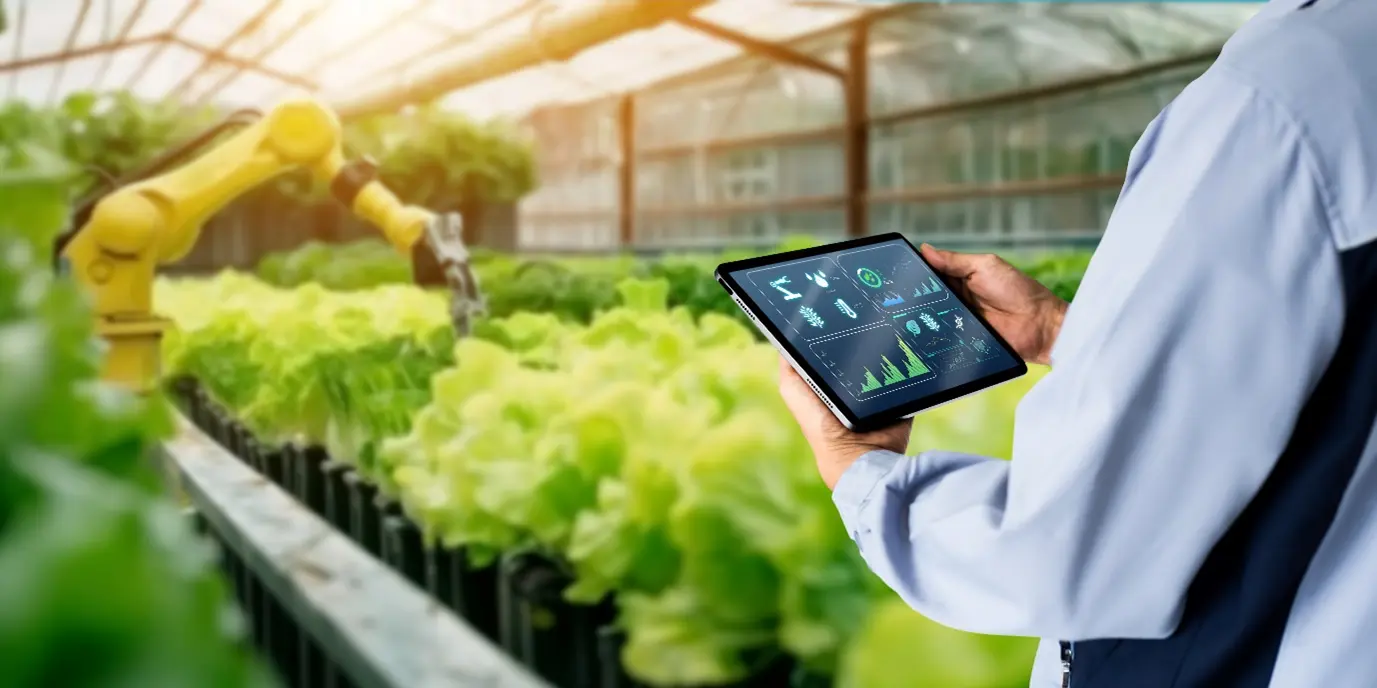
AI-powered herb farming uses a network of sensors collecting data. These sensors monitor soil moisture, nutrient levels, light intensity, temperature, humidity, and the presence of pests or diseases. The detail of this data differentiates it from traditional methods.
Data collection is becoming more sophisticated. Wireless sensors in the soil provide continuous readings of moisture and nutrient content. Drones with multispectral cameras capture images of the herb canopy, revealing plant health variations invisible to the naked eye. Satellite imagery monitors large-scale environmental conditions and identifies potential issues across the farm.
Real-time monitoring is the real value. Farmers can access this information through dashboards and mobile applications, responding instantly to changing conditions. This proactive approach prevents problems before they escalate. A sudden drop in soil moisture can trigger an automated irrigation response.
Predictive modeling relies on this data stream. By analyzing historical trends and current conditions, AI algorithms forecast potential issues like pest outbreaks or nutrient deficiencies. This allows growers to implement preventative measures, minimizing yield losses and reducing reactive interventions. Anticipating problems is a game-changer for commercial herb growing.
- Soil Moisture Sensors: Continuously monitor water content.
- Nutrient Sensors: Track levels of nitrogen, phosphorus, and potassium.
- Light Sensors: Measure light intensity and spectrum.
- Temperature & Humidity Sensors: Monitor environmental conditions.
- Drone-Based Multispectral Imaging: Detect plant stress and disease.
Sensor Comparison for AI-Powered Herb Farming (2026)
| Sensor Type | Cost | Accuracy | Maintenance | Data Frequency |
|---|---|---|---|---|
| Soil Moisture | Generally Lower | Good, dependent on sensor type and soil composition | Moderate; requires periodic calibration and cleaning | Adjustable, from several times daily to hourly depending on needs |
| Light Intensity (PAR) | Moderate to Higher | Very Good; provides specific data relevant to photosynthesis | Lower; typically robust, but lens cleaning may be needed | High; continuous monitoring is beneficial for optimizing growth |
| Air Temperature & Humidity | Lower | Good; standard, reliable measurements | Low; generally requires minimal maintenance | High; frequent readings are useful for climate control |
| Soil Temperature | Lower | Good; directly impacts root health and germination | Low; similar to air temperature sensors | Moderate; daily readings often sufficient, but more frequent during critical phases |
| Nutrient Levels (EC/PPM) | Higher | Variable; accuracy depends on sensor technology and calibration; requires consistent monitoring for drift | Higher; requires frequent calibration and electrode maintenance | Moderate; weekly or bi-weekly monitoring is typical |
| pH (Soil & Water) | Moderate | Good; crucial for nutrient availability, but readings can be affected by soil composition | Moderate; requires calibration and electrode replacement | Moderate; regular monitoring is recommended, particularly in hydroponic systems |
| Leaf Wetness | Moderate | Good for disease prediction; detects conditions favorable for fungal growth | Moderate; requires cleaning to prevent fouling | High during periods of potential disease risk |
Qualitative comparison based on the article research brief. Confirm current product details in the official docs before making implementation choices.
AI-Driven Irrigation & Nutrient Management
AI algorithms analyze sensor data, identifying patterns and making decisions about irrigation and nutrient delivery. This moves beyond simple time-based or volume-based schedules to precision agriculture, where each plant receives exactly what it needs, when it needs it. This is an improvement over traditional methods that often lead to overwatering or under-fertilization.
Precision irrigation techniques, like drip irrigation and variable rate irrigation, are essential to AI-driven systems. Drip irrigation delivers water directly to plant roots, minimizing water loss through evaporation. Variable rate irrigation adjusts water application based on the specific needs of different zones, as determined by sensor data and AI analysis. This is useful in fields with varying soil types or topography.
AI can optimize fertilizer application. By analyzing nutrient levels in soil and plant tissue, algorithms determine the precise amount of fertilizer needed to maximize growth and yield. This reduces fertilizer runoff, minimizing environmental impact and lowering input costs. The Chestnut School of Herbal Medicine notes the importance of responsible land stewardship, and AI-driven nutrient management aligns with those principles.
Environmental benefits are substantial. Reducing water waste conserves a precious resource and lowers energy costs for pumping and distribution. Minimizing fertilizer runoff protects waterways from pollution and promotes a healthier ecosystem. AI is about sustainability. Optimized nutrient delivery can enhance the flavor and medicinal properties of herbs.
Implementing these systems involves integrating AI software with existing irrigation controllers and fertilizer injectors. Companies like Phytech and CropX offer solutions combining sensor technology with AI analytics, providing growers with insights and automated control options.
- Data Collection: Sensors gather information on soil moisture, nutrient levels, and plant health.
- AI Analysis: Algorithms analyze the data to determine optimal irrigation and fertilization schedules.
- Automated Control: Irrigation controllers and fertilizer injectors are adjusted based on AI recommendations.
- Real-Time Monitoring: Continuous monitoring ensures that plants receive the right amount of water and nutrients.
- Feedback Loop: Data from subsequent monitoring cycles is used to refine the AI model and improve performance.
Robotics & Automated Harvesting
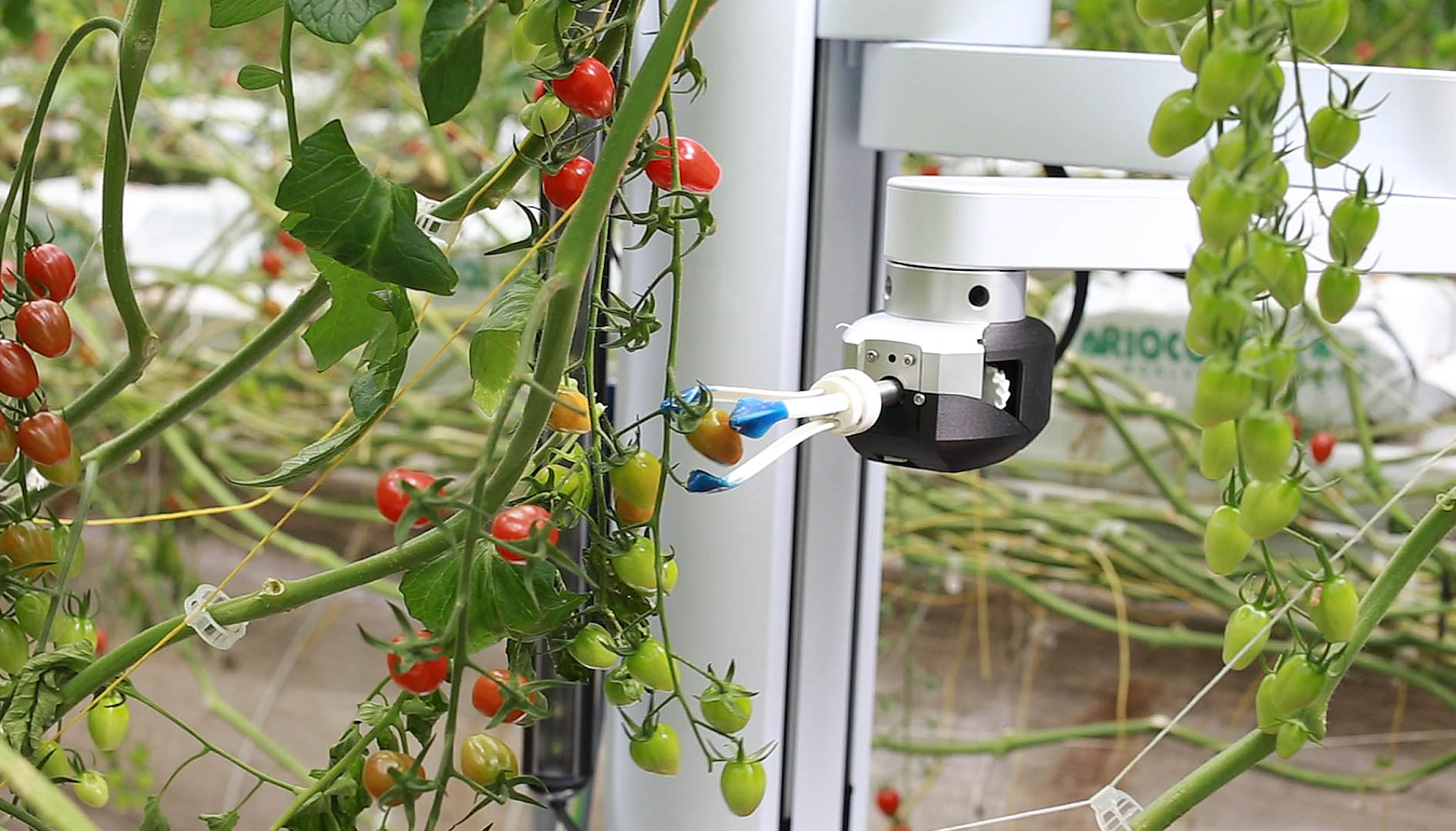
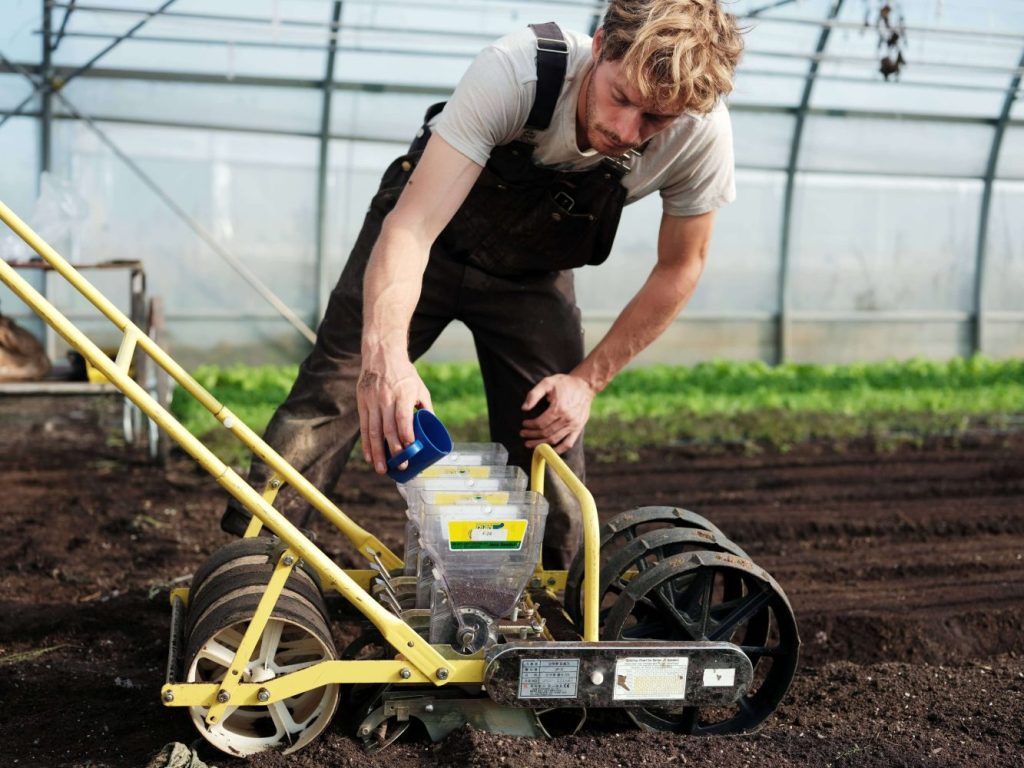
Robots in herb farming are in early stages, but have enormous potential. Robotic harvesting systems automate the labor-intensive process of picking herbs, reducing costs and improving efficiency. Weeding robots identify and remove weeds, minimizing manual labor and herbicide use. Automated transplanting machines quickly and accurately transplant seedlings, accelerating planting.
Developing robots that can handle delicate herbs without damage is a challenge. Herbs are often fragile and irregularly shaped, making them difficult for robots to grasp and harvest without bruising or crushing. Computer vision and advanced grasping technologies are needed to overcome this. Current systems struggle to differentiate mature herbs from surrounding foliage.
SunTrap Herbal Farm, shown on YouTube, demonstrates the development and implementation of these technologies. Fully automated harvesting is a work in progress, but robotic assistance is used for tasks like pruning and thinning. The key is balancing automation and human oversight.
Robotic harvesting limitations are primarily cost and complexity. The initial investment in robotic systems can be substantial, and ongoing maintenance costs can be significant. Robots may not adapt as well as human workers to unexpected challenges, such as variations in plant growth or unforeseen obstacles. This is an area of active research and development, with expected improvements.
Pest & Disease Prediction with Machine Learning
Machine learning algorithms are effective at predicting pest outbreaks and disease spread in herb farms. By analyzing historical data, weather patterns, and sensor readings, these algorithms identify conditions conducive to pest and disease development. This allows growers to implement preventative measures before problems become widespread.
undefined. Cameras mounted on drones or ground-based robots can capture high-resolution images of plants, which are then analyzed by AI algorithms to identify subtle signs of disease that might be missed by the human eye. Early detection is critical for controlling disease outbreaks and minimizing yield losses. The FDA emphasizes the importance of proactive food safety programs, and AI-powered disease prediction aligns with this approach.
The success of these systems depends heavily on the quality and quantity of data used to train the machine learning models. The more data available, the more accurate the predictions will be. This requires a long-term commitment to data collection and analysis. Accurate records of past pest and disease outbreaks, along with detailed environmental data, are essential.
Reducing pesticide use is a major benefit of AI-powered pest and disease management. By predicting outbreaks and implementing preventative measures, growers can minimize the need for reactive pesticide applications. This not only reduces environmental impact but also lowers costs and improves the quality of the herbs.
Supply Chain Optimization & Traceability
AI and blockchain technology are converging to revolutionize supply chain management for herbs. Traditionally, tracking herbs from seed to sale has been a complex and opaque process. AI-powered systems can track every stage of the supply chain, from planting and harvesting to processing, packaging, and distribution. Blockchain technology provides a secure and transparent record of this information, ensuring traceability and accountability.
This level of traceability benefits both producers and consumers. Producers can quickly identify the source of any quality issues, allowing them to take corrective action and prevent further problems. Consumers can verify the authenticity and origin of the herbs they are purchasing, increasing trust and confidence. This is particularly important for medicinal herbs, where quality and purity are paramount.
The increasing consumer demand for transparency is driving the adoption of these technologies. Consumers want to know where their food comes from, how it was grown, and whether it meets certain quality standards. AI and blockchain can provide the answers to these questions, building trust and loyalty.
Furthermore, AI can optimize logistics and reduce food waste. By predicting demand and optimizing transportation routes, AI can minimize delays and ensure that herbs reach consumers in a timely manner. This reduces spoilage and lowers costs.
Cost Analysis & ROI in 2026
Implementing AI-powered herb farming technologies requires a significant initial investment. The cost will vary depending on the size of the farm, the specific technologies adopted, and the level of automation desired. Smaller farms might start with sensor networks and data analytics software, while larger farms might invest in robotic harvesting systems and fully automated irrigation systems.
Ongoing maintenance costs are also a factor. Sensors require regular calibration and replacement, and robots require maintenance and repair. Data analytics software requires ongoing subscription fees and potentially the cost of data storage and processing. It’s important to factor in the cost of training personnel to operate and maintain these systems.
The potential return on investment (ROI) can be substantial. Increased yields, reduced labor costs, lower water and fertilizer consumption, and improved product quality can all contribute to higher profitability. The ROI will vary depending on the specific herbs being grown, the local market conditions, and the efficiency of the implementation.
Estimating a precise ROI is challenging, but a well-implemented AI system could potentially increase yields by 10-20%, reduce labor costs by 20-30%, and lower water and fertilizer consumption by 15-25%. These are approximate ranges, and the actual results will depend on a variety of factors. A thorough cost-benefit analysis is essential before making any investment.
Future Trends & Emerging Technologies
Looking ahead 5-10 years, we can expect to see even more sophisticated AI applications in herb farming. Computer vision will play an increasingly important role in quality grading, automatically assessing the size, shape, color, and overall appearance of herbs. AI-powered breeding programs will accelerate the development of new herb varieties with improved traits, such as higher yields, greater disease resistance, and enhanced flavor profiles.
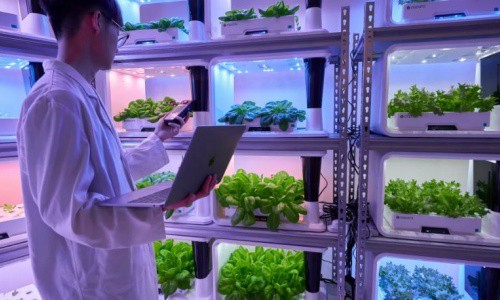
The integration of AI with vertical farming systems holds immense promise. Vertical farms offer a controlled environment for growing herbs, maximizing space utilization and minimizing environmental impact. AI can optimize lighting, temperature, humidity, and nutrient delivery in vertical farms, creating ideal growing conditions.
While the future looks promising, there are still challenges to overcome. Data privacy and security are concerns, as is the potential for job displacement due to automation. Ensuring that AI technologies are accessible to small and medium-sized farms will also be crucial. Continued research and development, coupled with thoughtful policy decisions, will be essential for realizing the full potential of AI-powered herb farming.
No comments yet. Be the first to share your thoughts!