
The reality of the 2026 herb market
The herb market is getting crowded. By 2026, you won't win just by having fresh basil. People want to know exactly where their food comes from and they're willing to pay for medicinal varieties they can't find at a standard grocery store. It is a tough business to break into, but the demand for high-quality, local plants is real.
The biggest challenges facing new herb businesses include initial startup costs, navigating complex regulations, and establishing reliable sales channels. Competition from large-scale agricultural operations and imported herbs is also significant. It's easy to underestimate the labor involved in herb cultivation, harvesting, and processing. Expect long hours, particularly during peak season.
We’re seeing a clear trend toward local sourcing and sustainable agriculture. Consumers are willing to pay a premium for herbs grown using organic or regenerative practices. This presents a significant advantage for small-scale herb farms that can emphasize quality and environmental responsibility. The craft herb market – think unique varieties for cocktails, teas, or artisanal products – is also expanding.
Don't begin with the expectation of overnight success. Building a profitable herb business requires dedication, market research, and a willingness to adapt. It demands more than just a love of plants; it requires business acumen. I've seen too many aspiring herb farmers fail because they lacked a solid business plan.
What to grow for actual profit
Moving beyond the standard basil and mint is essential for maximizing profitability. While those herbs have consistent demand, the market is also saturated. Shiso, a Japanese herb with a unique flavor profile, is gaining traction with chefs and mixologists. Lemon verbena, with its intense citrus aroma, is another promising culinary option. Both offer higher price points than more common herbs.
On the medicinal side, echinacea remains a strong performer, driven by its immune-boosting properties. Ashwagandha, an adaptogenic herb used in Ayurvedic medicine, is experiencing rapid growth in popularity, but requires careful sourcing and quality control. Consider researching less common medicinal herbs with established traditional uses, but be mindful of potential regulatory restrictions.
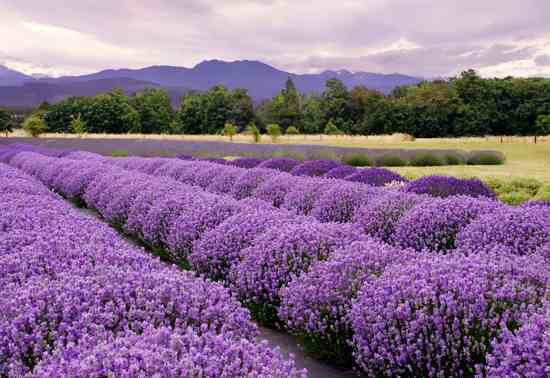
For specialty markets, consider herbs used for natural dyes – woad, weld, and madder – catering to the growing interest in natural textiles and crafts. Herbs with strong fragrance profiles, like lavender (despite my reservations about saturation, specific varieties can still find a niche) and rosemary, can be sold for aromatherapy or incorporated into bath and body products.
I'd stay away from chamomile. It's too easy to grow, which means the price is usually bottomed out. Peppermint is another trap; it grows like a weed and will take over your entire plot if you aren't careful. I prefer focusing on herbs that require a bit more skill to cultivate. That difficulty acts as a barrier to entry for lazy competitors.
- Culinary herbs like shiso, lemon verbena, and Thai basil fetch higher prices than standard cilantro.
- Medicinal options including echinacea, ashwagandha, and calendula are in high demand, though you have to be careful with health claims.
- Specialty Herbs: Woad (dye), Weld (dye), Rosemary (fragrance/aromatherapy), Lemon Balm (tea)
Herb Business Viability Assessment - 2026 Projections
| Herb Species | Market Demand | Growth Difficulty | Initial Investment | Potential Profit Margin |
|---|---|---|---|---|
| Basil | High | Easy | Low | Medium |
| Mint | Medium | Easy | Low | Medium |
| Lavender | Medium | Moderate | Medium | High |
| Chamomile | Medium | Moderate | Medium | Medium |
| Echinacea | Medium | Moderate | Medium | Medium |
| Ashwagandha | Medium | Moderate | Medium | High |
| Shiso | Low | Moderate | Medium | Medium |
| Lemon Verbena | Low | Moderate | Medium | Medium |
| Calendula | Medium | Easy | Low | Medium |
| Rosemary | Medium | Moderate | Low | Medium |
Illustrative comparison based on the article research brief. Verify current pricing, limits, and product details in the official docs before relying on it.
Land & Growing Methods
You don't need a large landholding to start a profitable herb business. Even a well-managed quarter-acre can be sufficient for initial production. However, a detailed plan is critical. Consider the specific needs of the herbs you intend to grow – sunlight requirements, soil type, and drainage. Soil testing is non-negotiable; understand your soil’s pH and nutrient levels before planting.
Several growing methods are available. Field cultivation is the most traditional, but it’s susceptible to weather fluctuations and pest/disease pressure. Raised beds offer better drainage and soil control. Hydroponics can maximize yields in a small space, but it requires a significant upfront investment and technical expertise. Greenhouses provide climate control and extend the growing season, but again, they are expensive.
I strongly recommend exploring organic certification, even if it’s not immediately feasible. Consumers are increasingly seeking organically grown herbs. The certification process can be time-consuming and costly, but it can also command a premium price. Consider starting with a smaller certified plot and expanding as demand grows. Proper irrigation is also key; drip irrigation is the most efficient method.
Pest and disease management should prioritize preventative measures. Companion planting, crop rotation, and beneficial insects can all help minimize problems. Avoid synthetic pesticides and herbicides. Remember that consistent monitoring is essential for early detection of issues.
Legal and regulatory hurdles
Regulations governing herb businesses vary significantly by location. Ignoring these can lead to hefty fines or even business closure. You’ll likely need a business license and potentially a zoning permit to operate an agricultural business on your property. Check with your local county or city government for specific requirements.
If you intend to sell herbs for medicinal purposes, you’ll face additional scrutiny. Regulations regarding the sale of herbal remedies are often stricter than those for culinary herbs. Be prepared to comply with Good Manufacturing Practices (GMP) and potential labeling requirements. It’s wise to consult with an attorney specializing in agricultural law.
Food safety regulations also apply, even to herbs sold as culinary ingredients. You may need to obtain a food handler’s permit and comply with guidelines for safe harvesting, processing, and storage. Liability insurance is crucial to protect your business from potential lawsuits.
Resources like the USDA and your state’s Department of Agriculture can provide valuable information. Don’t rely on word-of-mouth; verify all requirements directly with the relevant authorities. It's a tedious process, but it's a necessary one.
Harvesting, Processing & Storage
Proper harvesting is critical for maximizing the quality and shelf life of your herbs. The timing of harvest depends on the specific herb and its intended use. Generally, herbs should be harvested before they flower, when their essential oil content is highest. Use sharp, clean tools to avoid damaging the plants.
Drying is the most common method of preserving herbs. Air drying is the simplest, but it can be slow and requires good ventilation. Dehydrators offer more control over temperature and humidity, resulting in a higher-quality product. Freezing is a good option for herbs with high moisture content, like basil.
Packaging should protect the herbs from light, air, and moisture. Glass jars are ideal for long-term storage, but they can be expensive. Resealable plastic bags are a more affordable option, but they’re less effective at preserving freshness. Label all packages with the herb name, harvest date, and net weight.
I've found that investing in a commercial-grade dehydrator significantly improves the quality and consistency of my dried herbs. A vacuum sealer can also extend shelf life. Proper storage is essential for maintaining potency and flavor.
Finding your customers
Choosing the right sales channels is crucial for success. Farmers markets are a great way to connect directly with customers and build brand awareness. Direct-to-consumer sales, through an online store or Community Supported Agriculture (CSA) program, offer higher profit margins but require more marketing effort.
Wholesale to restaurants and health food stores can provide a steady stream of revenue, but you’ll need to negotiate prices and meet their quality standards. Building relationships with local chefs and herbalists is essential. Consider offering custom herb blends or growing specific varieties to meet their needs.
Partnerships with herbalists and apothecaries can open up new markets for medicinal herbs. However, be prepared to provide detailed information about your growing practices and quality control measures. Online marketplaces, like Etsy, can also be a viable option, but competition is fierce.
I recommend starting small and experimenting with different sales channels. Don’t put all your eggs in one basket. Focus on building relationships with local businesses and customers. Word-of-mouth marketing is incredibly powerful in the herb industry.
Potential Customer Segments
- Restaurants - Chefs increasingly prioritize fresh, locally-sourced ingredients, creating demand for culinary herbs like basil, thyme, rosemary, and mint.
- Health Food Stores - Retailers such as Whole Foods Market and Sprouts Farmers Market seek suppliers of organic and sustainably grown herbs for bulk herb sections and pre-packaged offerings.
- Herbalists & Apothecaries - Practitioners utilizing herbs for medicinal purposes require consistent supplies of specific species, often prioritizing quality and unique cultivars.
- Farmers Market Shoppers - Direct-to-consumer sales at farmers markets provide a venue for building relationships and selling a diverse range of fresh-cut herbs.
- CSA (Community Supported Agriculture) Programs - Partnering with existing CSAs allows for distribution of herbs alongside produce, reaching a dedicated customer base.
- Local Florists - Certain herbs, like chamomile and lavender, are utilized in floral arrangements, creating a niche market opportunity.
- Specialty Food Producers - Companies producing items like herbal teas, vinegars, or infused oils require bulk herb ingredients.
Marketing Your Herb Business
A strong marketing strategy is essential for standing out in a crowded market. Branding is key – develop a unique logo and visual identity that reflects your values and quality. A professional-looking website is crucial for establishing credibility and providing information to potential customers.
Instagram is where I find most of my high-end restaurant clients. I post raw videos of the harvest and close-ups of the leaf quality. Don't just post pretty pictures; show the dirt and the hard work. People buy from farmers they actually recognize.
Content creation – blog posts, articles, recipes – can attract customers and establish you as an expert in the field. Focus on providing valuable information about the benefits of herbs and how to use them. Consider offering workshops or farm tours to build community and attract customers.
Highlight the sustainability and quality of your herbs. Consumers are increasingly interested in knowing where their food comes from and how it’s grown. Tell your story and emphasize your commitment to environmentally friendly practices. Don’t underestimate the power of local events and collaborations.

No comments yet. Be the first to share your thoughts!