
Get profitable herbs to grow right
Before planting your first seed, verify that your operation can support a cash crop. Growing herbs for profit demands a clear path from soil to sale, not just a green thumb. Skipping prerequisites often leads to wasted space, poor yields, or crops that rot before reaching a buyer.
Start by identifying your market. Are you selling fresh bunches to local restaurants, live plants to gardeners, or dried herbs to crafters? Your choice dictates everything from soil composition to harvest timing. For instance, saffron crocus offers high margins but requires intense labor, while basil is easier to scale but competes on volume. Define your customer first, then select the herb that fits their demand.
Next, assess your growing environment. Herbs have specific light, drainage, and climate needs that must match your available space. If you are starting indoors, ensure you have adequate grow lights and ventilation. If you are using outdoor beds, test your soil pH and drainage capacity. Many beginners overlook soil preparation, only to find their herbs struggling with root rot or nutrient deficiencies.
Finally, establish your sales channels before the first harvest. A crop is only profitable if it sells. Set up relationships with local grocers, farmers markets, or online platforms early. Knowing your buyer’s requirements for packaging, freshness, and delivery volume will help you plan your harvest schedule and avoid post-harvest losses.
Plan your commercial herb business
Turning a hobby into a commercial herb business requires shifting from casual gardening to systematic production. You are no longer growing for your own kitchen; you are growing for buyers who need consistency, volume, and reliability. This section walks through the essential steps to validate your crop choices, set up your growing system, and prepare for harvest.
Validate high-demand crops
Not all herbs offer the same profit margins. While basil and cilantro are staples, they often face intense market saturation and short shelf lives. Consider niche crops that command higher prices or have longer storage potential. Elephant garlic, for instance, is gaining traction among small-acreage growers due to its unique flavor profile and storage capabilities. Saffron, though labor-intensive, remains one of the most profitable crops if you can secure the labor for hand-harvesting. Research local restaurants and farmers' markets to identify gaps in supply rather than guessing what might sell.
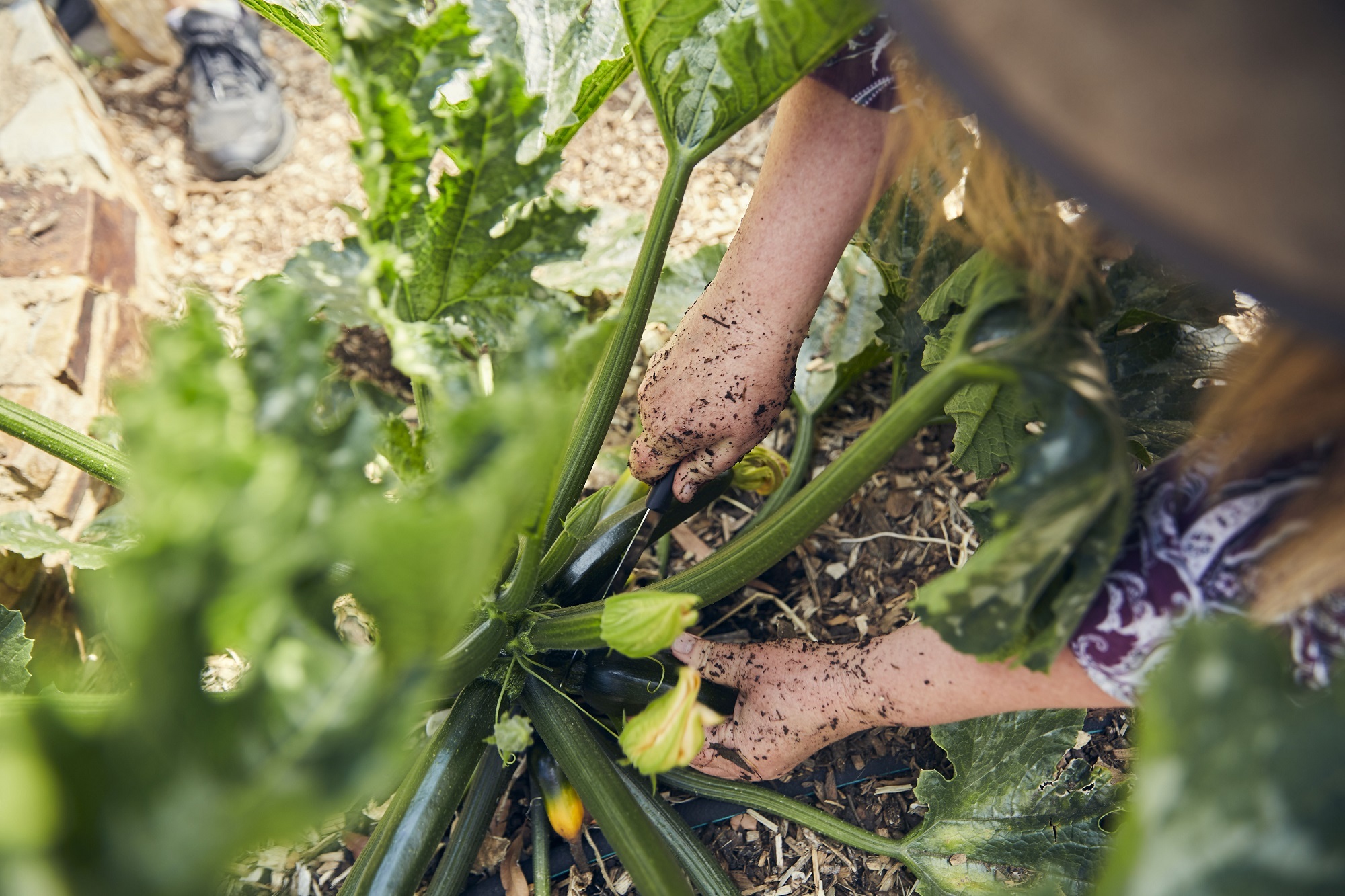
Start by identifying who will buy your herbs. Visit local farmers' markets, speak to chefs, and check wholesale distributors. Note which herbs are consistently out of stock or priced at a premium. This data will dictate your initial planting schedule and crop selection.
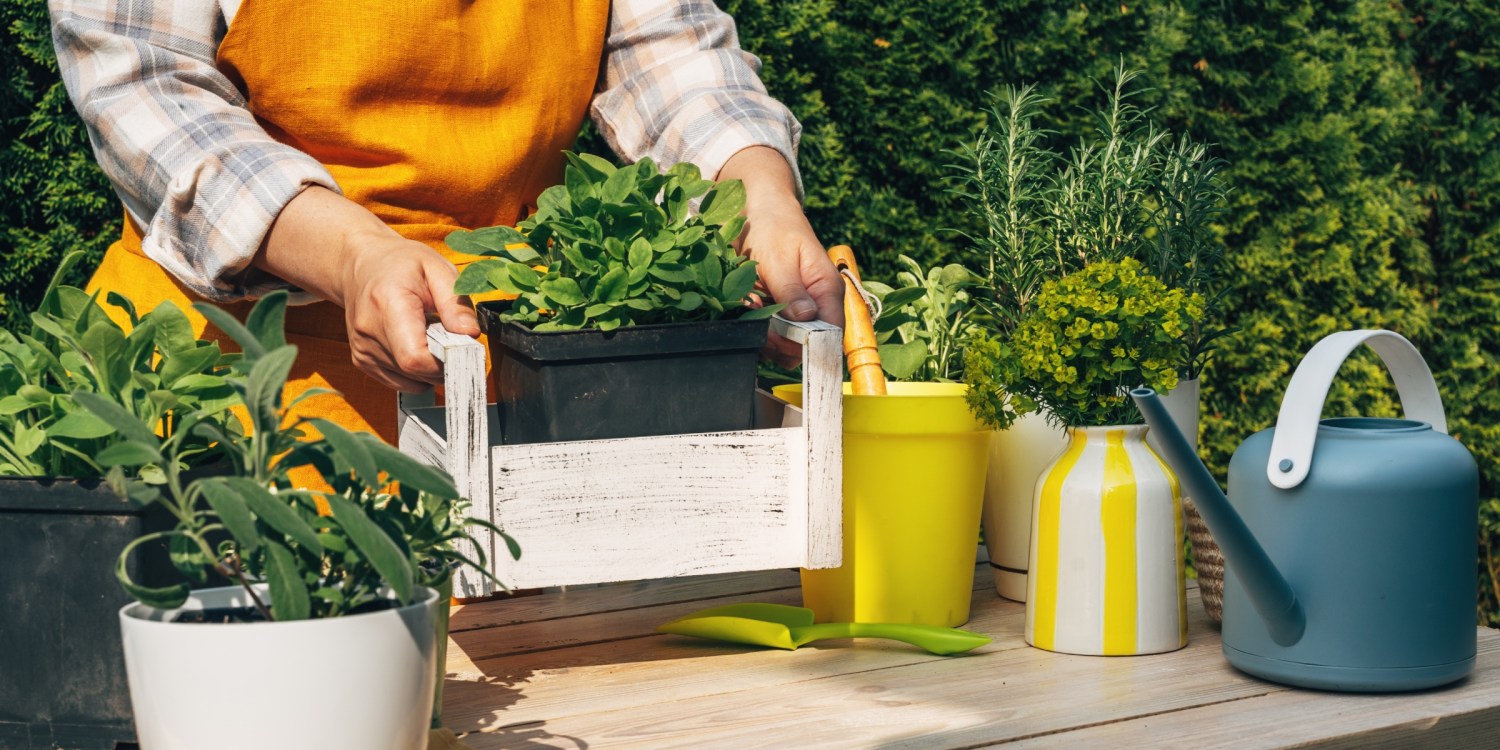
Choose varieties based on your research. If chefs want unique flavors, look into specialty basil or heirloom mint. If you target retail, focus on robust herbs like rosemary or thyme that survive transport better. Balance your portfolio with a few high-volume staples and several high-margin niche items.
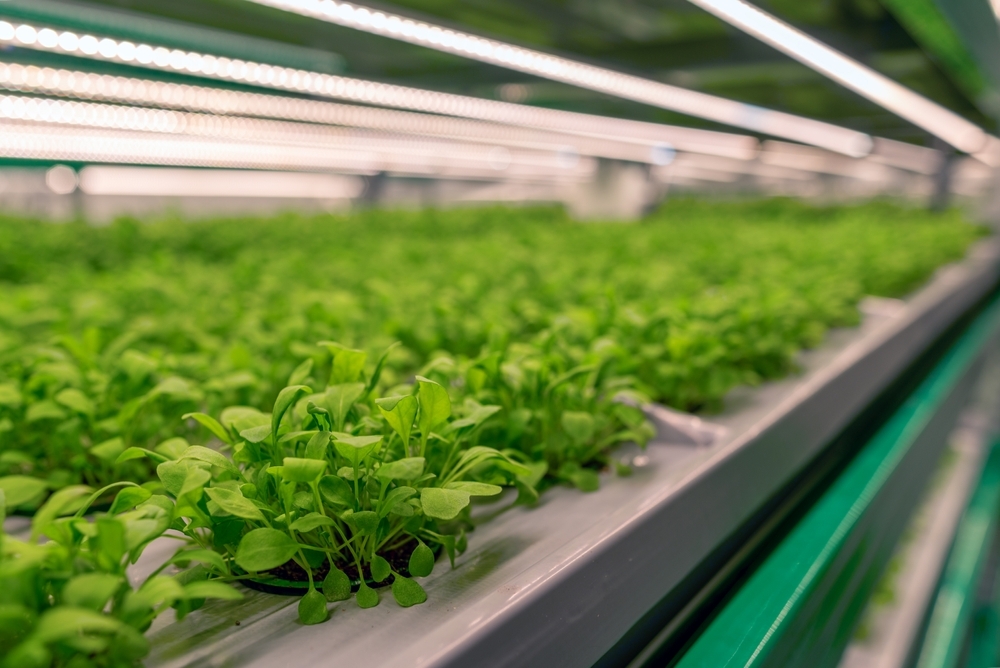
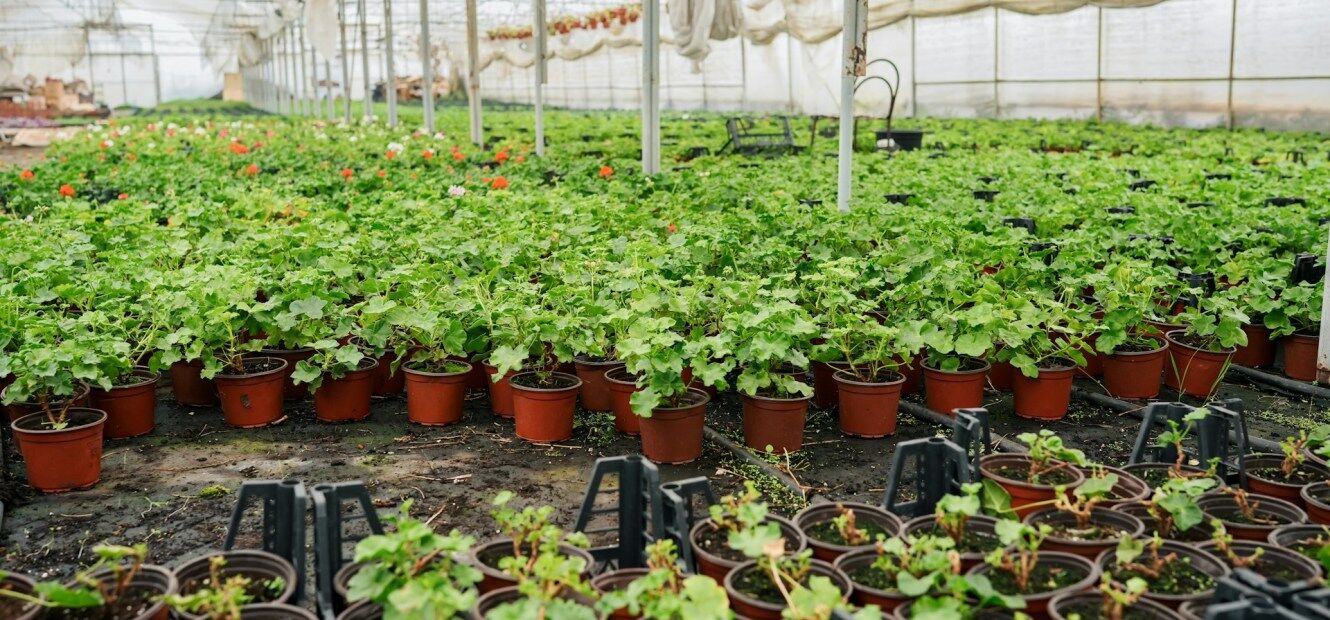
Decide between greenhouse, field, or hydroponic production. Greenhouses offer year-round consistency but require significant capital. Field production is cheaper but vulnerable to weather. Hydroponics maximizes yield per square foot but demands technical expertise. Align your choice with your budget and climate.
Define what "quality" means for your buyers. Chefs care about leaf size, color, and aroma intensity. Retailers care about shelf life and packaging appeal. Document these standards and train your team to meet them. Consistency is the key to retaining commercial clients.
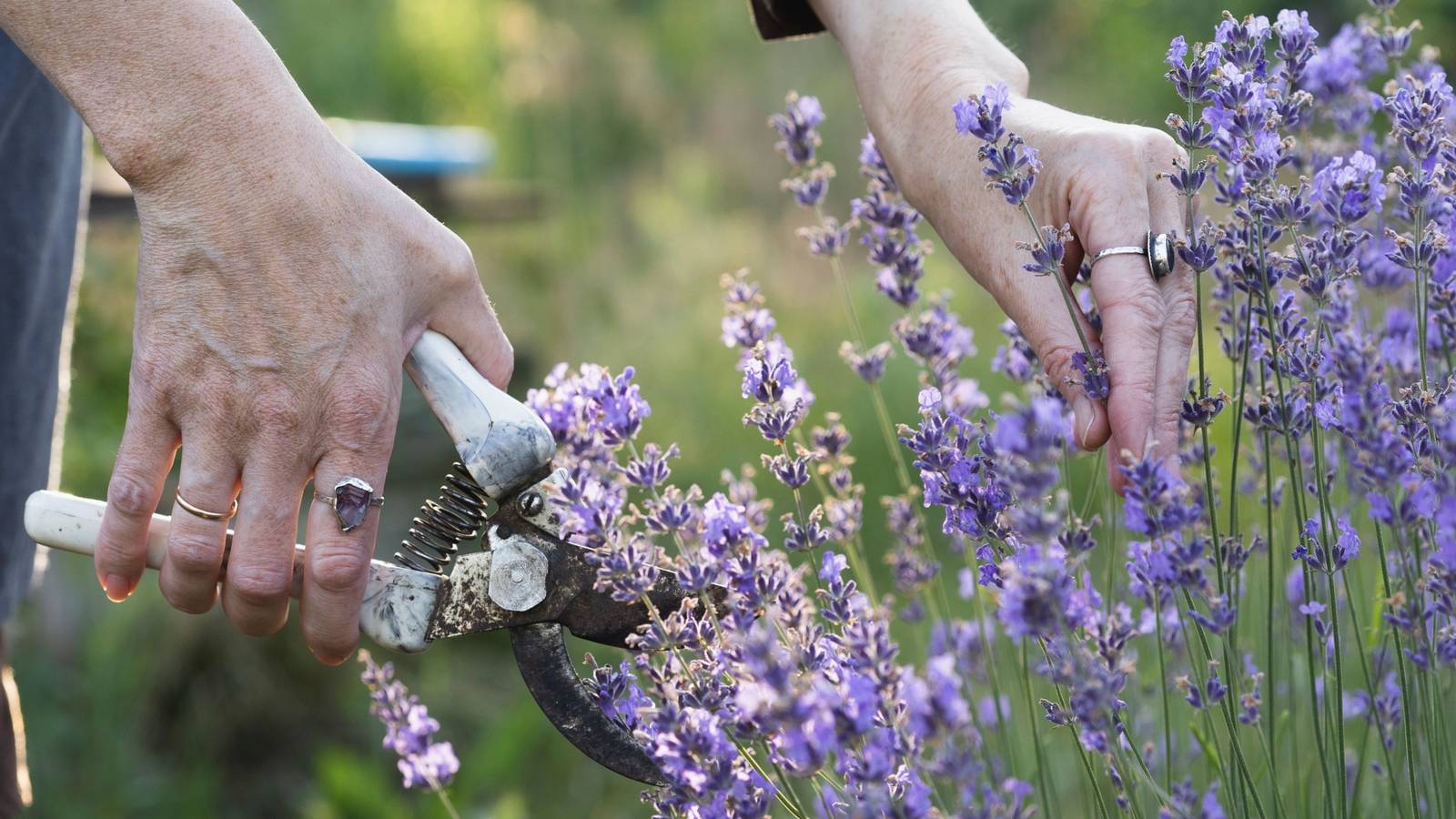
Harvest timing affects both yield and quality. Some herbs are best cut in the early morning when essential oil content is highest. Plan for immediate cooling and proper packaging to extend shelf life. Invest in cold storage if you plan to supply restaurants that require next-day delivery.
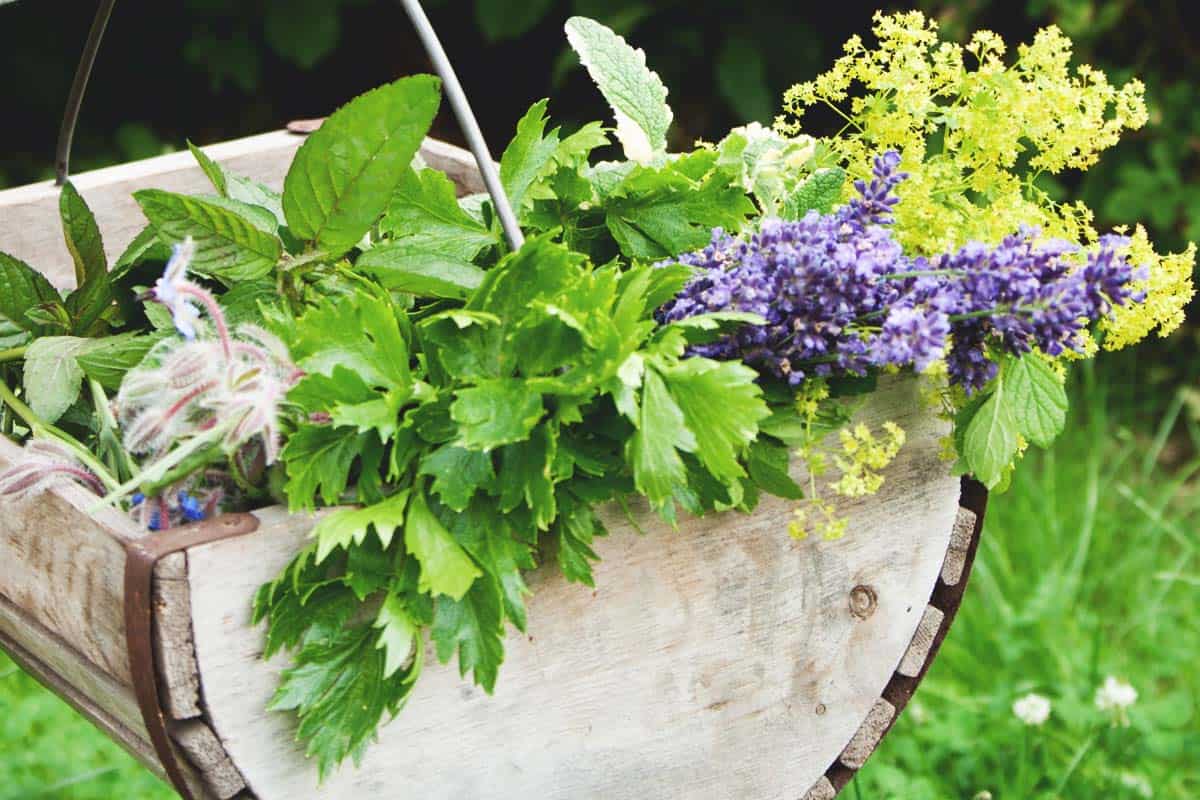
Don't wait until harvest to find buyers. Secure pre-orders or contracts with restaurants, grocery stores, or CSAs before you plant. This reduces risk and ensures your produce has a destination. Diversify your channels to avoid relying on a single buyer.
Common mistakes to avoid
New commercial growers often overestimate demand or underestimate labor. Planting too much of a single crop can lead to glutted markets and plummeting prices. Additionally, neglecting post-harvest handling can ruin even the best produce. Herbs wilt quickly if not cooled properly. Always prioritize quality control and reliable supply chains over sheer volume.
Common Mistakes That Kill Herb Profitability
Starting a commercial herb business requires more than just planting seeds. Many growers lose money because they treat herbs like ornamental plants rather than a cash crop. The difference lies in precision, timing, and market alignment. Below are the most frequent errors that prevent profitability and how to avoid them.
Choosing the Wrong Market Fit
One of the biggest mistakes is growing herbs without a confirmed buyer. Selling "whatever looks good" leads to waste and low margins. Instead, talk to chefs, farmers' market regulars, or local herbalists before you plant. If a restaurant demands specific basil varieties or a cosmetic brand needs high-oil lavender, plant those. Generic bulk herbs often compete on price, which is a race to the bottom.
Ignoring Post-Harvest Handling
Harvesting is only half the battle. Herbs wilt quickly, and poor handling destroys value. Fresh herbs sold at farmers' markets must look pristine. Dried herbs must retain color and scent. Skipping proper drying techniques or cold storage can turn a high-value crop into compost. Invest in simple drying racks, dehydrators, or cold storage units early. The cost is far less than the loss from spoiled inventory.
Overlooking Seasonal Timing
Herbs have specific growing windows. Planting too early or too late can result in poor yields or pest outbreaks. For example, basil is sensitive to cold, while rosemary thrives in warmer, drier conditions. Understanding your local climate and the specific needs of each herb ensures you harvest at peak potency and volume. Use season extenders like high tunnels or greenhouses to get an early start or extend the season, giving you a price advantage when supply is low.
Underestimating Labor Costs
Herbs are often labor-intensive. Hand-harvesting, cleaning, bundling, and packaging take time. Many new growers miscalculate these hours, leading to burnout or unprofitable margins. Track every minute spent on non-growing tasks. If hand-packing herbs takes too long, explore simple packaging solutions or automation. Understanding your true labor cost helps you price your products correctly and avoid working for free.
Profitable herbs to grow: what to check next
Before committing land or capital, address the practical hurdles of turning herbs into a reliable income stream. This section covers the most common objections growers face when starting a commercial herb business.
No comments yet. Be the first to share your thoughts!