
Pick the right herbs for your market
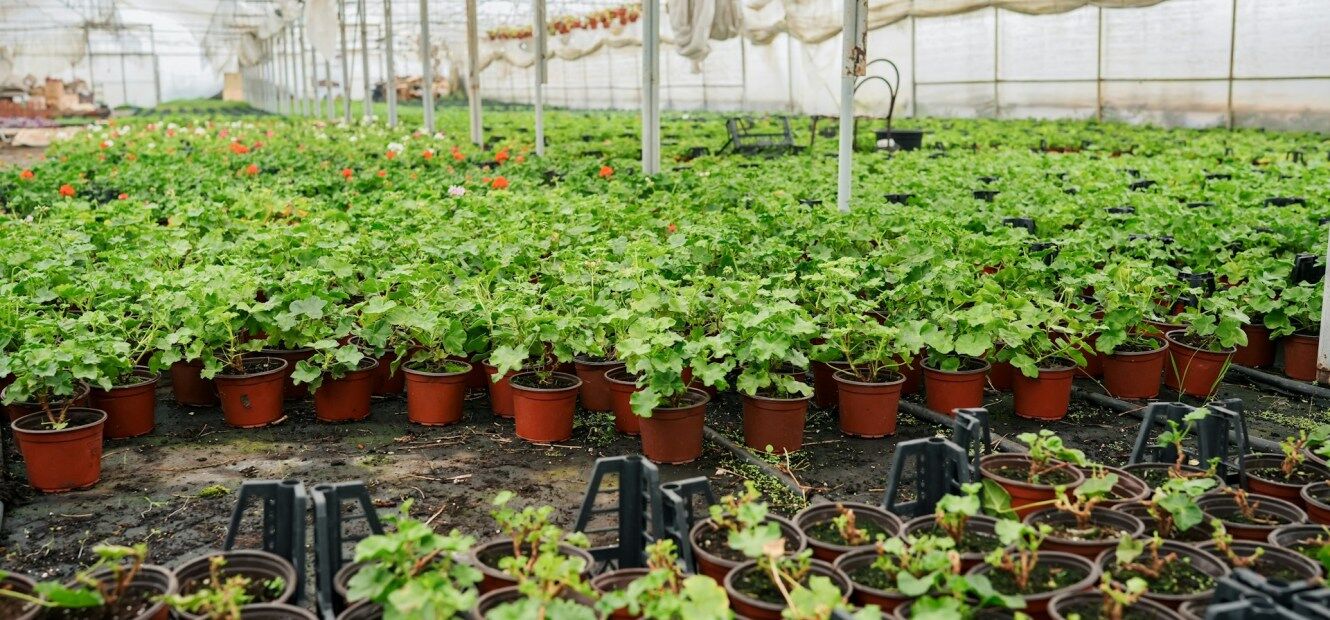
Choosing your primary crop is the first step toward a profitable herb business. Not all herbs offer the same return on investment, and matching your selection to local demand prevents wasted effort and unsold inventory. The most commercially viable options share three traits: high turnover, consistent restaurant demand, and relatively low space requirements.
The seven herbs below represent the strongest entry points for new farmers. They are selected based on their ability to generate steady revenue through both wholesale contracts and direct-to-consumer sales. Understanding their specific growth cycles and buyer preferences will help you structure your planting schedule for maximum efficiency.
Comparison of High-Value Herbs
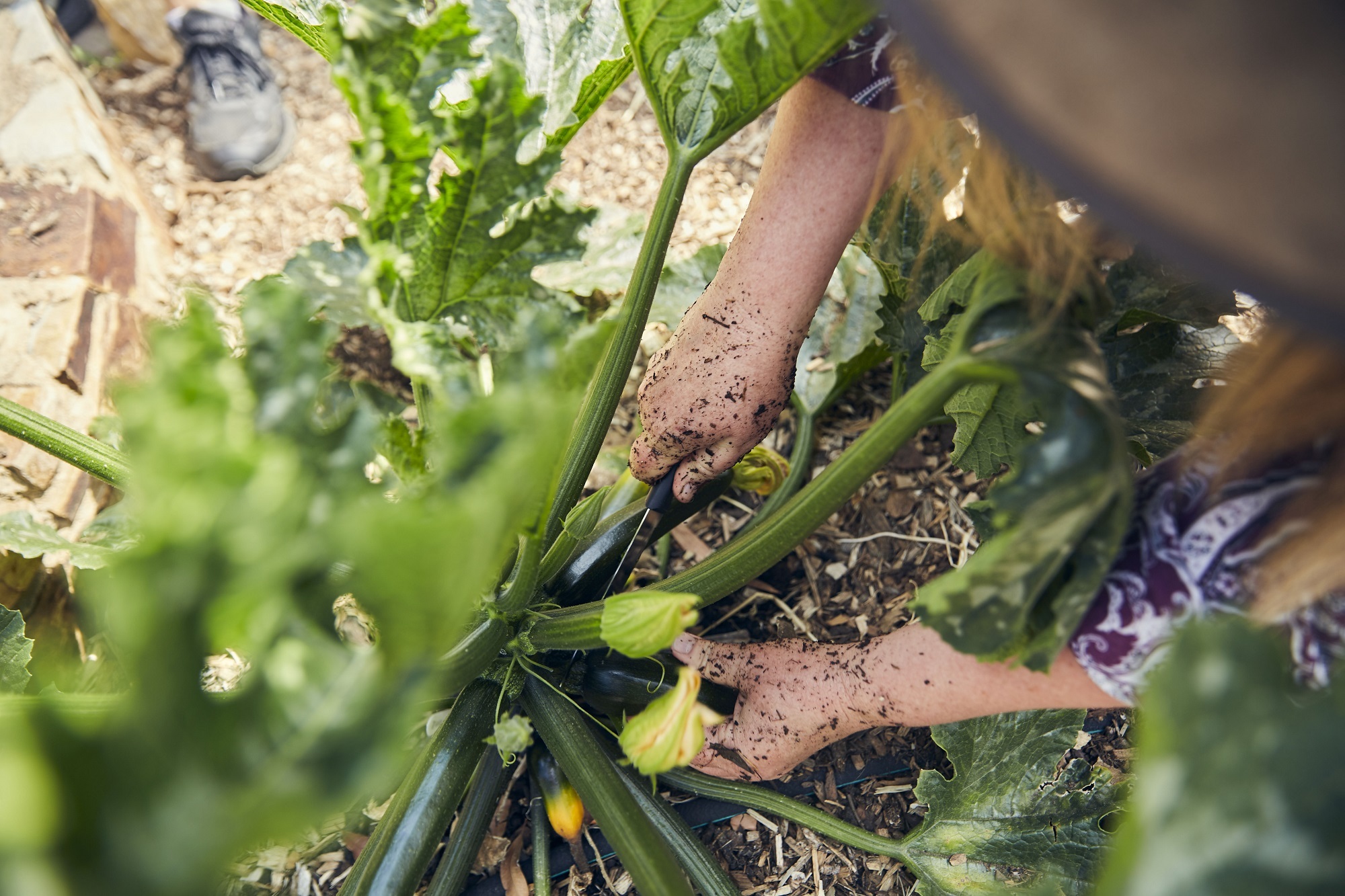
The table below outlines the practical differences between these seven crops. Use this data to decide which herbs fit your available land, water resources, and target customer base.
| Herb | Growth Cycle | Water Needs | Primary Buyer |
|---|---|---|---|
| Basil | Annual (4-8 weeks) | High | Restaurants, Markets |
| Chives | Perennial | Medium | Chefs, Markets |
| Oregano | Perennial | Low | Restaurants, Processors |
| Parsley | Biennial (grown as annual) | Medium | Restaurants, Markets |
| Rosemary | Perennial | Low | Retail, Restaurants |
| Dill | Annual (6-8 weeks) | Medium | Picklers, Markets |
| Coriander | Annual (6-8 weeks) | Medium | Restaurants, Markets |
Prepare soil and beds for commercial yield
Commercial herb farming demands more than loose dirt; it requires a structured growing medium that supports consistent root development and predictable harvests. Before planting, you need to establish a baseline for soil health and construct beds that facilitate drainage and airflow. This preparation phase separates hobby gardening from viable production.
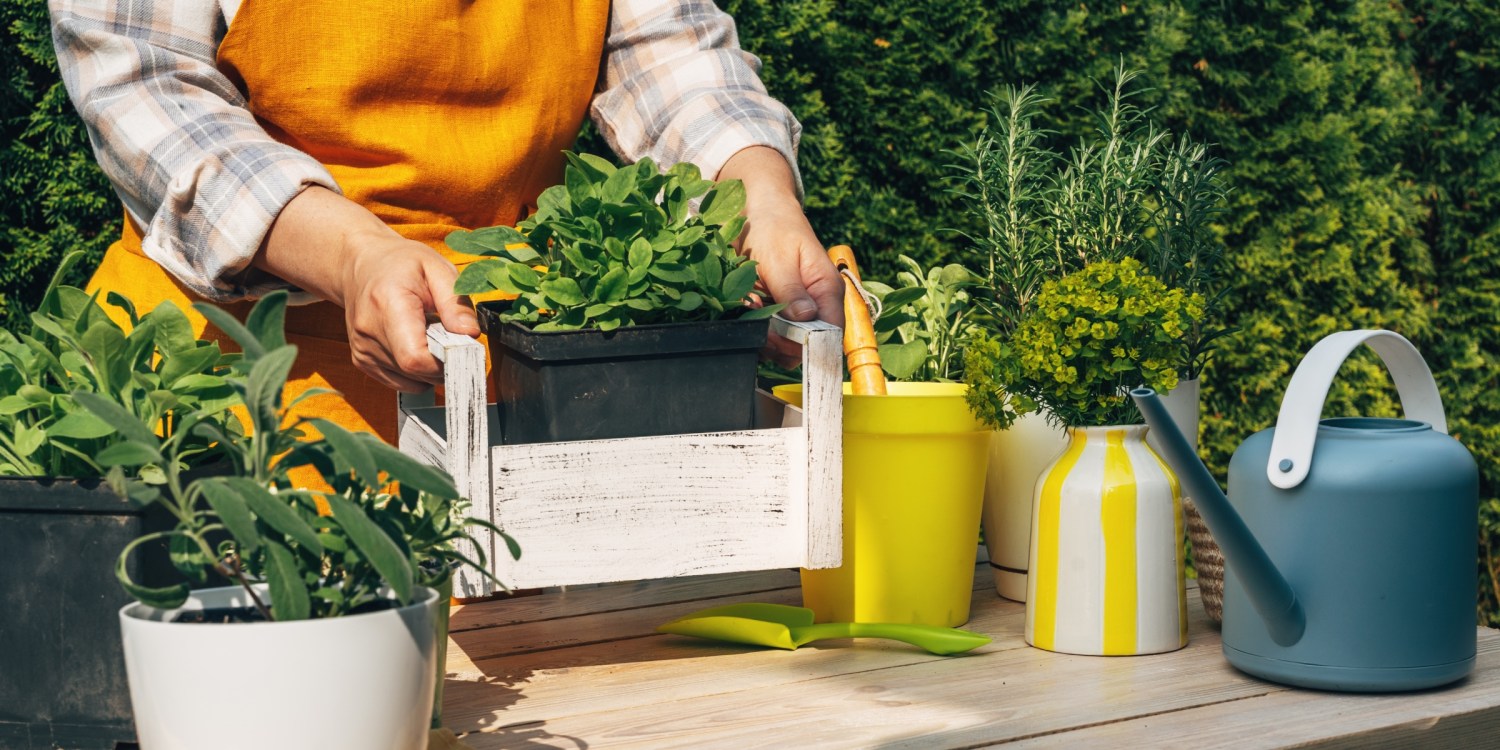
Send a sample to a local extension service or use a calibrated commercial meter. Most culinary herbs thrive in a pH range of 6.0 to 7.0. Adjust lime or sulfur now to correct deviations, as fixing pH after planting is difficult and often ineffective. Record your baseline nitrogen, phosphorus, and potassium levels to guide your initial amendment strategy.
Incorporate aged compost or well-rotted manure into the top six inches of soil. This improves structure and water retention without the risk of burning roots associated with fresh manure. If your test results indicate specific deficiencies, apply starter fertilizers at this stage. Avoid high-nitrogen blends, which can dilute the essential oils that give herbs their market value.
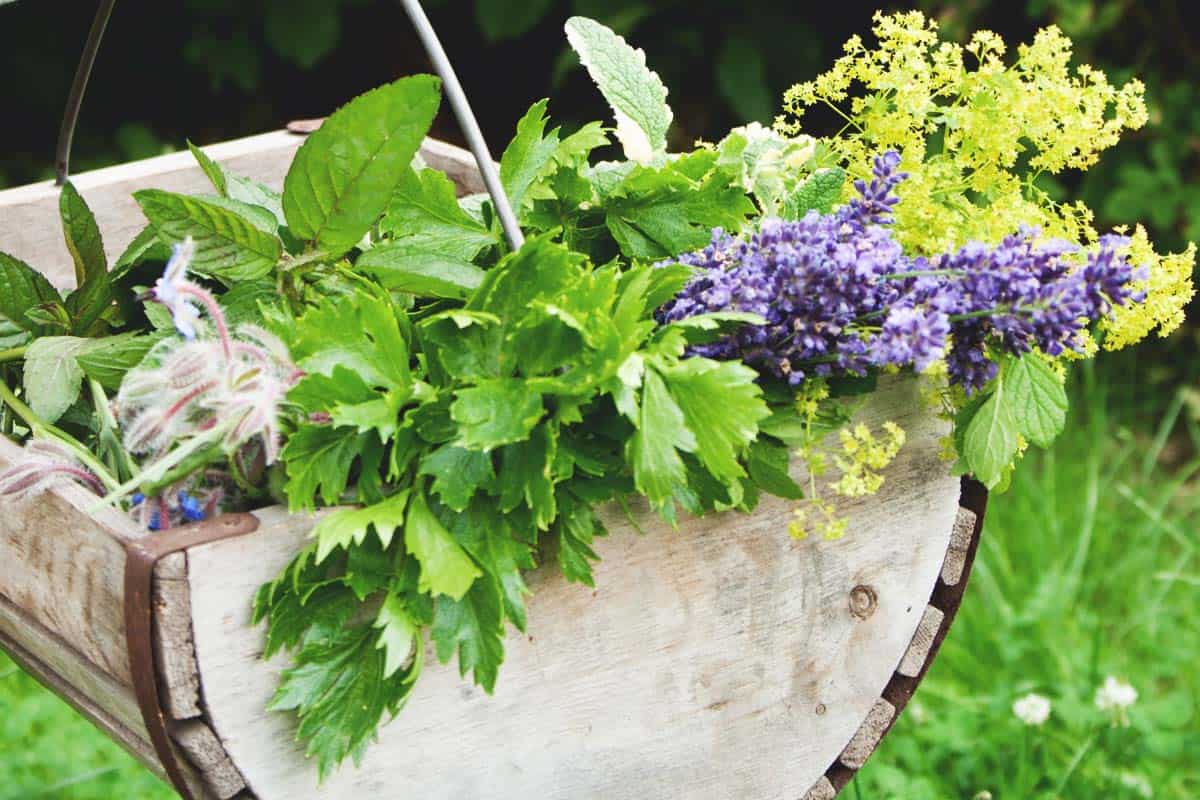
Use a rototiller or broadfork to aerate the soil to a depth of eight to ten inches. This step is critical for herbs with taproots, such as cilantro and dill, which will struggle in compacted ground. Ensure the soil is moist but not muddy when tilling to prevent clod formation. Break up any large clumps by hand or with a rake to create a fine, even seedbed.

Construct raised beds to 8-12 inches in height for optimal drainage, especially in areas with heavy clay or high rainfall. For herbs that prefer drier conditions like rosemary and oregano, higher beds (12-18 inches) are preferable. Mark your rows with string and stakes to ensure straight lines, which simplifies irrigation, weeding, and harvesting. Leave adequate spacing between beds for equipment access.
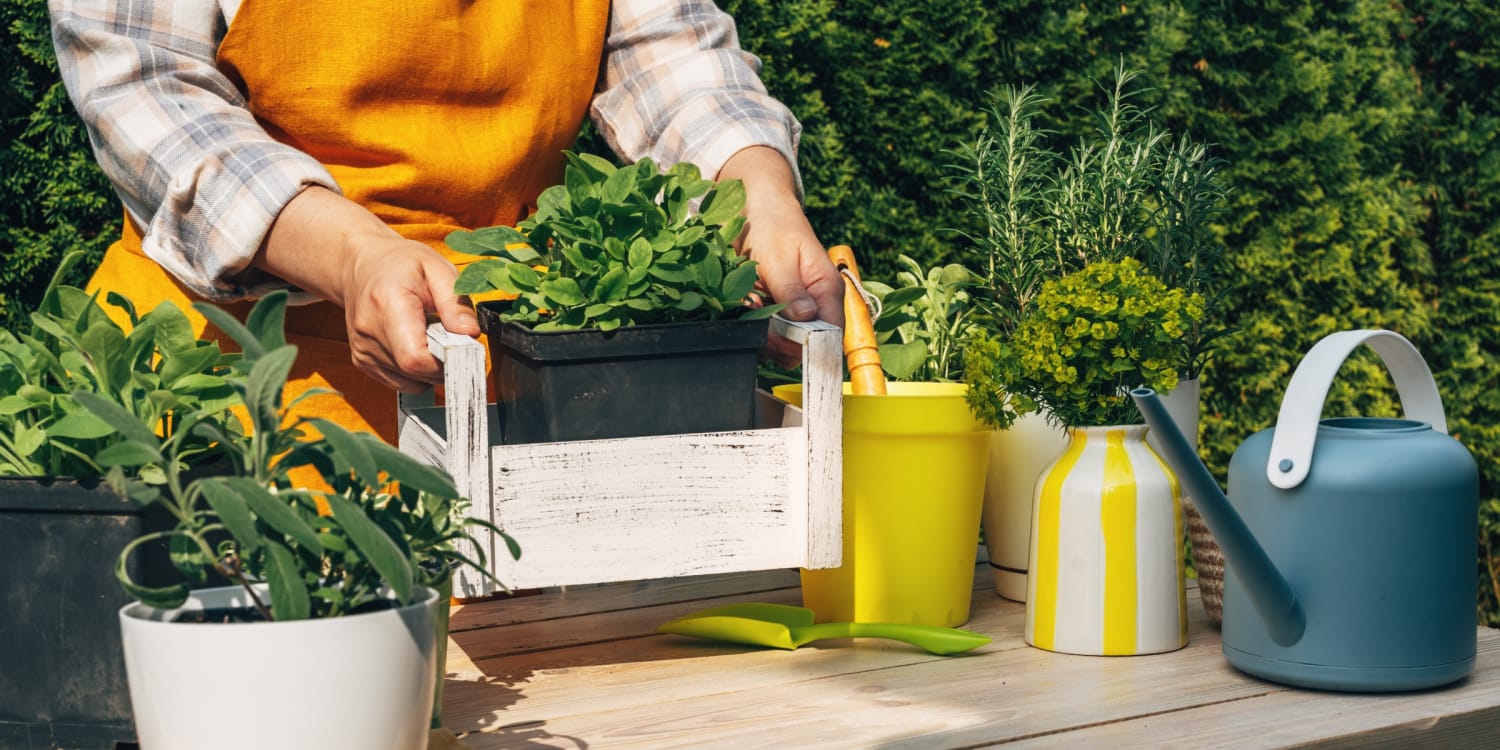
Lay drip tape or soaker hoses before planting. Drip irrigation is the standard for commercial herbs because it delivers water directly to the root zone, minimizing leaf wetness and reducing the risk of fungal diseases like powdery mildew. Test all connections for leaks and ensure uniform pressure across the entire bed before covering the lines with mulch.
Plant seeds and manage early growth
Establishing a strong root system is the first critical step in building a profitable herb business. The difference between a struggling crop and a high-yield harvest often comes down to precision during the seeding phase. Whether you are starting basil, rosemary, or cilantro indoors, the initial environment dictates the plant's resilience and market readiness.
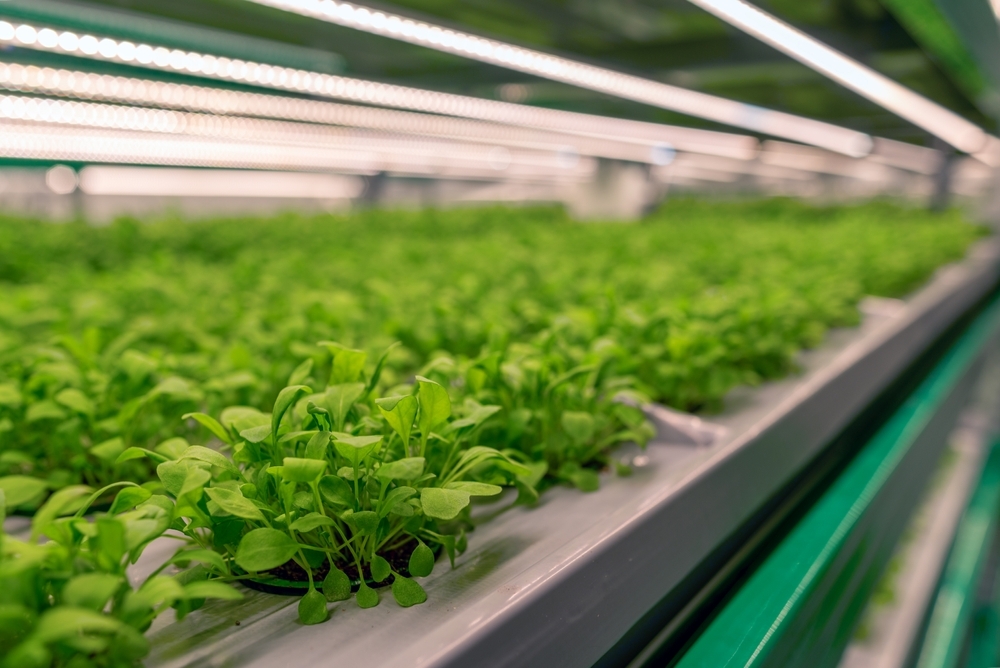
Most culinary herbs require shallow planting. Sow seeds at a depth roughly twice their diameter. Tiny seeds like cilantro and dill need only a light dusting of soil or vermiculite, as they require light to germinate. Larger seeds like basil and parsley should be pressed gently into the medium but not buried deeply. Incorrect depth is the most common cause of germination failure.

Crowded seedlings compete for light and nutrients, leading to weak, leggy stems that are prone to damping-off disease. Place seeds at least one inch apart in seed trays or cell packs. This spacing allows each plant to develop a robust root structure without competition. If you are direct-sowing, thin seedlings once they emerge to maintain this distance, ensuring each plant has enough room to reach its full market size.
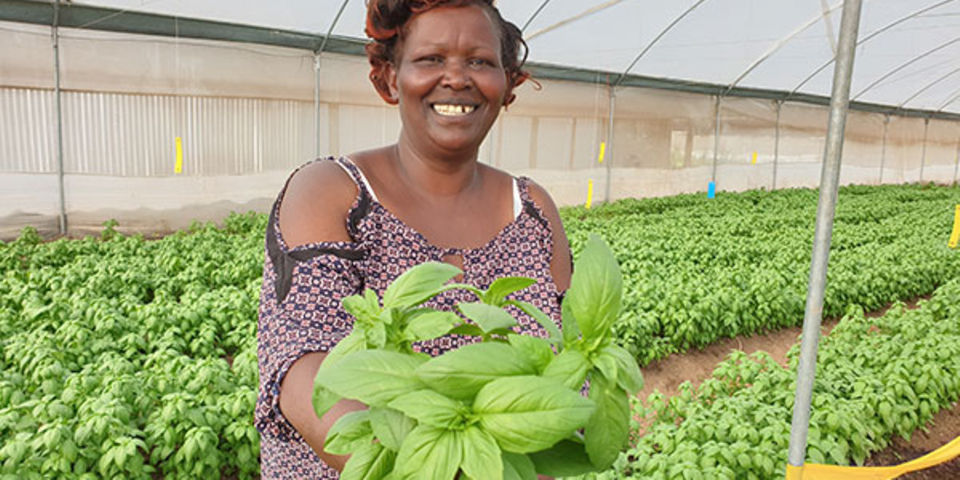
Herbs need a warm, moist environment to trigger germination. Keep the soil consistently damp but never waterlogged. Use a spray bottle to mist the surface initially to avoid displacing the seeds. Maintain soil temperatures between 65°F and 75°F (18°C–24°C) using a heat mat if necessary. Once sprouts appear, reduce watering frequency slightly to encourage roots to seek moisture deeper into the soil.
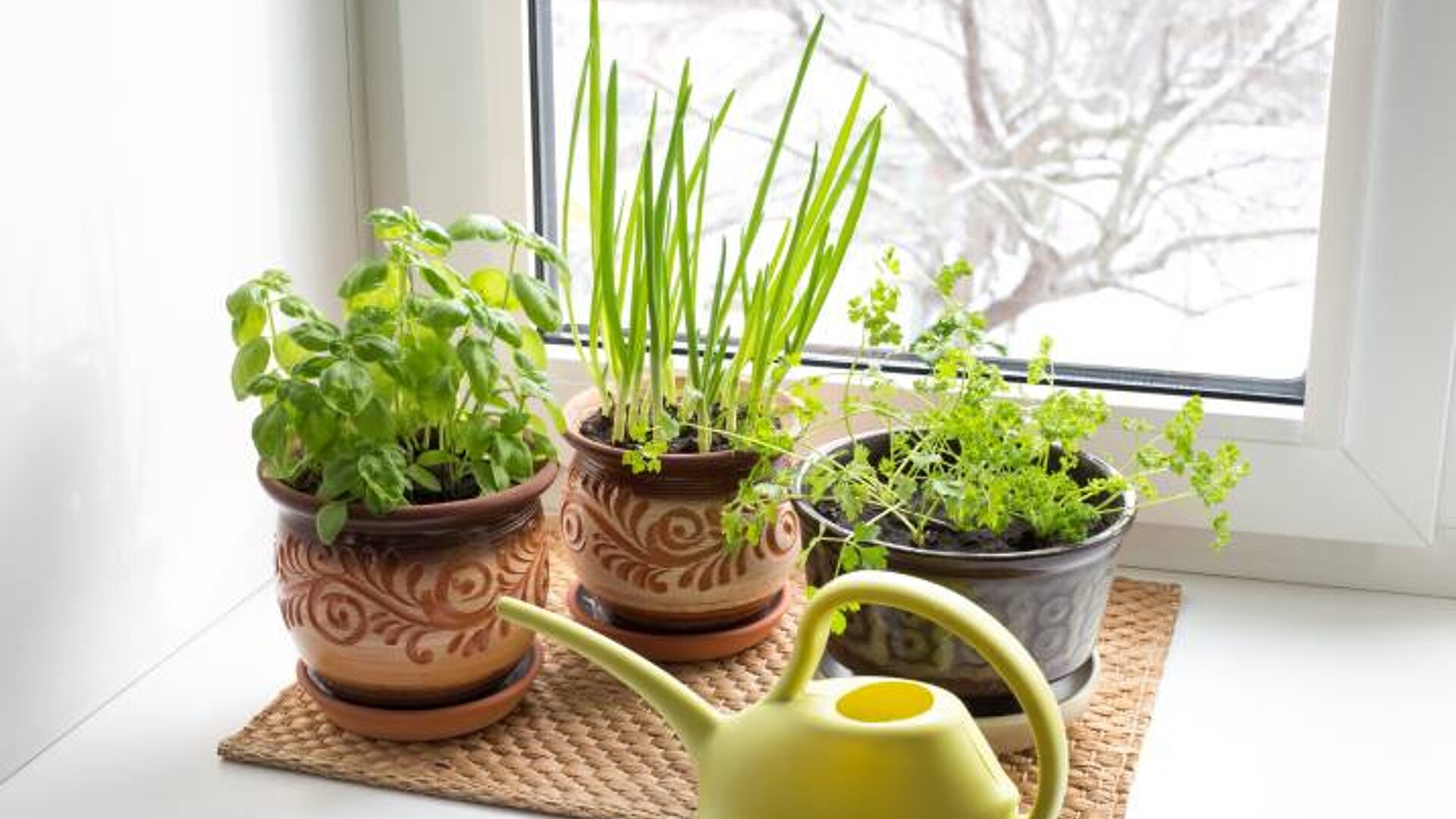
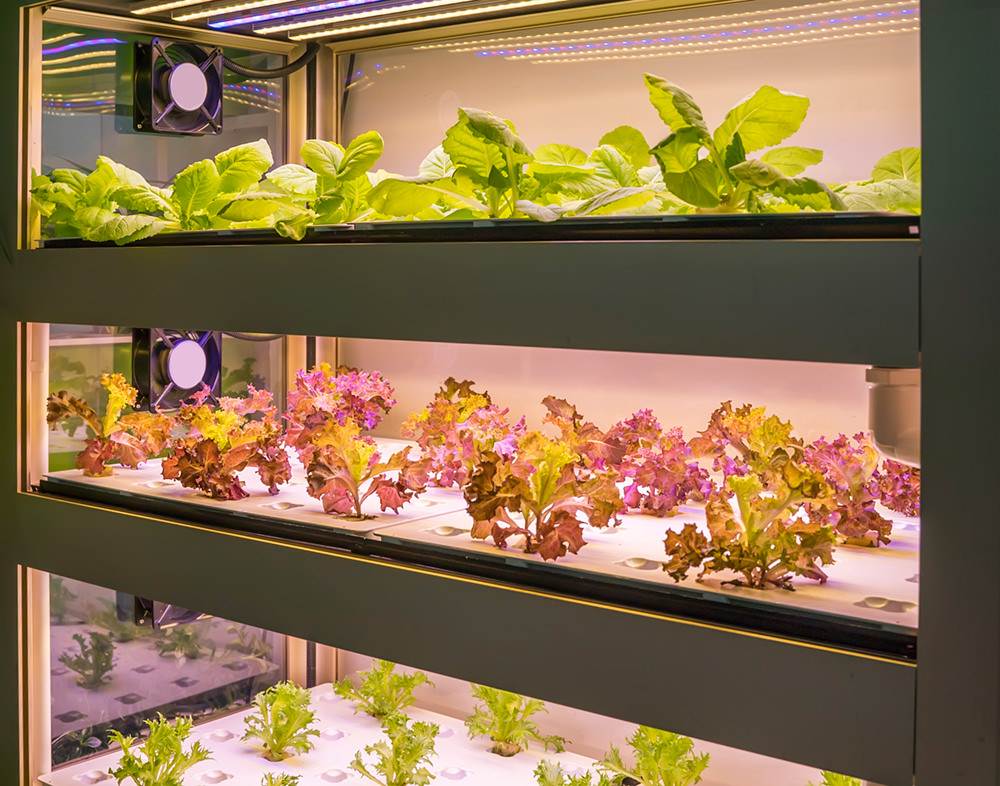
As soon as seedlings develop their first set of true leaves, they require intense light to prevent stretching. Provide 14–16 hours of light daily using grow lights positioned 2–4 inches above the foliage. This stage determines the plant's structural integrity. Weak light results in thin stems that cannot support mature herb heads, reducing their commercial value for chefs and market customers.
Proper early management ensures that when you transplant these herbs into your final growing beds or containers, they are hardened off and ready to produce. This foundation reduces the risk of crop loss and sets the stage for the high-value yields that define a successful herb farm.
Harvest and cure herbs for sale
Timing determines whether your crop sells at premium market rates or loses value in a week. Harvesting for fresh sales requires precision cutting to maintain visual appeal, while curing for dried products demands controlled moisture removal to prevent mold and preserve essential oils. Choose your method based on your target buyer: grocery chains and farmers markets prefer fresh bunches, while health food stores and online retailers buy dried, bundled, or powdered herbs.

Cut herbs in the morning after dew has dried but before the midday heat evaporates their volatile oils. This is when essential oil content peaks. For leafy herbs like basil and parsley, harvest just before flowering begins. For woody herbs like rosemary and thyme, cut stems that are fully mature but still green. Never harvest during rain or when plants are wet, as this accelerates spoilage during curing.
Use sharp, clean shears to cut stems for fresh market sales. Cut 1-2 inches above the soil line to encourage regrowth for subsequent harvests. For annual herbs like basil and cilantro, you can pull the entire plant if you plan to cure it whole. For perennial woody herbs, selective cutting ensures the plant survives the season. Always sanitize tools between batches to prevent spreading bacterial blight or fungal spores across your crop.
Immediately after harvesting, remove any yellowed, damaged, or diseased leaves. Rinse herbs in cold water or a mild produce wash solution to remove soil and insects, then spin dry thoroughly. Moisture left on leaves during curing causes rot. Grade the herbs by size and color quality; uniform bunches command higher prices at farmers markets and retail counters.
For dried sales, hang bundles in a dark, well-ventilated area with low humidity, or use a dehydrator set to 95°F (35°C) until leaves crumble easily. Store dried herbs in airtight containers away from light. For fresh sales, wrap stems in damp paper towels and place in perforated plastic bags to maintain humidity without trapping ethylene gas. Label with harvest date and variety to build consumer trust.
Proper curing extends shelf life from days to months. Fresh herbs typically last 5-7 days refrigerated if packaged correctly, while properly dried herbs retain flavor for 6-12 months. Invest in good drying racks or a small dehydrator early; the difference in waste reduction and product consistency pays for itself within the first growing season.
Find buyers and price your herbs
Profitability depends on matching your harvest to the right sales channel. Restaurants need consistent, high-quality supply, while farmers markets reward fresh, local appeal. Understanding these differences helps you set prices that cover your costs and build a loyal customer base.
1. Target restaurants and chefs
Chefs value reliability and flavor over volume. They often pay a premium for herbs grown without pesticides, especially when local options are scarce. Approach local chefs with small samples of your best crops, like basil or cilantro. Emphasize freshness and traceability. Most restaurants pay on delivery or net-30 terms, so factor that cash flow into your pricing.
2. Sell at farmers markets
Farmers markets offer immediate cash and direct feedback. Customers here appreciate seeing the grower behind the product. Display herbs in clean, visible bundles or small clamshells. Pricing here is flexible; you can adjust based on demand and weather. Use this channel to test new varieties before committing to larger wholesale contracts.
3. Offer CSA shares
Community Supported Agriculture (CSA) shares provide upfront capital. Subscribers pay at the start of the season for weekly boxes of produce, including herbs. This model reduces marketing costs and guarantees sales. Include a recipe card or usage tip for each herb to add value and encourage repeat subscriptions.
4. Price for profit
Calculate your cost per bundle, including seeds, labor, packaging, and market fees. Add a margin that reflects your brand and quality. For example, if a basil bundle costs $0.50 to produce and sell, price it at $2.50–$3.50 at a farmers market or $1.50–$2.00 to a restaurant. Always track your actual labor hours to ensure your time is compensated.
-
Package herbs in clean, breathable containers
-
Label bundles with grower name and harvest date
-
Set minimum order quantities for restaurants
-
Draft a simple price list for markets
5. Build relationships
Repeat business is your best marketing. Send a weekly email to chefs with available inventory. Post market schedules on social media. Ask customers for feedback. These small efforts turn one-time buyers into regulars, stabilizing your income stream.
No comments yet. Be the first to share your thoughts!