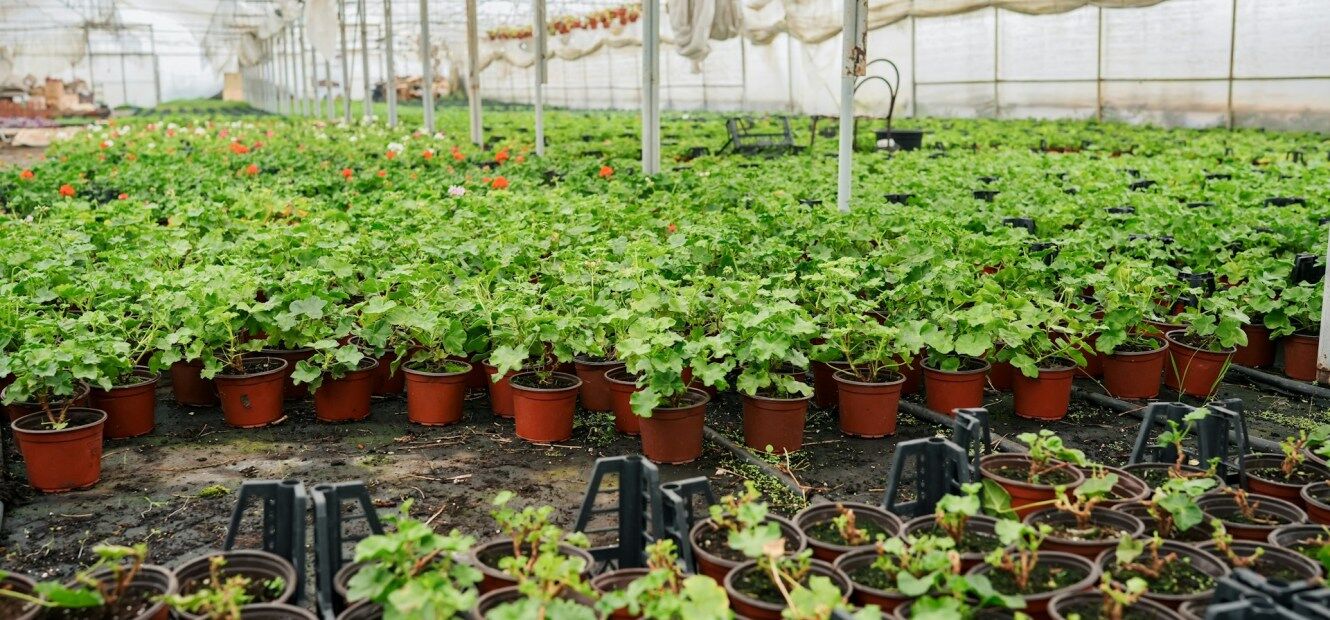

Why herbs beat vegetables for profit
Growing herbs as a cash crop offers a distinct economic advantage over traditional vegetable farming, primarily due to space efficiency and lower waste. When vegetable growers consider shifting focus, they often find that fresh-market herbs like sweet basil, cilantro, and flat-leaf parsley command higher prices per pound while requiring significantly less growing area.
The math is straightforward: herbs often yield three to five times more revenue per square foot than leafy greens. This is driven by higher planting density and faster turnover cycles. You can harvest basil multiple times a season from the same plant, whereas lettuce or spinach often requires replanting after a single harvest. This density allows you to maximize your output in a small backyard plot or greenhouse.
Spoilage is another major factor. Vegetables like tomatoes or cucumbers are bulky and perishable quickly, often leading to losses if not sold immediately. Herbs, particularly when sold as fresh bunches or dried, have a more predictable shelf life and higher market demand in local restaurants and farmers' markets. This reliability makes them a safer bet for new entrepreneurs looking to build a steady income stream without the steep learning curve of high-volume vegetable production.
5 Profitable Herbs to Grow in 2026
Choosing the right crops is the first step to profitability. Not all herbs offer the same return on investment. Here are five specific varieties that balance high demand, manageable growing conditions, and strong market prices.
1. Sweet Basil
Sweet basil is arguably the king of herb profits. It has year-round demand in restaurants and grocery stores, particularly for pesto and caprese salads. It grows rapidly in warm weather and can be harvested multiple times. To maximize profit, focus on Genovese basil, which commands the highest price per pound. Ensure you have a plan for selling quickly, as basil wilts rapidly once cut.
2. Cilantro (Coriander)
Cilantro is a staple in many global cuisines, creating consistent demand. It is fast-growing, allowing for multiple sowings throughout the spring and fall. The key to profit here is speed; cilantro bolts (goes to seed) quickly in heat, so succession planting every two weeks ensures a continuous supply. Selling it in tight, fresh bunches at farmers' markets often yields better margins than bulk sales.
3. Parsley (Flat-Leaf)
Flat-leaf parsley, also known as Italian parsley, is preferred by chefs over curly varieties for its stronger flavor and texture. It is hardy, cold-tolerant, and has a longer shelf life than basil or cilantro, reducing waste risk. This durability makes it an excellent choice for beginners who may not have immediate daily sales channels.
4. Chives
Chives are perennial, meaning you plant them once and harvest for several years. This reduces annual setup costs. They grow well in cooler temperatures when other herbs struggle, allowing you to sell during early spring or late fall when market supply is low. Their mild onion flavor makes them a versatile garnish for soups, potatoes, and salads.
5. Oregano
Oregano is drought-tolerant and requires less water than leafy herbs, lowering your utility costs. It thrives in hot, dry conditions and can be dried easily for year-round sales. Dried oregano has a long shelf life, giving you flexibility in when you sell. Many restaurants prefer fresh oregano for certain dishes, but dried versions sell well in retail settings.
Essential herb farming equipment
Moving from a backyard patch to a commercial operation requires more than just fertile soil. The right tools transform a labor-intensive hobby into a streamlined business. While the plants do the growing, the equipment handles the processing, packaging, and preservation that determine your profit margins.
Start with post-harvest handling. A commercial-grade wash station with a sink and spray nozzle is non-negotiable for cleaning leafy greens like basil and cilantro efficiently. Follow this with a salad spinner or centrifugal dryer. Removing surface moisture quickly prevents spoilage and extends shelf life, which is critical when selling to local restaurants or farmers' markets.
Once your herbs are dry, packaging becomes your primary marketing tool. Vacuum sealers keep herbs fresh for weeks in the fridge, while heat sealers with clear bags allow customers to see the product quality. For larger volumes, a simple labeling printer ensures you meet local regulations and brand your product professionally.
Here are the essential tools to get started:


As an Amazon Associate, we may earn from qualifying purchases.
Investing in these basics early saves time and reduces waste. As you scale, you might consider adding a cold storage unit or a small packing table, but these core items form the foundation of any profitable herb farm.
Common questions about herb profits
Many new growers wonder which herbs actually pay the bills. The short answer is: culinary staples like basil, chives, and oregano. These plants grow quickly, have high demand in local markets, and sell well in small bundles. Focusing on these reliable sellers reduces the guesswork for beginners.
You might also ask, "How much can I make?" Profit margins vary, but fresh herbs often carry a 50-70% markup when sold directly to consumers. A small patch of basil can yield significant returns if you sell at farmers' markets or to local restaurants. The key is consistency and freshness.
No comments yet. Be the first to share your thoughts!