
Pick the highest-value herbs
Choosing the right crop is the first step toward building a profitable herb farm. Not all herbs carry the same price tag or market demand. Some, like sweet basil and cilantro, are high-volume staples that restaurants buy constantly. Others, like lavender or saffron, are niche crops that command premium prices but require more specialized care.
To help you decide, compare these options side-by-side. This table breaks down margin potential, growth cycles, and primary market demand so you can match your resources to the right opportunity.
| Herb | Margin Potential | Growth Cycle | Primary Market |
|---|---|---|---|
| Basil | High | Fast (4-6 weeks) | Fresh culinary |
| Lavender | Very High | Slow (perennial) | Skincare/Aromatherapy |
| Chives | Medium | Fast (perennial) | Fresh culinary |
| Saffron | Very High | Slow (perennial) | Spices/Premium |
| Rosemary | High | Medium (perennial) | Culinary/Oils |
Basil is often the go-to starting point because it grows quickly and sells year-round in fresh markets. Lavender offers higher margins but requires patience as a perennial crop. Saffron, while incredibly expensive, demands significant labor for hand-harvesting. Choose based on your timeline and local demand.
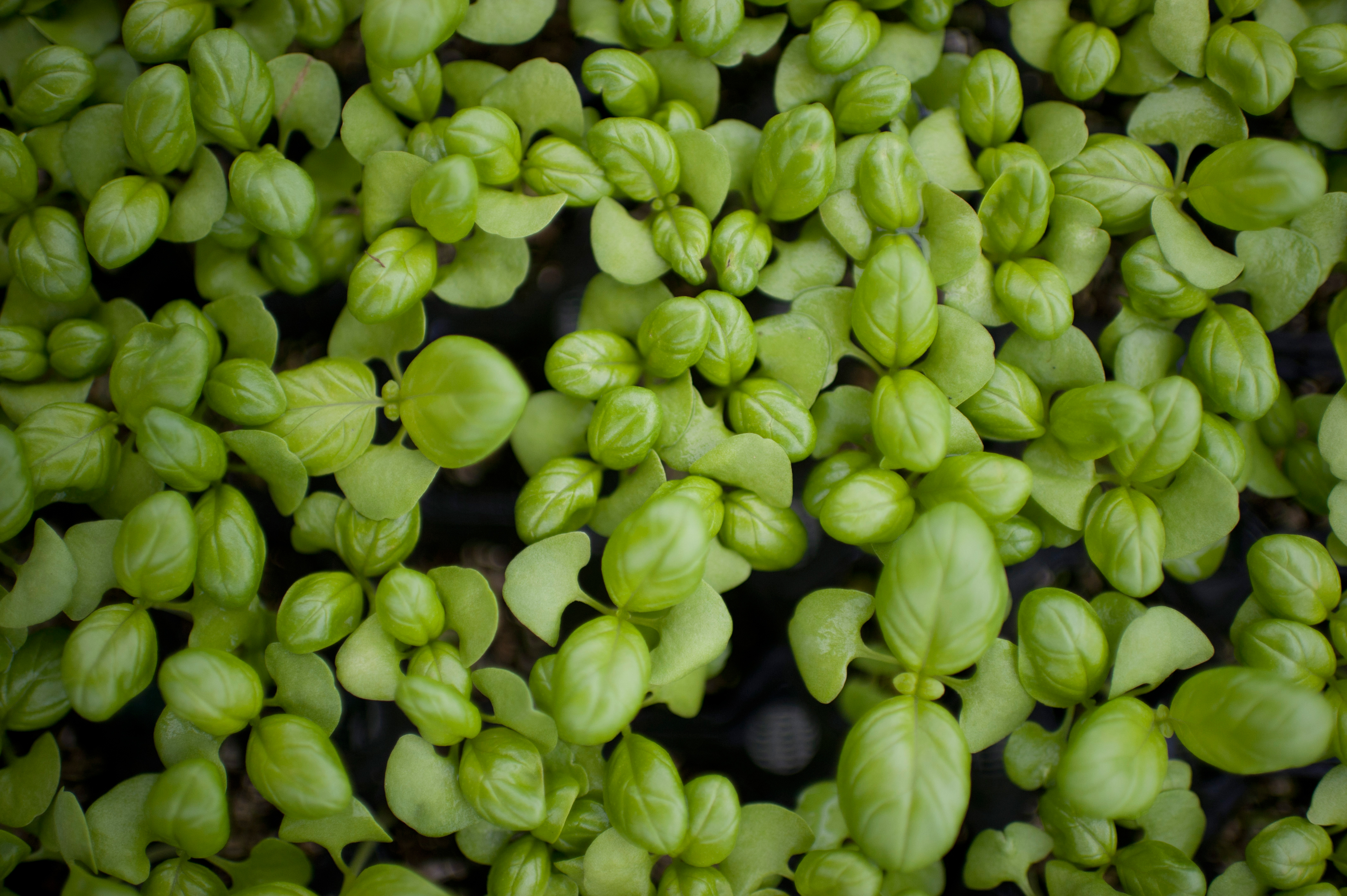
Set up your growing infrastructure
Turning a profit starts with a solid foundation. Before you plant your first seed, you need to build a system that supports commercial-scale herb production. Think of your infrastructure as the skeleton of your farm: if it’s weak, the rest falls apart. You aren’t just growing plants; you’re managing resources like water, light, and space to maximize yield.
Prepare the site and beds
Start by clearing your land and deciding on your planting method. For herbs like basil and parsley, raised beds or greenhouse benches work best because they offer better drainage and easier access for harvesting. If you’re growing drought-tolerant varieties like rosemary, oregano, and thyme, ensure the soil is well-draining to prevent root rot.
Grouping plants with similar water needs is a smart move. It simplifies your irrigation setup and reduces waste. For example, don’t plant thirsty lettuce next to dry-loving lavender unless you can manage their water zones separately. This grouping strategy is the first step in efficient space management.
Install efficient irrigation
Water is your biggest operational cost, so precision matters. Drip irrigation is the gold standard for herb farms. It delivers water directly to the root zone, keeping foliage dry and reducing disease risk. For high-value crops like saffron or specialty culinary herbs, automated drip systems can cut labor costs significantly while ensuring consistent moisture levels.
Consider installing moisture sensors to automate watering schedules. This prevents overwatering, which is a common killer of new herb growers. A reliable irrigation system ensures your basil stays lush and your lavender stays fragrant, regardless of weather fluctuations.
Optimize lighting and space
If you’re growing indoors or in greenhouses, lighting is your sun substitute. LED grow lights are energy-efficient and can be tuned to specific spectrums that boost flavor and growth speed in herbs like basil. Vertical farming racks allow you to stack layers of herbs, multiplying your yield per square foot.
For outdoor farms, spacing is key. Overcrowding leads to poor air circulation and lower quality herbs. Follow the recommended spacing for each variety to ensure every plant gets enough light and nutrients. Efficient space management means every square inch of your farm is working hard to generate profit.
Acquire essential equipment
You don’t need a massive fleet of machinery to start. Focus on the essentials: quality hand tools for harvesting, pruning shears for maintenance, and a reliable washing and drying station. Clean, efficient post-harvest handling preserves the freshness and shelf life of your herbs, which is critical for selling to restaurants and farmers' markets.
Invest in a small-scale drying rack or dehydrator if you plan to sell dried herbs. Dried lavender, mint, and thyme have a longer shelf life and often command a higher price per pound than fresh herbs. This equipment allows you to diversify your product line and reduce waste.
Plan for scalability
Build your infrastructure with expansion in mind. Leave extra space for new beds or greenhouse sections. Plan your irrigation lines so they can easily be extended. Starting small is wise, but designing for growth ensures you can ramp up production as demand for your profitable herbs to grow increases.
Regular maintenance checks of your infrastructure will save you money in the long run. Inspect irrigation lines for leaks, check lighting fixtures for efficiency, and clean your tools regularly. A well-maintained farm is a profitable farm.
Master the planting and care cycle
Growing profitable herbs to grow is less about throwing seeds in the ground and more about managing density and timing. If you crowd your beds, you get disease and low yields. If you space them too far, you waste valuable square footage. The goal is to maximize the yield per square foot while keeping the plants healthy enough to sell.
Think of your herb farm like a busy restaurant kitchen. Every inch of counter space needs to be used efficiently. You wouldn't store ingredients randomly; you'd group them by prep time and usage. Same goes for your crops. Grouping plants with similar water and sun needs—like rosemary, oregano, and thyme—simplifies irrigation and reduces labor. Meanwhile, moisture-loving herbs like basil and cilantro get their own dedicated zone.
1. Plant with precision
Start by spacing your seeds or seedlings according to the specific variety's requirements. For high-turnover crops like basil, proper spacing allows for better air circulation, which is critical for preventing mildew—a common profit-killer. Overcrowding might seem like a way to get more plants, but it often results in stunted growth and lower quality leaves that won't meet buyer standards.
2. Water strategically
Watering is where many new farmers lose money through waste or plant death. Drip irrigation is often the best investment for herb farms. It delivers water directly to the roots, keeping the foliage dry and reducing the risk of fungal diseases. For aromatic herbs like lavender or rosemary, overwatering is just as dangerous as underwatering; these plants thrive on neglect and will develop stronger flavors when they aren't drowning in moisture.
3. Prune for continuous harvest
Herbs are not "plant and forget" crops. To keep production high, you must prune regularly. For basil, this means pinching off the top leaves to encourage bushy growth rather than a single tall stem. For perennial herbs like oregano, cutting back by one-third after flowering keeps the plants compact and flavorful. This constant maintenance ensures a steady supply of product for your customers rather than one massive, hard-to-manage harvest.
4. Monitor and adjust
Keep a simple log of what you planted, when, and how it performed. Did the basil bolt (go to seed) too quickly? Maybe you need to shade it more next season. Did the chives spread aggressively? You might need to add barriers next year. Small adjustments based on real data are what separate a hobby garden from a profitable business.
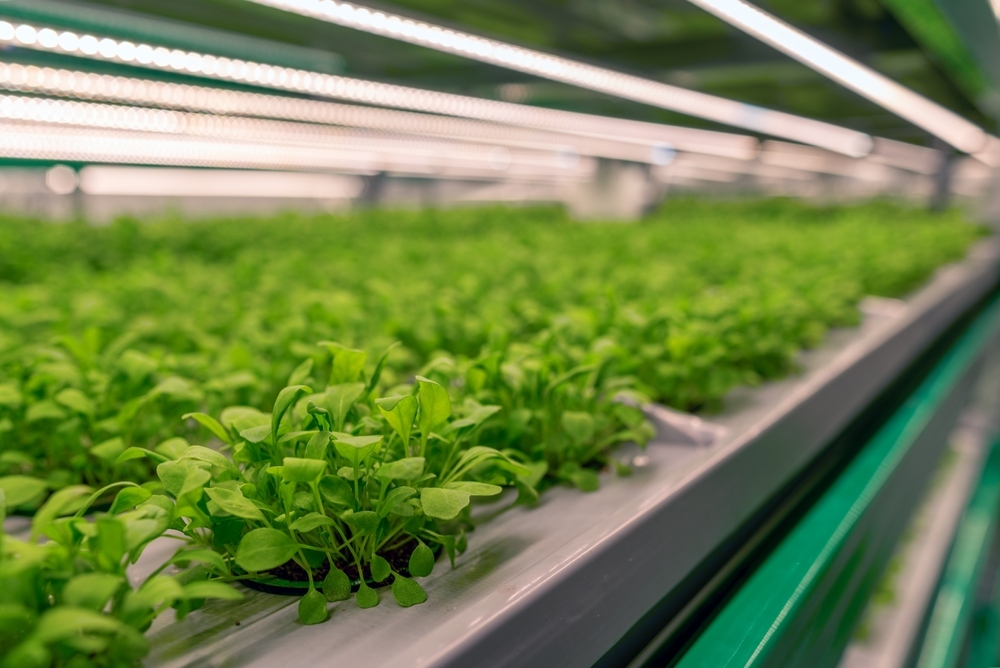
Test your soil pH and amend with compost before planting. Herbs generally prefer well-draining soil with a pH between 6.0 and 7.0. Remove any weeds or debris to give your new crops a clean start.
Plant your chosen herbs at the recommended spacing. For dense crops like basil, aim for 6-8 inches between plants. For larger perennials like lavender, allow 18-24 inches to give them room to mature.
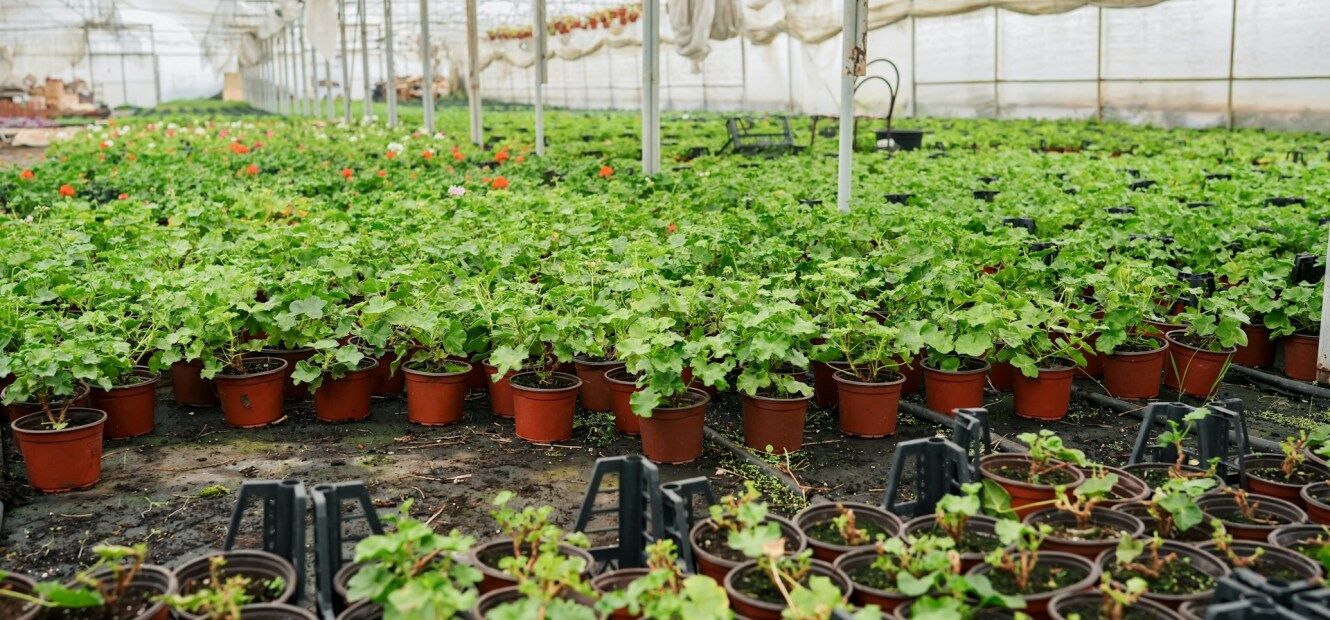
Set up drip lines or soaker hoses. This ensures consistent moisture without wetting the leaves, which helps prevent disease. Adjust the emitters based on the water needs of the specific herbs in that row.
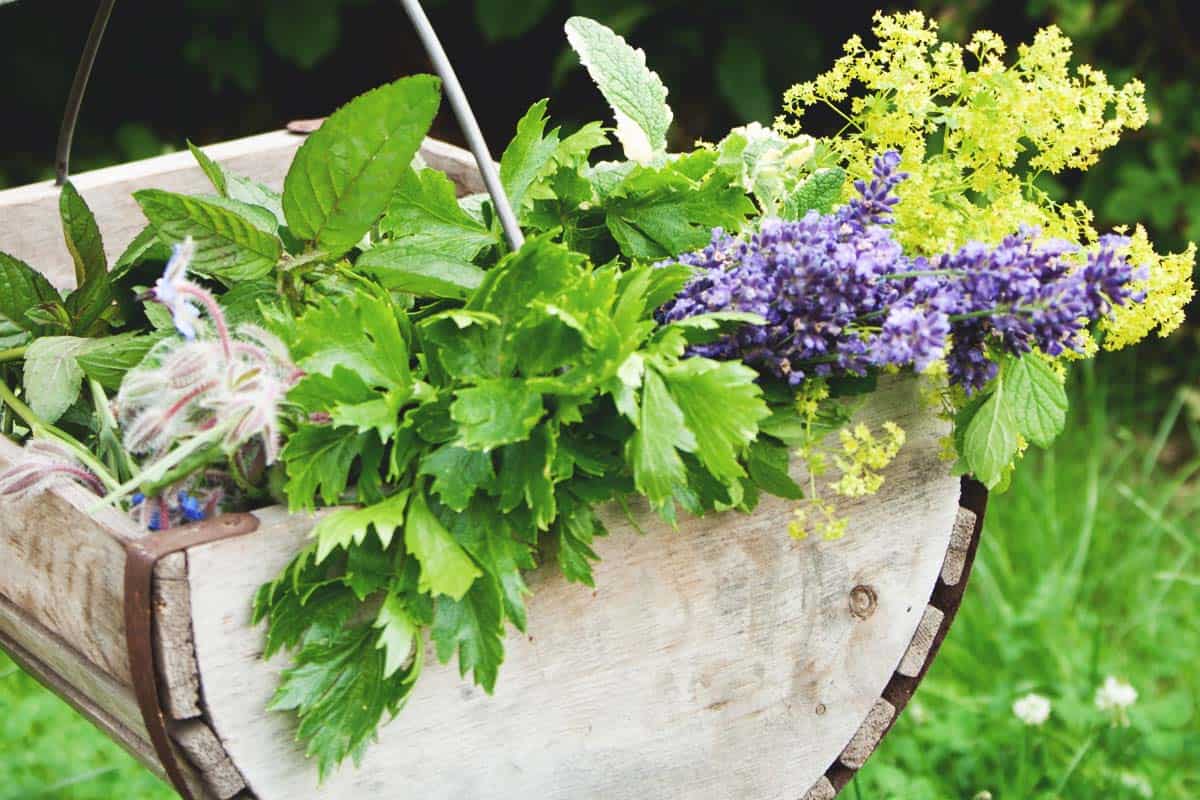
Once plants are established, begin regular pruning. Pinch basil tips to encourage bushiness. Trim back woody herbs like rosemary to shape them. This keeps the plants productive and prevents them from becoming leggy.
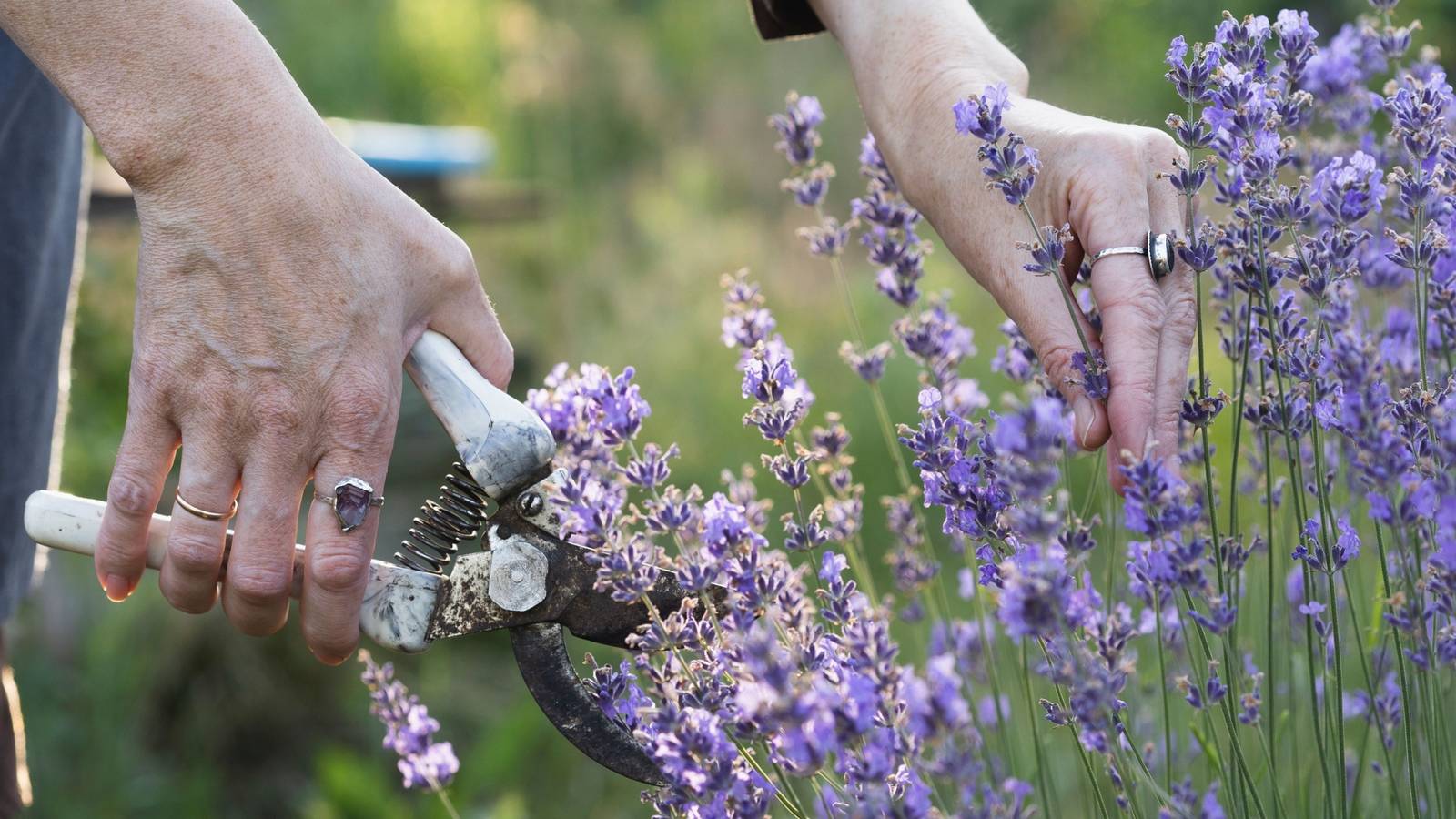
Harvest in the morning after the dew has dried but before the midday heat. This is when essential oil content is highest, meaning the strongest flavor and aroma for your customers. Bundle and cool immediately.
Harvest and process for freshness
The real money in profitable herbs to grow isn't just in the planting—it's in what happens right after you cut the stem. Fresh herbs are delicate; they wilt, brown, and lose their potent oils within hours if handled roughly. To keep your basil vibrant and your lavender fragrant, you need a post-harvest routine that prioritizes speed and temperature control.
Think of your harvest as a relay race. The moment the knife touches the stem, the clock starts ticking. Your goal is to move the plant material from the field to the cooling environment as quickly as possible to slow down respiration. Here is the workflow to keep your product market-ready.
Harvest early in the morning after the dew has dried but before the sun gets hot. Essential oil content is highest in the morning, and cooler temperatures help the herbs retain moisture. Use sharp, clean shears to make clean cuts, which reduces stress on the plant and prevents bruising that leads to rot.
Rinse your herbs in cool, clean water to remove soil and debris. For leafy herbs like basil or cilantro, a gentle swirl in a water bath is best. Avoid soaking them for too long, as this can dilute their flavor. Pat them dry immediately with clean towels or use a salad spinner to remove excess surface water.
Moisture is the enemy of shelf life. Ensure every leaf is completely dry before bagging. For herbs like lavender or rosemary, you might bundle them to air-dry in a shaded, well-ventilated area. For tender greens, ensure no water droplets remain, as even a single drop can cause mold to spread in a sealed package.
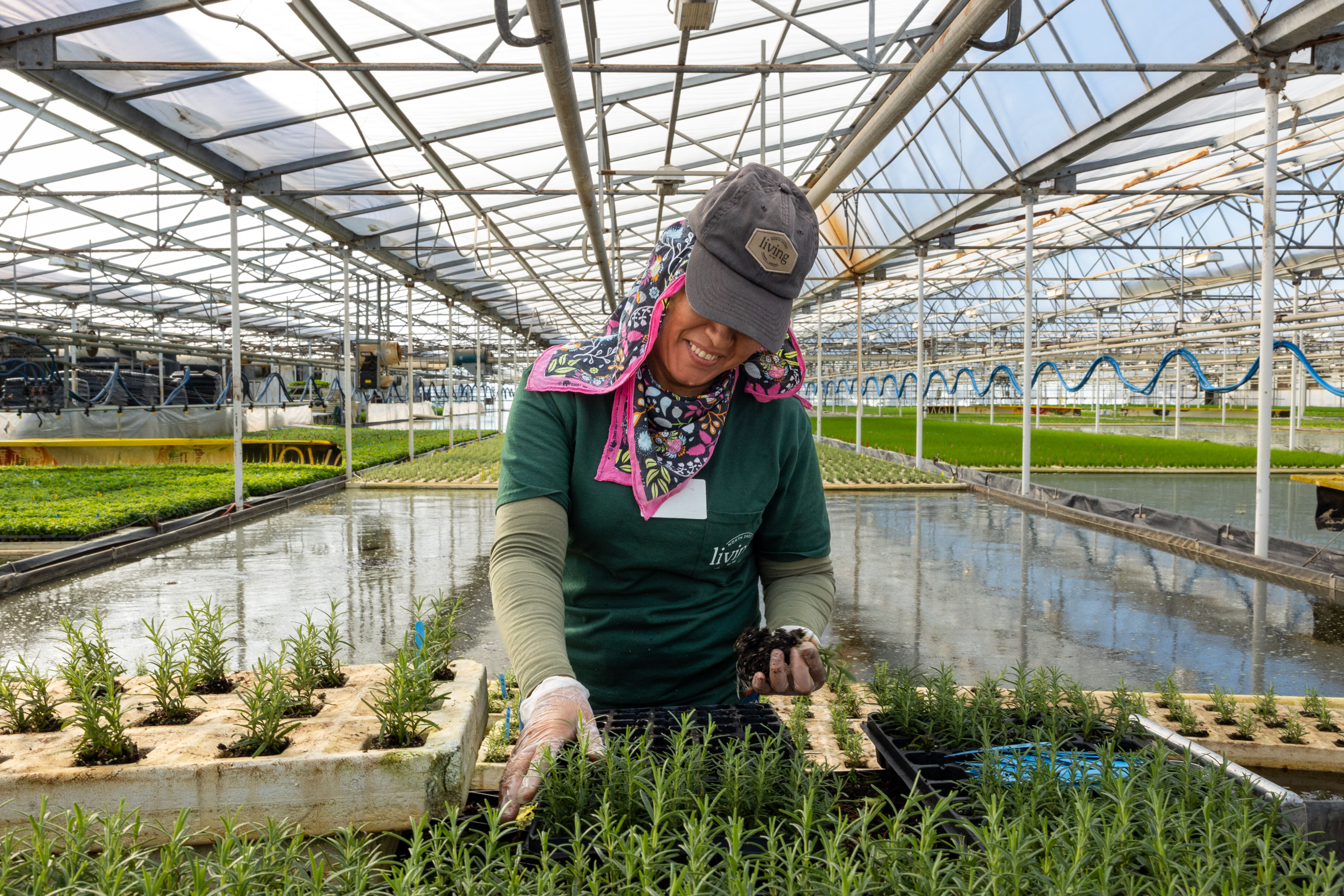
Place your dried herbs in breathable bags or clamshells. Store them in a cooler or walk-in cooler at 34–38°F (1–3°C) right away. This "field heat" removal is the single most effective way to extend shelf life. Properly cooled and packaged herbs can last 7–10 days, compared to just 2–3 days at room temperature.
Find buyers and sell your herbs
Growing the crop is only half the battle; moving it off the farm is where the profit lives. To build a truly profitable herb farm, you need to match your specific varieties to the right sales channels. High-volume, fast-turnover herbs like basil and cilantro thrive in local market settings, while slower-growing, high-value crops like lavender or saffron often find better margins in specialty retail or direct-to-consumer bundles.
Start by mapping out your local demand. Visit nearby restaurants and introduce yourself to the chefs. Many small-to-mid-sized eateries prefer buying from local growers because they can secure fresher produce and market their "locally sourced" menu items. A simple pitch focusing on harvest-to-table timing often wins over supermarket supply chains. For culinary herbs like rosemary, thyme, and flat-leaf parsley, securing just three or four restaurant contracts can stabilize your baseline income.
Simultaneously, prepare for the direct-to-consumer route. Farmers markets are excellent for building brand loyalty and getting immediate cash flow. This is also where you can test new varieties. If you are growing niche items like holy basil or lemon verbena, the market crowd is often more willing to try something new than a traditional grocery buyer. Bring samples, offer simple usage ideas, and collect emails for future sales.
-
Identify 5 local chefs or market managers to contact
-
Print simple business cards with your farm name and contact info
-
Set up a weather-resistant booth with clear pricing
-
Prepare sample packs of your top 3 bestsellers
Don't overlook the power of bundled sales. Herbs often spoil quickly, so creating "salad herb mixes" or "soup starter packs" helps move inventory faster. By combining slower-selling items like chives with popular ones like parsley, you reduce waste and increase the average order value. Whether you are selling by the pound or by the bundle, consistency in quality and availability will turn first-time buyers into regular customers.
Common herb farming mistakes
Even the best profitable herbs to grow can turn into a financial drain if you skip the basics. Profitability often hinges on avoiding the small errors that compound over time. Here is where new growers typically lose money.
Overwatering your crops
Herbs like rosemary, oregano, and thyme thrive in dry, well-drained soil. When you treat them like thirsty houseplants, the roots rot and the crop fails. Combine plants with similar water needs—such as pairing basil with parsley, or rosemary with thyme—to simplify irrigation and reduce waste. Overwatering is a silent killer of margins because it kills the plant before you ever get a harvest.
Poor spacing and airflow
Crowding plants to "maximize yield" often backfires. Basil needs room to breathe; tight spaces invite mildew and reduce oil concentration, which lowers market value. Lavender, for instance, needs significant airflow to prevent fungal issues. If your plants are touching, you are inviting disease and reducing the potency that buyers pay for.
Harvesting at the wrong time
Timing is everything. Harvesting basil in the heat of the day can cause it to wilt quickly, while harvesting lavender before the buds fully open means less essential oil and a weaker scent. Pick in the morning after the dew dries but before the sun gets hot. This preserves the flavor and aroma that customers expect.
Herb farming questions answered
Many aspiring growers ask what herbs actually pay the bills. While saffron commands the highest price per pound, it demands intense labor. For most small farms, the real money lies in high-volume culinary crops.
Basil is widely considered the best starter crop. It sells quickly to restaurants and farmers' markets, especially during summer. Lavender follows close behind, offering "very high" margins for skincare and aromatherapy products.
No comments yet. Be the first to share your thoughts!