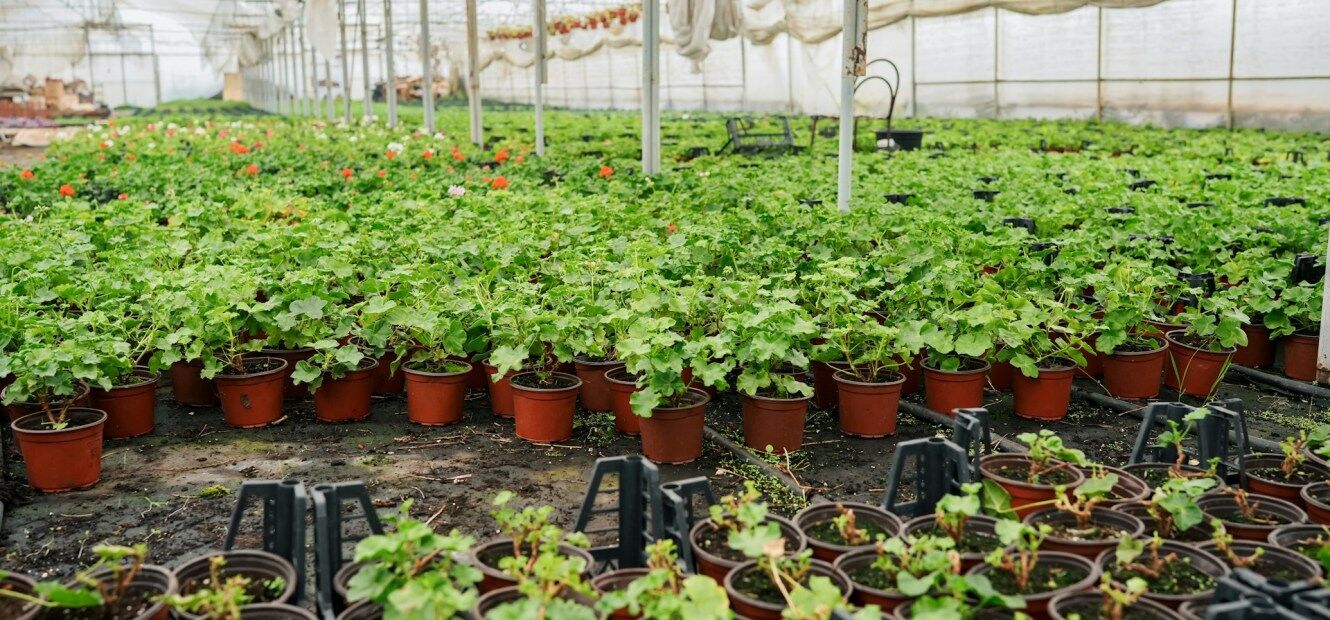

High-demand culinary herbs for steady sales
Commercial growers prioritize culinary herbs that offer reliable turnover and broad market acceptance. These crops serve as the foundation for steady cash flow, allowing farms to maintain consistent inventory for restaurants, grocery stores, and farmers' markets. Success in this niche depends on selecting varieties with high yield potential, manageable shelf life, and proven consumer demand.
Basil, oregano, and rosemary represent the top tier of commercial culinary herbs. Basil offers rapid turnover and high volume, making it ideal for fresh-cut markets. Oregano and rosemary are perennial woody herbs that require lower maintenance once established, providing recurring harvests over multiple seasons. Parsley and chives round out the essential lineup, offering consistent daily or weekly yields that stabilize farm operations during slower growing periods.
Commercial Herb Comparison
The following table evaluates the primary culinary herbs based on key commercial metrics. Yield potential refers to harvest frequency and biomass per square foot. Shelf life indicates post-harvest viability without significant quality loss. Market demand reflects consistent buyer interest in the fresh and dried herb sectors.
| Herb | Yield Potential | Shelf Life | Market Demand |
|---|---|---|---|
| Basil | High | Short | Very High |
| Oregano | Medium | Long | High |
| Rosemary | Medium | Long | High |
| Parsley | High | Medium | High |
| Chives | High | Short | Medium |
Top Commercial Herb Products
For growers looking to start with established, high-quality varieties, the following products represent reliable options for commercial planting or small-scale commercial operations. These selections are based on seed viability and industry recognition.
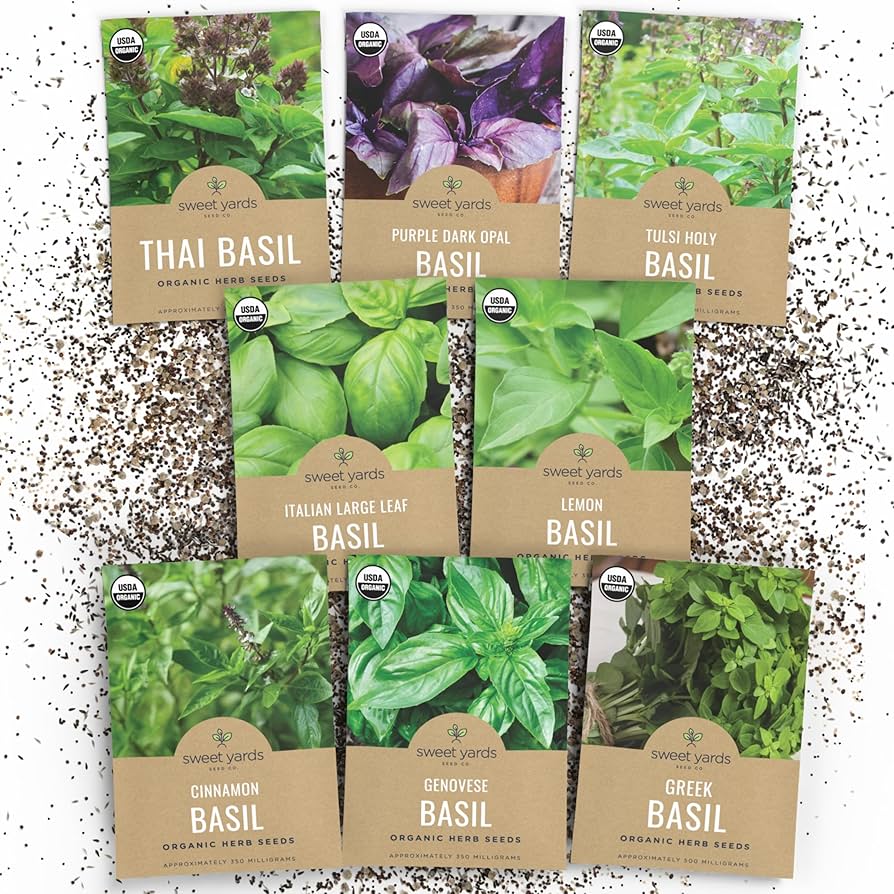
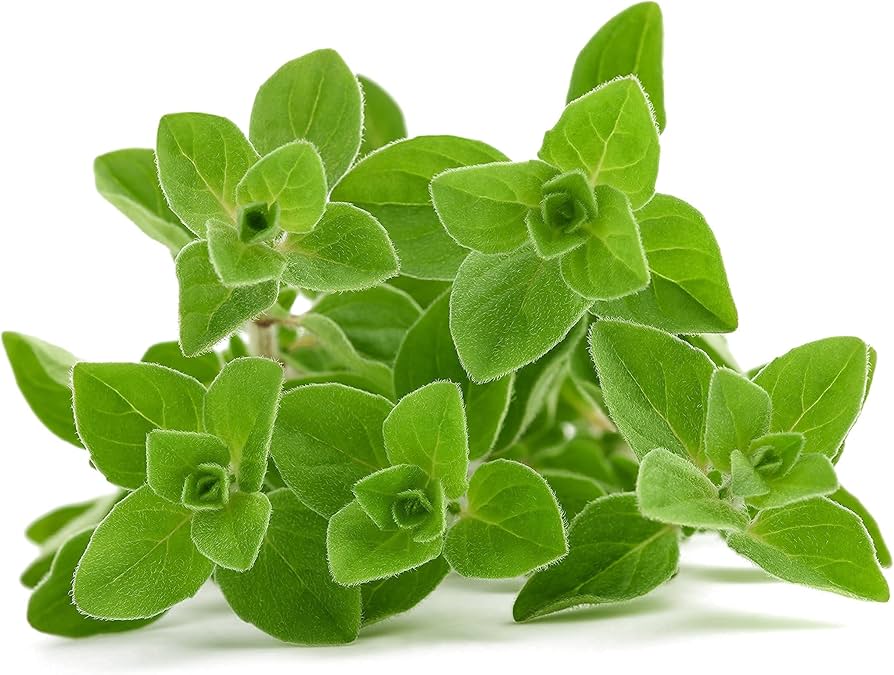
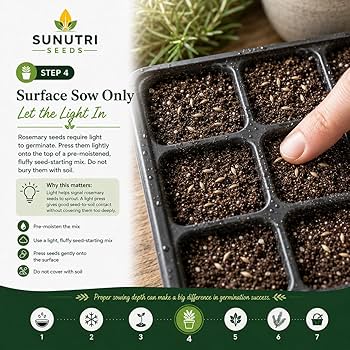
As an Amazon Associate, we may earn from qualifying purchases.
Planning Your Commercial Herb Crop
Successful commercial herb farming requires careful planning to ensure steady sales. Use this checklist to prepare your operation for the growing season.
-
Identify target buyers (restaurants, markets, distributors)
-
Select herbs with matching water and sun requirements
-
Prepare soil with proper drainage and nutrient density
-
Source certified seeds or plugs from reputable suppliers
-
Establish harvest and packaging protocols for freshness
Specialty crops for premium pricing
While standard culinary herbs provide steady cash flow, commercial farms looking to maximize revenue per square foot often pivot toward specialty crops. These niche items, particularly medicinal varieties and rare spices, command significantly higher prices per pound than basil or parsley. The trade-off is that they require specialized handling, precise environmental controls, and a more targeted sales approach.
Saffron stands out as the most lucrative example of this strategy. Derived from the Crocus sativus flower, it is the world's most expensive spice by weight. Because each flower produces only three stigmas, the labor-intensive harvesting process justifies a retail price that can exceed $5,000 per pound. For farms with small footprints but high labor capacity, saffron offers an unmatched return on investment compared to volume-based crops.
Medicinal herbs represent another high-value segment. Plants like nettle, burdock, yarrow, and mullein are often dismissed as weeds in traditional agriculture but are highly valued in the herbal supplement and apothecary markets. Nettle, in particular, is a consistent best-seller for dried leaf and root extracts. These crops appeal to a growing consumer base interested in natural remedies, allowing farmers to capture premium margins through direct-to-consumer channels or wholesale partnerships with herbalists.
| Herb | Market Segment | Primary Use | Profit Potential |
|---|---|---|---|
| Saffron | Spice | Culinary coloring/flavor | Extremely High |
| Nettle | Medicinal | Supplements, teas | High |
| Yarrow | Medicinal | Tinctures, salves | High |
| Mullein | Medicinal | Respiratory supplements | Moderate-High |
Essential herb farming equipment and tools
Scaling from a hobby plot to a commercial operation requires hardware that protects yield and accelerates processing. The right tools reduce labor costs and prevent spoilage during the critical harvest window.
Start with high-carbon steel pruning shears. Dull blades crush stems, inviting bacterial rot that ruins entire batches. Professional-grade bypass pruners make clean cuts that heal faster, preserving the plant’s structural integrity for the next harvest cycle.
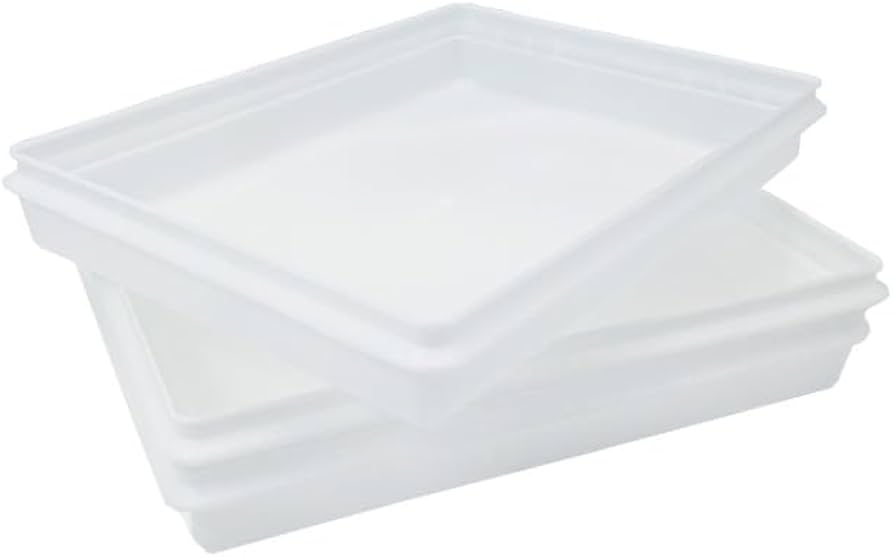
Harvest bins must be shallow and food-grade. Deep buckets crush the lower layer of delicate herbs like cilantro and parsley under their own weight. Shallow bins allow for quick sorting and immediate transfer to cooling, maintaining crispness until the buyer picks them up.
Drying racks need high airflow and UV protection. Herbs like rosemary and thyme lose potency when exposed to direct sunlight. Mesh racks that allow air circulation from all sides ensure even drying, preventing mold in humid climates.


As an Amazon Associate, we may earn from qualifying purchases.
Turn your herb garden into a profitable business
Commercial herb farming requires treating the crop as a commodity with clear margins. Profitability depends less on yield volume and more on matching the right species to specific sales channels. Herbs like rosemary, oregano, and thyme thrive in dry conditions and can be grouped for efficient irrigation, while basils and parsley require consistent moisture [[src-serp-3]]. Understanding these biological constraints is the first step in calculating return on investment.
To ensure commercial viability, you must identify where your product will sell. Live plants, fresh culinary cuts, dried bundles, and herbal crafts each command different price points and require different handling. Selling directly to consumers or local markets often yields higher margins than wholesale, but it demands more labor. Choose the channel that aligns with your farm’s capacity for post-harvest processing and marketing.
Plan your crop rotation and sales strategy
Use the checklist below to structure your business plan. This workflow ensures you cover the essential operational and financial bases before planting.
-
Calculate cost per square foot for water, labor, and inputs.
-
Group herbs by water and sun needs to optimize irrigation.
-
Identify primary sales channels: live plants, fresh cut, or dried.
-
Determine if medicinal herbs like nettle or yarrow fit your niche.
-
Set a break-even price for each product type.
Commercial herb product recommendations
Selecting the right varieties is critical for profitability. Some herbs are high-yield staples, while others serve as premium niche products. The following products represent reliable options for commercial growers looking to diversify their income streams.


As an Amazon Associate, we may earn from qualifying purchases.
Common questions about selling herbs
Growers often ask if herb farming is a viable business model. The short answer is yes, but success depends on choosing the right sales channel. Herbs can be sold as live plants, freshly cut bunches, or dried for culinary and craft use. Specializing in high-demand varieties like basil or rosemary typically yields better returns than generic commodity crops.
How much profit can I make from herb farming?
Profit margins vary significantly based on the sales channel. Direct-to-consumer sales through farmers markets or CSA boxes generally offer the highest per-unit profit, often exceeding 50% margins. Wholesale sales to restaurants or grocery stores offer volume but lower margins, typically 20-30%. Dried herbs and value-added products like infused oils or bouquets can command premium prices, making them attractive for small-acreage growers.
What are the most profitable herbs to grow?
Basil, rosemary, and thyme are consistently among the most profitable herbs due to high consumer demand and relatively low growing costs. Lavender is another top contender, particularly for dried flower sales and essential oil production. Garlic, especially elephant garlic, is also a strong cash crop for small-acreage growers because it stores well and has a long growing season, allowing for flexible planting schedules.
How do I start selling herbs commercially?
Start by identifying your local market demand. Visit farmers markets and talk to local chefs to see which herbs are in short supply. Begin with a small plot of high-demand crops like basil or cilantro to test your production capabilities. As you gain experience, expand into niche varieties or value-added products. Always check local regulations regarding food safety and business licensing before launching your operation.
No comments yet. Be the first to share your thoughts!