
Pick high-demand herbs first
Starting a commercial herb farm can feel overwhelming, but you don’t need to grow everything to make money. In fact, trying to cultivate a dozen different species often dilutes your focus and increases waste. The smartest move is to start with a small selection of high-demand, fast-turnover crops that sell consistently to local restaurants, farmers' markets, and grocery stores.
When we talk about profitable herbs to grow, we are looking for plants that balance three factors: market demand, growth speed, and initial investment. Some herbs, like basil, turn over quickly but require delicate handling. Others, like rosemary, take longer to establish but sell for a higher premium and last longer on the shelf. By comparing these options side-by-side, you can build a business model that fits your available space and capital.
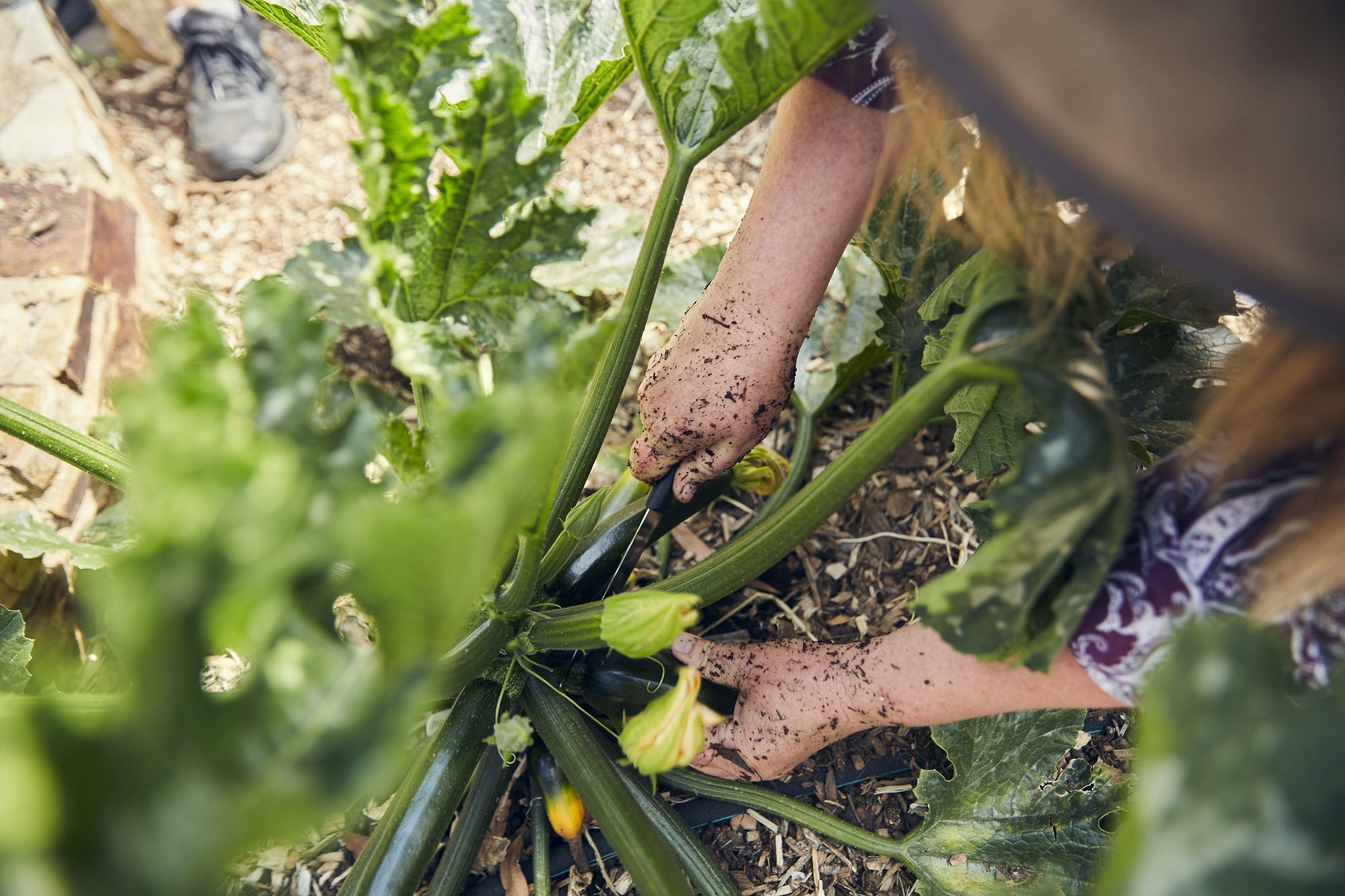
| Herb | Growth Cycle | Market Demand | Initial Investment |
|---|---|---|---|
| Basil | 4-8 weeks | Very High | Low |
| Cilantro | 6-8 weeks | High | Low |
| Parsley | 8-10 weeks | Steady | Low |
| Rosemary | 12-16 weeks | Steady | Medium |
| Dill | 6-8 weeks | Moderate | Low |
| Chives | 10-12 weeks | Steady | Low |
Basil is widely considered the king of commercial herbs. It is a staple in Italian cuisine and has a very short growth cycle, meaning you can harvest and replant multiple times in a single season. However, it is sensitive to temperature and requires careful monitoring. Cilantro and dill are excellent companions for basil because they share similar growing conditions but appeal to different culinary preferences, such as Mexican and Asian dishes.
For a more stable, long-term investment, consider perennial herbs like rosemary, thyme, and oregano. While they take longer to reach full production volume, they return year after year, reducing your annual planting costs. These herbs are also less prone to disease and can be dried or sold fresh with a much longer shelf life, giving you more flexibility in sales timing. Start with two or three of these to test your local market before expanding your portfolio.
Set up your growing system
Building a profitable farm starts with choosing the right infrastructure. Your setup needs to balance high yield with consistent quality, ensuring your herbs reach customers fresh and vibrant. Think of your growing system as the engine of your business; if it’s reliable, your profits will follow.
Start by selecting your cultivation method. Soil offers a forgiving learning curve and natural nutrient buffering, while hydroponics delivers faster growth cycles and higher density. For beginners aiming for maximum profit, hydroponic systems often provide the best return on investment due to reduced water usage and quicker harvest times.
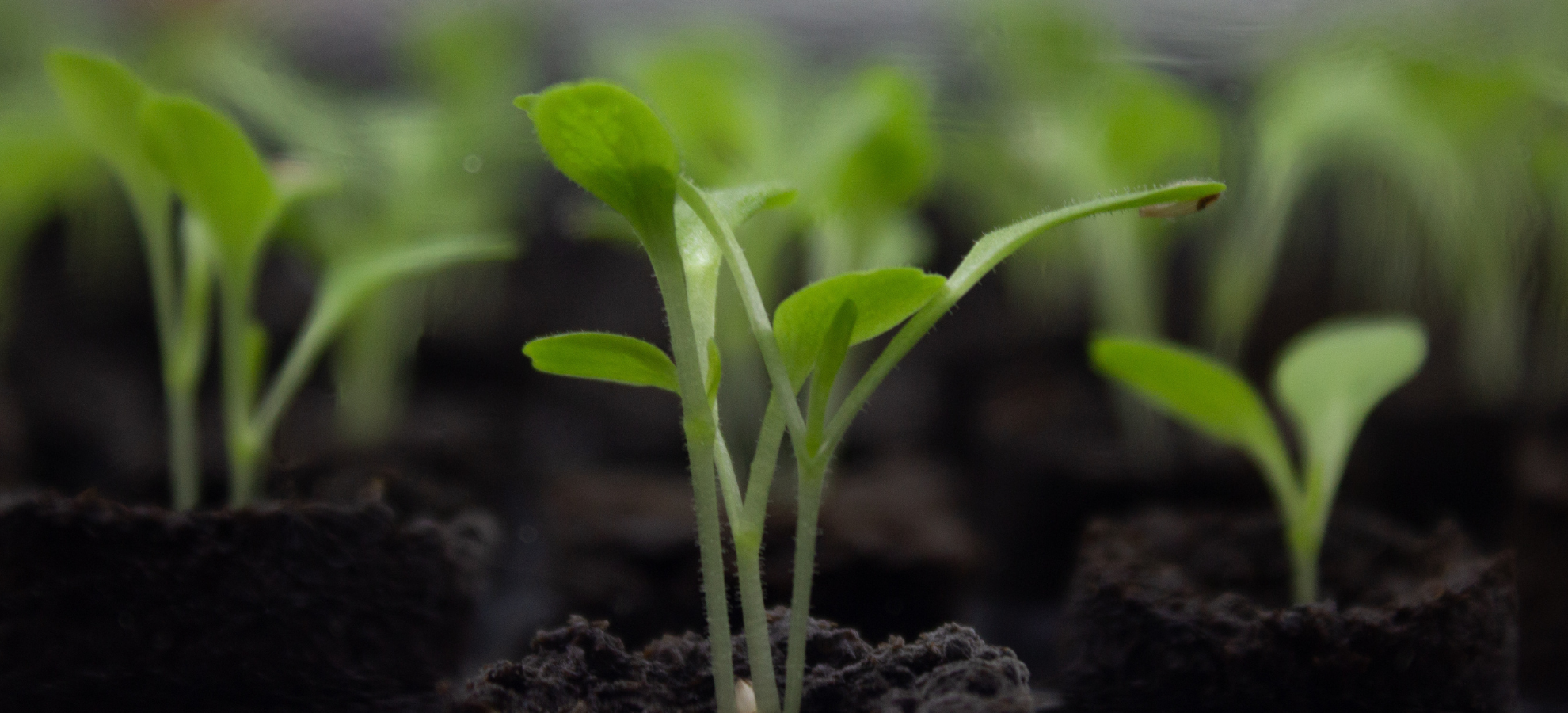
Decide between soil or hydroponics based on your space and budget. Hydroponic systems like Deep Water Culture (DWC) or Nutrient Film Technique (NFT) are excellent for leafy herbs like basil and cilantro, offering rapid turnover and clean roots that appeal to premium buyers.
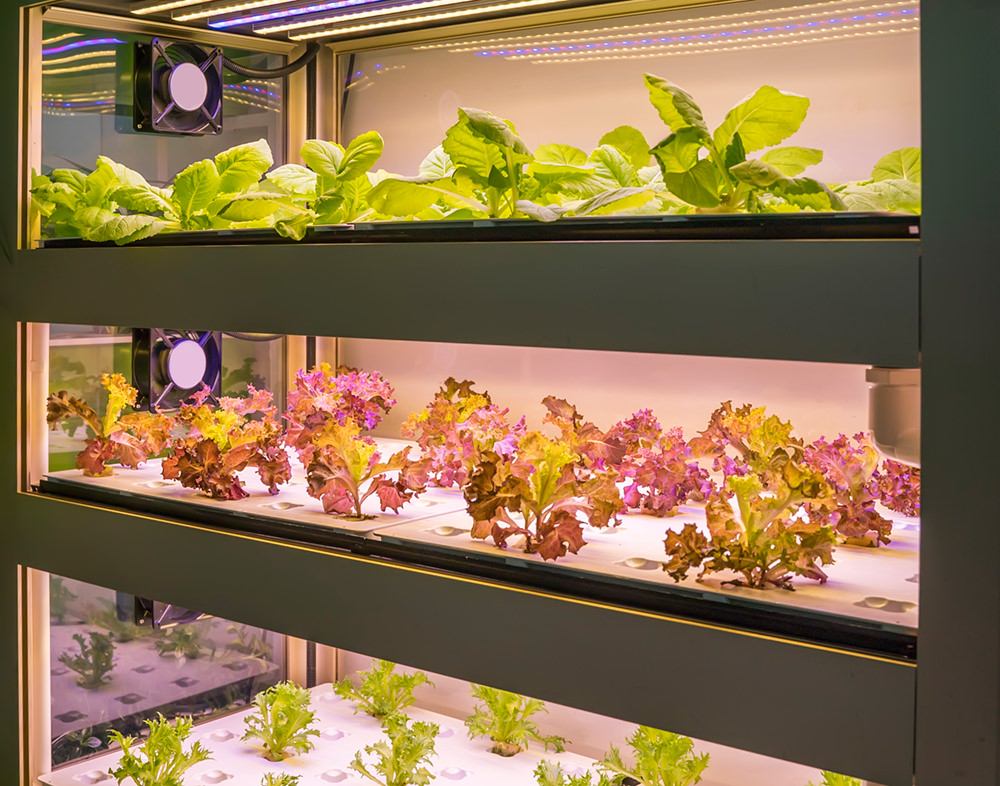
Consistent temperature and humidity are non-negotiable for quality. Install fans for air circulation to prevent mold, and use full-spectrum LED lights if you are growing indoors. Proper lighting ensures robust essential oil production, which directly impacts the flavor and market value of your herbs.
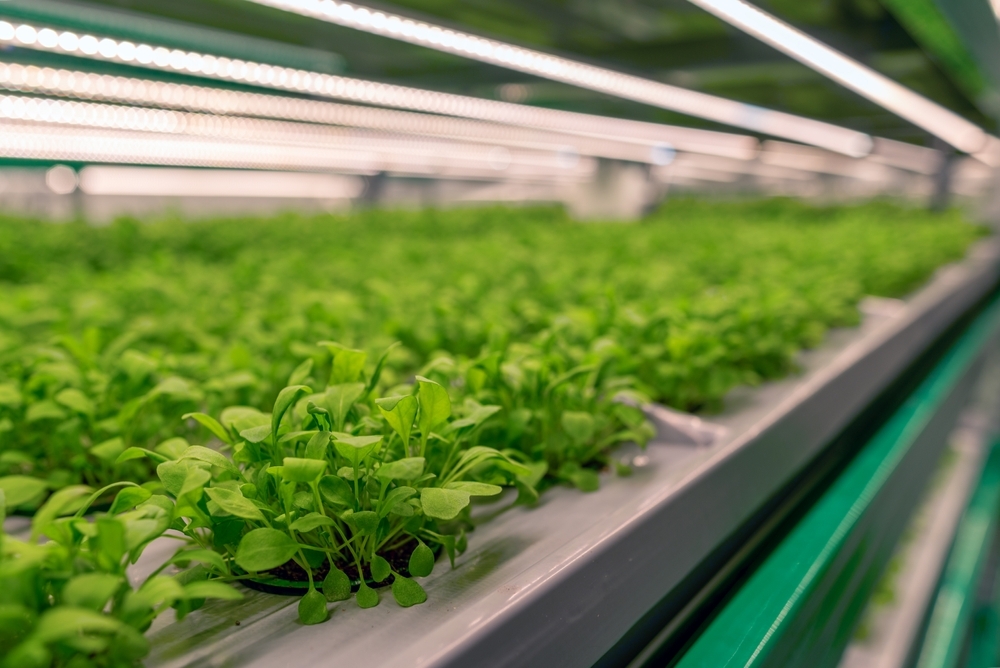
Reliable water delivery is the backbone of your system. Whether using drip lines for soil or pumps for hydroponics, ensure your irrigation is automated to maintain consistent moisture levels. Use high-quality, water-soluble nutrients tailored for leafy greens to prevent deficiencies that can stunt growth.
Clean and sanitize all trays, reservoirs, and tools before planting. Use sterile growing media like rockwool, coco coir, or peat moss plugs to give your seedlings a healthy start. Proper spacing in your trays prevents overcrowding, allowing each plant to develop fully without competition for resources.
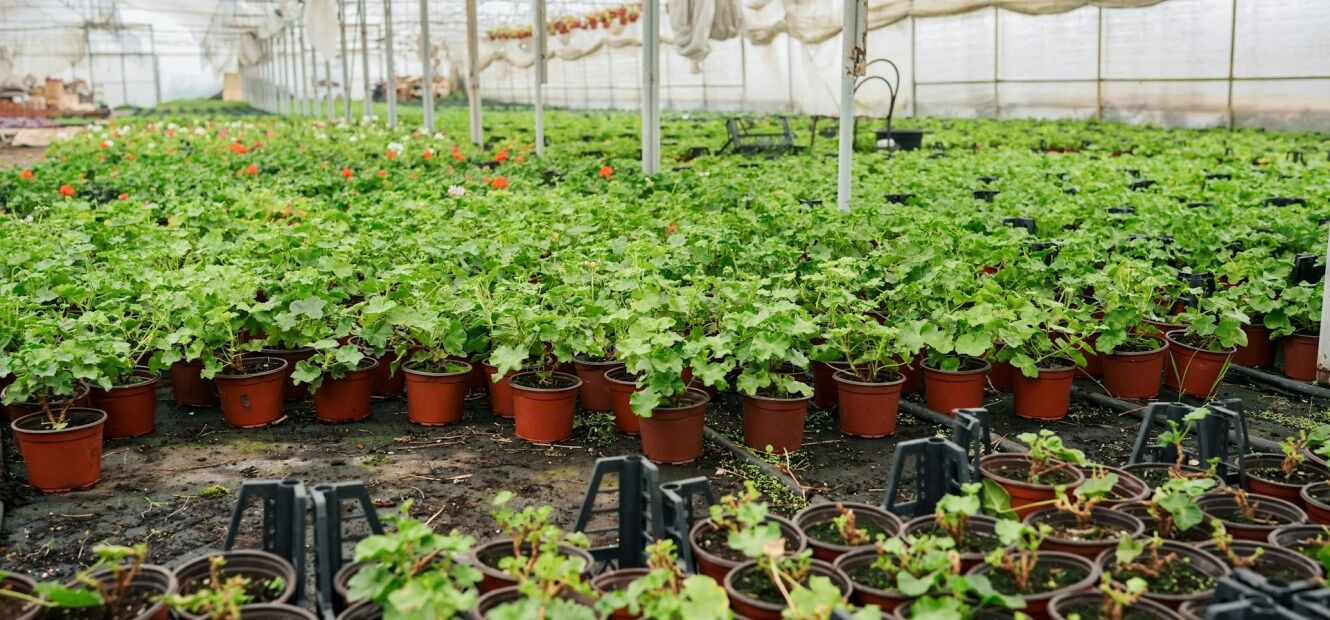
Sow seeds or transplant seedlings according to your chosen method. Start with high-demand varieties like sweet basil or parsley, which are widely considered the most popular culinary herbs for profit. Monitor daily for pests and nutrient deficiencies during the first critical weeks of growth.
Harvest and post-harvest care
The money you make on profitable herbs to grow depends on how well you handle them after cutting. Freshness is the main reason customers return. If the leaves wilt or turn brown in the bag, they won’t buy again. Treat your harvest like a perishable grocery item, not a garden cutting.
1. Cut at the right time
Harvest in the early morning when the plant’s water content is highest. The heat of the day causes herbs to lose moisture quickly, making them limp before they even reach the customer. Use clean, sharp shears to avoid crushing the stems. For basil, cut just above a leaf node to encourage new growth. For woody herbs like rosemary, take the top third of the stem.
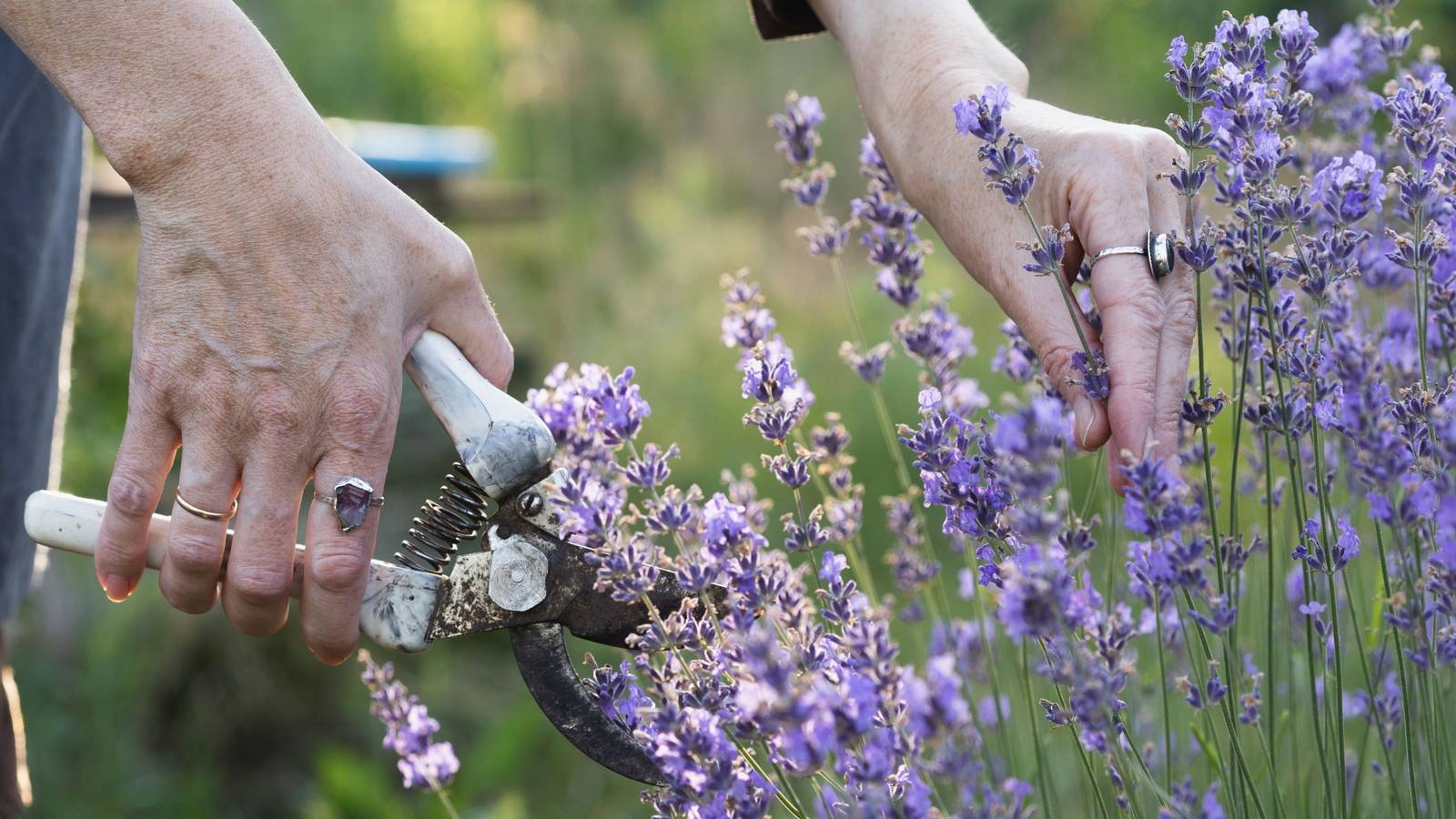
Use sharp, clean shears to cut stems early in the morning. This preserves moisture and keeps the herbs crisp for longer.
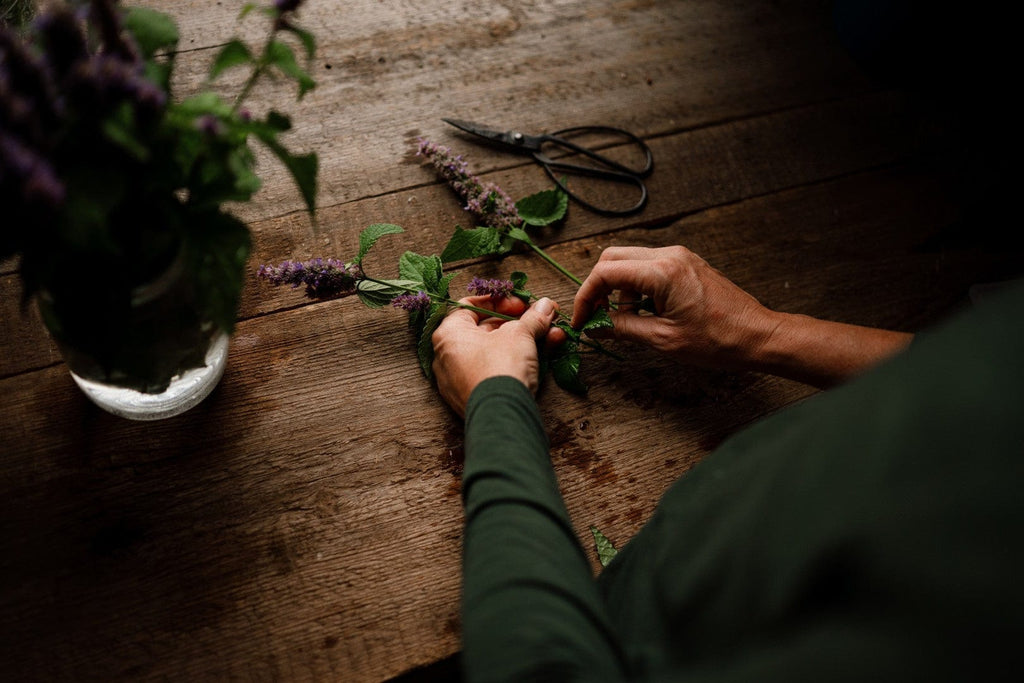
Gently strip away any yellow, bruised, or dirty leaves. These spots decay faster than healthy ones and can spoil the rest of the bunch.
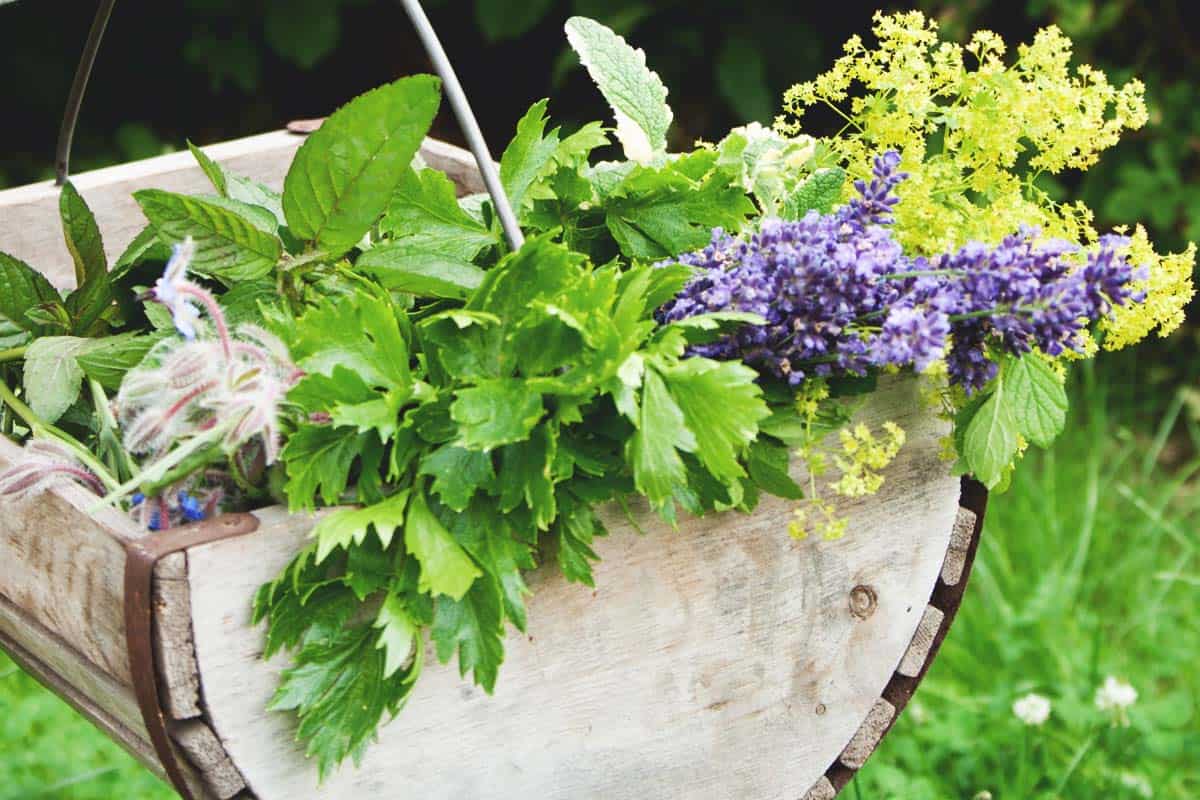
Place cut stems in cool water right away. Think of this as a "hydration station" before packaging. Let them sit for an hour to rehydrate fully.
Wrap herbs in a damp paper towel and place them in a breathable bag or container. This maintains humidity without trapping excess moisture that causes rot.
2. Cold storage is non-negotiable
Heat is the enemy of shelf life. Once your herbs are cleaned and packaged, move them to a cold environment immediately. Most culinary herbs like basil, parsley, and cilantro store best at 34–38°F (1–3°C). Tropical herbs like basil are sensitive to cold; keep them slightly warmer, around 50°F (10°C), to prevent blackening.
3. Watch for moisture buildup
Condensation is the fastest way to ruin a batch of herbs. If you see water droplets inside your packaging, the herbs are too wet. Remove the damp paper towel or increase ventilation. For large-scale operations, consider using a humidity-controlled walk-in cooler with air circulation to keep leaves dry but fresh.
4. Label and rotate
Use a "first in, first out" system. Label every batch with the harvest date. Herbs like cilantro and basil only last 3–5 days in the fridge, while rosemary and thyme can last up to two weeks. Knowing the shelf life helps you plan sales and avoid waste.
Find buyers for your herbs
Growing profitable herbs is only half the battle; you need a clear path to get those leaves into customers' hands. While large distributors offer volume, they often pay pennies per pound. For beginners, direct-to-consumer channels provide the highest margins and immediate feedback on your quality.
Start by looking at your immediate community. Farmers markets are the classic entry point for new growers. You can sell bundles of fresh basil, parsley, or cilantro directly to locals who value freshness over shelf life. This channel lets you build a loyal customer base without the overhead of a storefront. Ask your local market organizers about vendor fees and booth requirements early on.
Another powerful option is partnering with local restaurants. Chefs often struggle to source consistent, high-quality herbs and are willing to pay a premium for crisp, flavorful greens. Approach chefs with a sample of your best produce. If your rosemary or thyme tastes better than the wholesale alternative, they will likely become repeat buyers. This approach requires less marketing than retail but demands reliable weekly deliveries.
Before you start selling, make sure your operation is ready. This checklist ensures you are prepared for your first sale:
-
Verify local cottage food laws or agricultural sales regulations
-
Source food-safe packaging (clams, sleeves, or bags)
-
Set up a simple payment system (Square, cash, or EBT if eligible)
-
Create a basic price list based on your cost of production plus desired margin
-
Prepare a short "grower profile" to share with restaurant owners or market customers
Common mistakes new growers make
Starting a profitable herb farm is exciting, but it’s also a business that demands precision. Many beginners treat herb farming like a hobby garden, which leads to wasted seeds, lost time, and thin margins. To protect your initial investment, you need to avoid the most frequent pitfalls in crop planning and pest management.
Skipping the crop plan Don’t just plant what you like. You must plant what the market buys. If you grow basil without a buyer, you’re growing compost. Map out your planting schedule to ensure a continuous harvest rather than a glut that drives prices down.
Ignoring pest pressure Herbs are high-value targets for aphids, spider mites, and whiteflies. Waiting until you see damage is too late. Start with clean, healthy seedlings and monitor plants weekly. Early detection saves your entire crop.
Underestimating drying and storage Harvesting is only half the job. If you dry herbs incorrectly, they lose flavor, color, and weight. Invest in proper drying racks or dehydrators. Properly dried herbs command a much higher price than fresh ones, especially in the off-season.
Start by mapping out your planting schedule. Ensure you have a buyer for each variety before you sow. This prevents waste and ensures a steady income stream.
Inspect leaves and stems every week. Early detection of aphids or mites allows you to treat them before they spread. Healthy plants sell better and fetch higher prices.
Use proper drying techniques to preserve flavor and weight. Properly dried herbs have a longer shelf life and can be sold year-round, maximizing your profit potential.
Herb farming questions answered
Starting a profitable herb farm is less about guessing and more about understanding what the market actually buys. Most beginners wonder which varieties offer the best return on investment. Culinary herbs like basil, chives, oregano, parsley, rosemary, dill, and coriander consistently top the list for home growers and small-scale farmers alike.
These herbs are popular because they grow quickly, have high demand in local markets, and retain their flavor well when fresh or dried. Basil, for instance, is a staple in Italian cuisine and sells out fast at farmers' markets. Chives and rosemary are hardy perennials that require less replanting, saving you time and labor costs over the growing season.
No comments yet. Be the first to share your thoughts!