
Pick high-margin herbs first
Choosing the right crop is the difference between a hobby and a business. Some herbs grow themselves, but others demand precise conditions that can drain your startup budget before you sell a single bundle. To keep your initial costs low and your margins high, focus on varieties that offer a quick turnover or a premium price point.
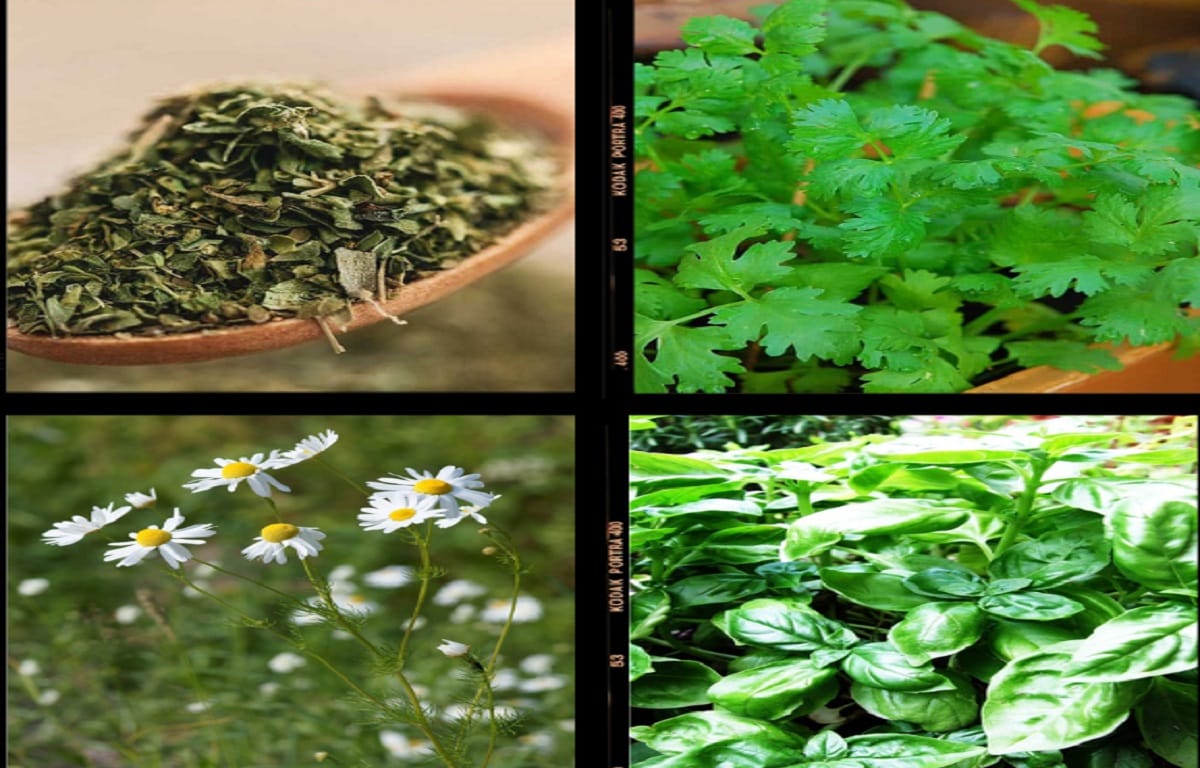
Basil is the heavyweight champion of homegrown herbs. It thrives in warm weather, grows rapidly, and has relentless demand in local markets and restaurants. Because it has a short lifecycle, you can harvest and replant multiple times in a single season, maximizing the return on your initial seed or starter plant investment.
Rosemary and thyme take a different approach. These are woody perennials that live for years. While you might spend a bit more on established starter plants upfront, you never have to replant them. They require very little water and resist pests naturally, which cuts down on ongoing maintenance costs. This makes them ideal for growers who want a "set it and forget it" income stream.
Chives and parsley offer a middle ground. They are hardy, easy to grow in containers, and fetch a steady price year-round. Chives, in particular, are nearly indestructible and can be harvested repeatedly throughout the growing season without dying back. Starting with these reliable performers ensures you have cash flow early while you experiment with more finicky crops like cilantro or dill.
Calculate your startup costs
Before you buy a single seed packet, you need a clear picture of what it takes to get started. Herb farming can be profitable, but the initial investment varies wildly depending on your scale and methods. Are you starting with a few pots on a sunny windowsill, or are you planning to lease a commercial greenhouse?
The numbers below will help you estimate your initial outlay. We’ve broken the costs down into four main buckets: infrastructure, inputs, tools, and labor. Adjust the sliders to match your specific situation. For example, if you’re growing basil or cilantro, your seed costs will be low, but if you’re planting perennial herbs like rosemary or thyme, your initial plant costs will be higher.
Take a moment to review the results. Notice how infrastructure often makes up the largest chunk of your budget. If the number feels too high, consider starting smaller. Many successful herb farmers begin with a 100-square-foot plot and scale up as they secure buyers. The key is to keep your initial risk low while you learn the ropes of your specific climate and crop varieties.
Compare growing methods and gear
Choosing the right infrastructure is the first real investment you’ll make. The method you pick dictates your upfront costs, your daily labor, and ultimately, how much profit you can squeeze out of each square foot. Soil is the low-barrier entry point, hydroponics maximizes yield per square foot, and greenhouse setups offer year-round control at a higher price tag.
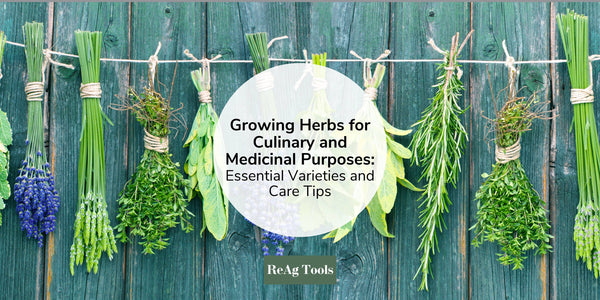
Here is how the three primary methods stack up against each other when looking at startup costs and potential output.
Soil is the most forgiving place to start. You can begin with raised beds or even large pots in a backyard, keeping initial costs under $200. The trade-off is slower growth cycles and lower density. Hydroponic systems, like deep water culture or nutrient film technique, require a steeper initial investment in pumps, reservoirs, and lighting. However, they can produce two to three times more herbs in the same space because roots get direct access to nutrients. Greenhouse growing combines the space efficiency of controlled environments with the natural benefits of soil or hydro, allowing you to harvest year-round regardless of the weather outside, though the structure itself is the most expensive component.
Avoid common planting mistakes
Growing profitable herbs is less about luck and more about avoiding the traps that turn a garden into a graveyard. Many new growers see a lush patch of basil or cilantro and assume success is guaranteed, but profitability hinges on execution. A few common errors can slash your yield before you even pick the first leaf. Here is how to sidestep the pitfalls that kill margins.
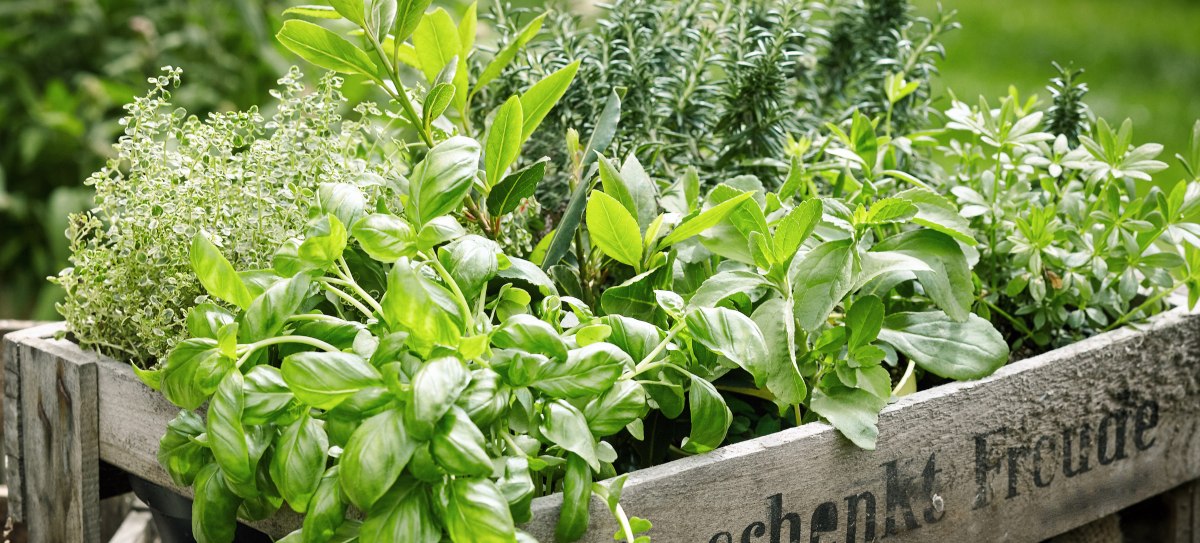
Crowding plants is the fastest way to invite disease and stunt growth. Herbs like basil and oregano need room for air circulation to prevent powdery mildew. If you plant too close, you will spend more on fungicides and lost inventory than you make in sales. Follow the spacing guidelines on your seed packet strictly; it is not a suggestion, it is a profit requirement.
Harvesting too early means you are selling water weight and underdeveloped flavor. Herbs like cilantro and parsley develop their essential oils—and their market value—just before flowering. If you cut them too young, they lack the pungency buyers expect. Wait for the plant to reach full leaf maturity, but harvest before the flower buds open to maintain peak quality.
Most culinary herbs, including rosemary and thyme, hate "wet feet." Overwatering leads to root rot, which kills the plant entirely. Ensure your pots have drainage holes and your garden beds are raised. Let the top inch of soil dry out between waterings. Consistent, moderate moisture is better than soaking floods for these Mediterranean favorites.
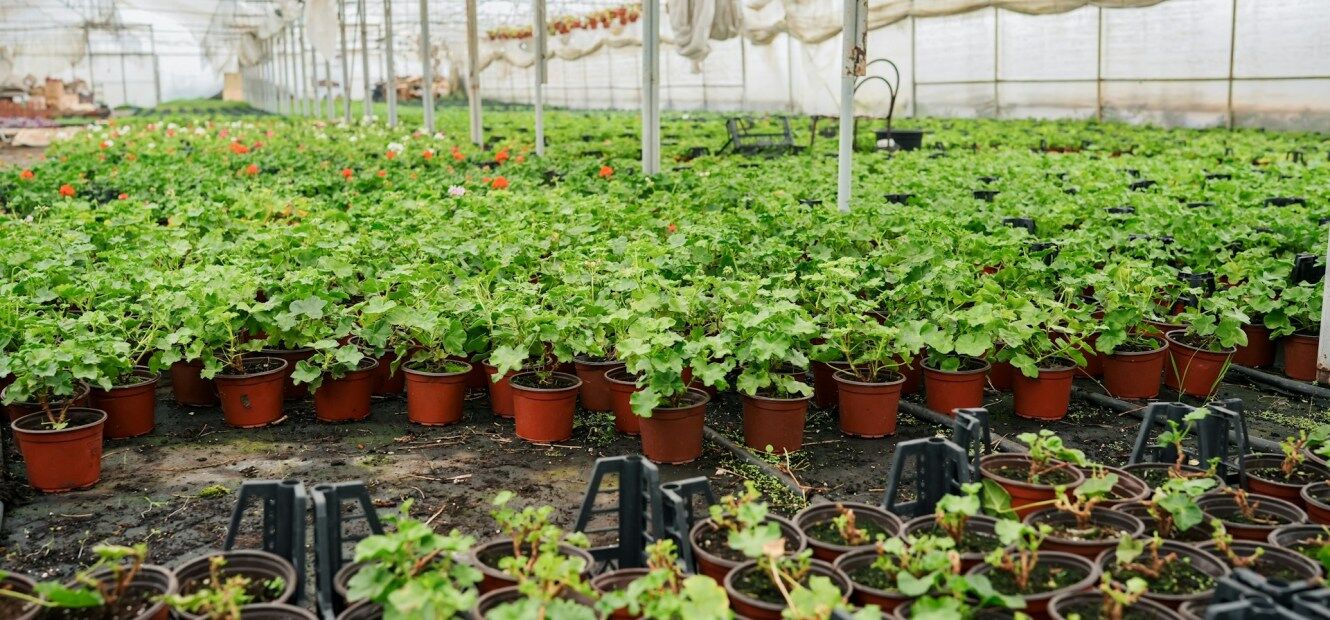
Aphids and spider mites can decimate a crop in days. Inspect the undersides of leaves weekly. If you spot pests, remove them by hand or use a strong stream of water before reaching for chemicals. Early detection saves your entire harvest. A single infested plant can spread to the rest of your operation if ignored.
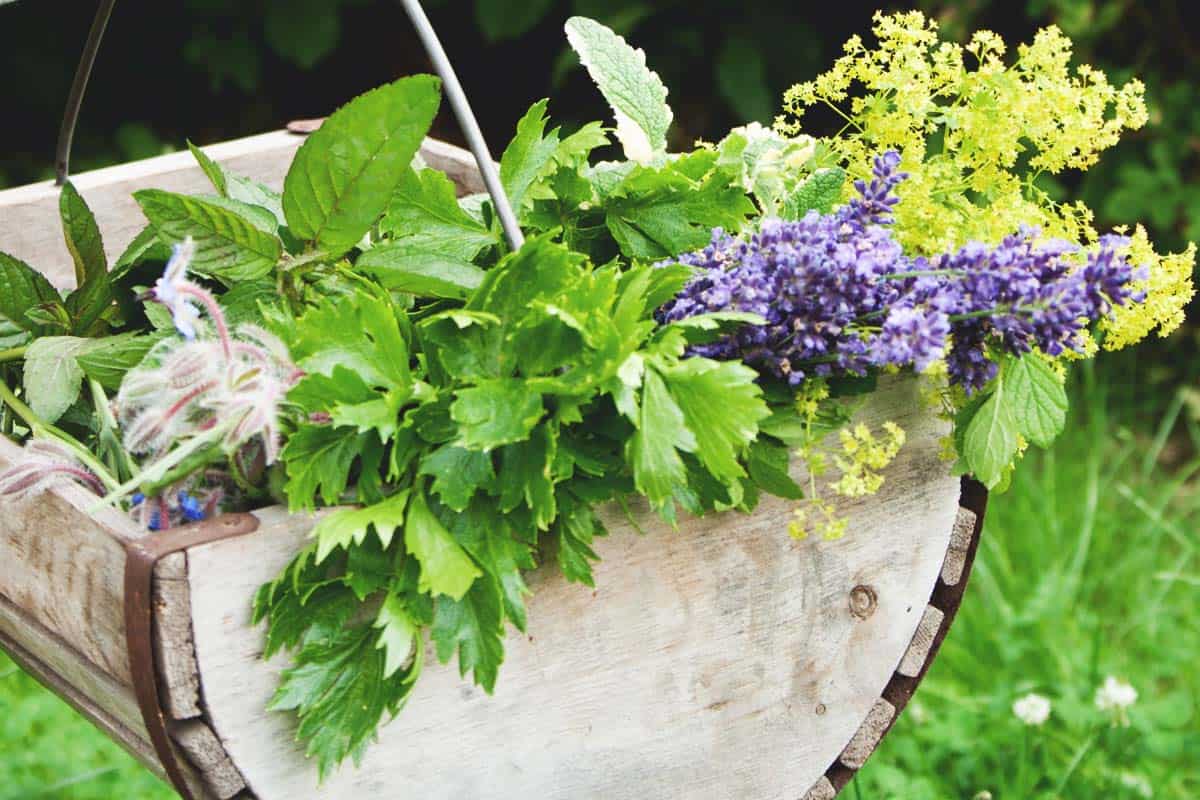
Planting the same herb in the same spot year after year depletes specific nutrients and builds up soil-borne diseases. Rotate your beds every season. If you grew basil in Bed A this spring, move your cilantro or chives there next time. This simple practice keeps the soil fertile and reduces the need for expensive synthetic fertilizers.
By avoiding these common errors, you protect your startup costs and ensure a consistent supply of high-quality herbs. Small adjustments in spacing and timing can mean the difference between a profitable harvest and a total loss.
Check your profit margins
Before you plant your first seed, you need to know if the math actually works. Growing herbs is rewarding, but it’s a business that runs on thin margins if you aren't careful. The goal isn't just to grow a lot of plants; it's to maximize the net profit per square foot or per pound of harvest.
Think of your growing space as a high-rent commercial kitchen. Every square inch needs to pay its way. If you're growing basil, you might harvest 2 pounds per square foot, but if your costs are high, that volume doesn't mean much. You need to strip away the overhead to see what's left in your pocket.
To get these numbers, you'll need to track three things: your initial startup costs (like lights and shelves), your recurring operational costs (water, electricity, nutrients), and your total yield. Subtract your total costs from your total sales revenue, and you get your net profit. This simple equation tells you exactly how profitable your setup is.
Use the calculator below to plug in your specific numbers. It will help you visualize how changes in yield or price affect your bottom line. If the result looks low, don't worry—adjust the variables to see what it would take to hit your income goals.
Launch your herb business plan
Your calculator gave you the numbers. Now it’s time to plant them. Turning a spreadsheet into a paycheck requires a few concrete actions before your first harvest. Follow this sequence to keep costs low and sales high.
Talk to buyers before you buy seeds. Visit local farmers markets or chat with restaurant owners about their weekly needs. This step prevents you from growing crops that no one wants to buy.
Buy certified organic seeds and reliable soil. Cheap inputs often lead to weak plants and lower yields. A small upfront investment in quality saves money on replanting later.
Start with high-turnover herbs like basil or cilantro. These crops grow fast, allowing you to test your sales channels quickly. Harvest and sell within weeks to generate early cash flow.
No comments yet. Be the first to share your thoughts!